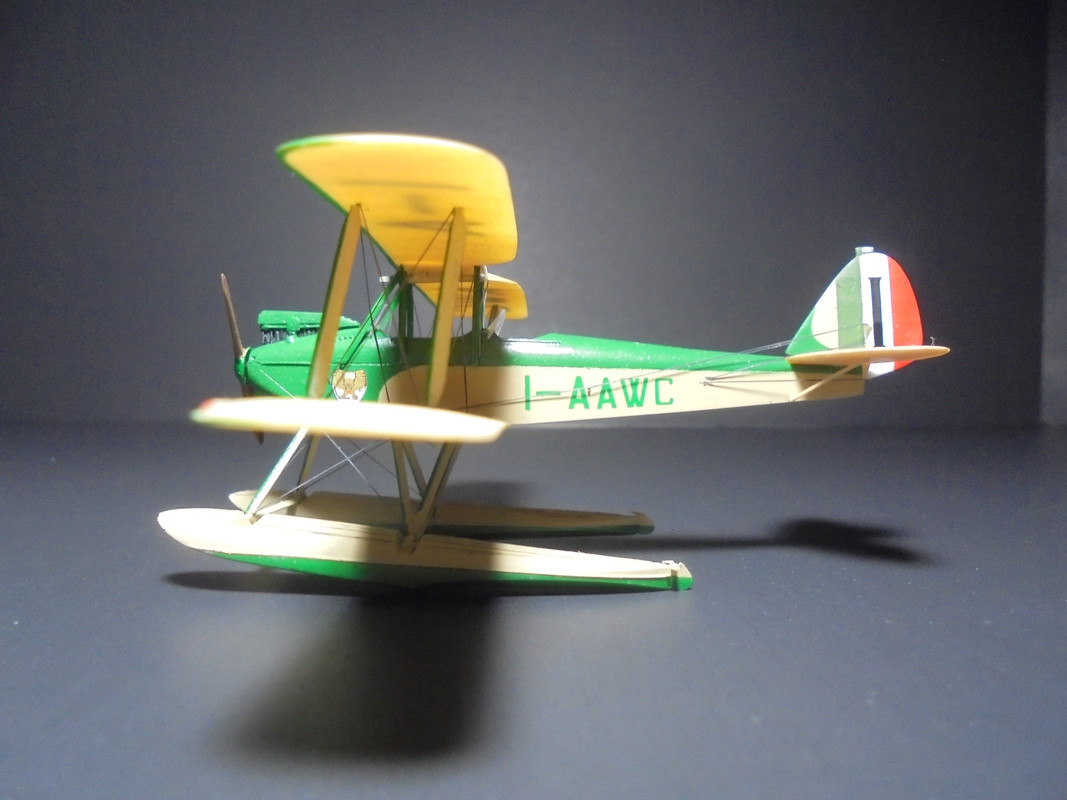
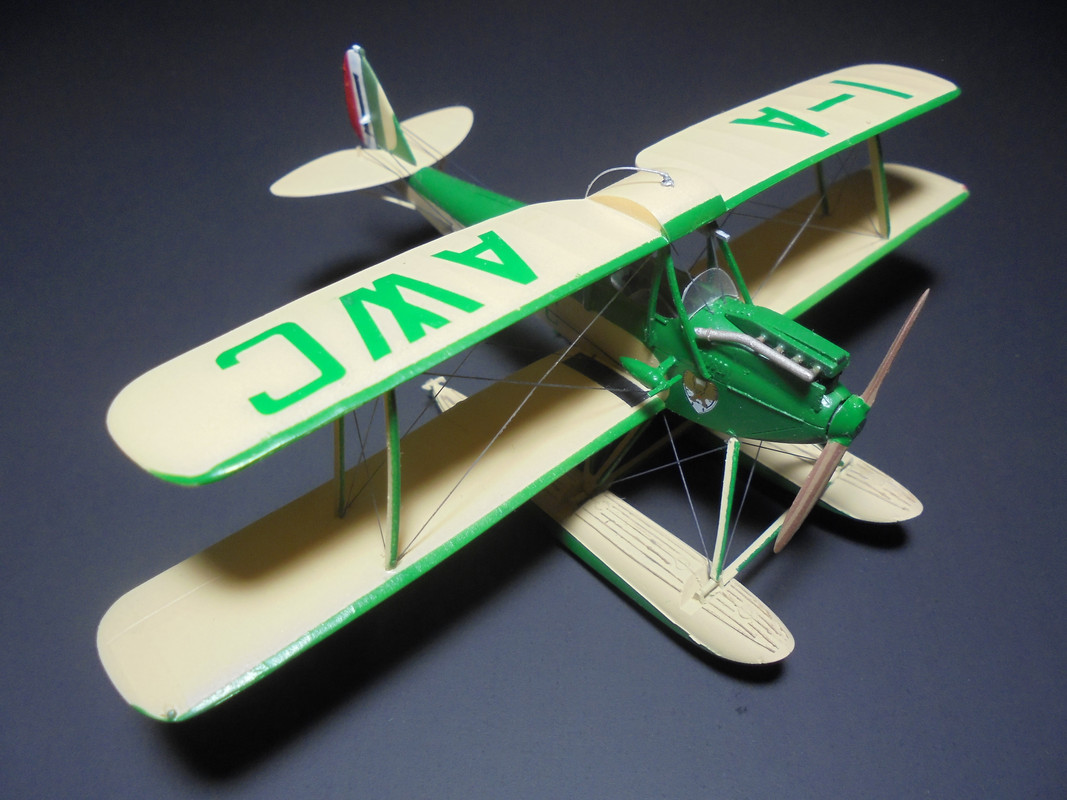
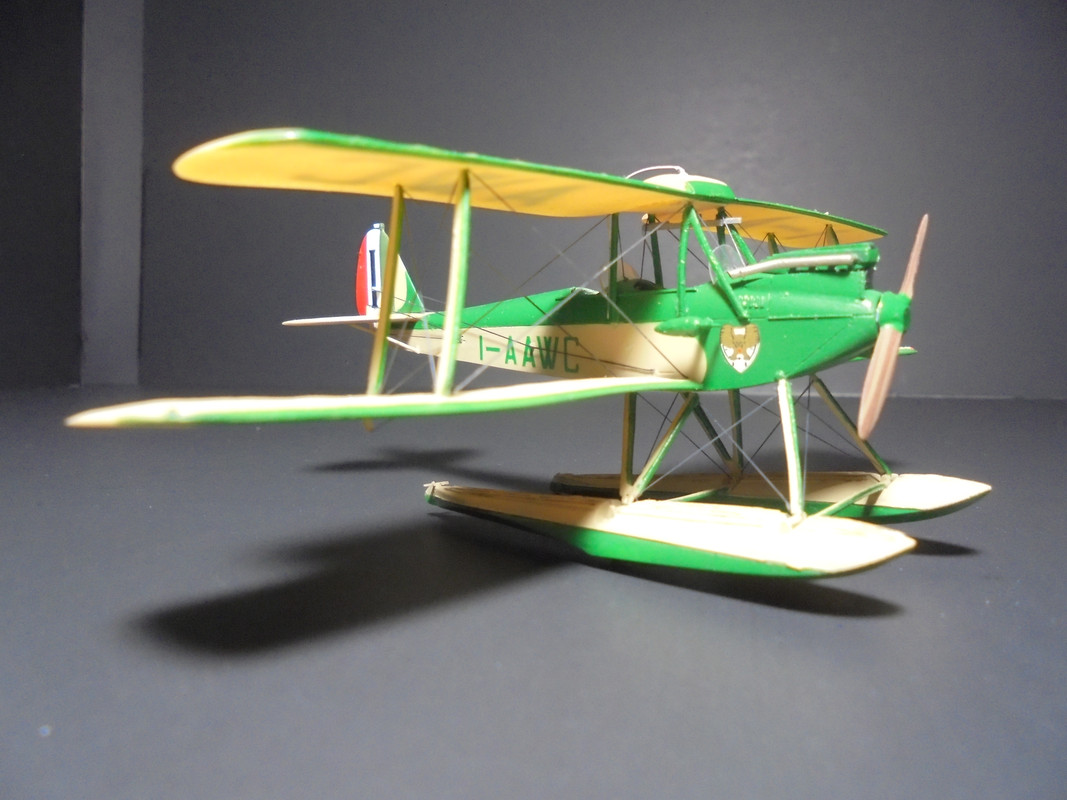
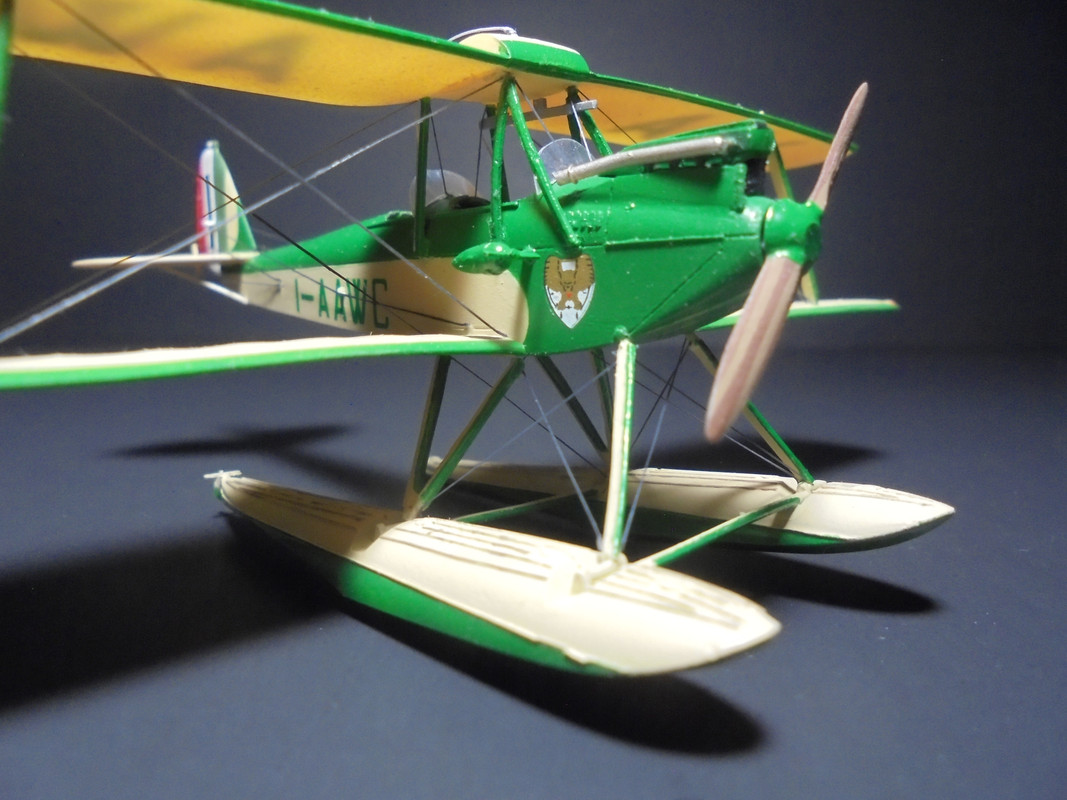
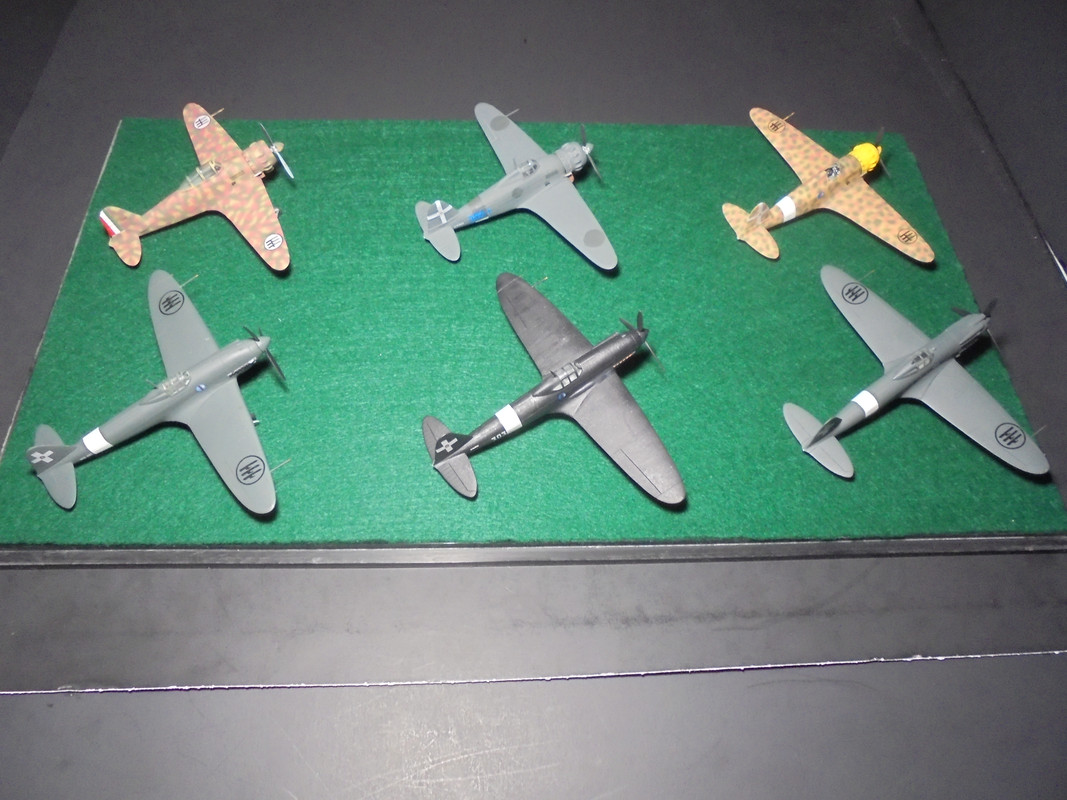
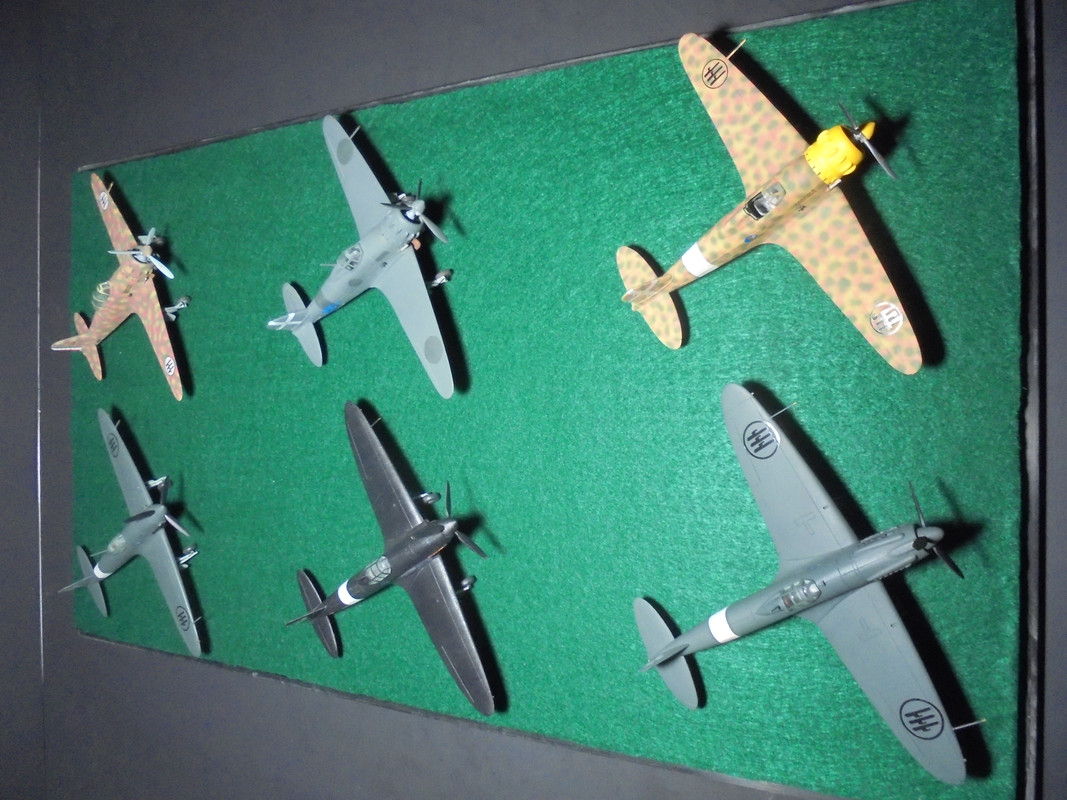
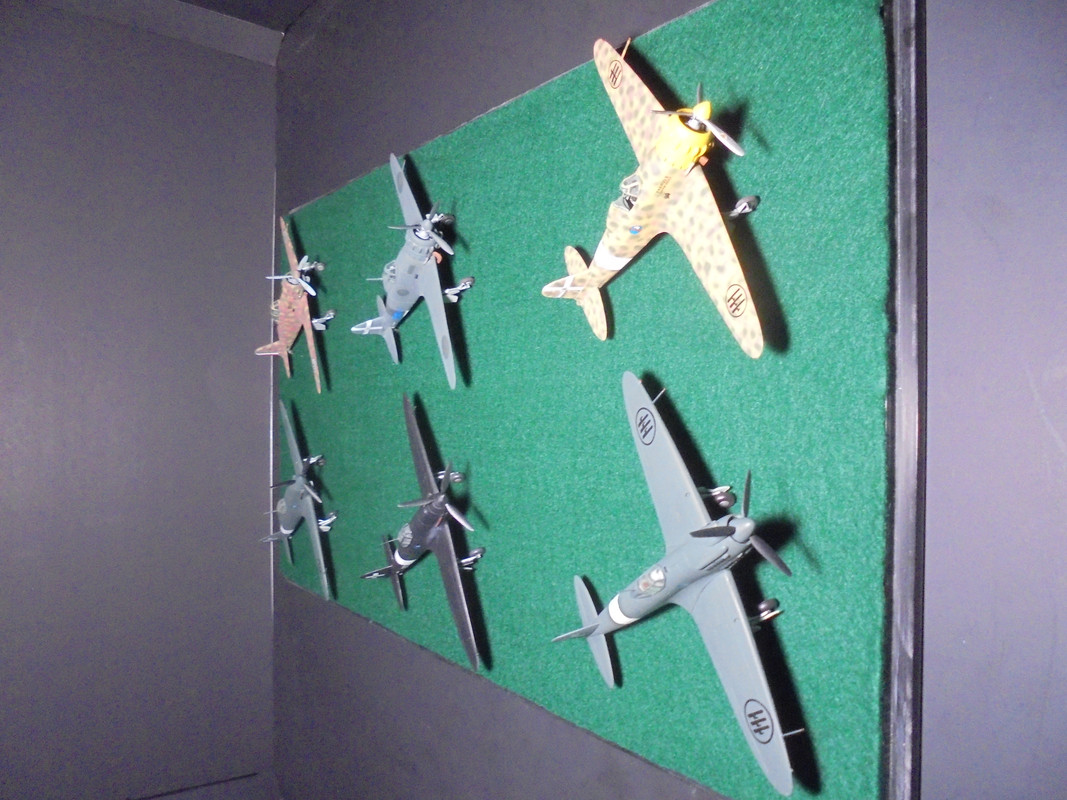
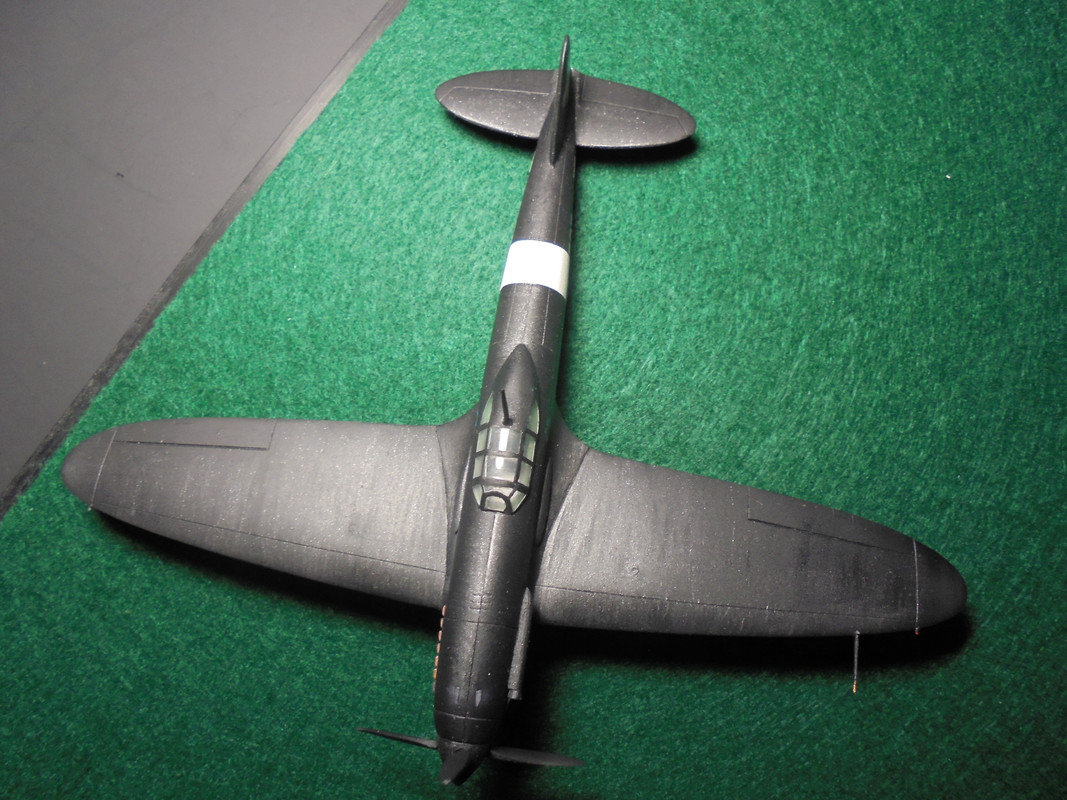
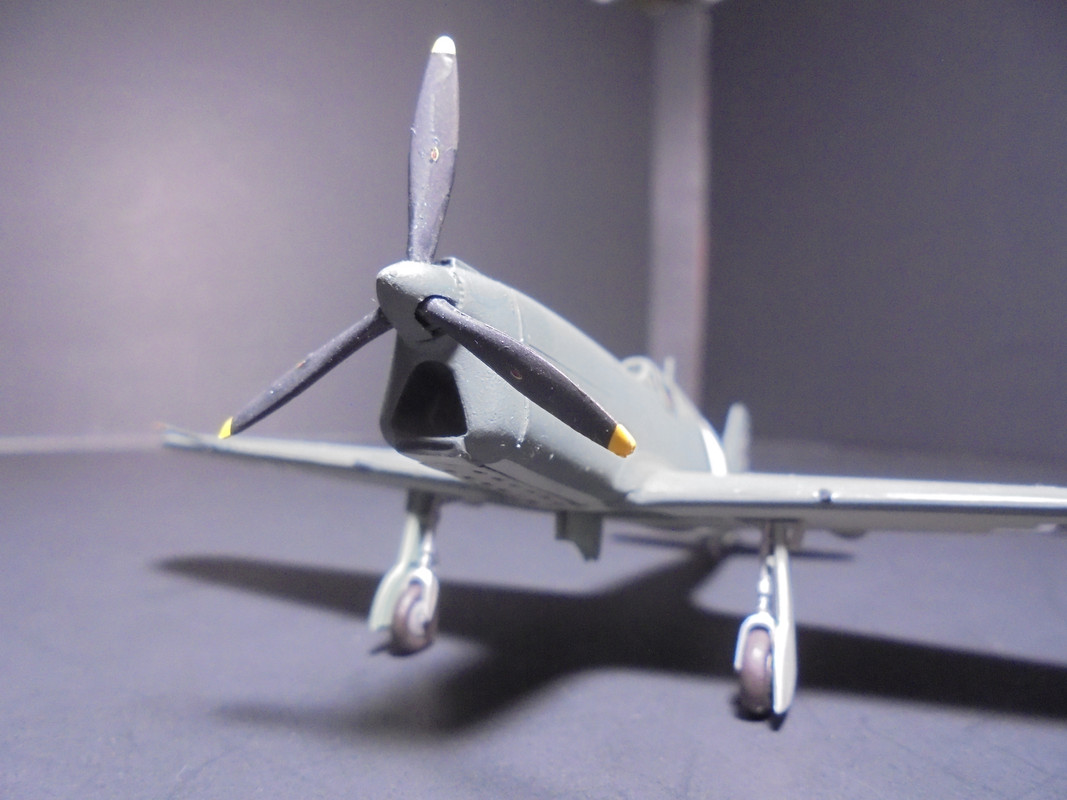
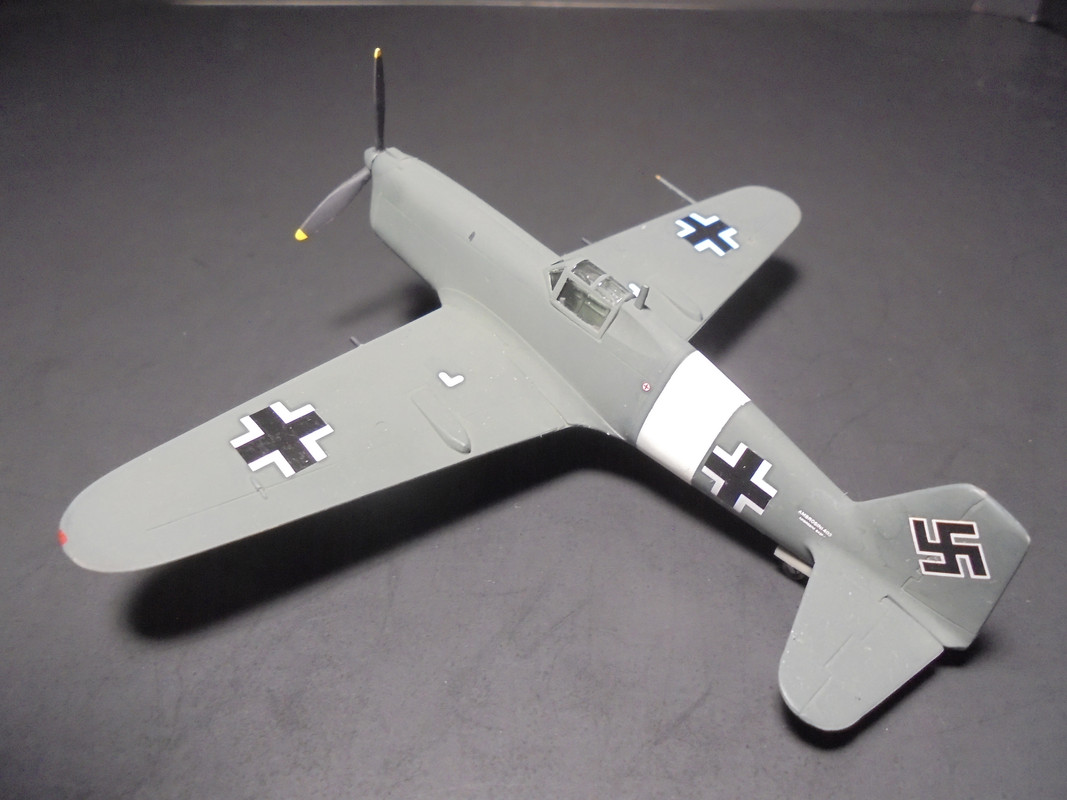
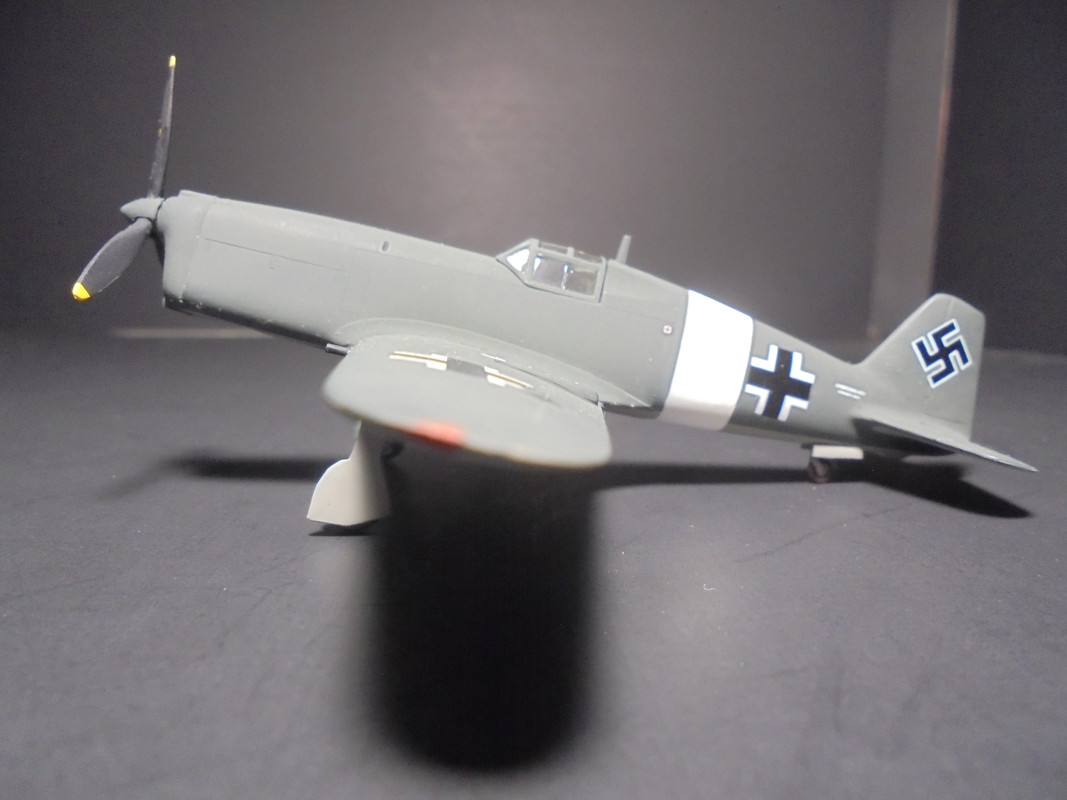
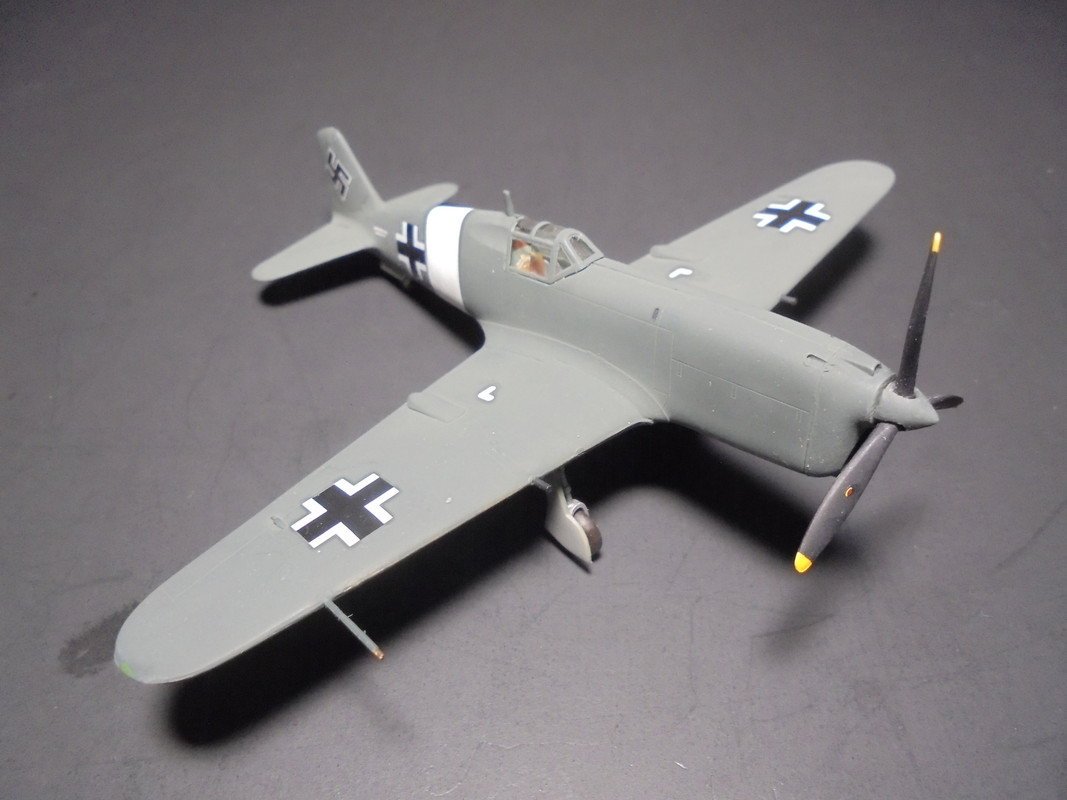
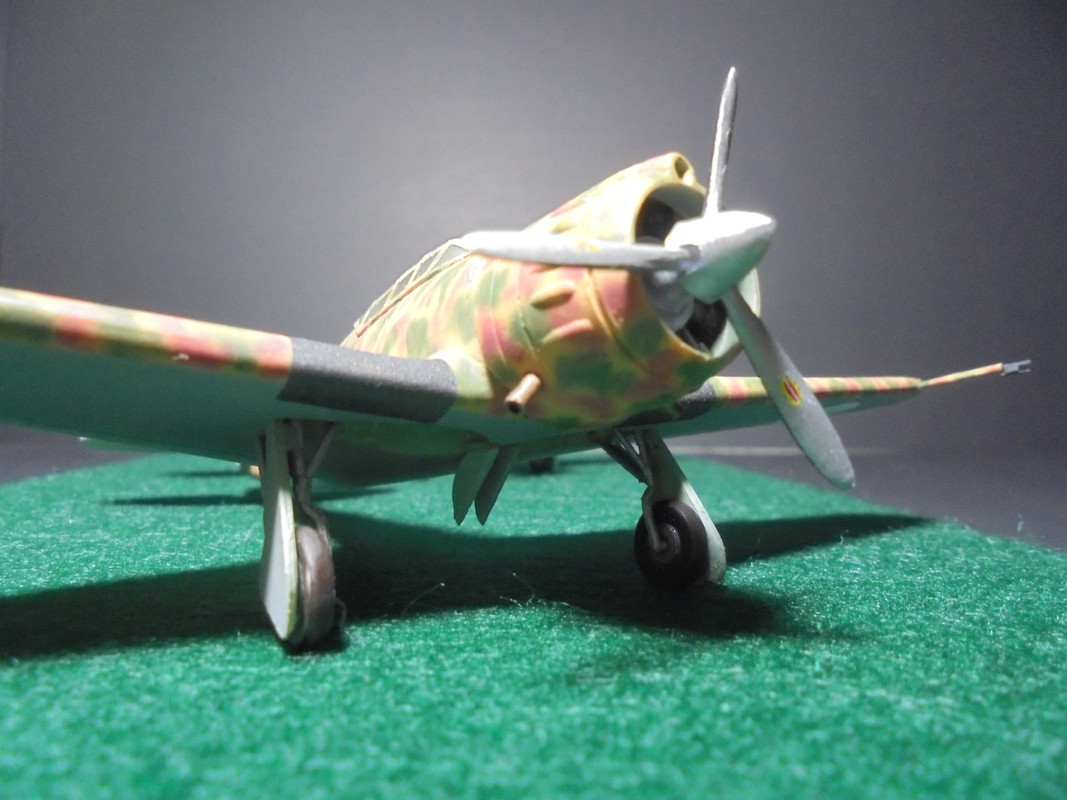
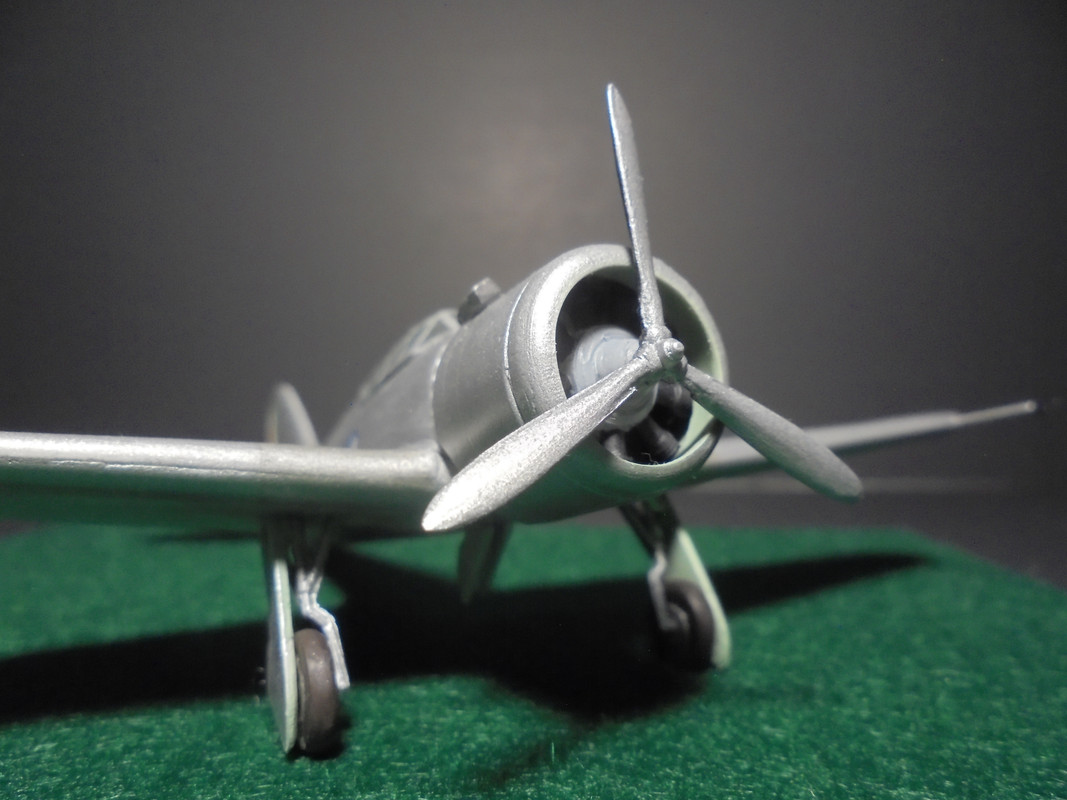
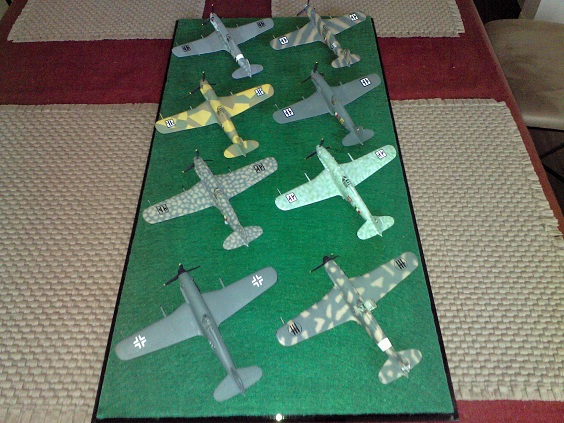
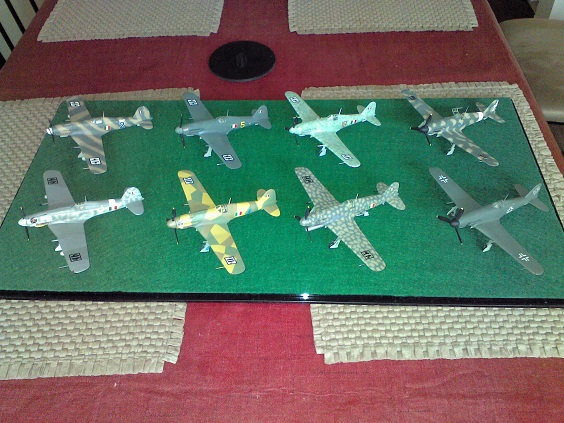
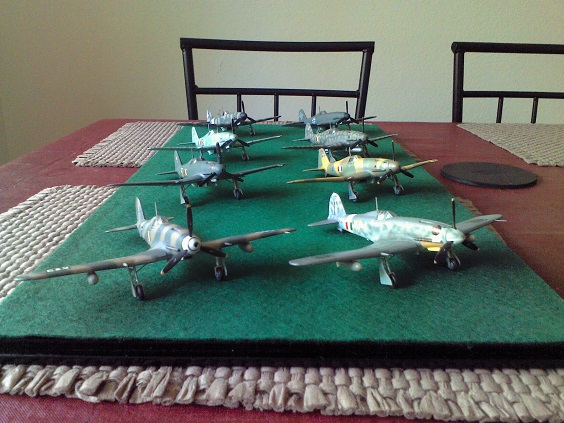
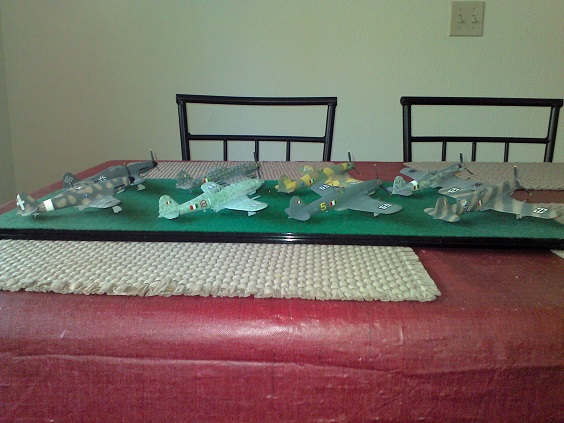
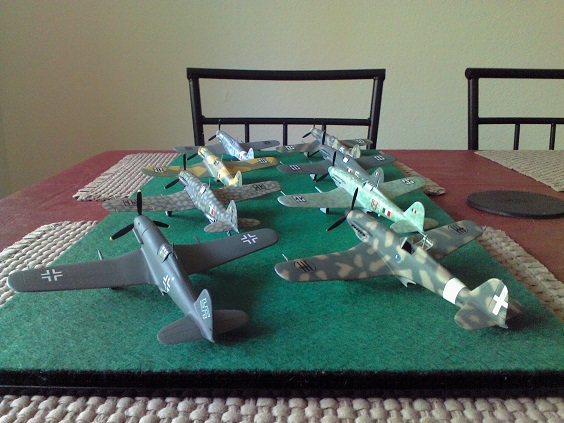
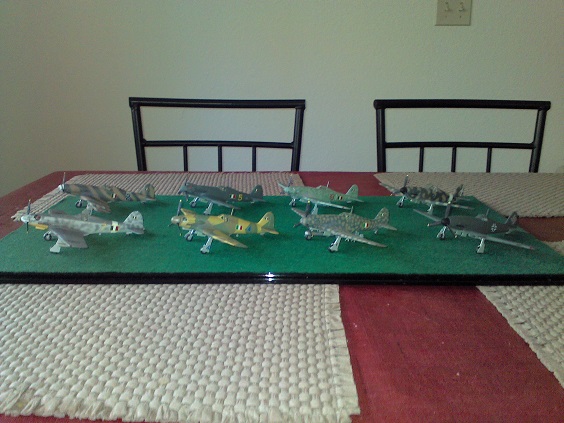
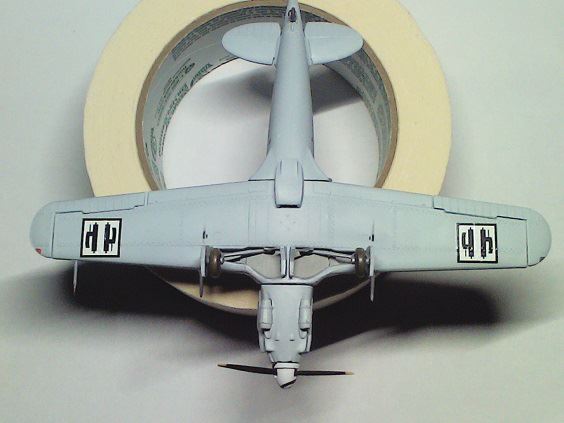
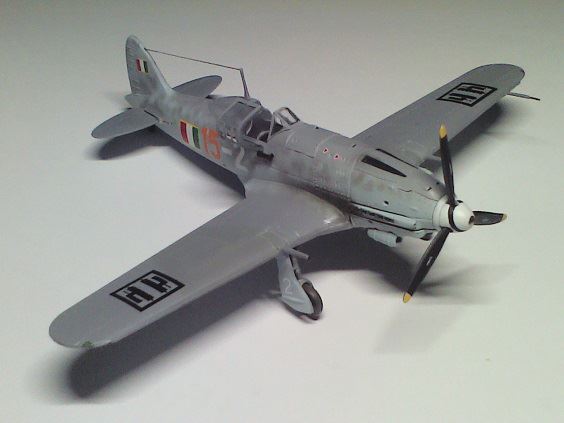
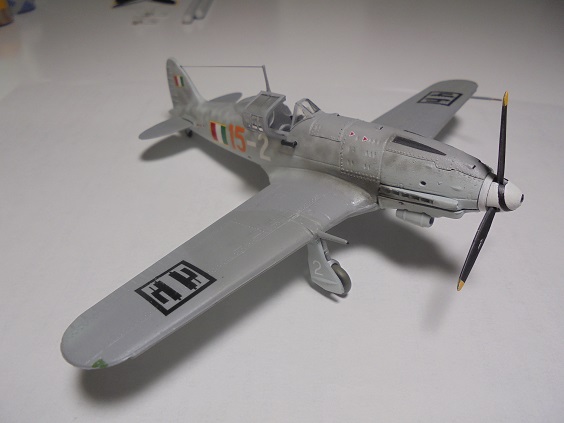
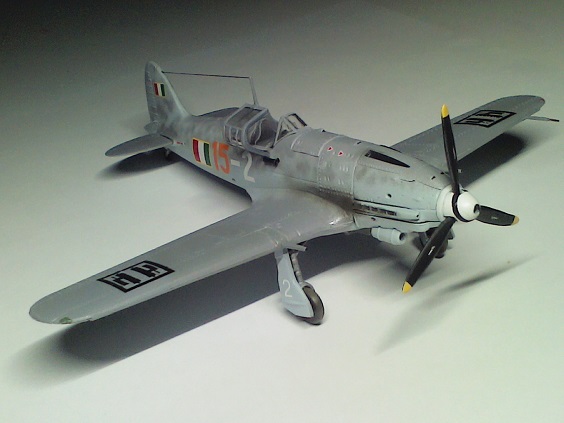
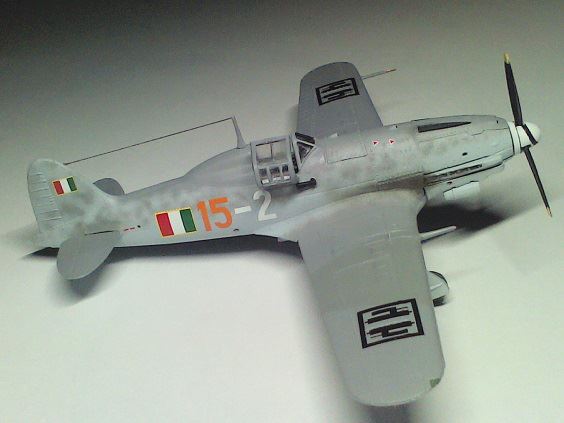
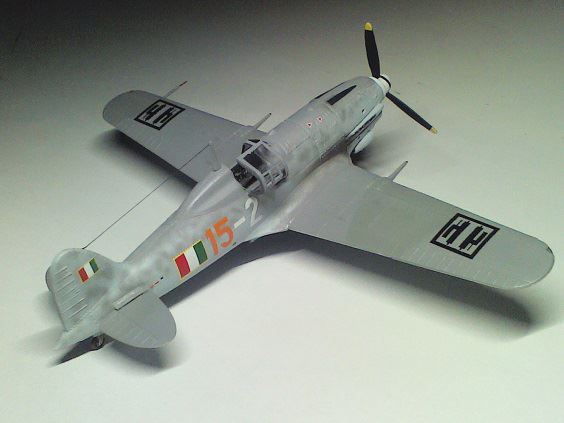
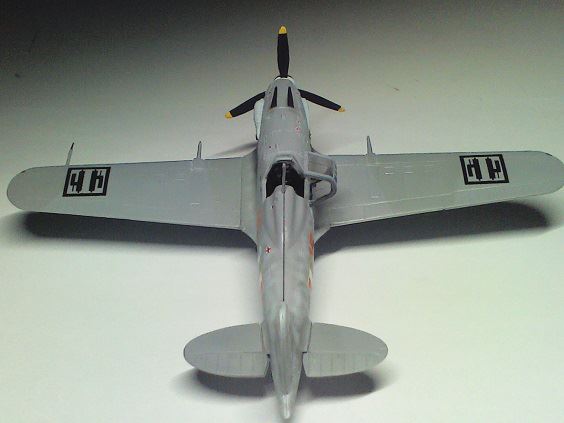
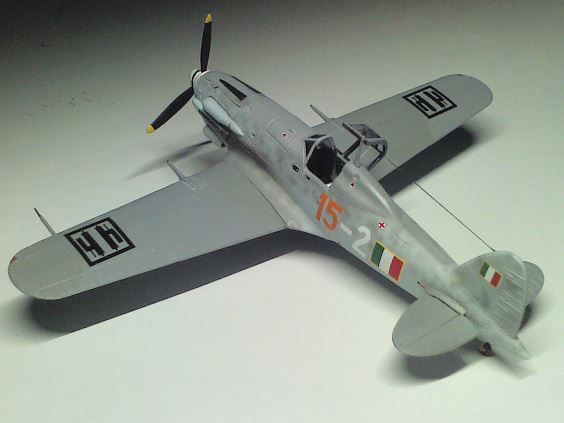
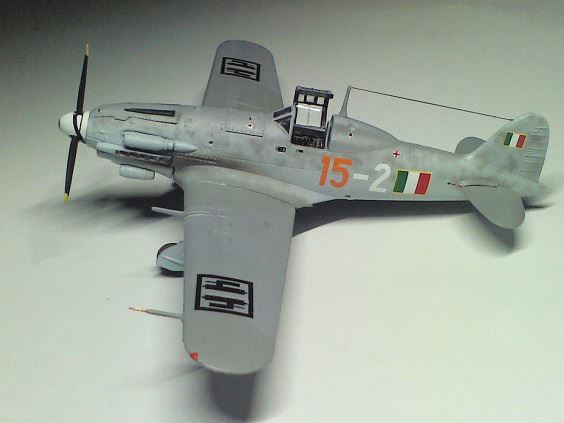
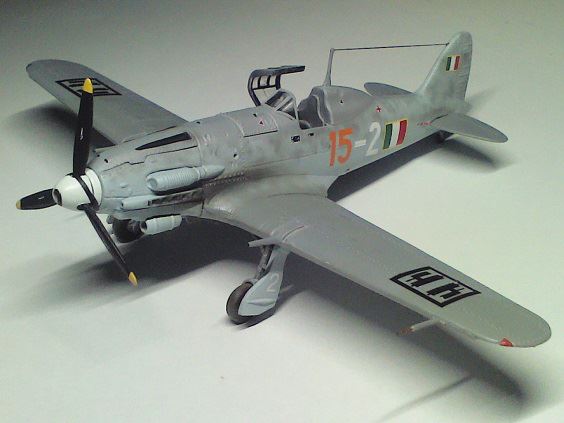
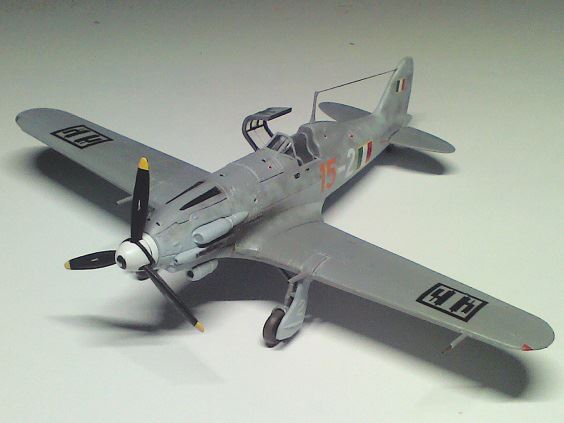
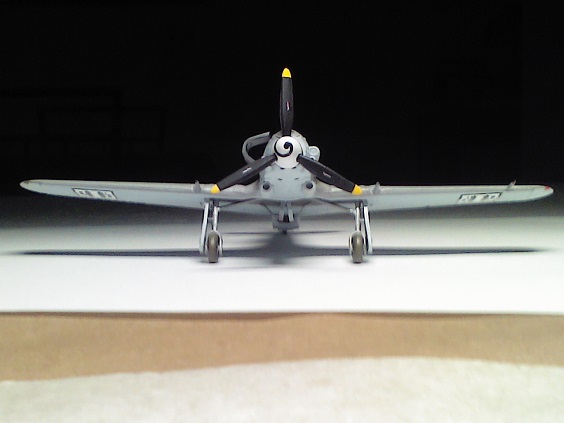
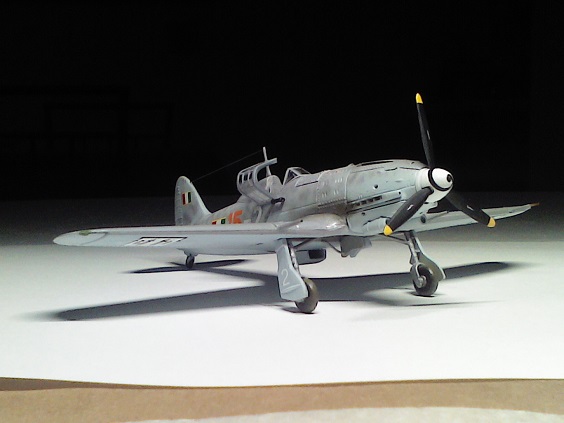
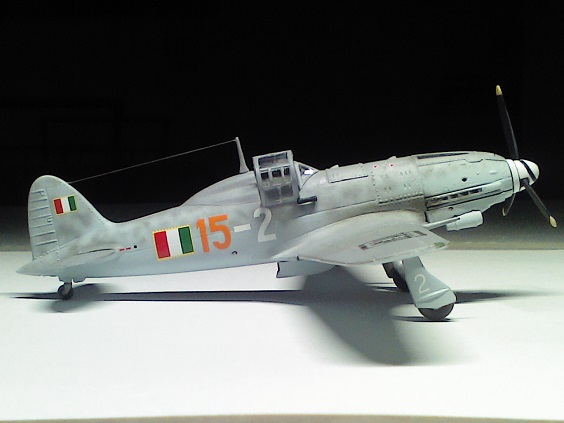
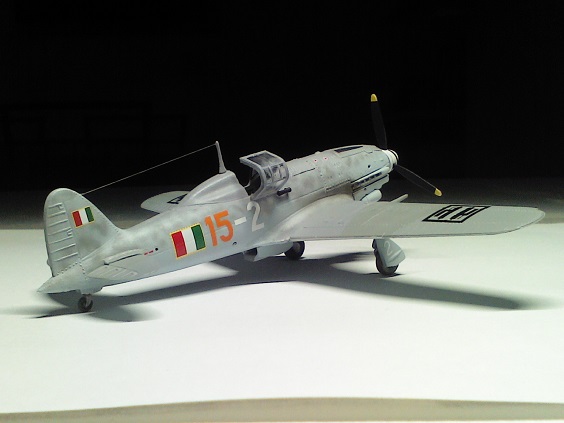
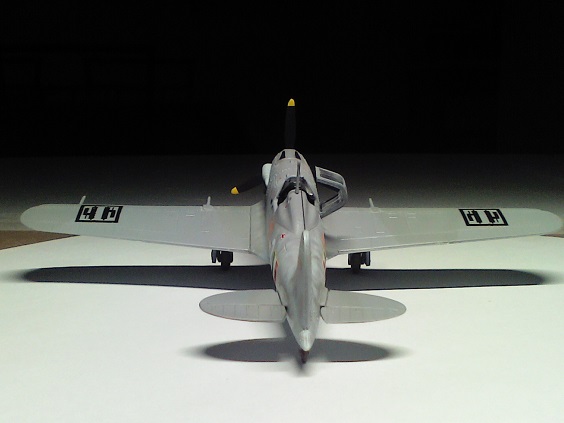
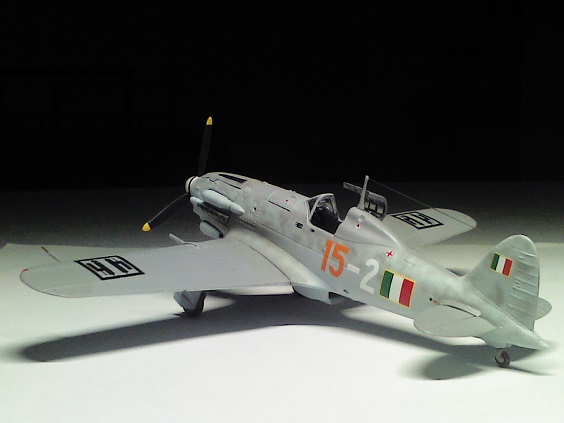
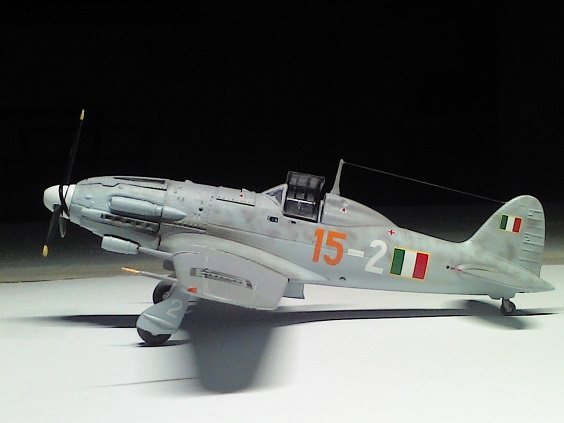
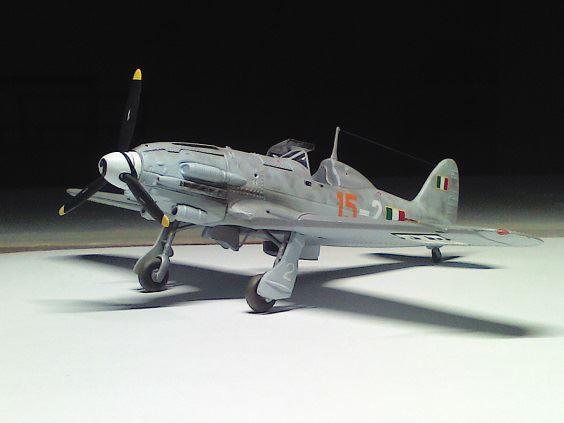
Retired In Kalifornia's Italian Aircraft Model Builds In Progress Photos

Post in-progress or completed model pics here
User avatar
RetiredInKalifornia
Generale di Divisone Aerea
Posts: 568
Joined: Fri Jun 14, 2019 6:34 pm

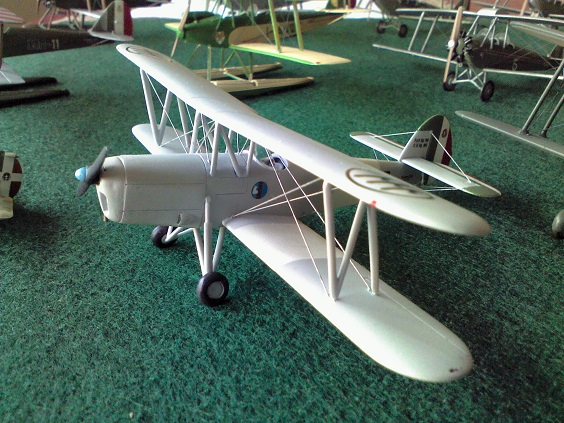
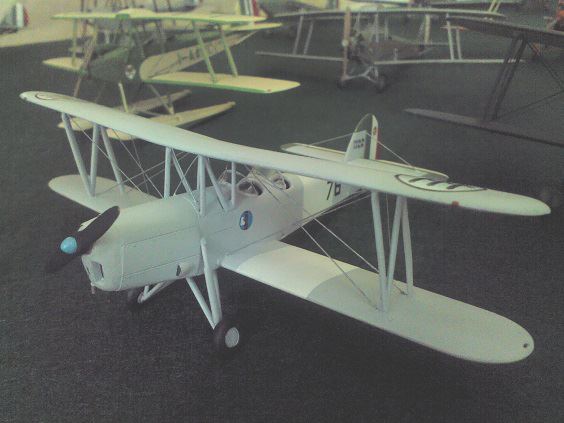
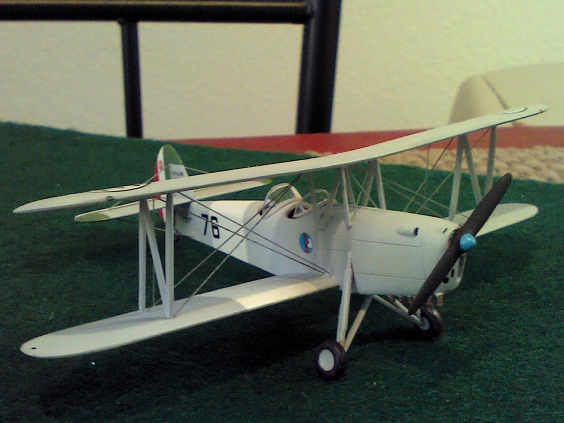
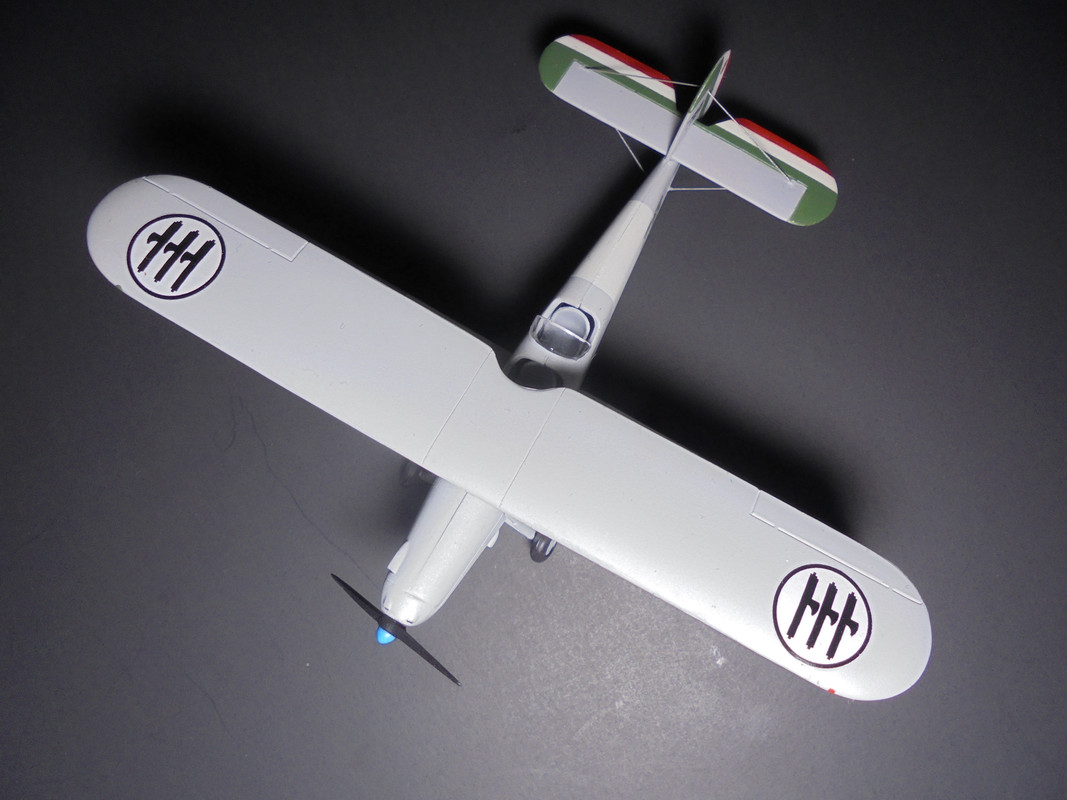
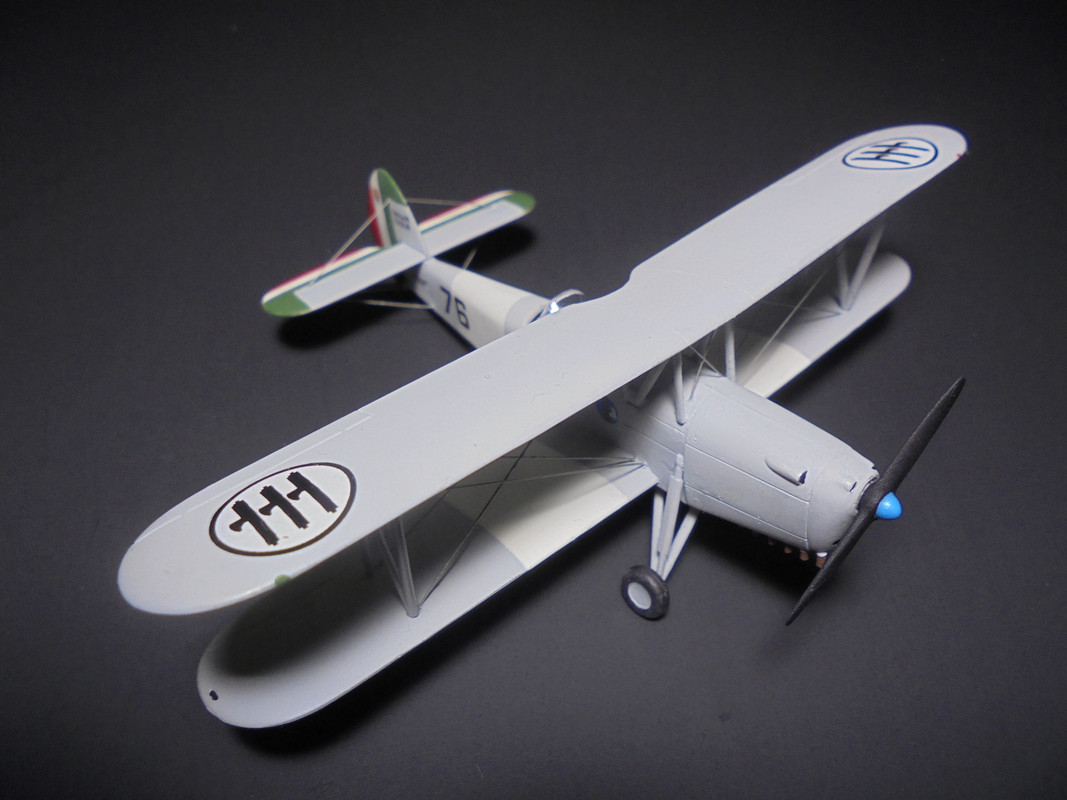
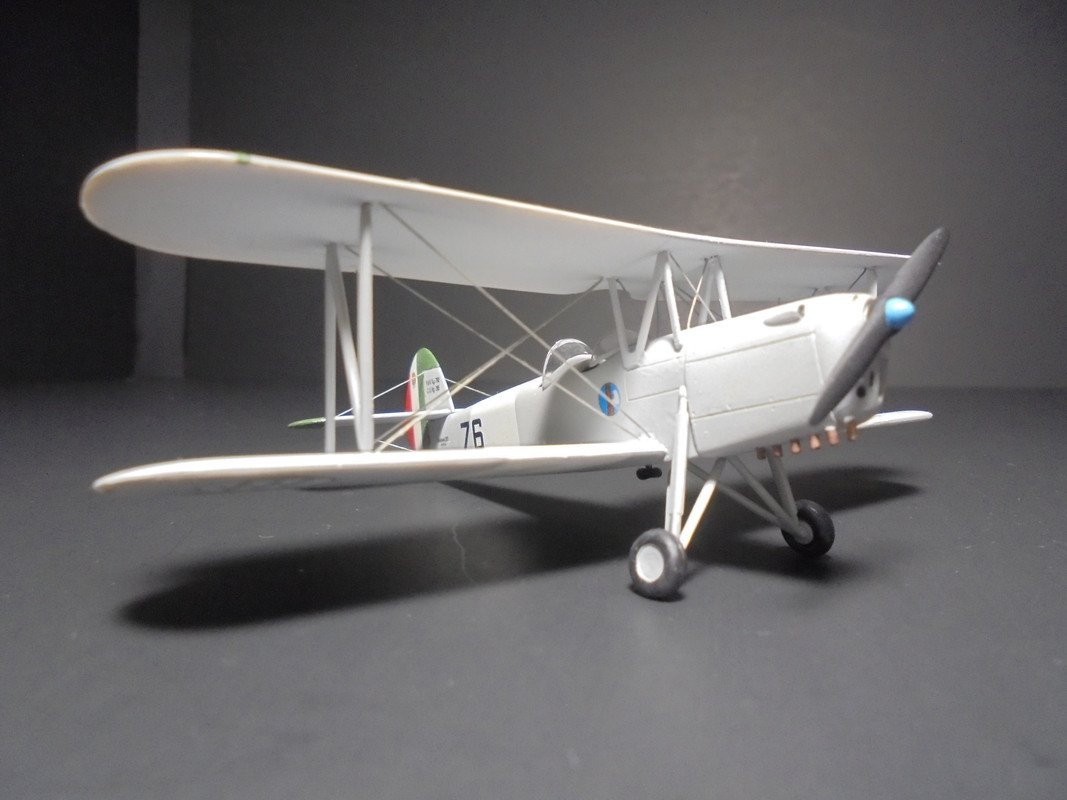
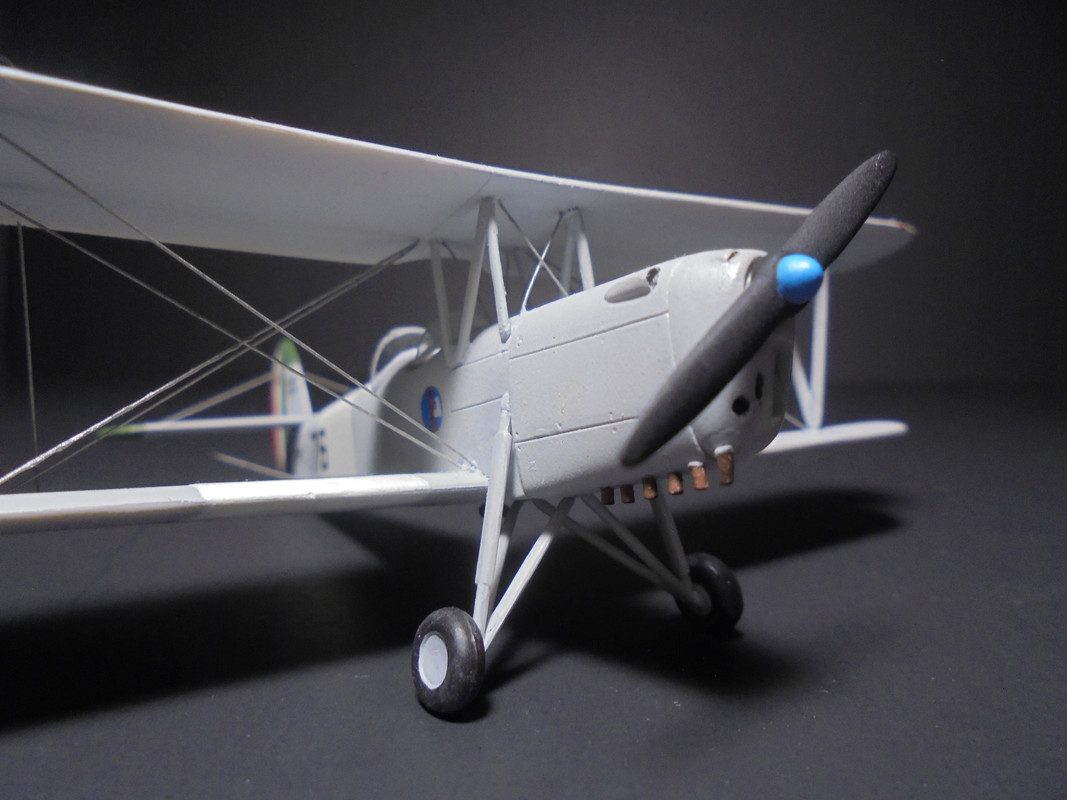
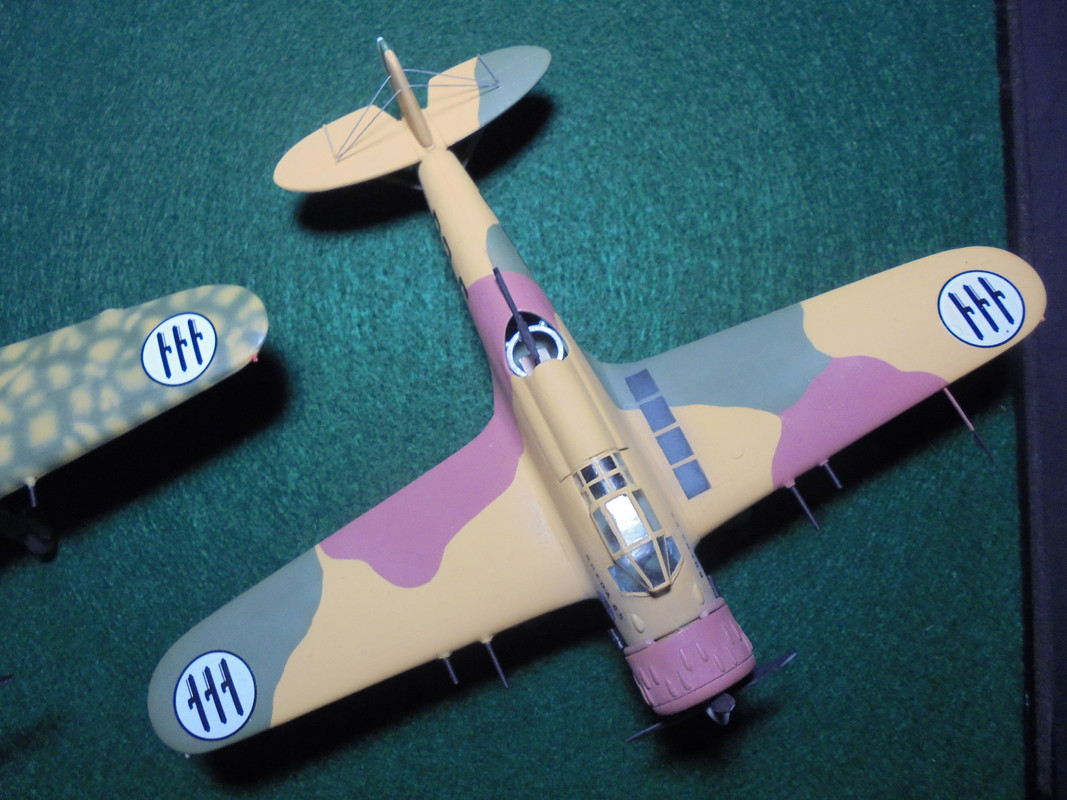
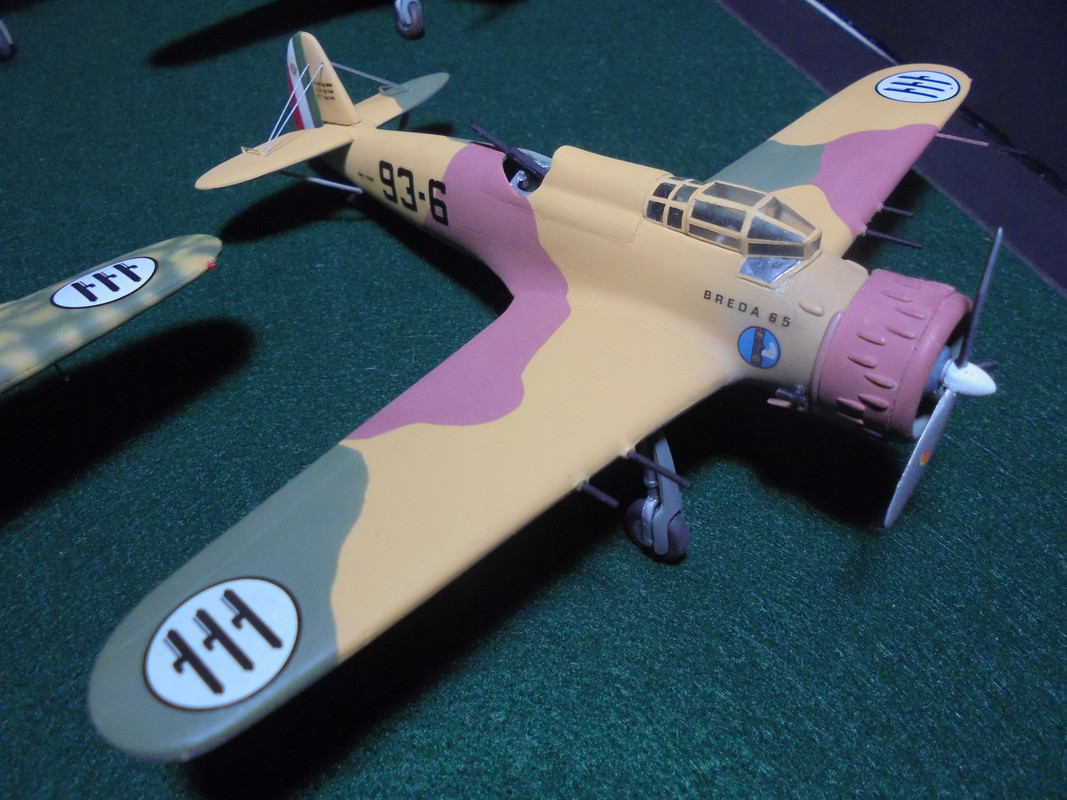
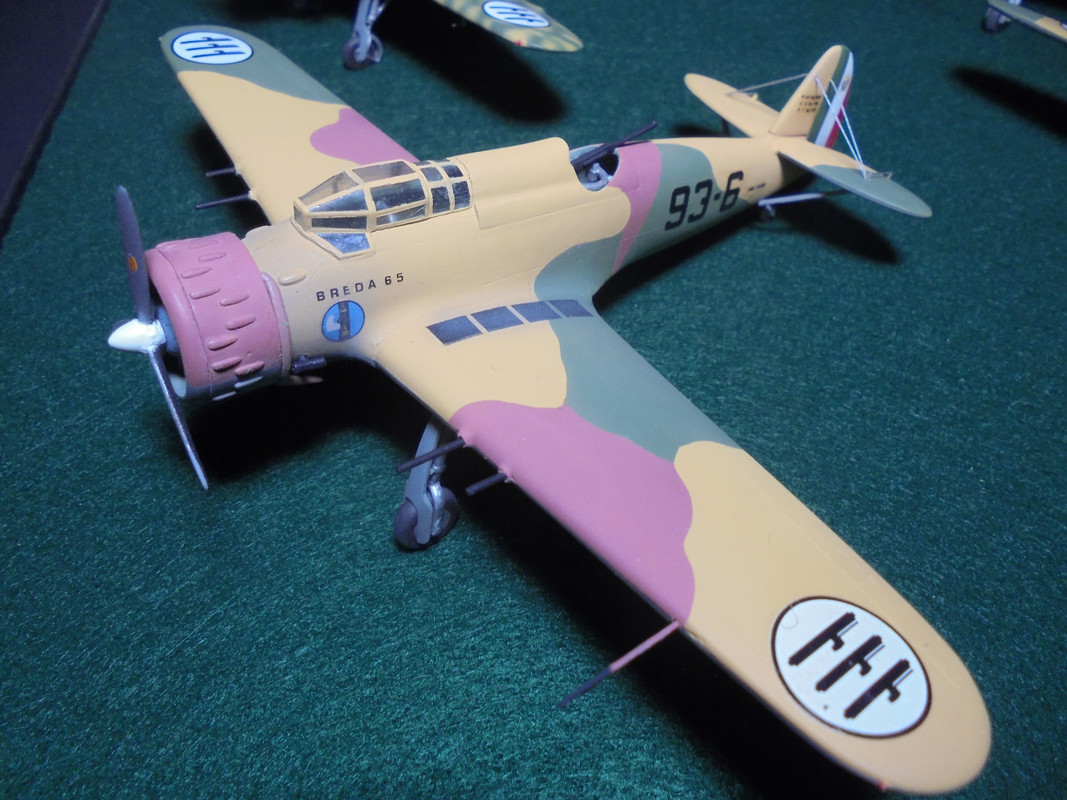
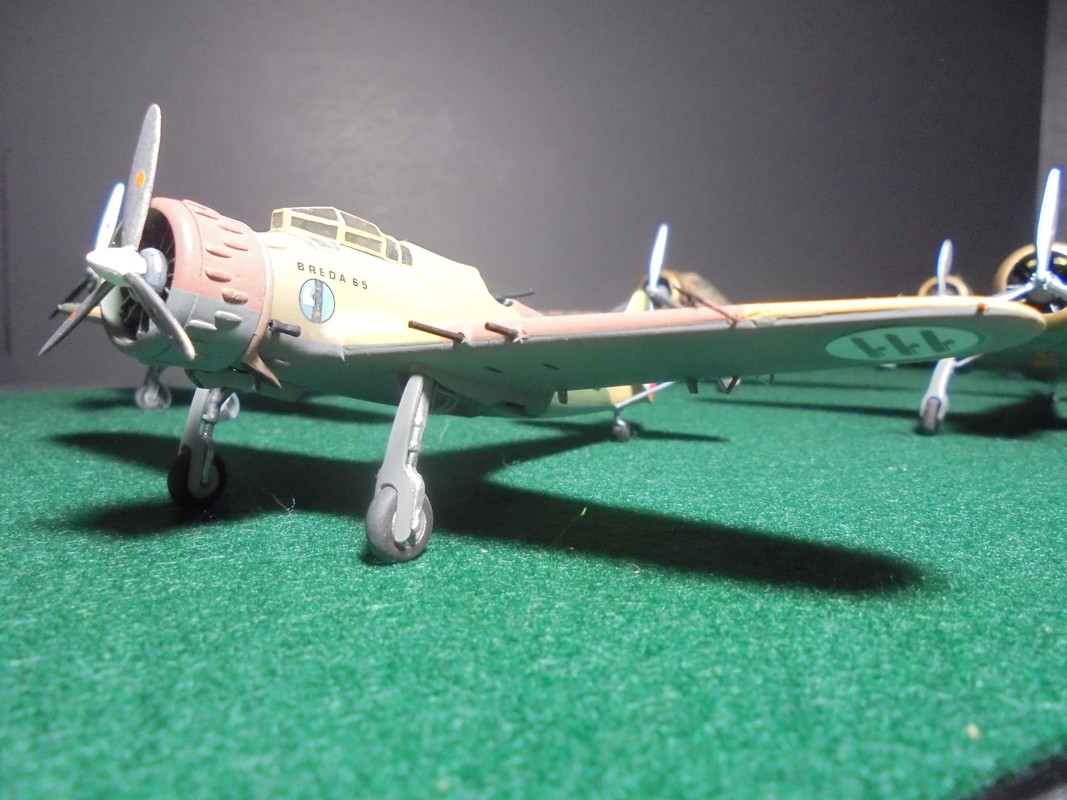
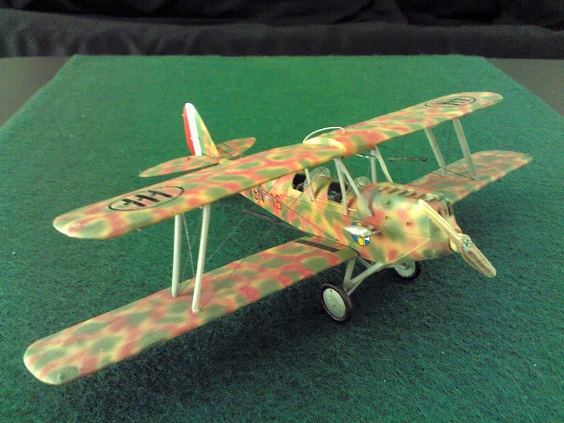
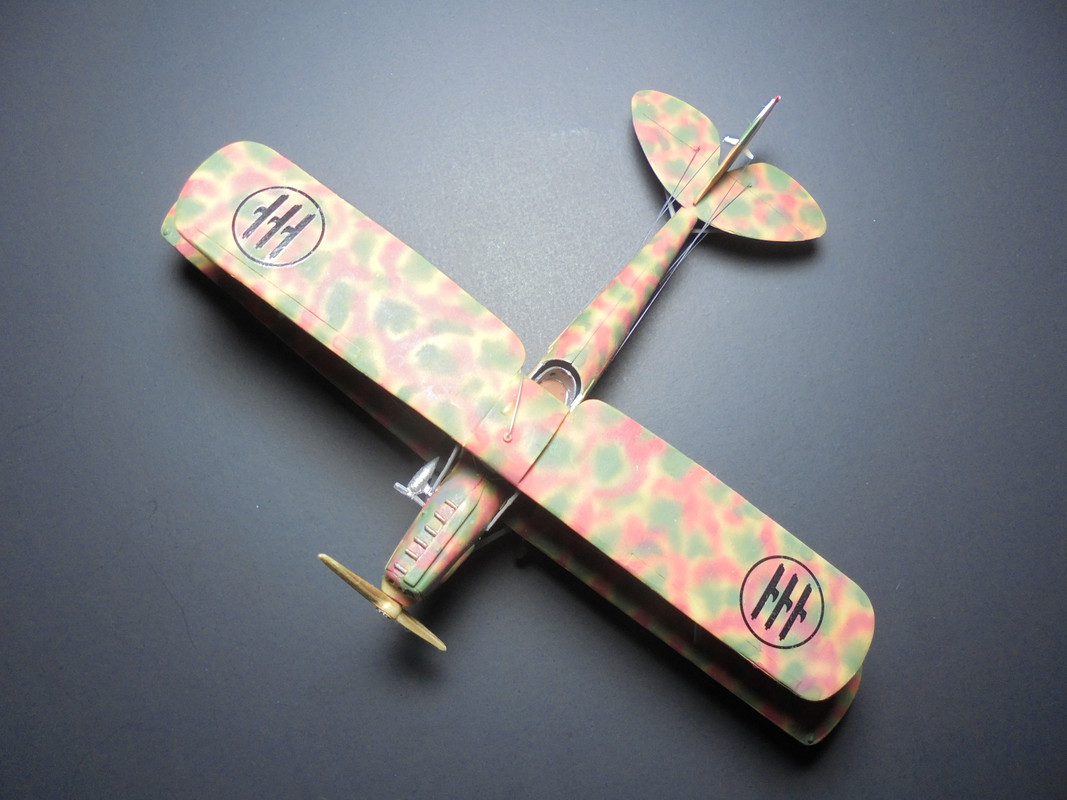
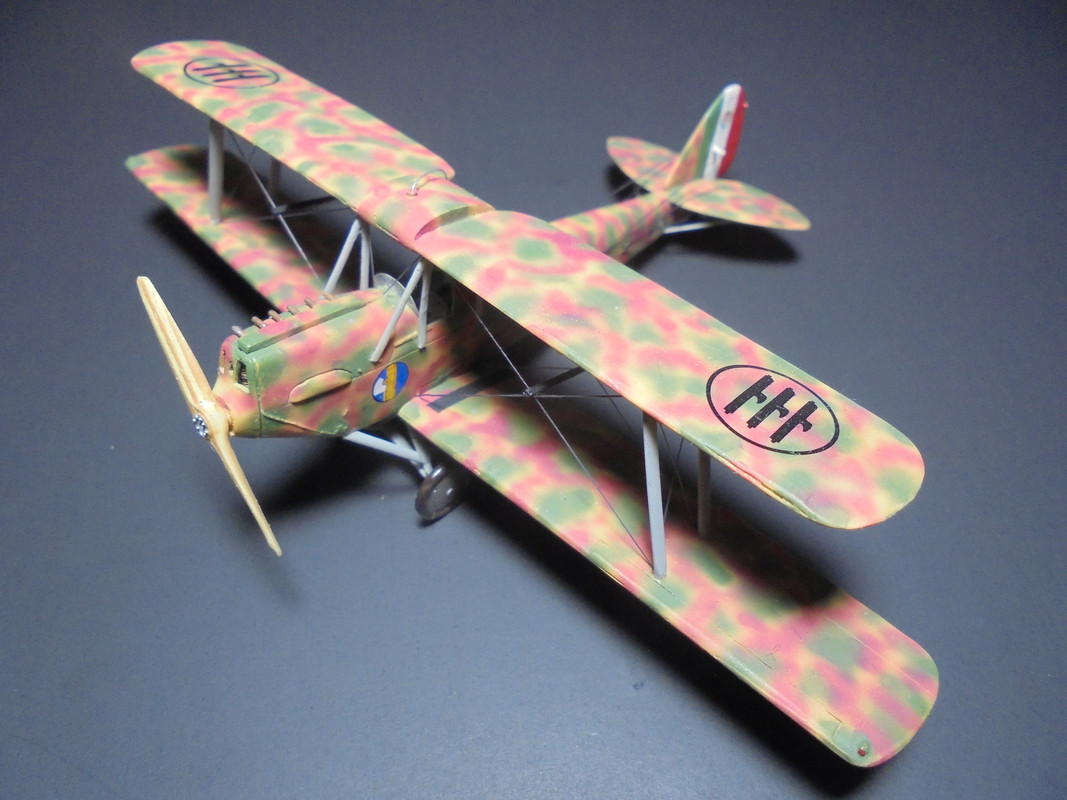
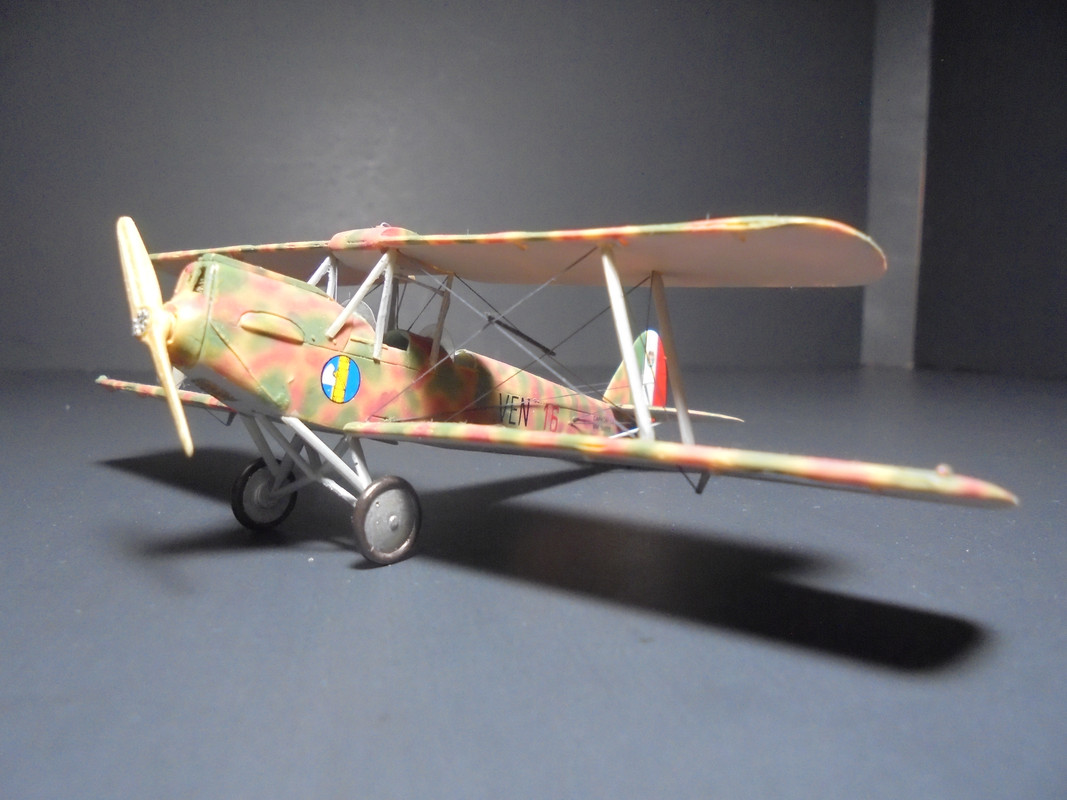
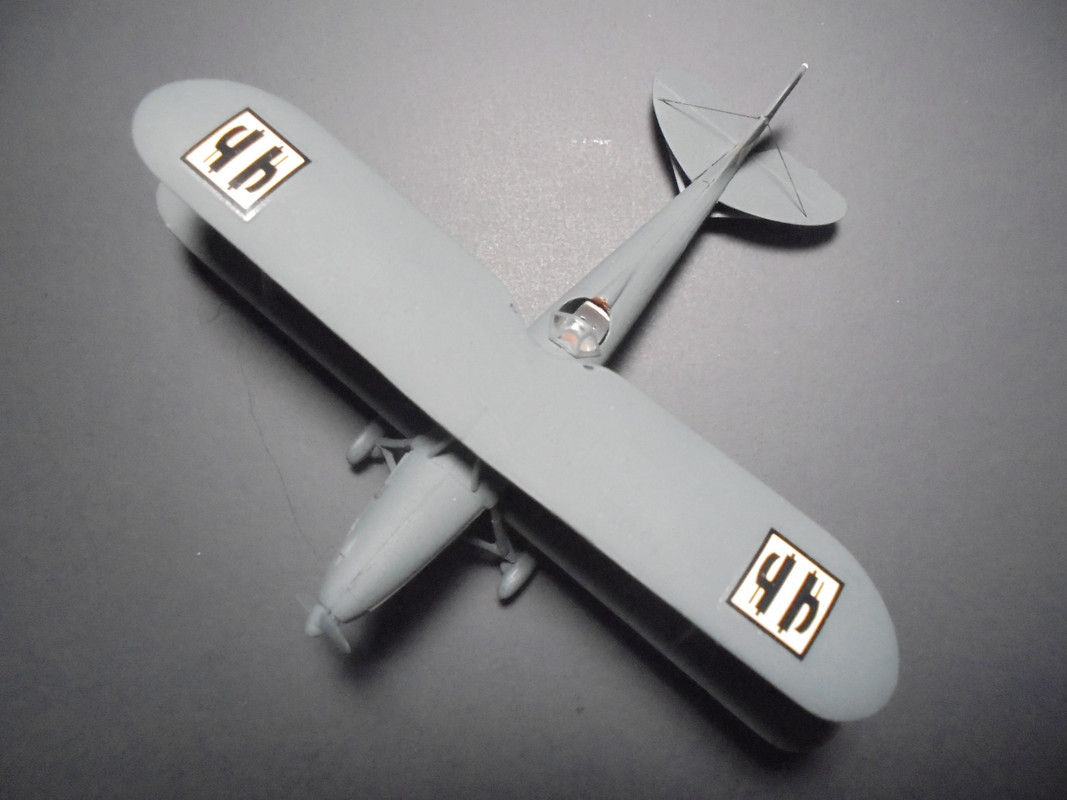
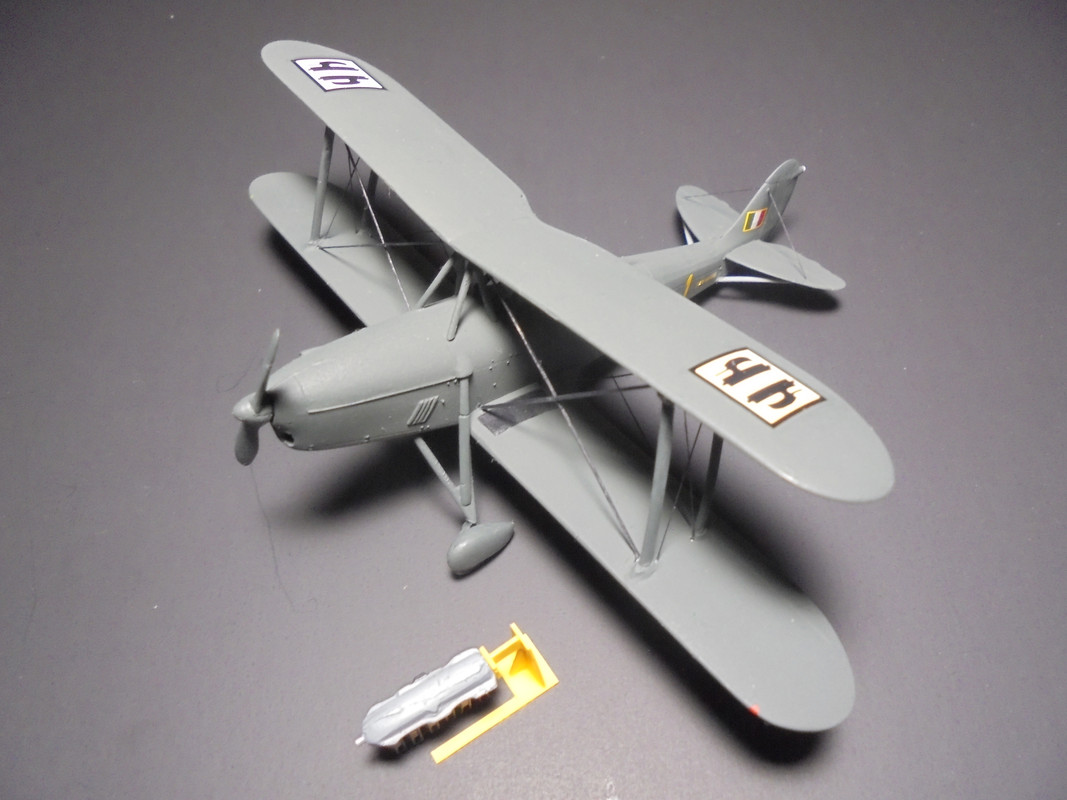
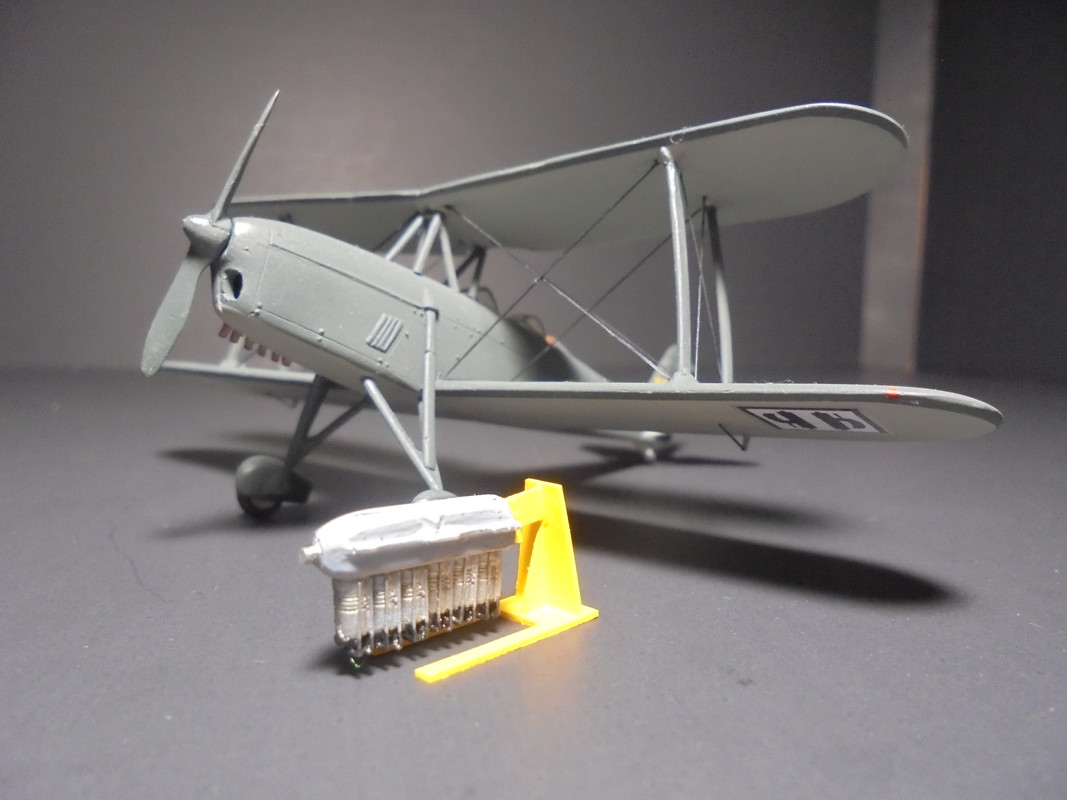
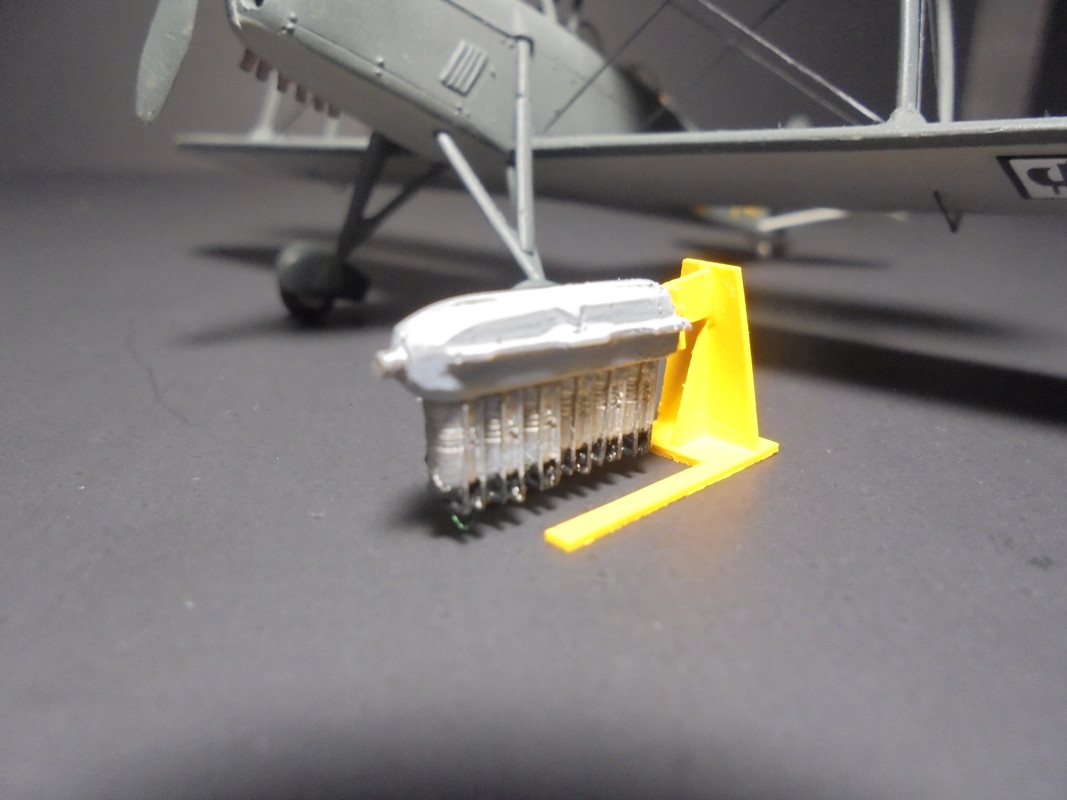
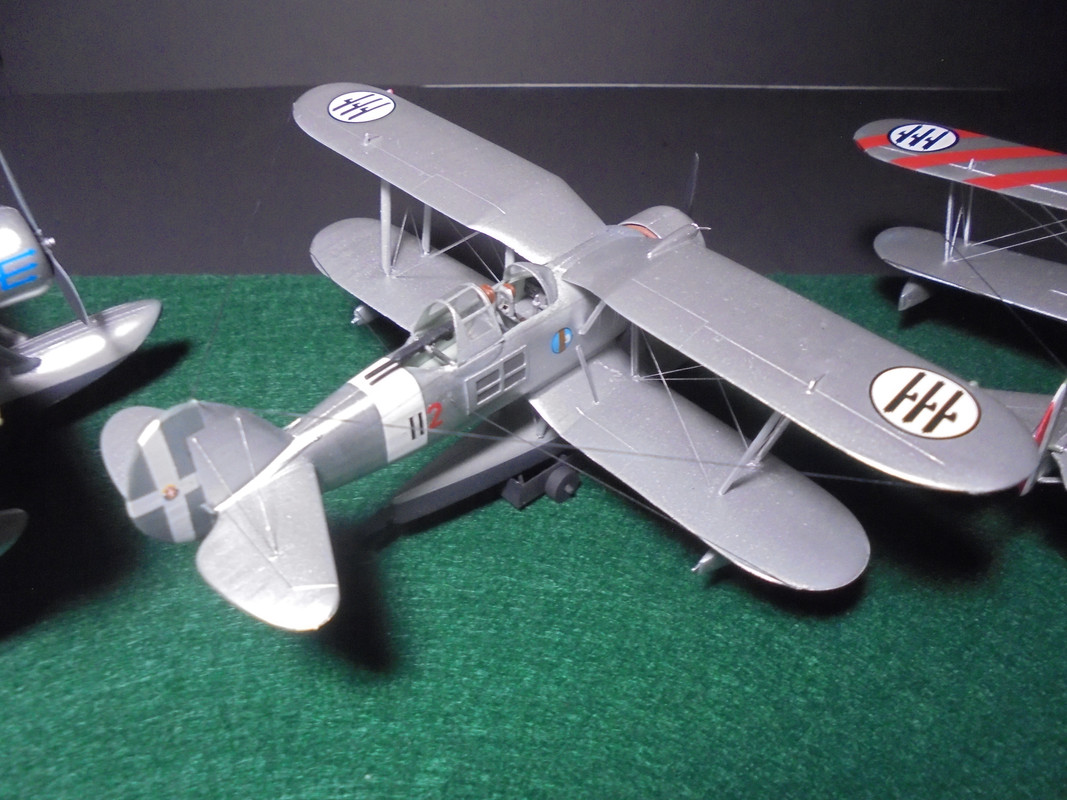
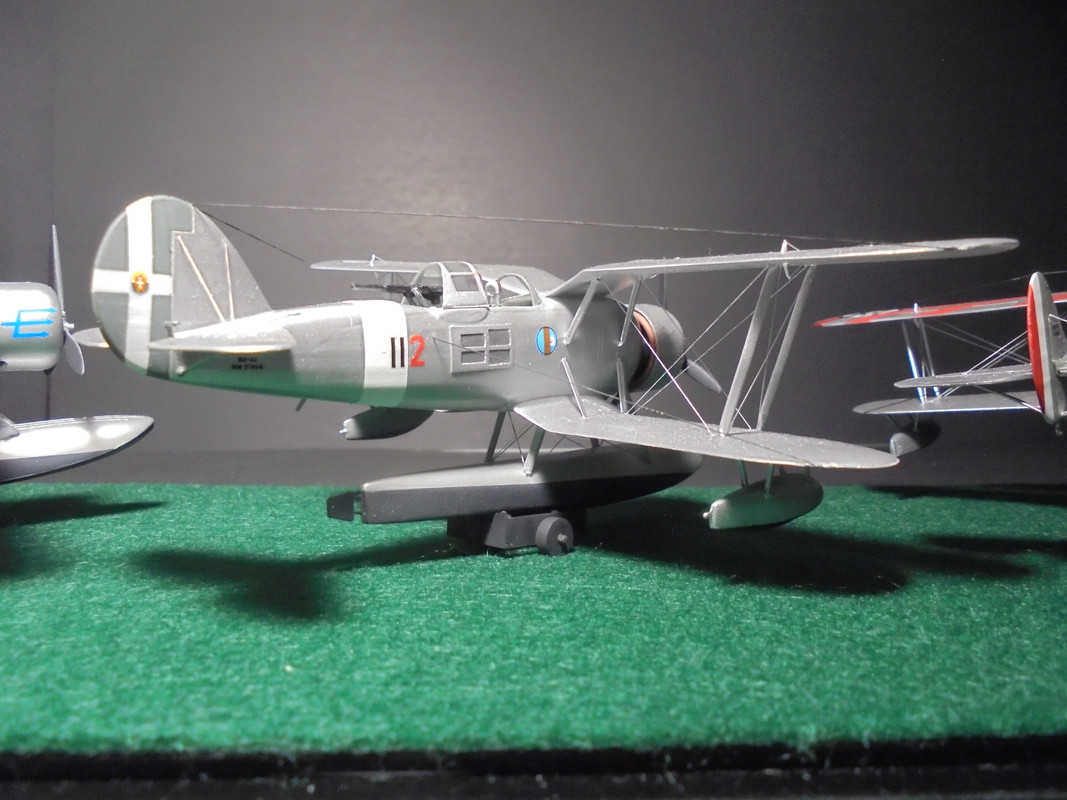
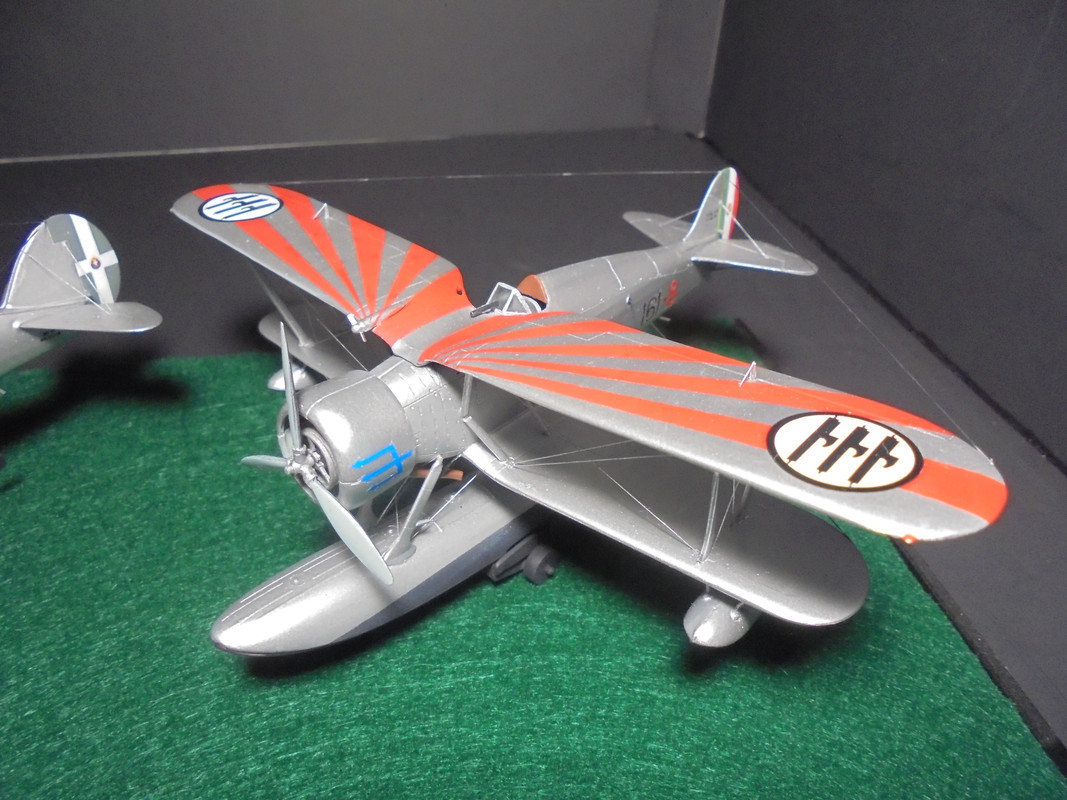
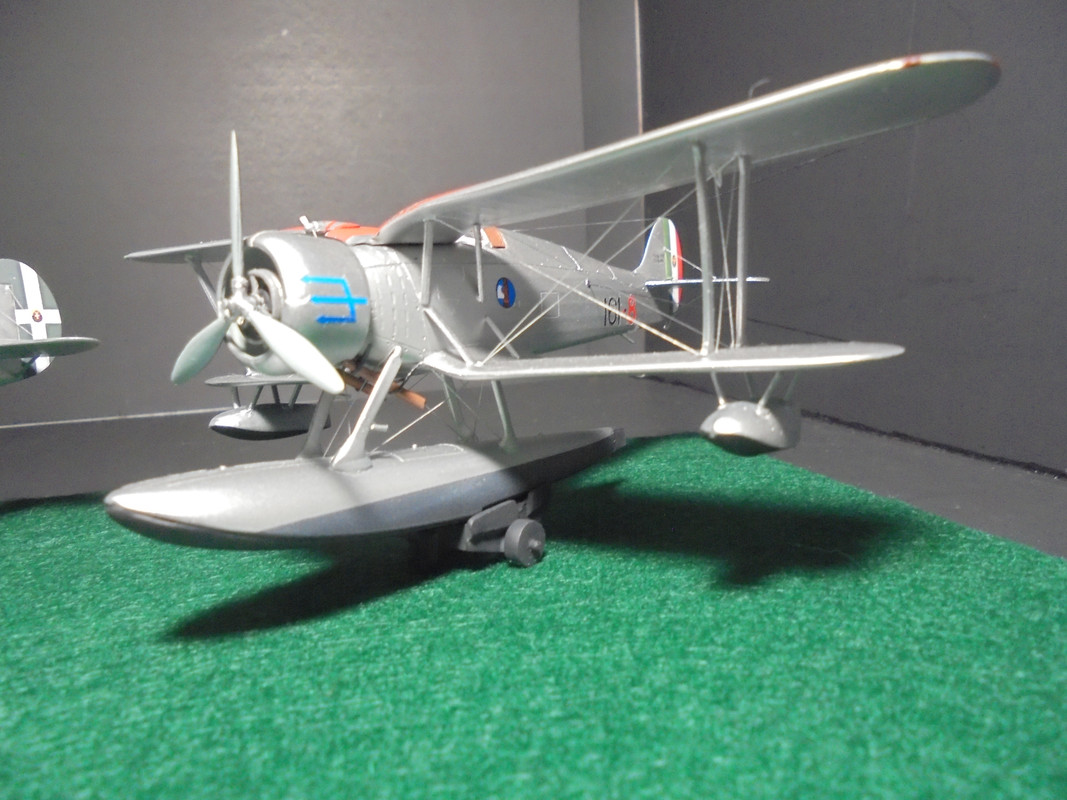
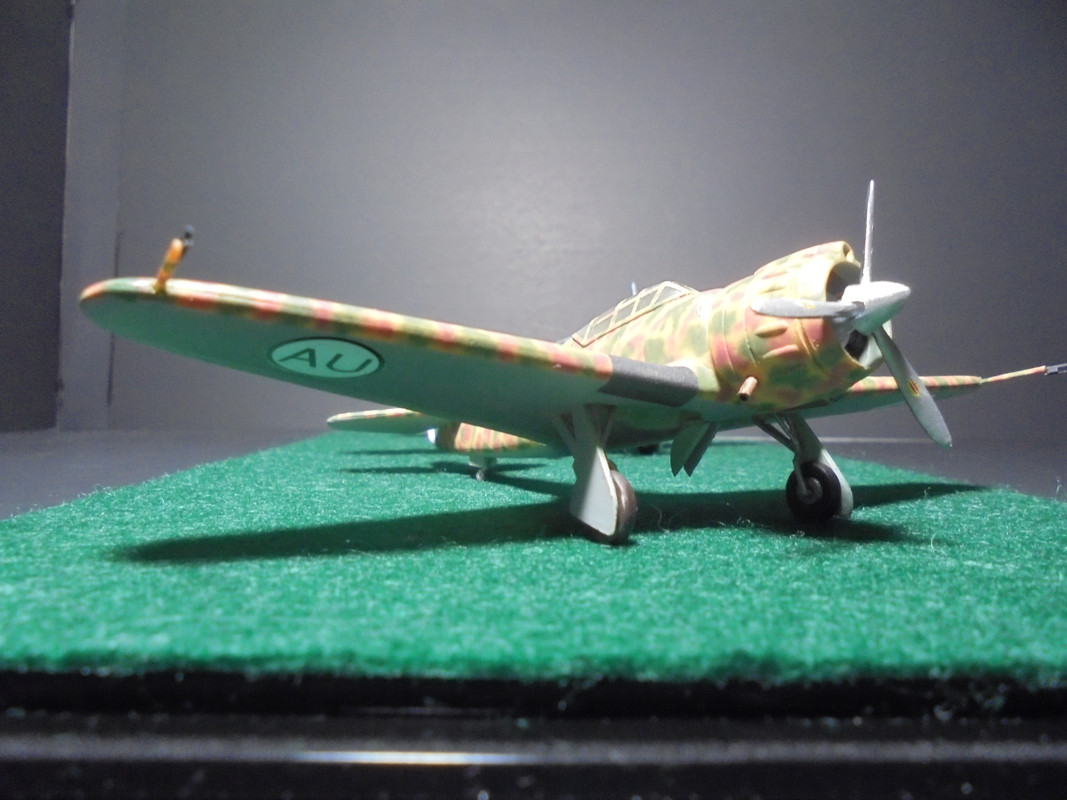
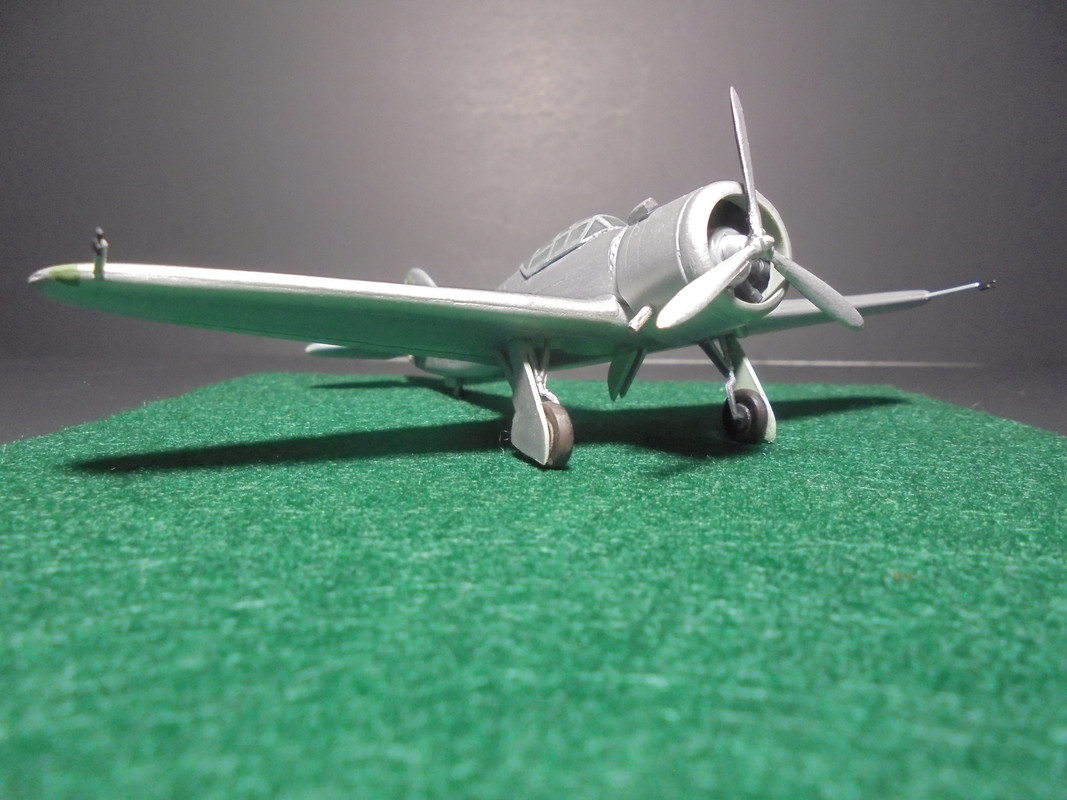
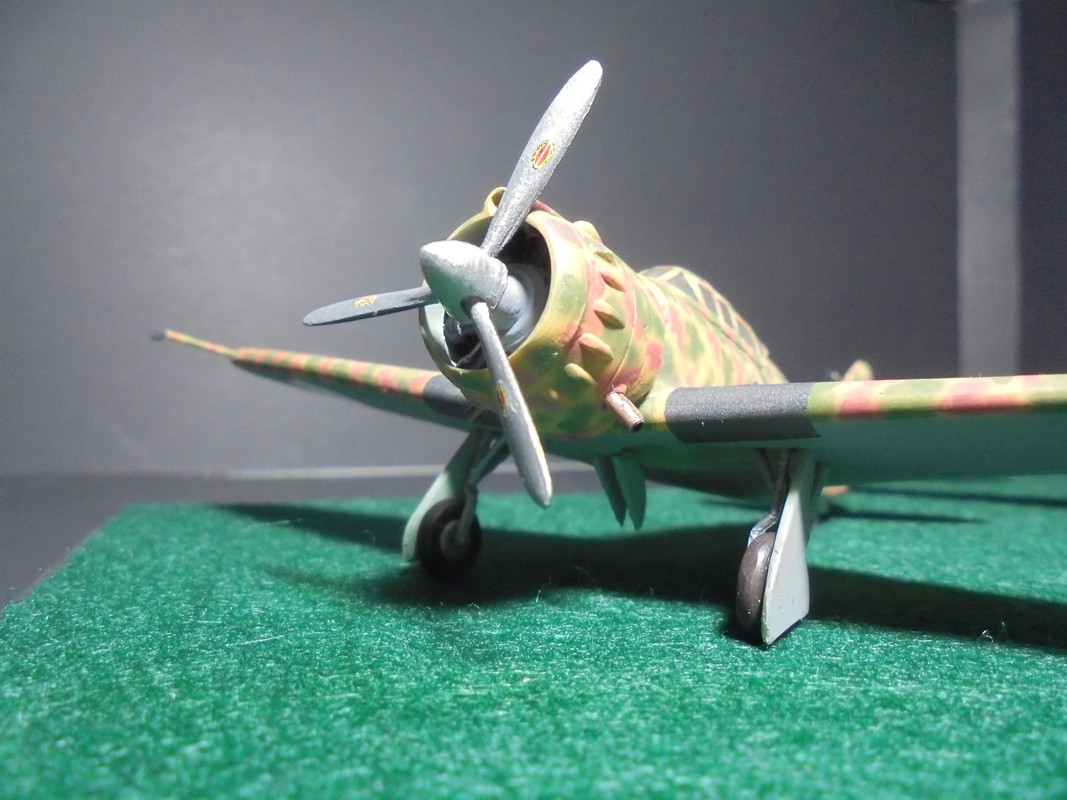
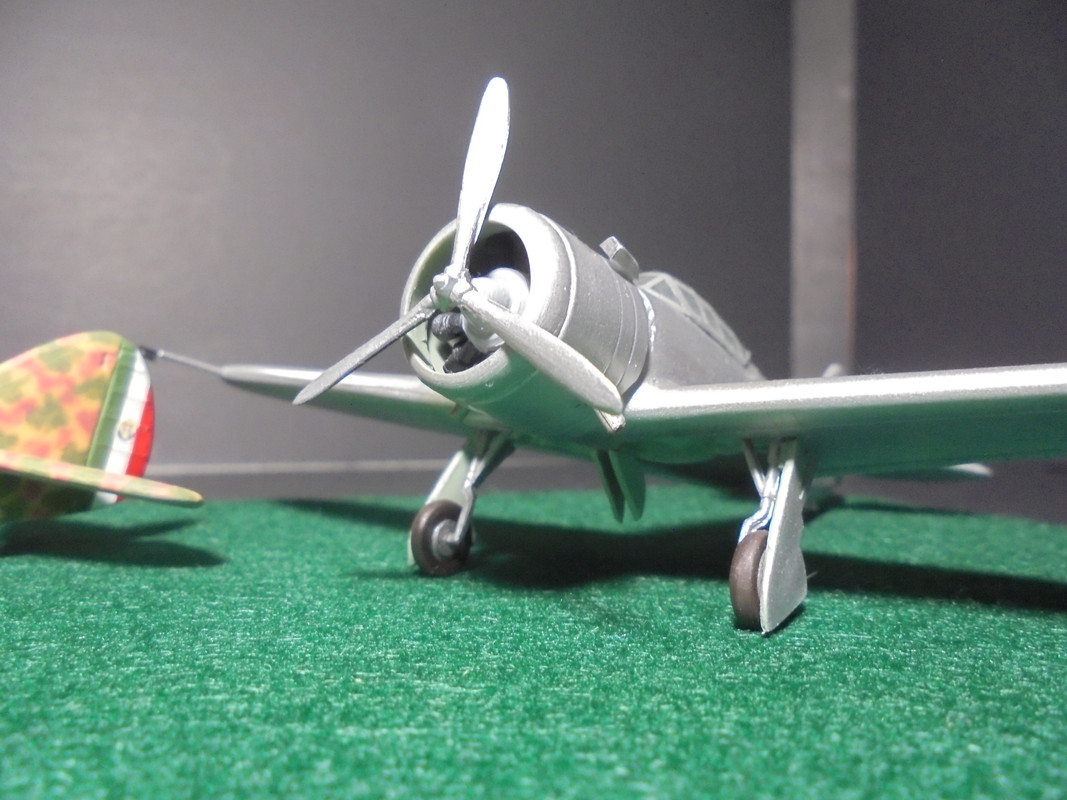
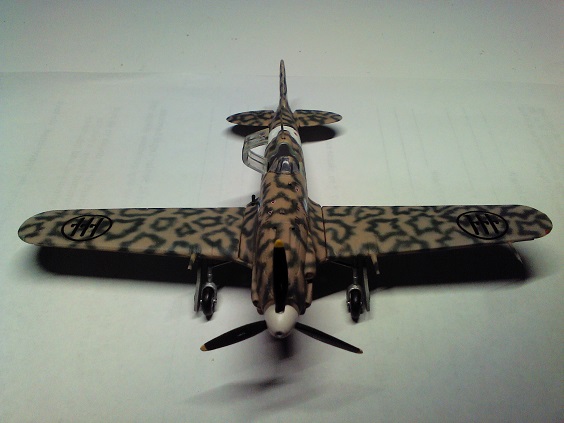
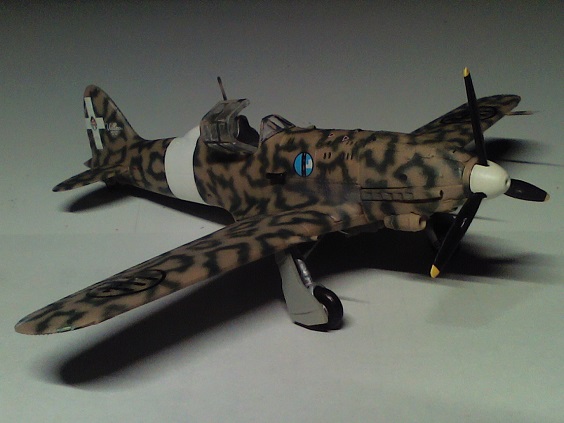
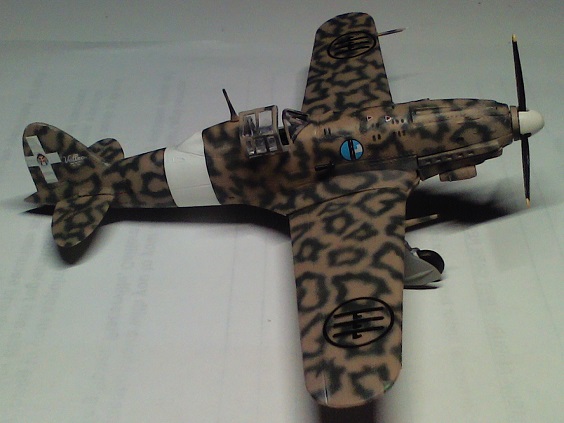
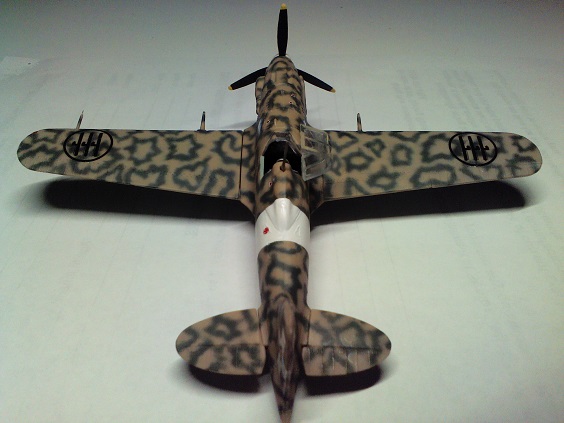
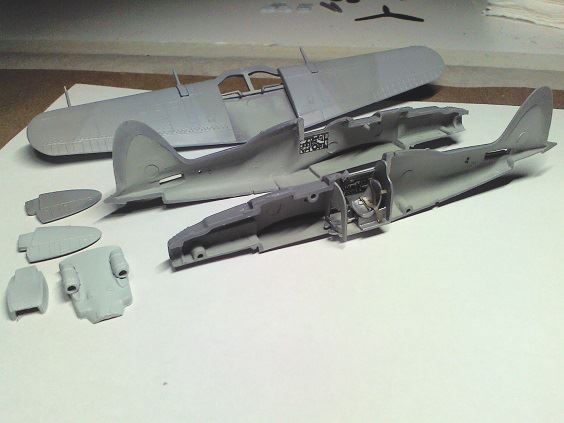
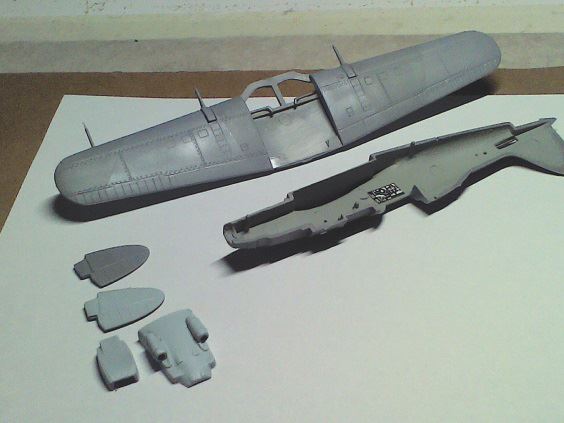
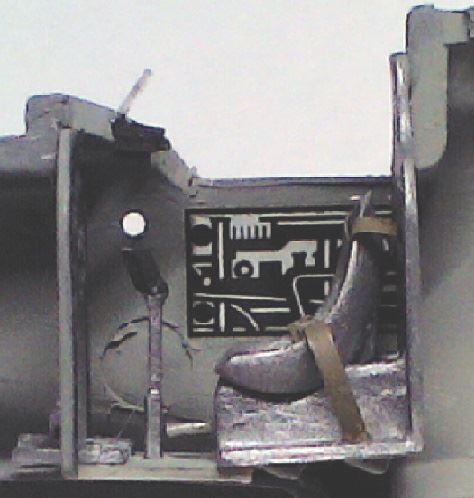
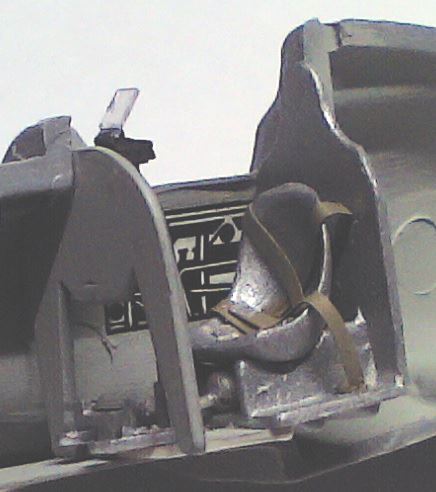
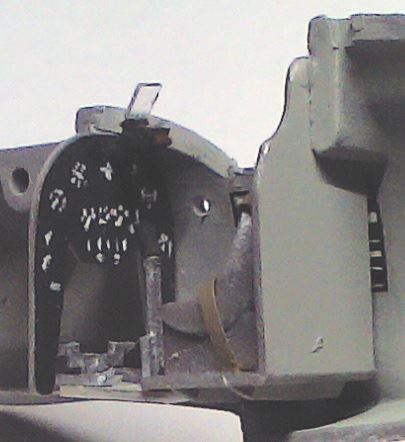
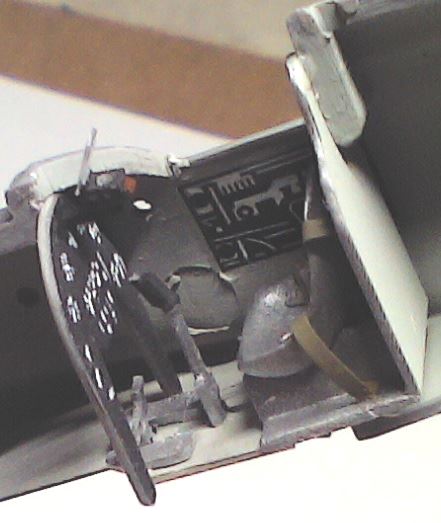
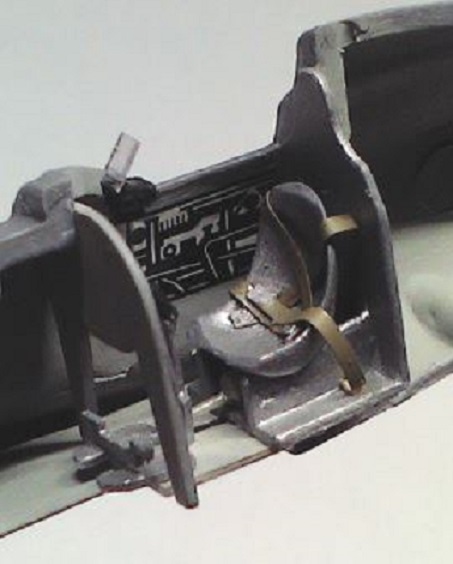
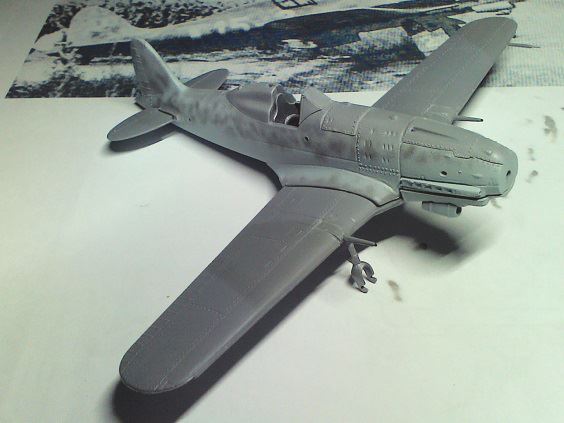
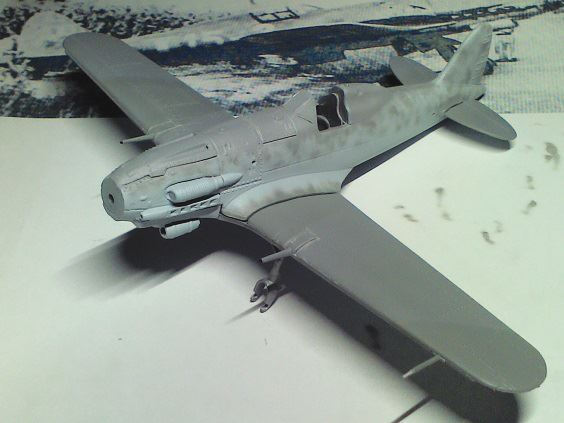
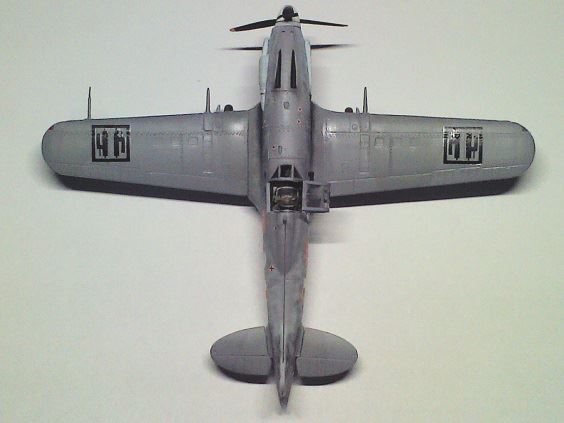
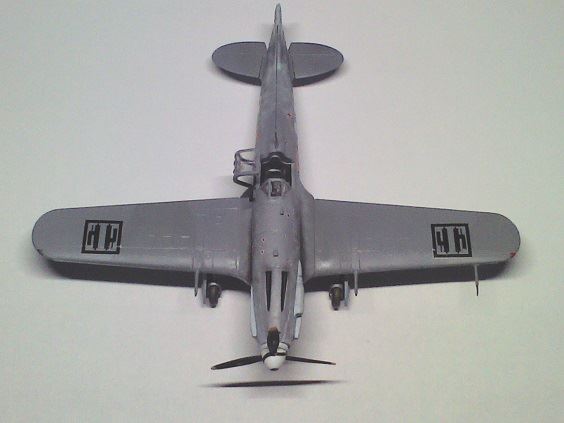
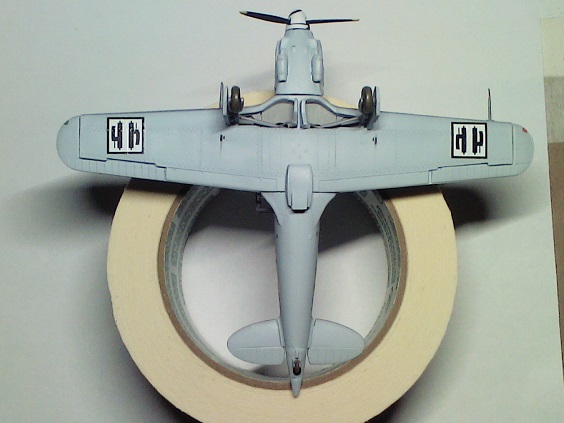
1/72nd Scale Azur Breda Ba.65 Kit No.A002

Post by RetiredInKalifornia » Wed Jun 26, 2024 3:34 pm

Modified Build Utilizing Rear Gunner Station Kit Parts
Second build attempt c.2014, fuselage parts rear gunner faring areas cracked beyond repair whilst cutting them out on first.
Kit squadrigia decals didn't match those advertised on box top :? :wtf:

Photos Taken ‎June ‎13, ‎2021:

Image

Image

Image

Image

User avatar
RetiredInKalifornia
Generale di Divisone Aerea
Posts: 568
Joined: Fri Jun 14, 2019 6:34 pm

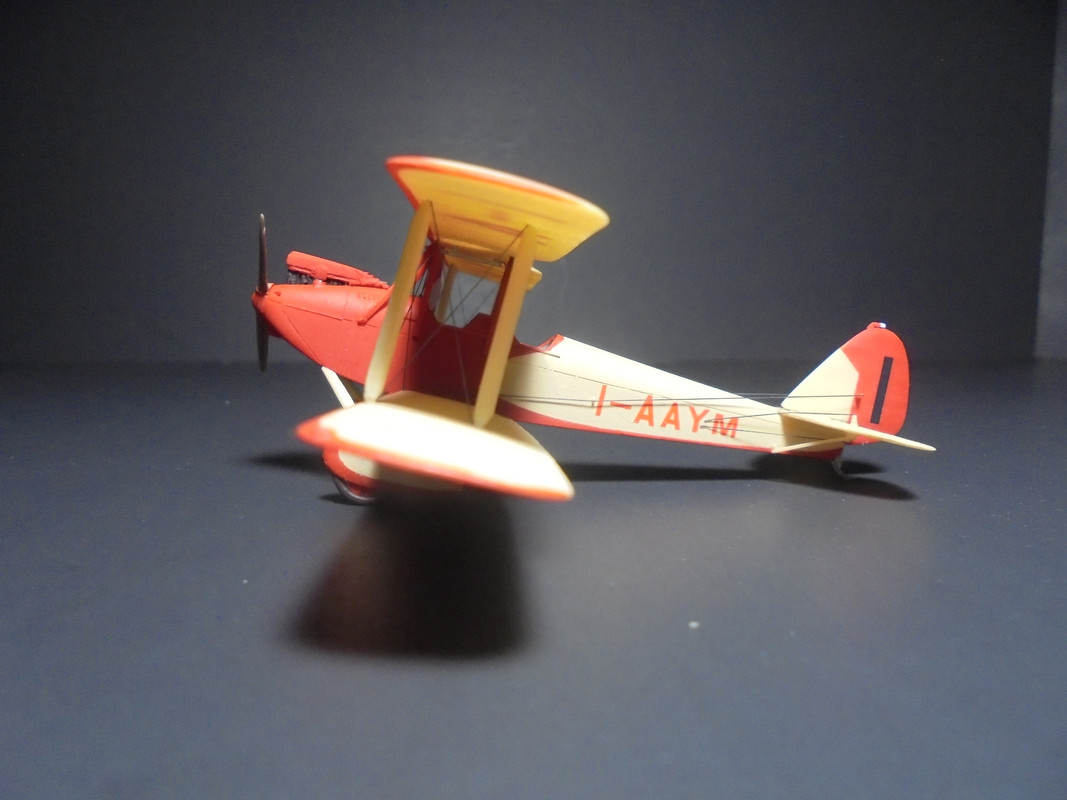
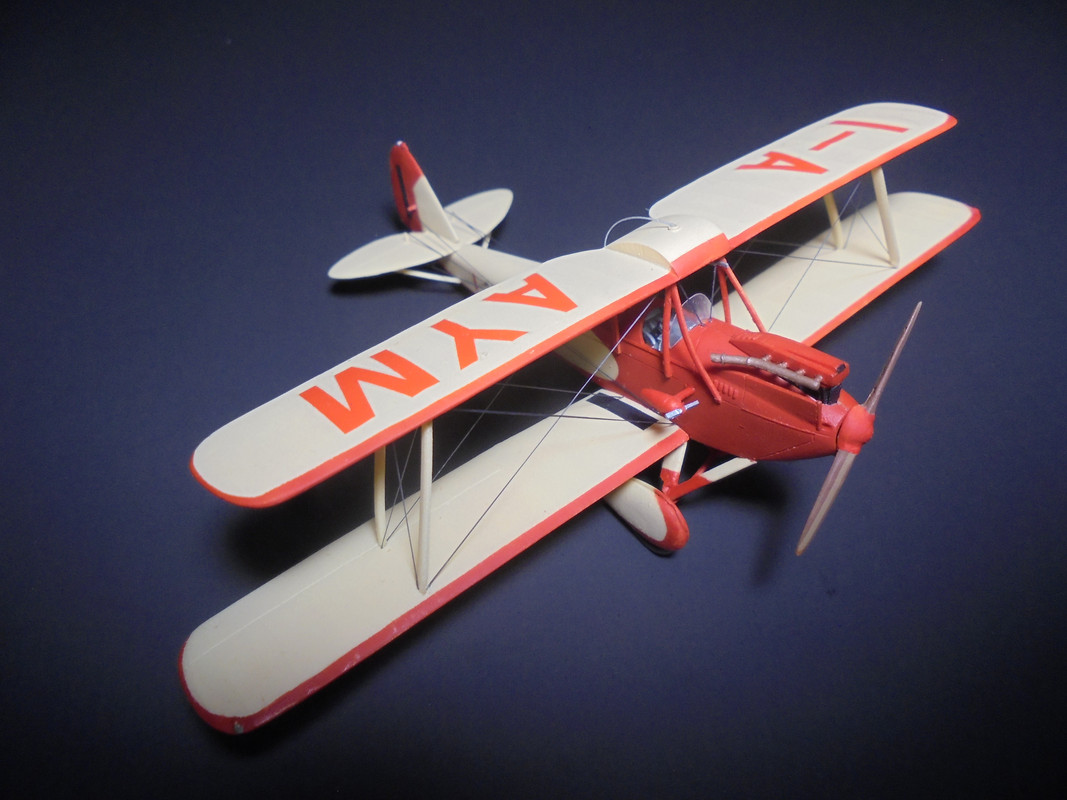
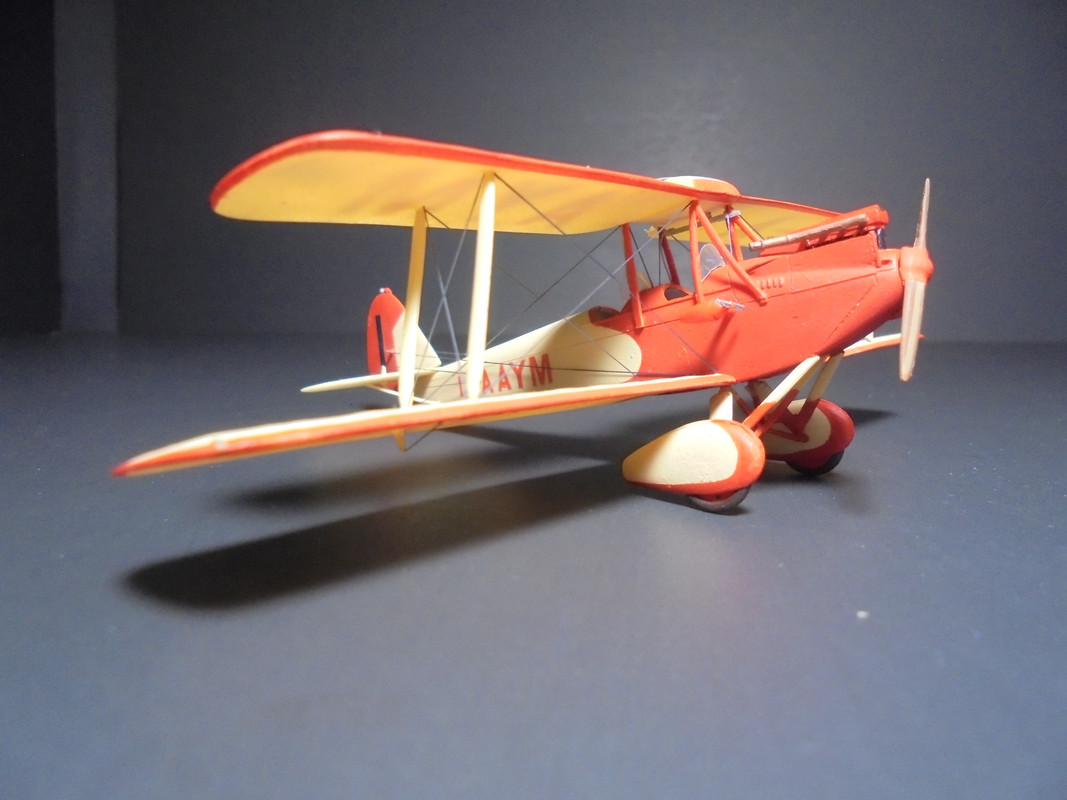
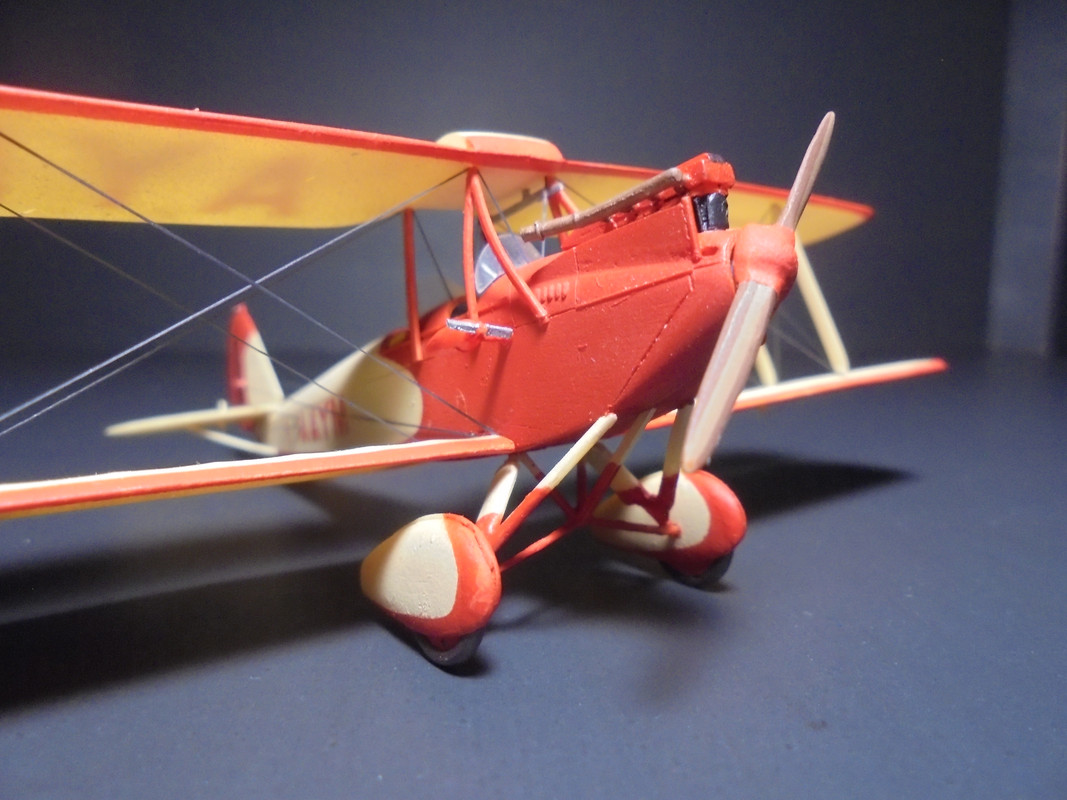
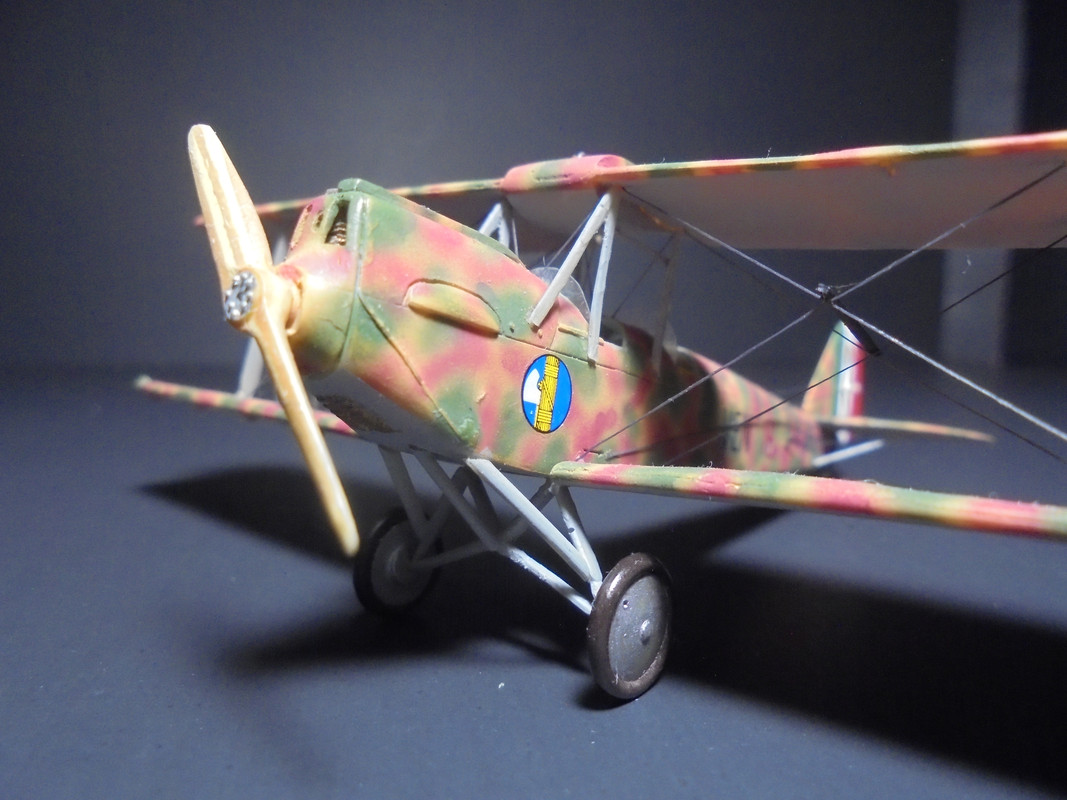
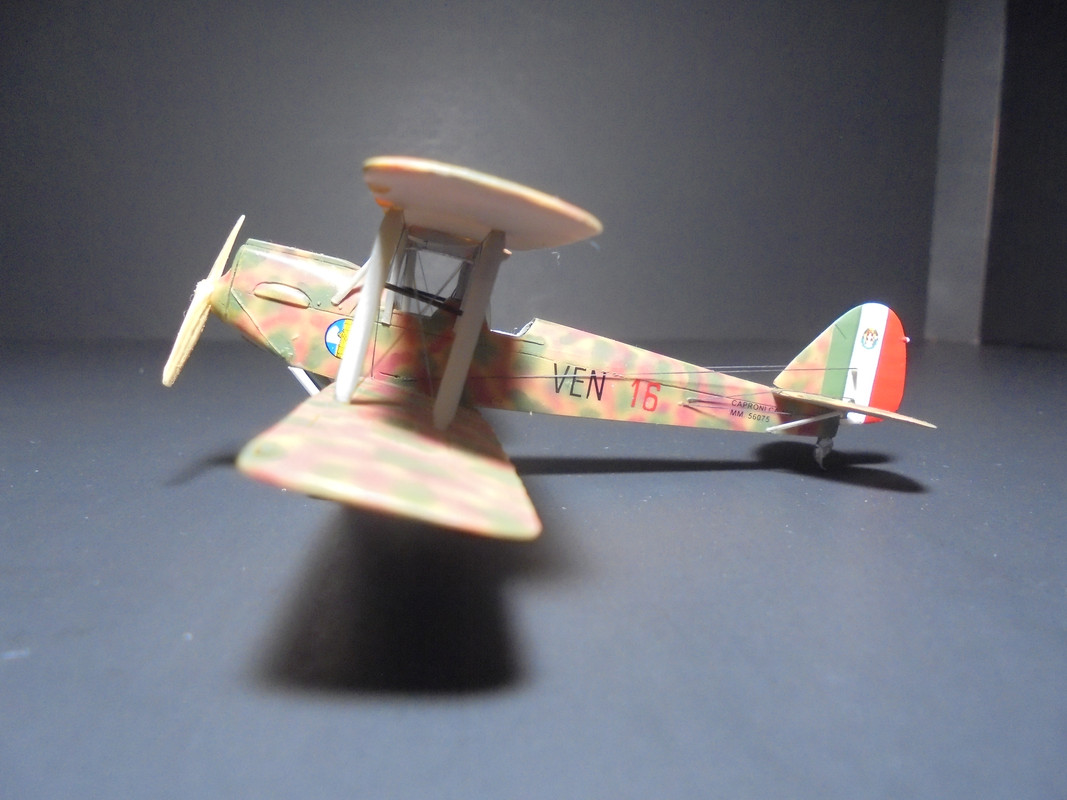
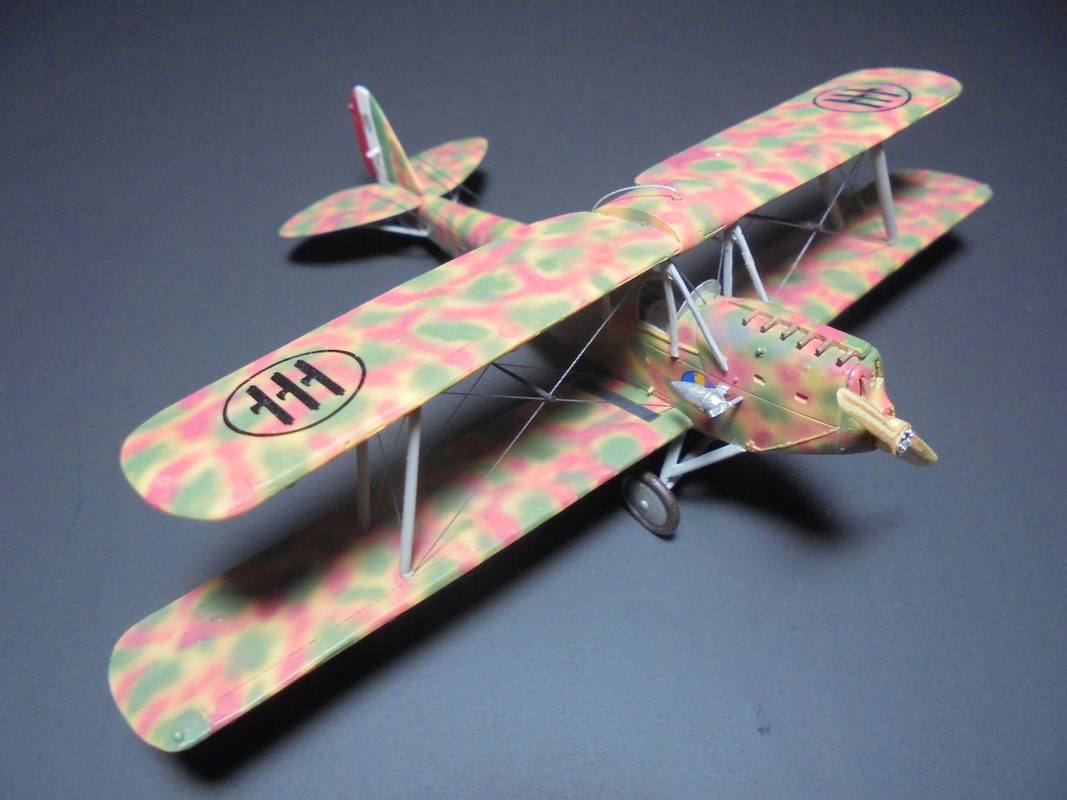
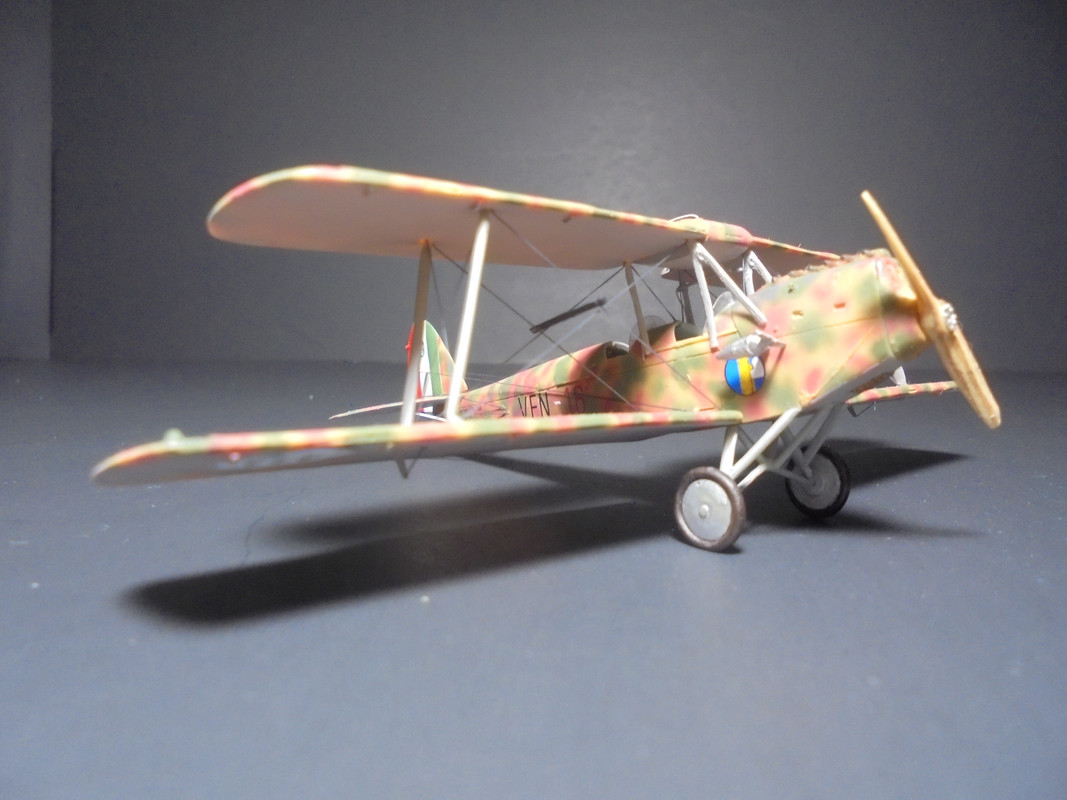
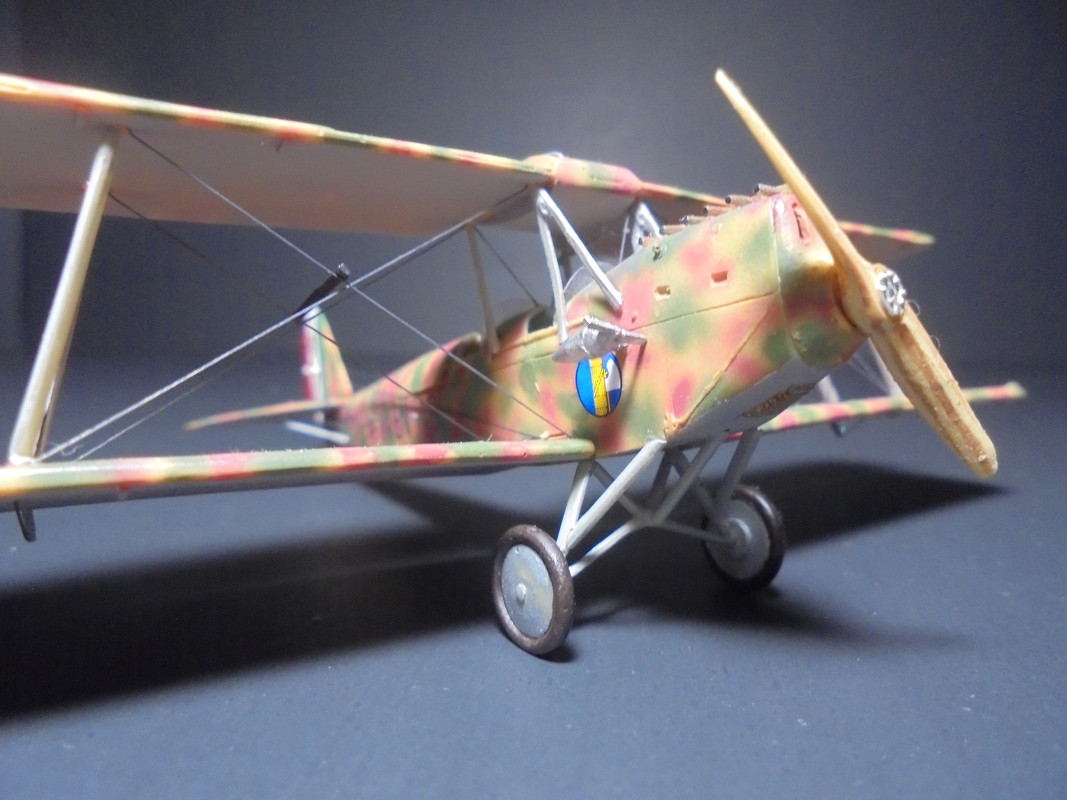
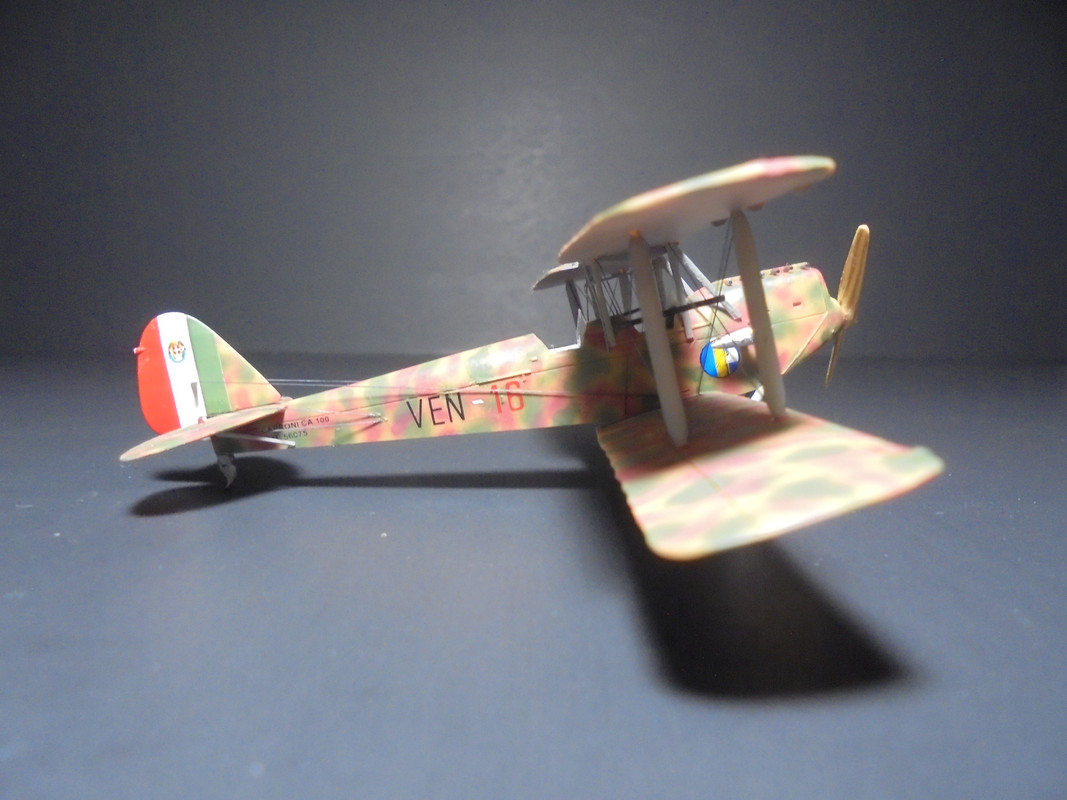
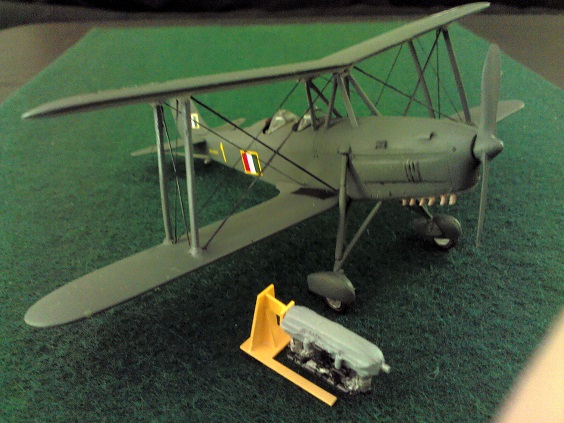
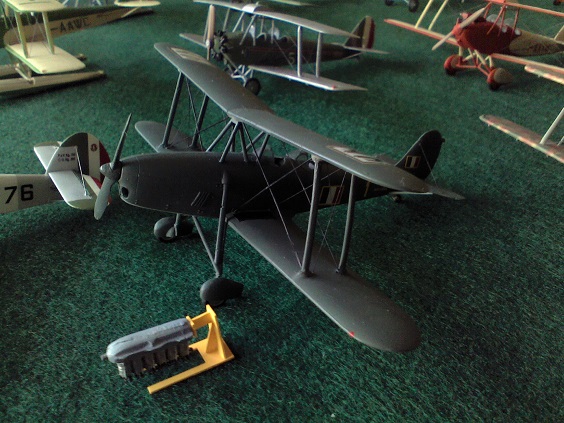
1/72nd Scale Choroszy Modelbud Caproni Ca.100 Kit No.A171

Post by RetiredInKalifornia » Thu Jun 27, 2024 12:46 pm

Isotta Fraschini Asso 100R 6-Cylinder Air-Cooled Upright Inline Engine

Photo Taken August 11, 2027:

Image

Photos Taken May 29, 2021:

Image

Image

Image

Image

Image

Image

Image

Image

Image

User avatar
RetiredInKalifornia
Generale di Divisone Aerea
Posts: 568
Joined: Fri Jun 14, 2019 6:34 pm

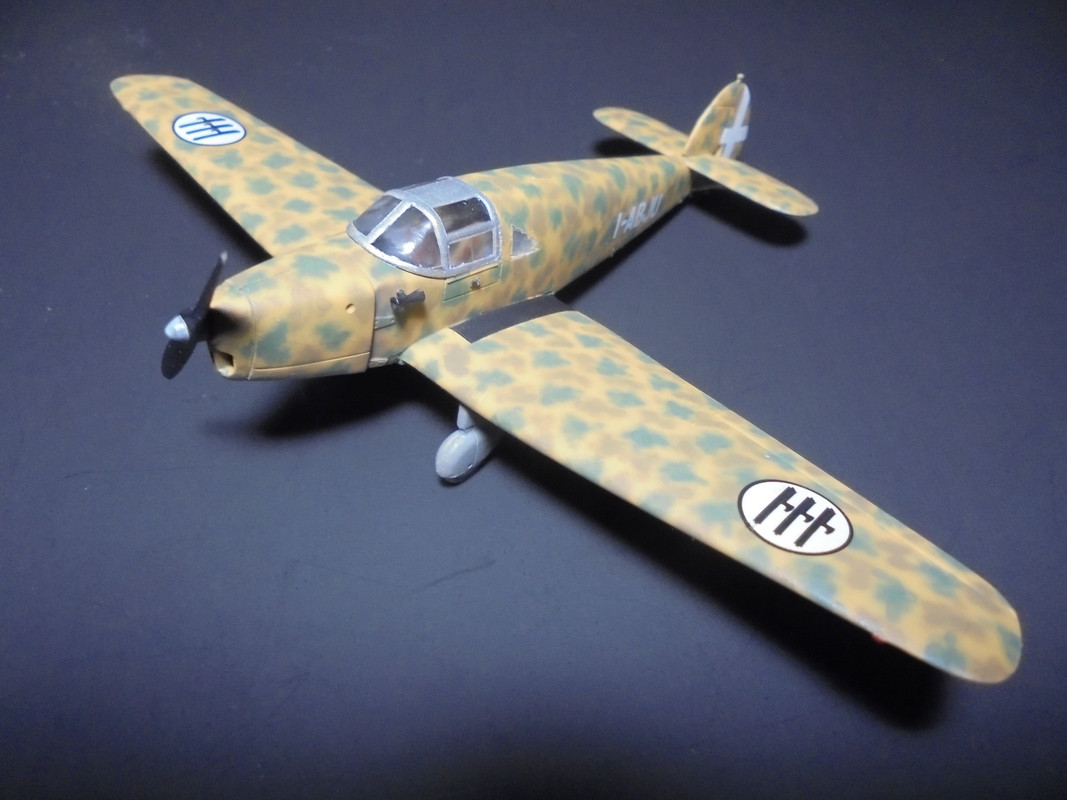
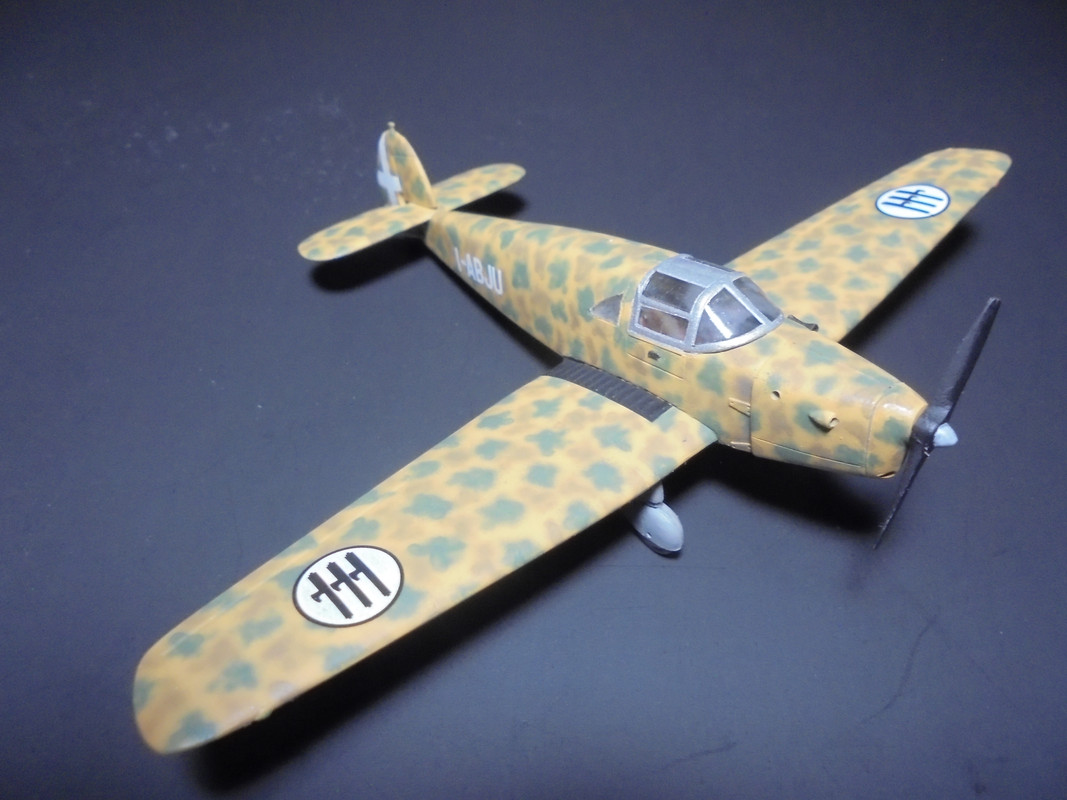
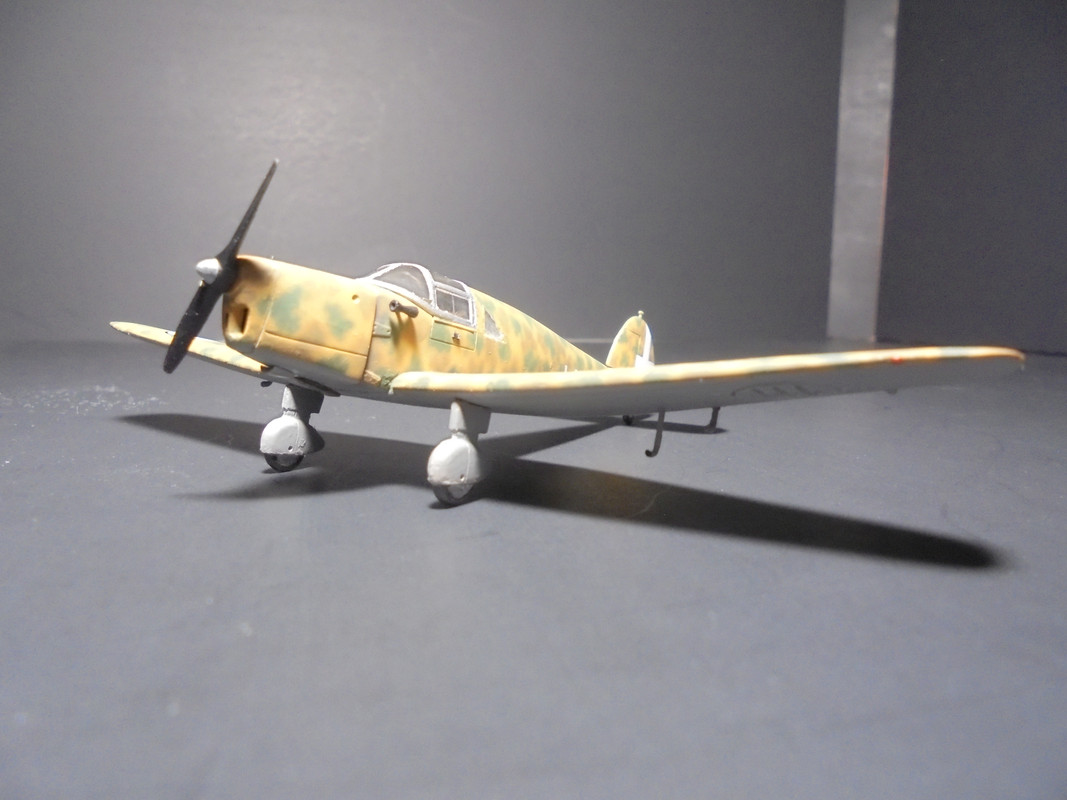
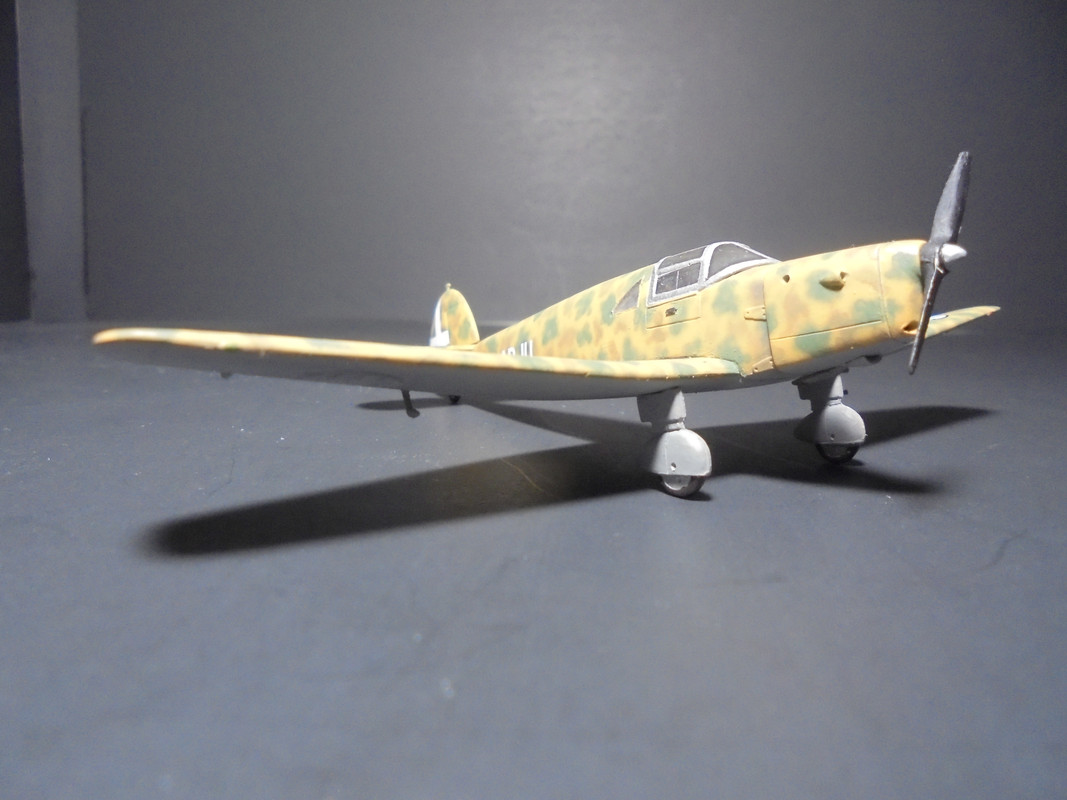
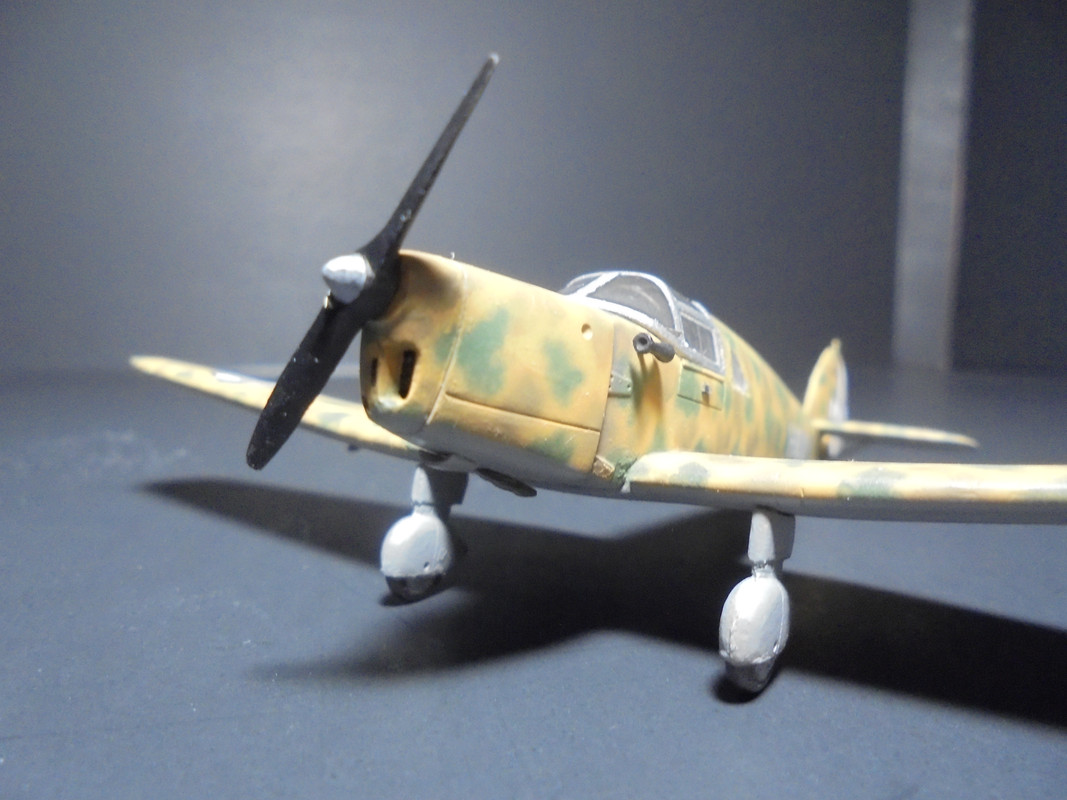
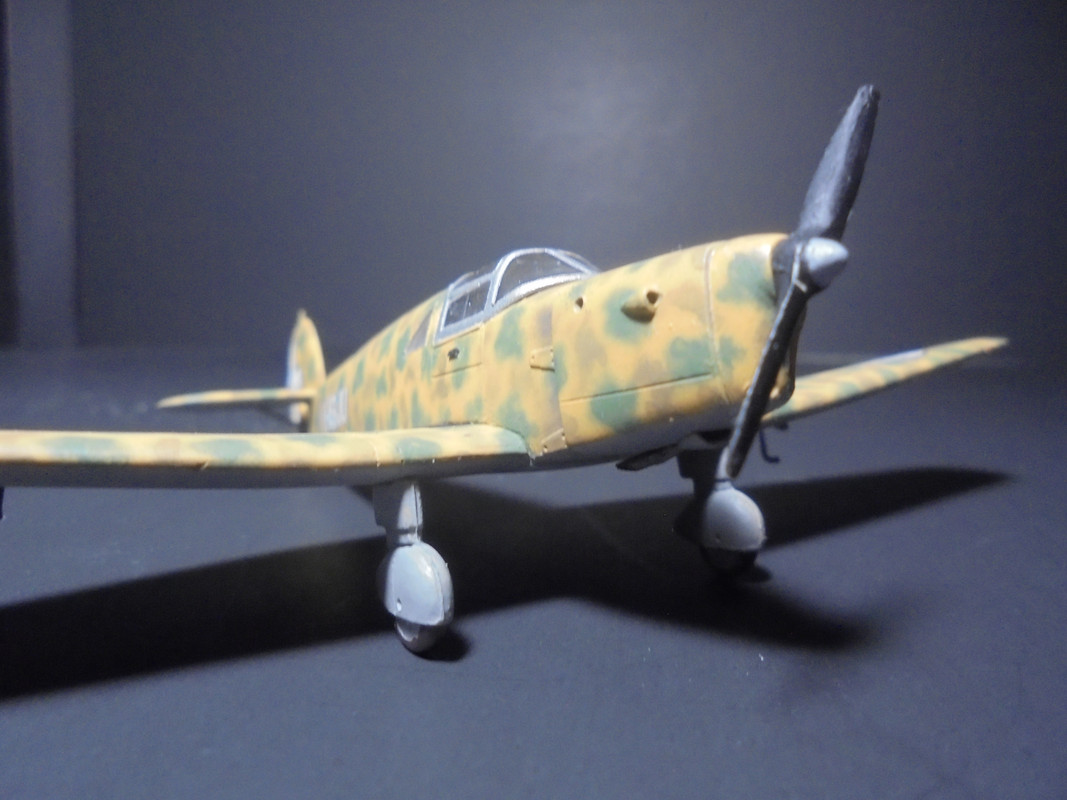
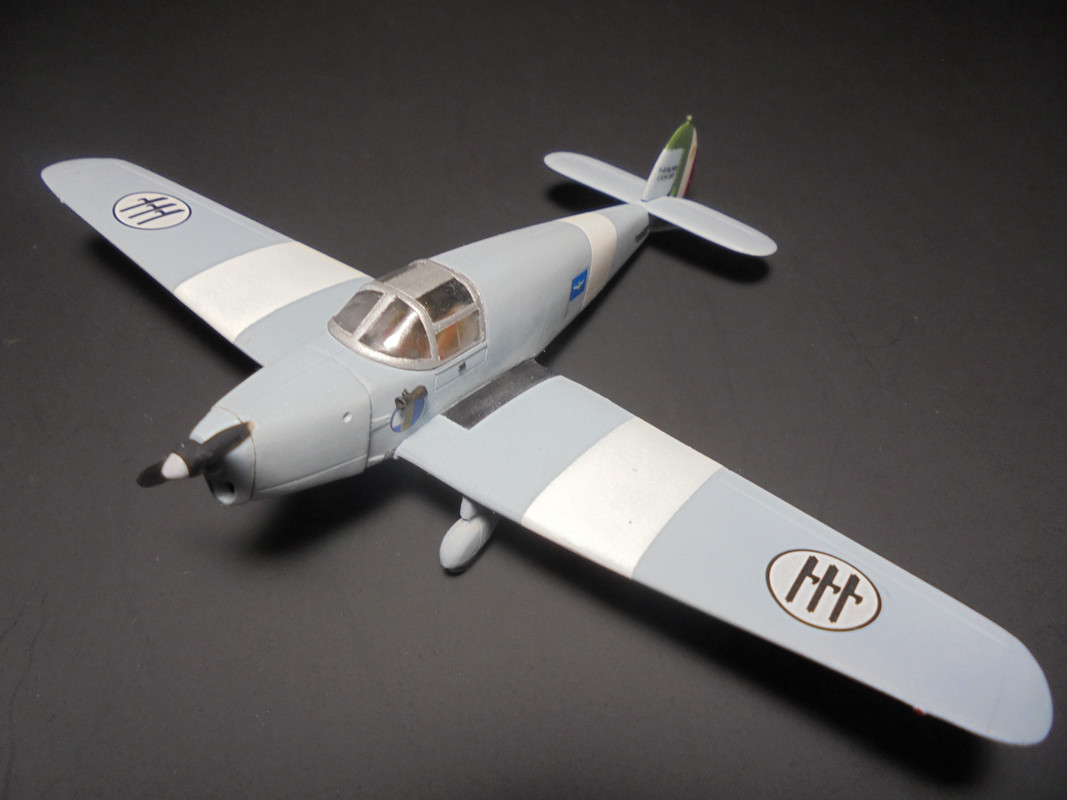
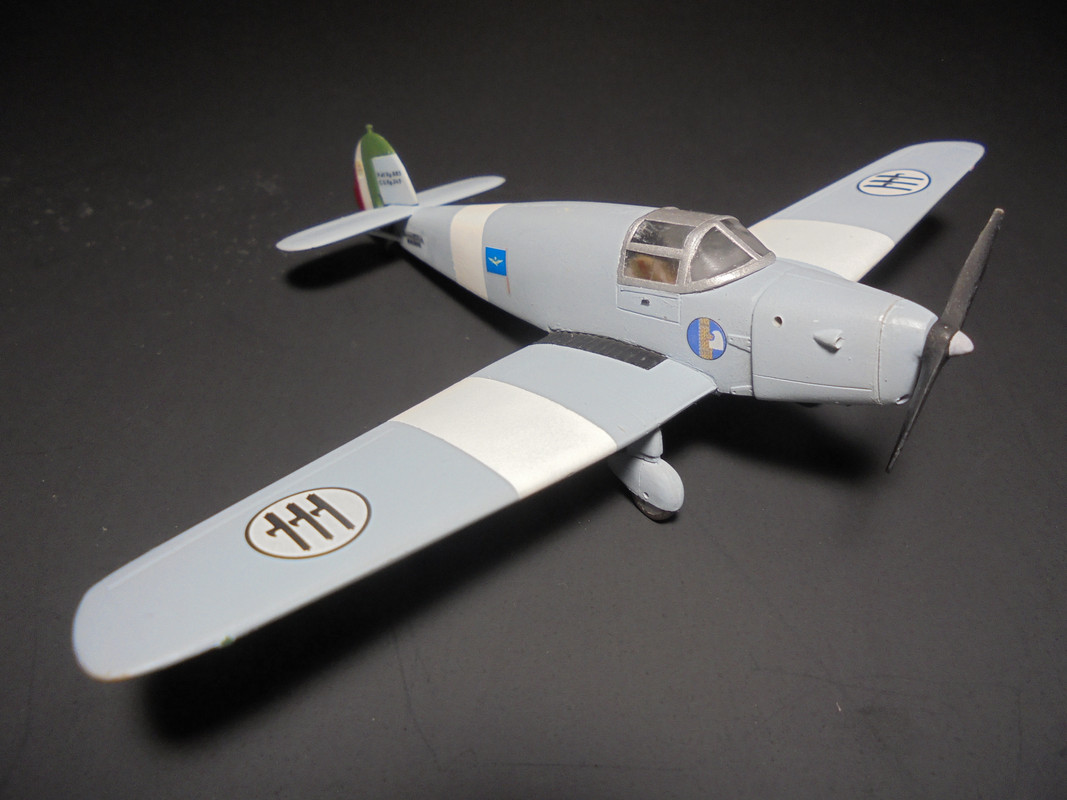
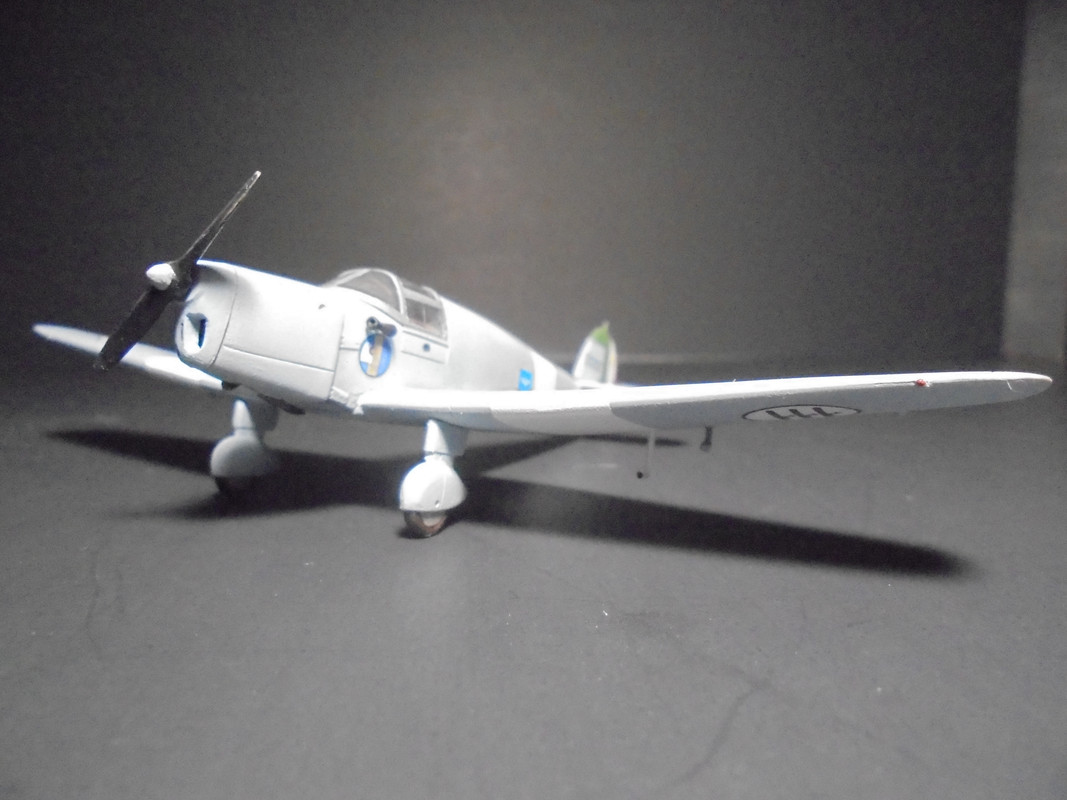
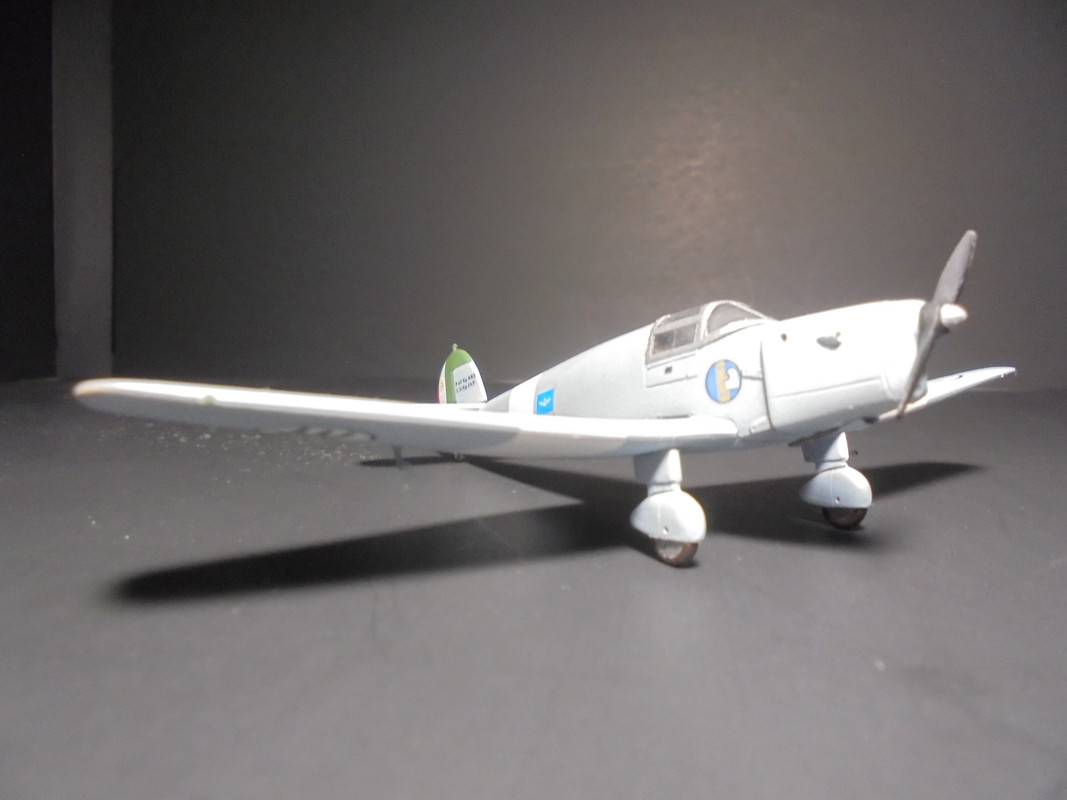
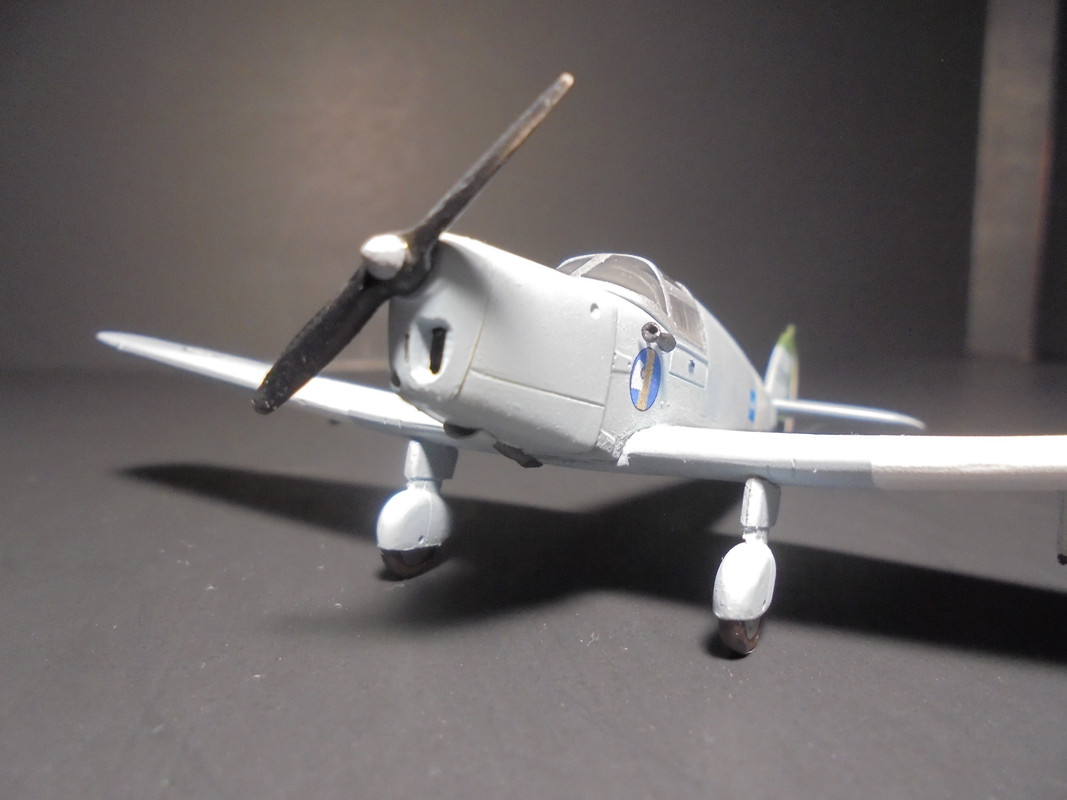
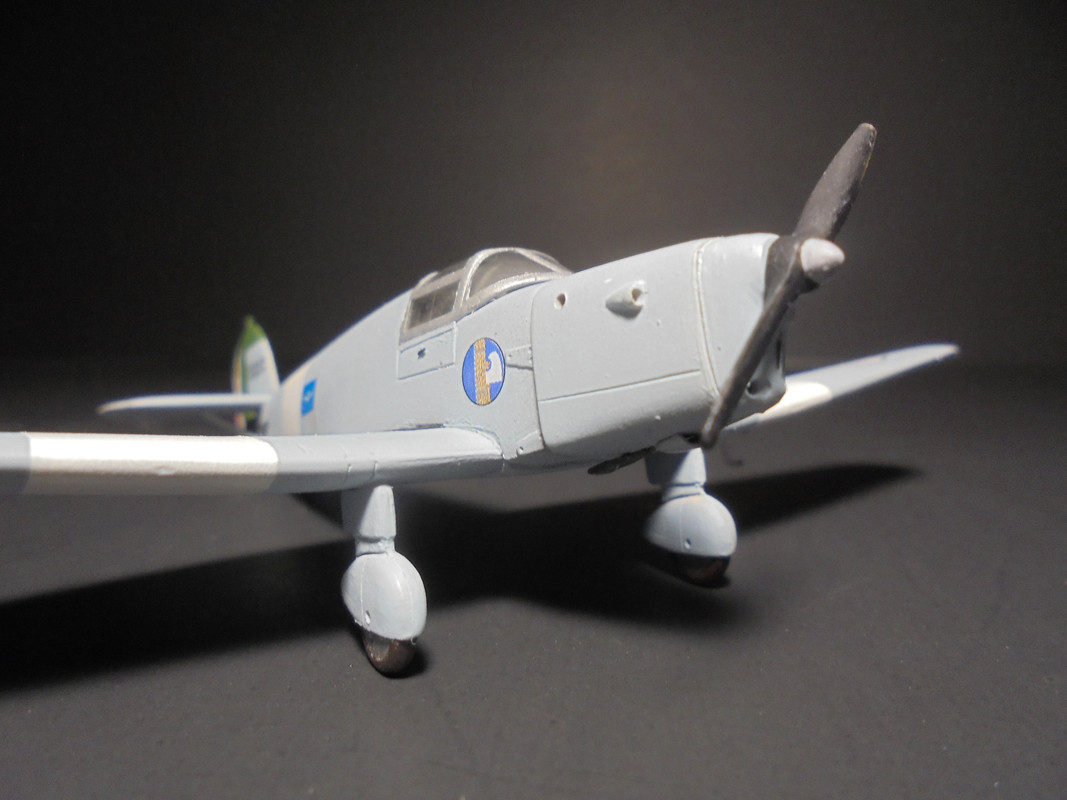
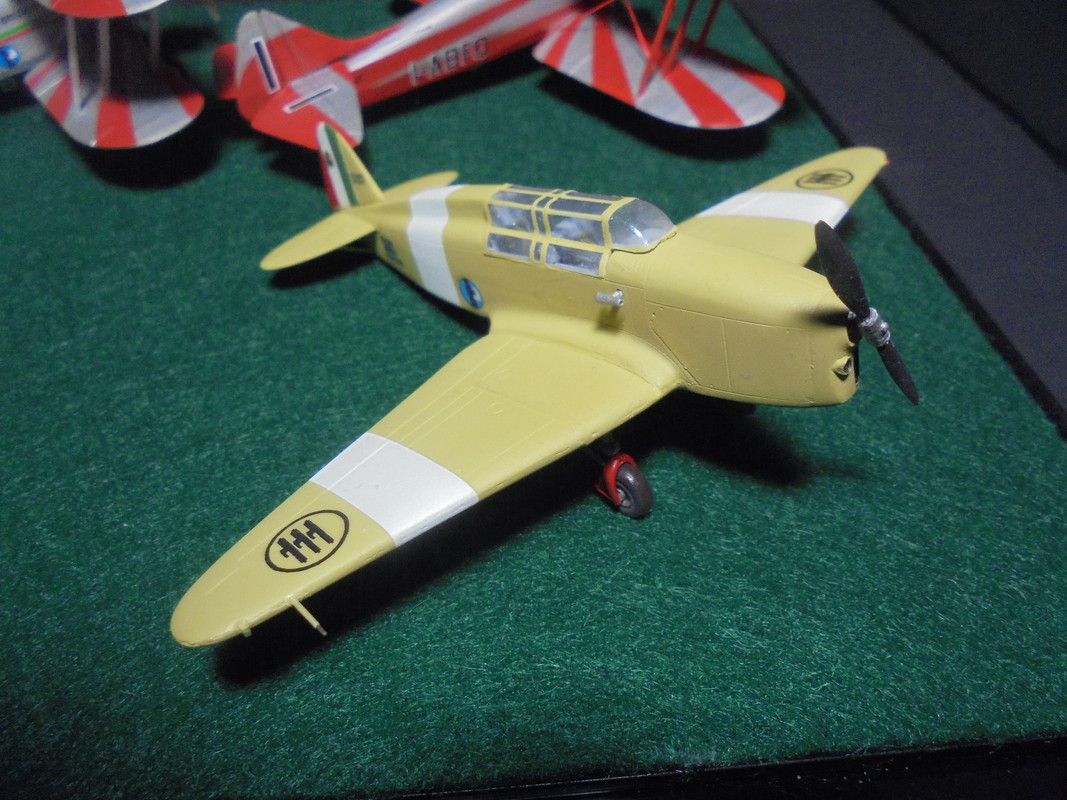
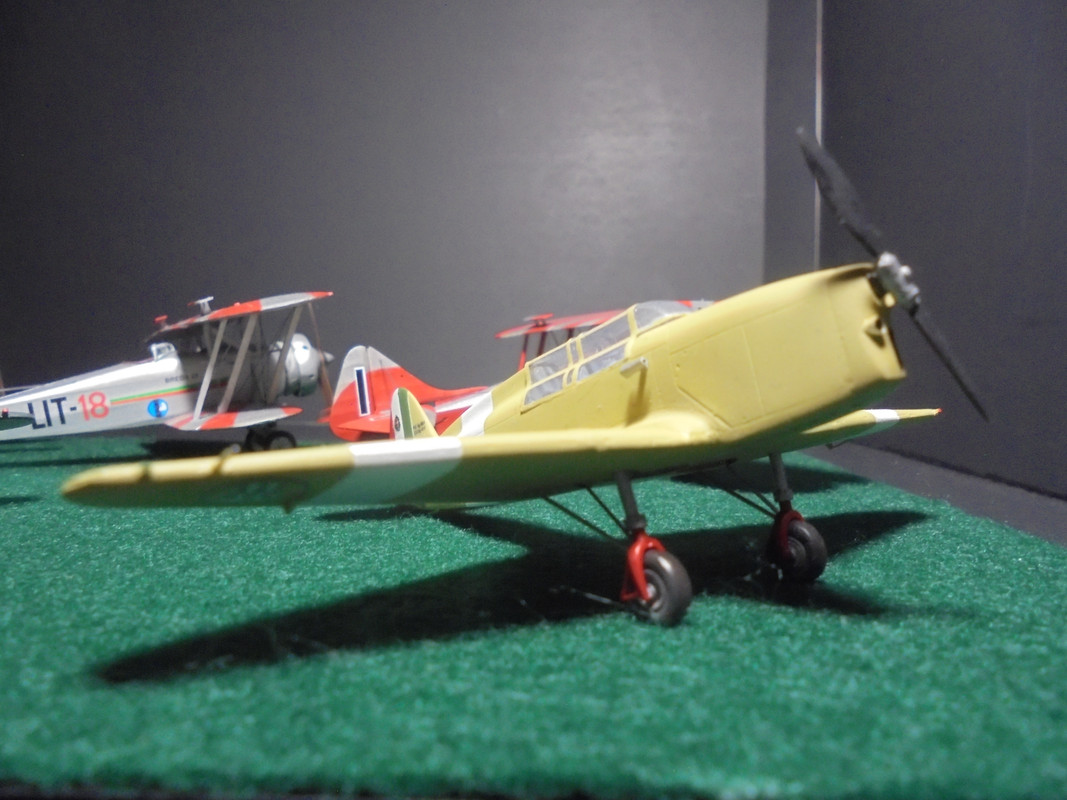
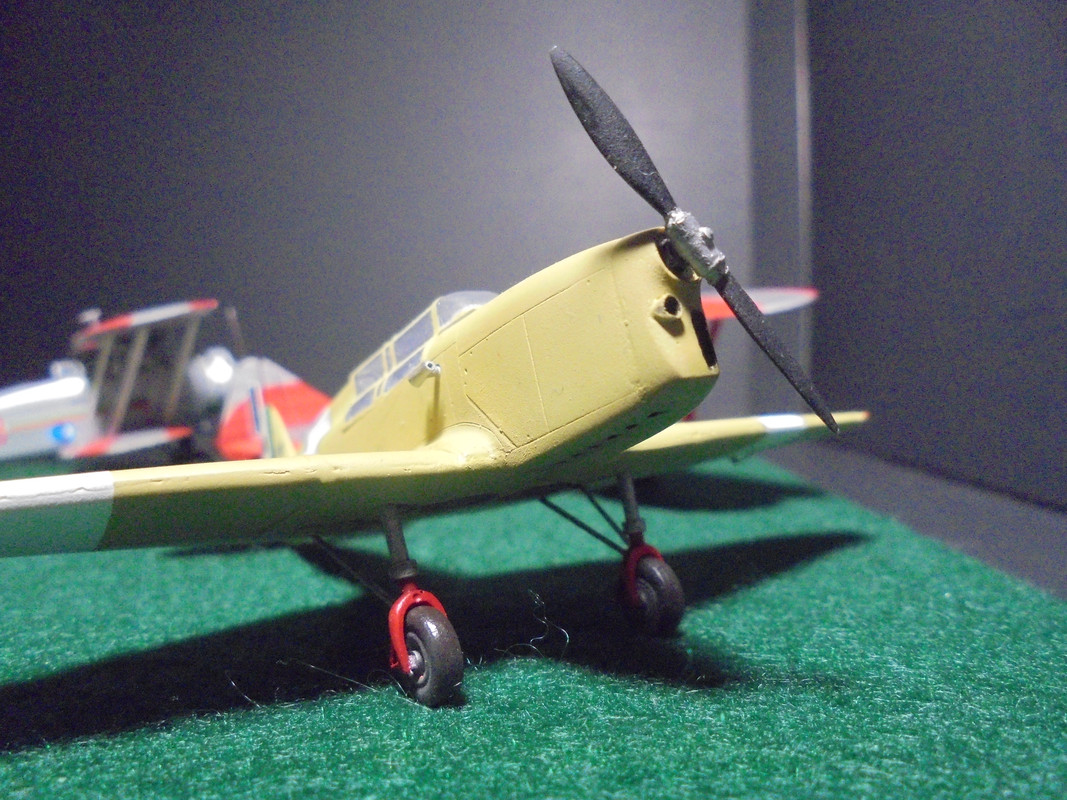
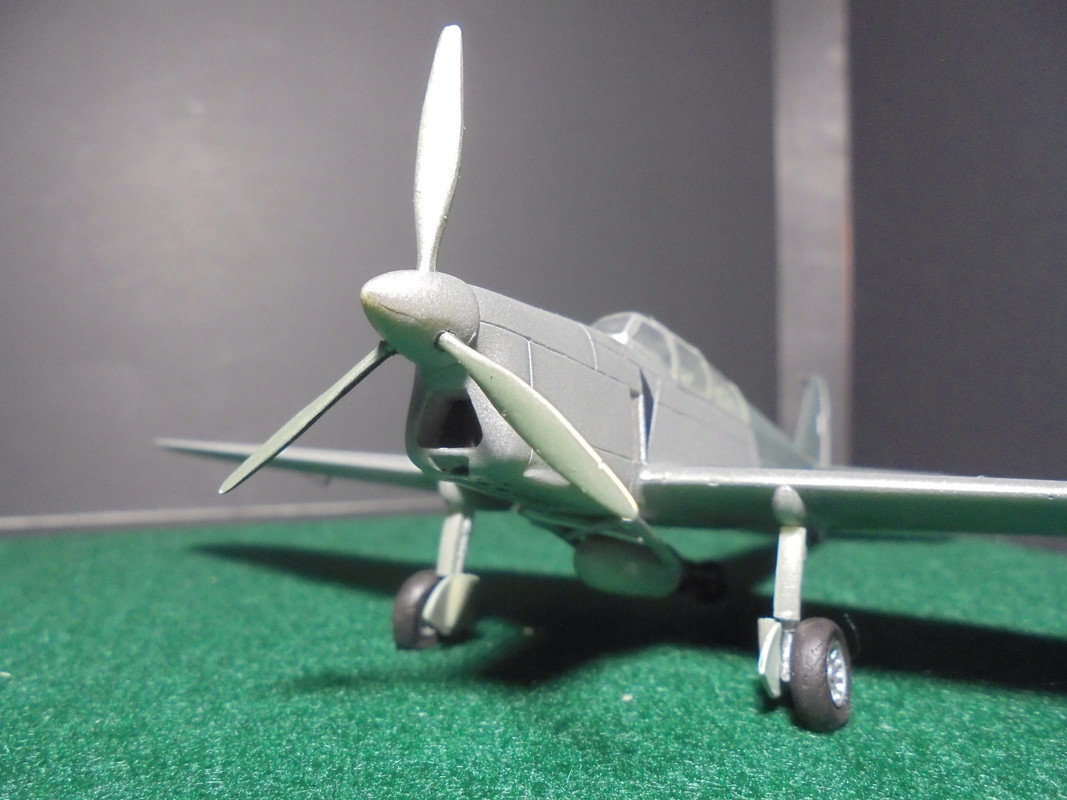
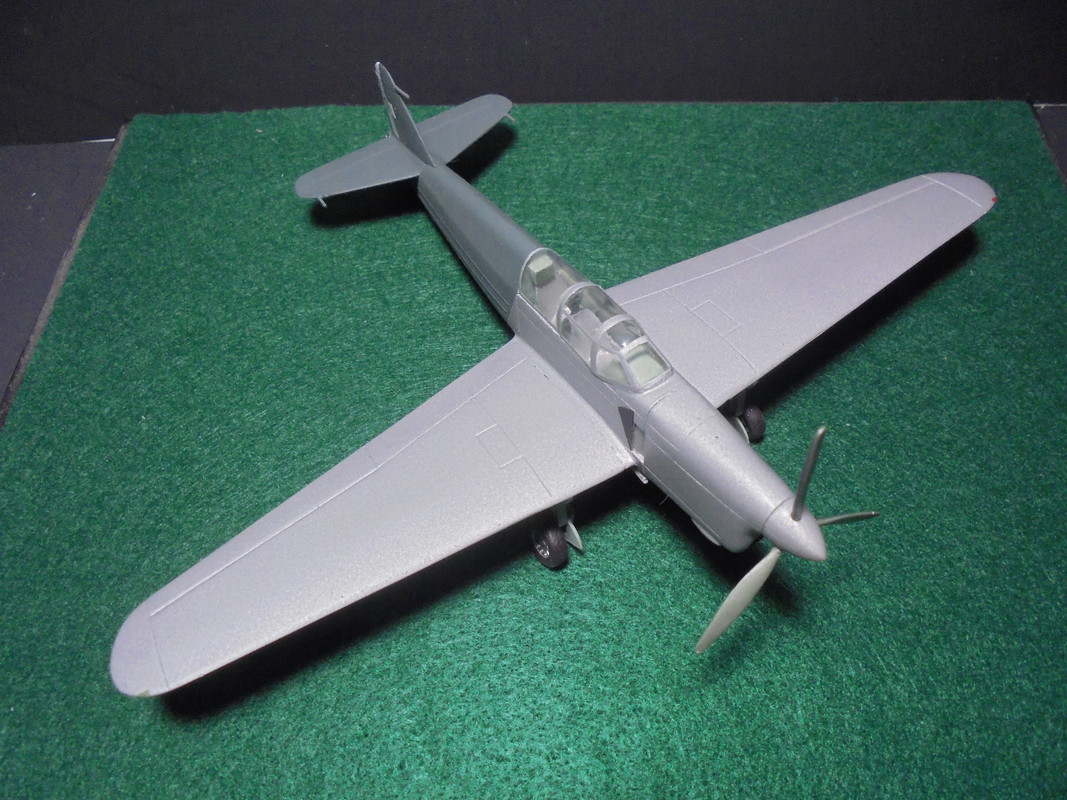
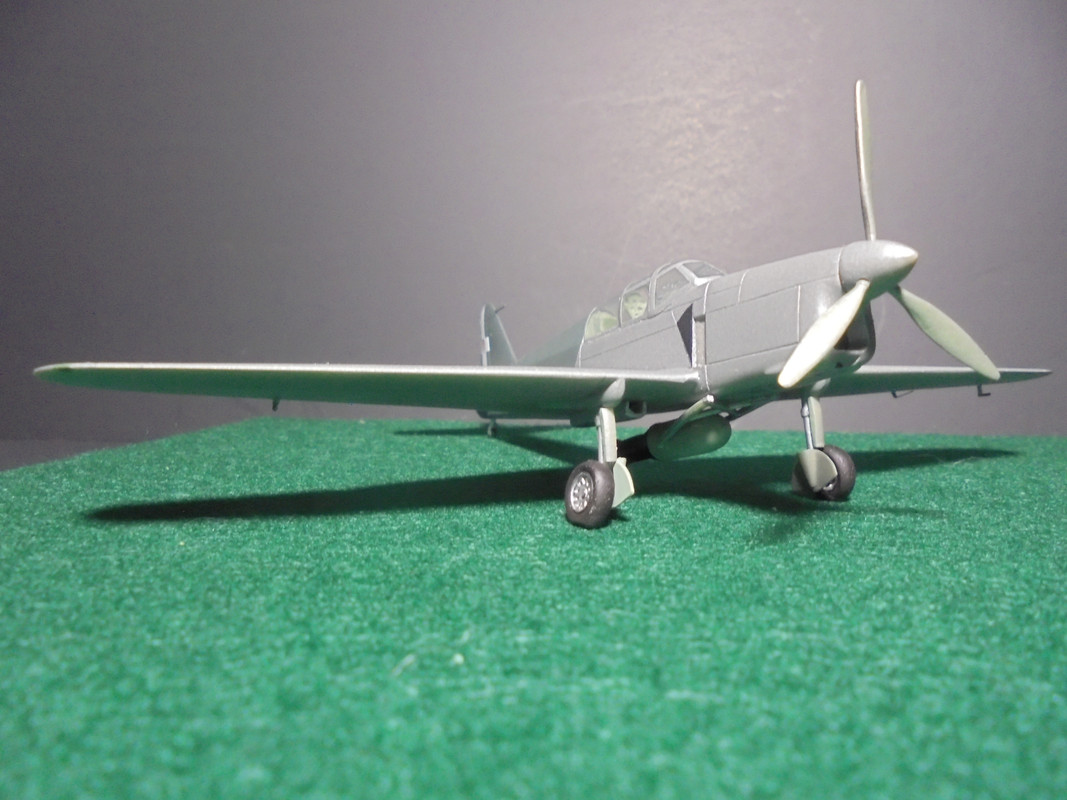
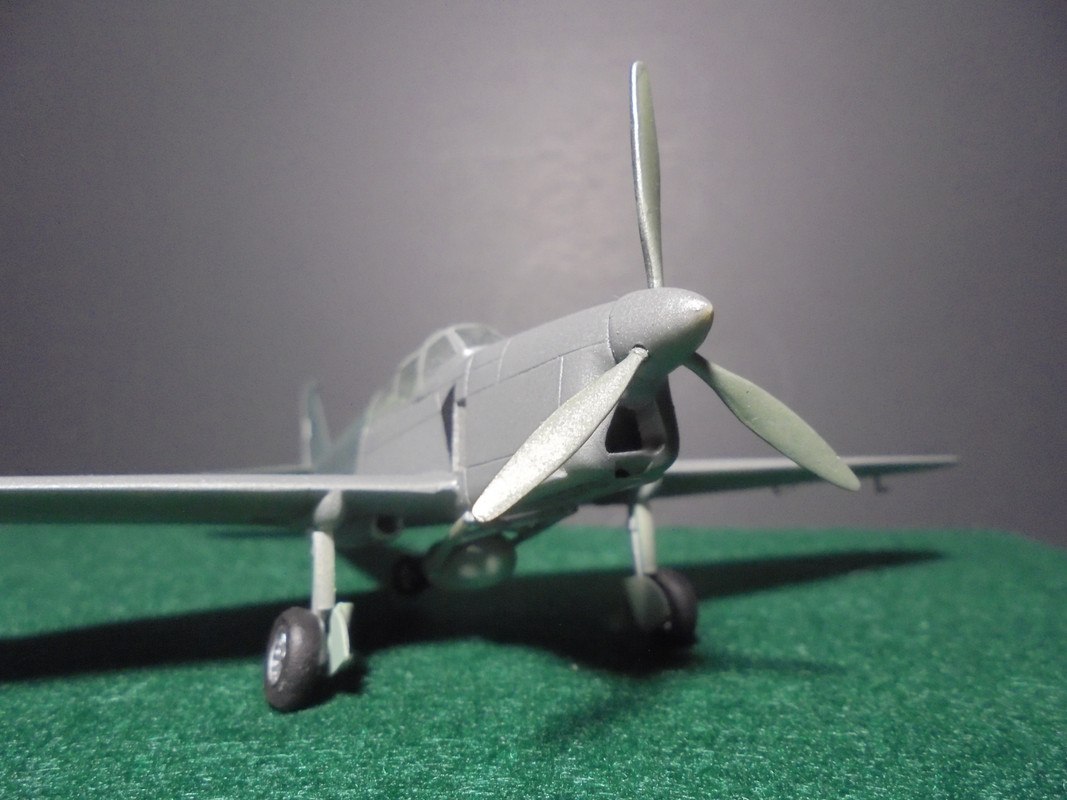
1/72nd Scale Fratelli Nardi FN.315 LF Models Kit No.7289

Post by RetiredInKalifornia » Thu Jun 27, 2024 2:46 pm

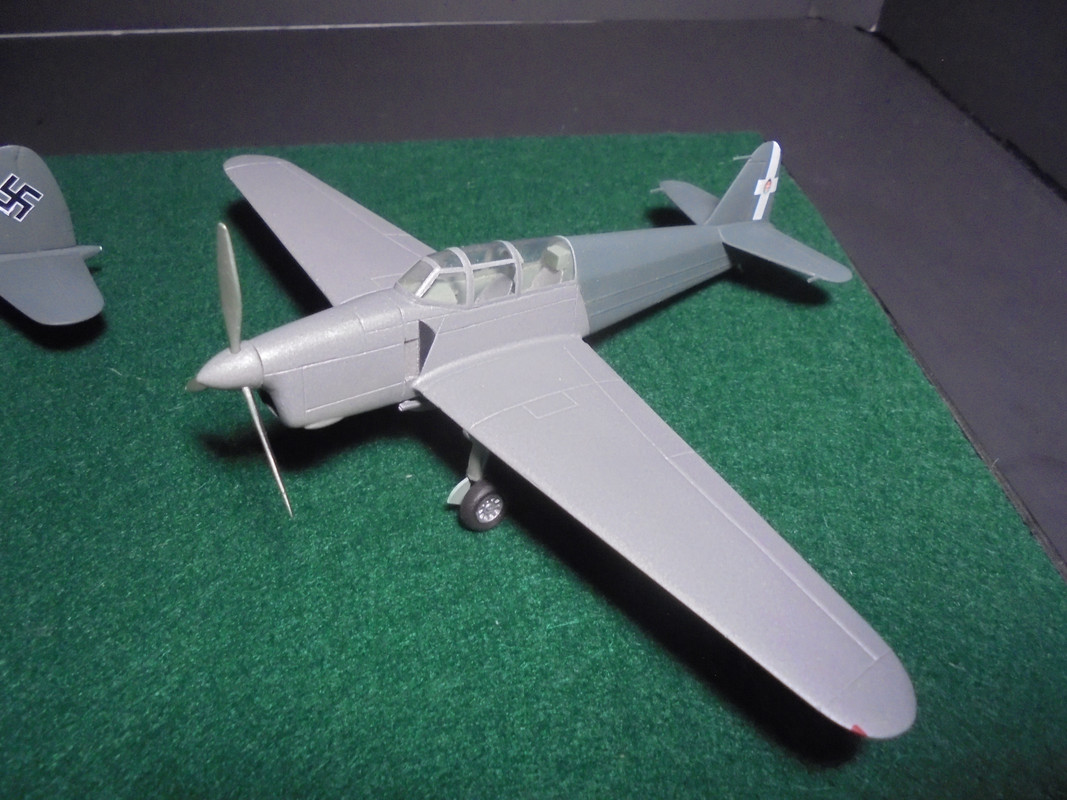
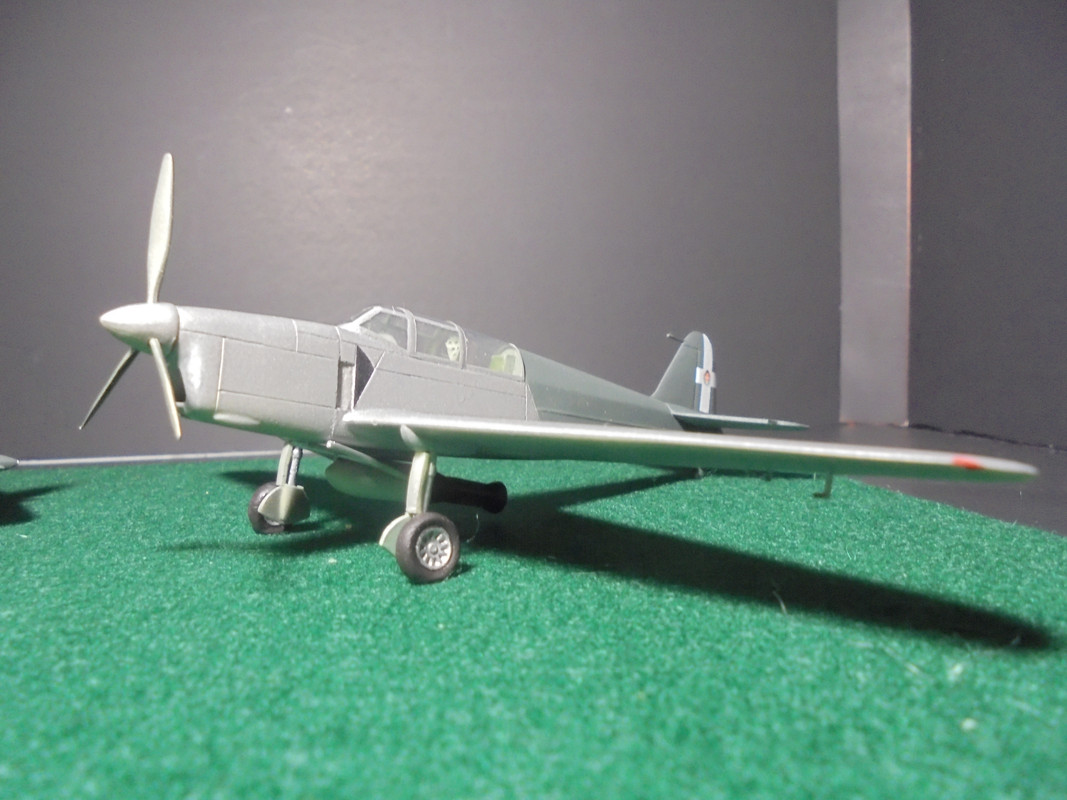
The Fratelli Nardi FN.315 low-wing mixed construction cantilever monoplane training monoplane was an improved version of the FN.305. First flown July 10, 1938 it had a revised tail unit, improved cockpit canopy & improved wing aerodynamics, 31 aircraft plus 2 prototypes built. The first prototype was powered by a 205 hp Alfa Romeo 115 6-cylinder air-cooled inverted inline, 200 hp Argus As 10E & 230 hp Hirth HM.508 inverted V-8 air-cooled engines also were evaluated during flight testing presumably on both prototypes; 25 Alfa Romeo-powered for the Regia Aeronautica Italiana, 6 Hirth for Swiss (2 aircraft), Royal Hungarian & Romanian Air Forces as intermediate trainers.

Photos Taken June 1, 2021:

Image

Image

Image

User avatar
RetiredInKalifornia
Generale di Divisone Aerea
Posts: 568
Joined: Fri Jun 14, 2019 6:34 pm

1/72nd Scale Choroszy Modelbud Caproni Ca.100 Idro Kit No.A172

Post by RetiredInKalifornia » Thu Jun 27, 2024 3:28 pm

Isotta Fraschini Asso 100R 6-Cylinder Air-Cooled Upright Inline Engine

Photo Taken August 11, 2017:

Image

Photos Taken May 29, 2021:

Image

Image

Image

Image

Image

Image

Image

Image

Image

User avatar
RetiredInKalifornia
Generale di Divisone Aerea
Posts: 568
Joined: Fri Jun 14, 2019 6:34 pm

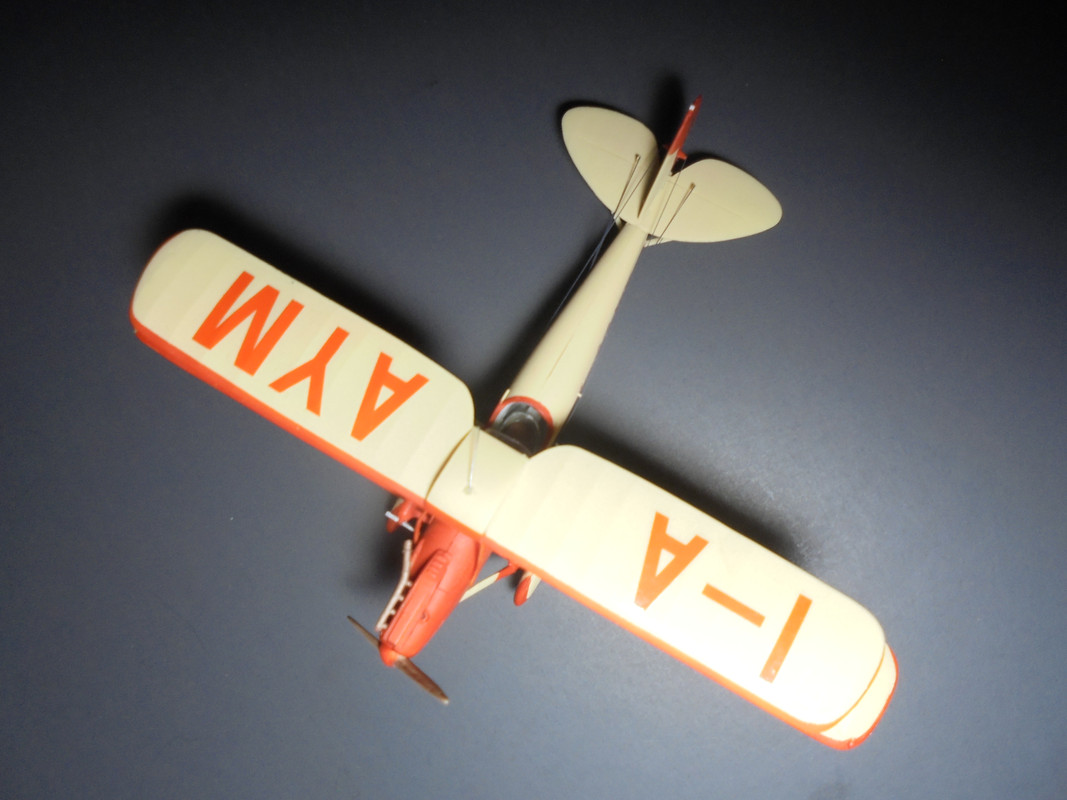
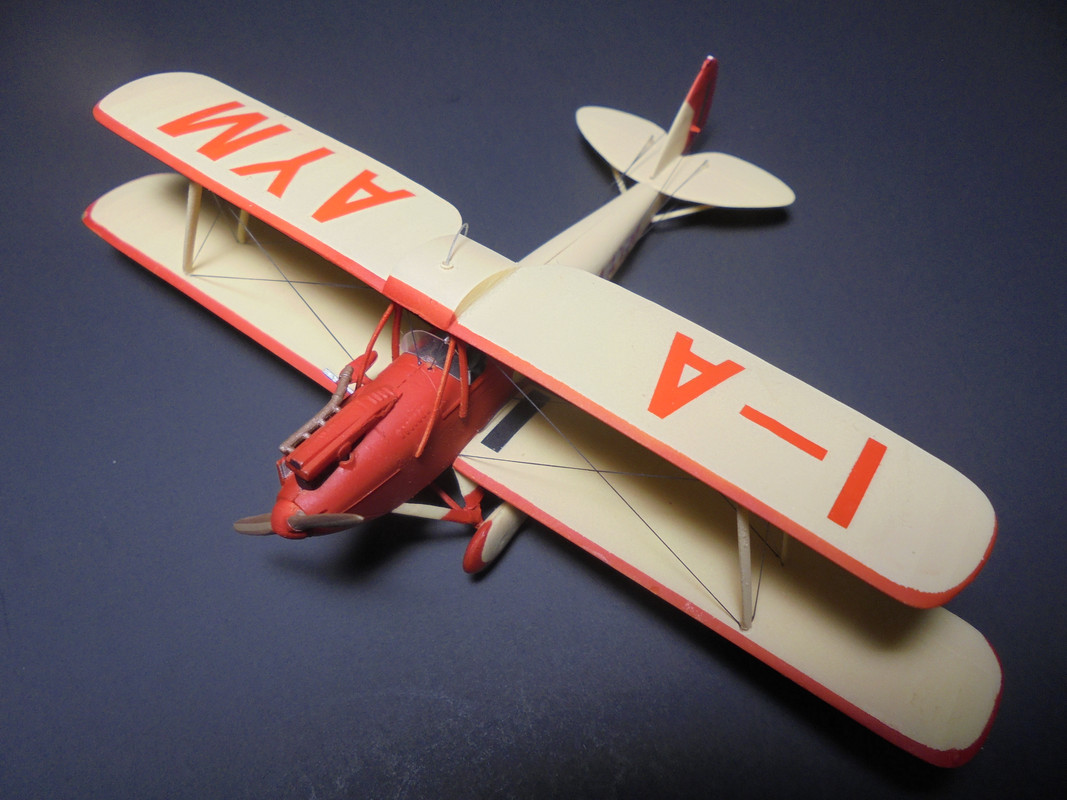
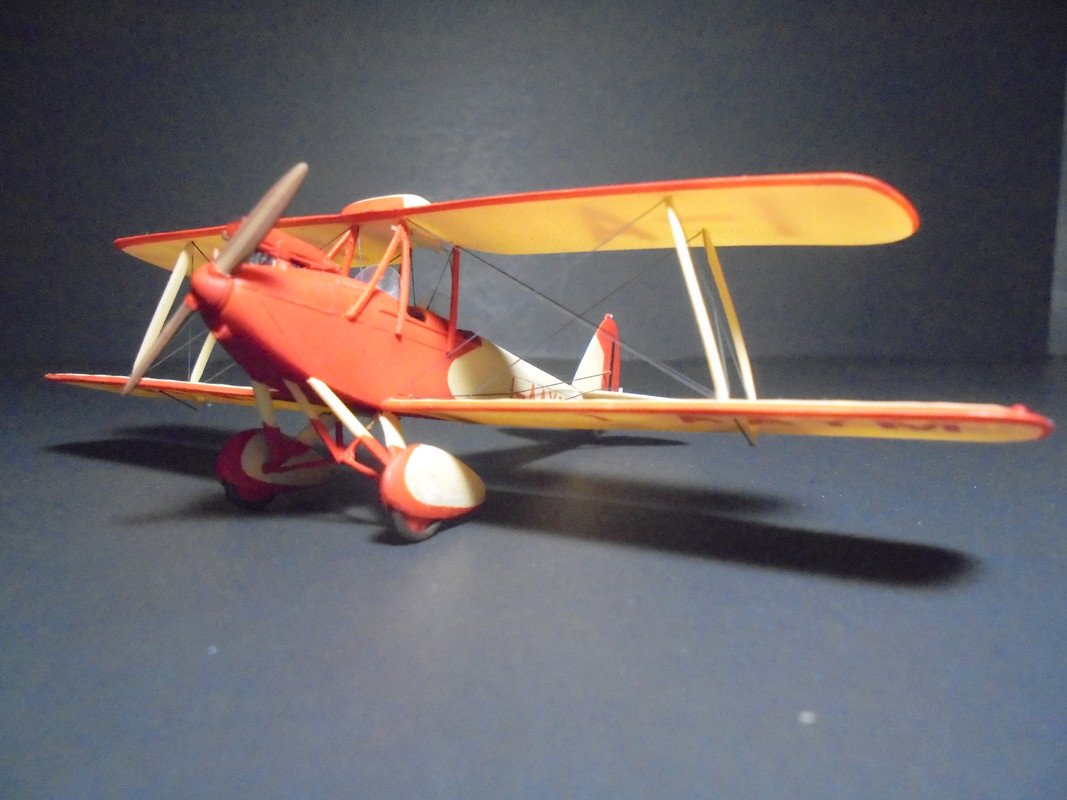
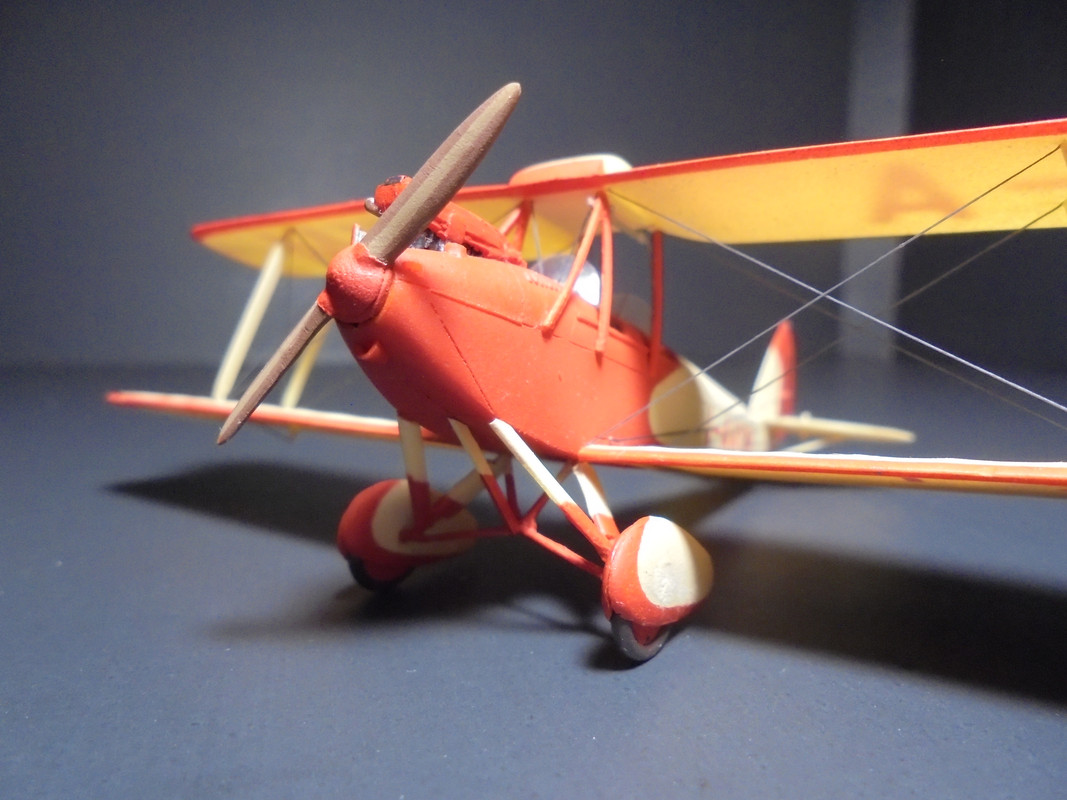
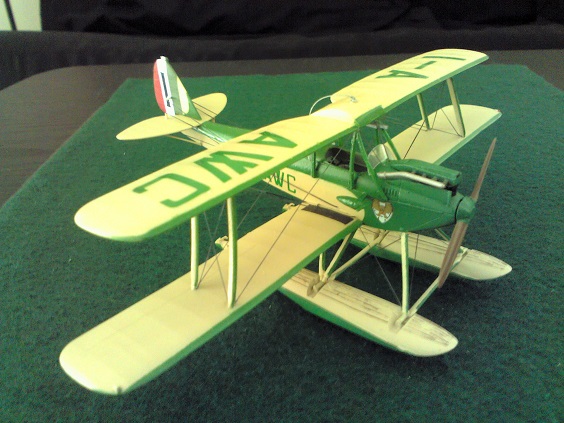
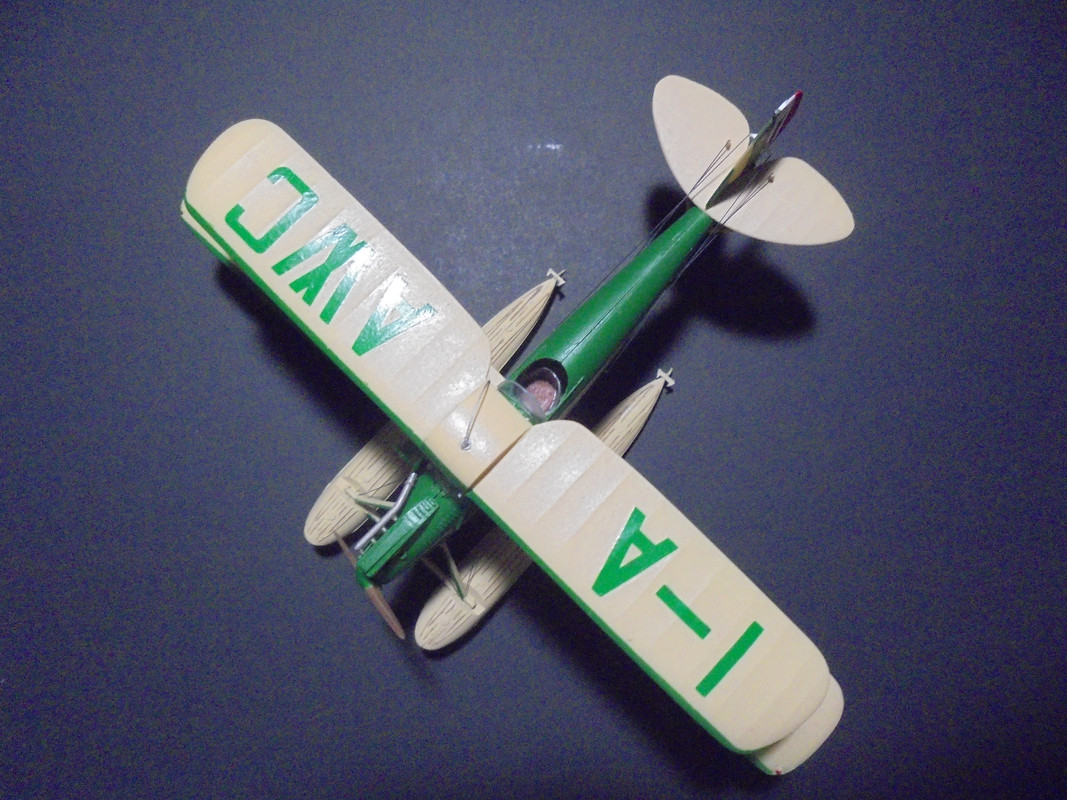
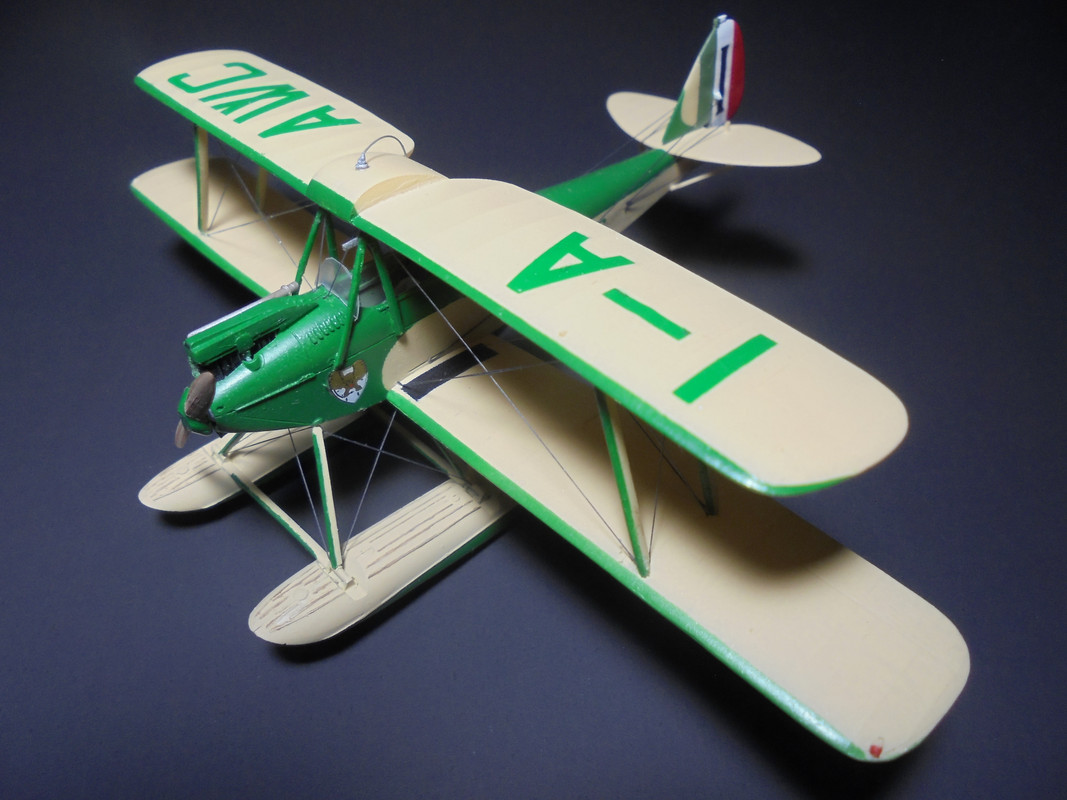
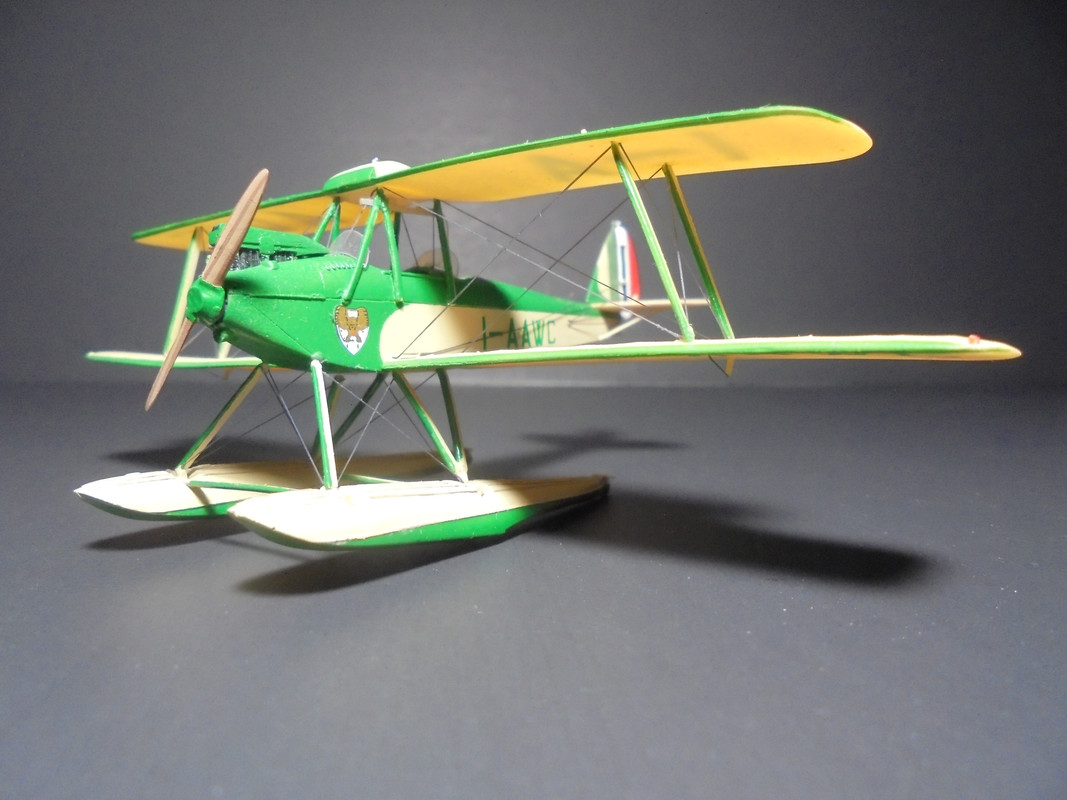
1/72nd Scale Choroszy Modelbud Caproni Ca.100 Kit No.A22

Post by RetiredInKalifornia » Thu Jun 27, 2024 4:31 pm

Isotta Fraschini Asso 100R 6-Cylinder Air-Cooled Upright Inline Engine
Last Ca.100 posting

Photos Taken August 11, 2017:

Image

Image

Photos Taken May 29, 2021:

Image

Image

Image

Image

Image

Image

Image

Image

Image

User avatar
RetiredInKalifornia
Generale di Divisone Aerea
Posts: 568
Joined: Fri Jun 14, 2019 6:34 pm

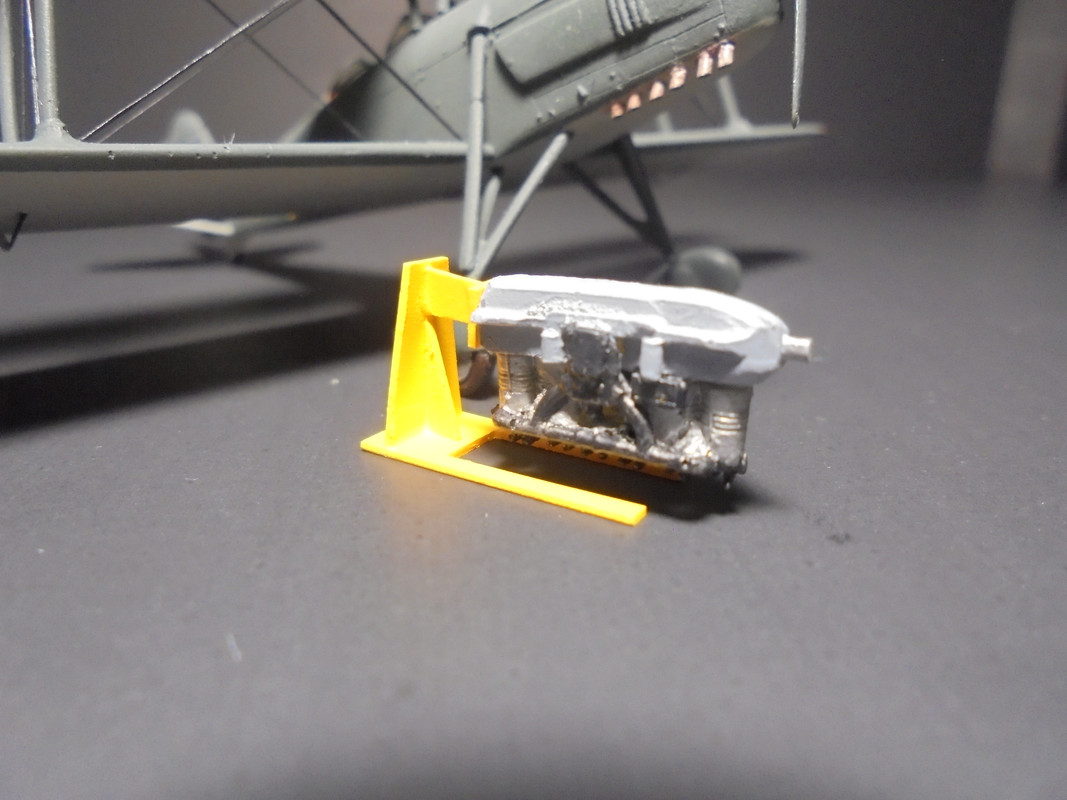
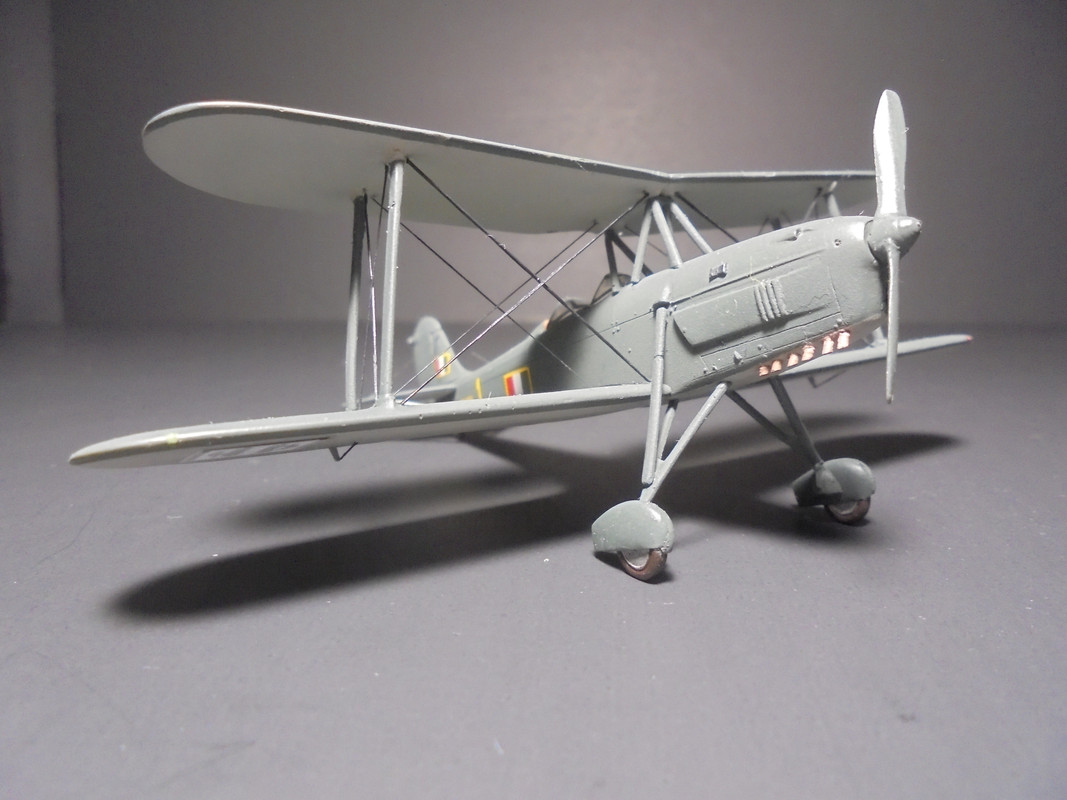
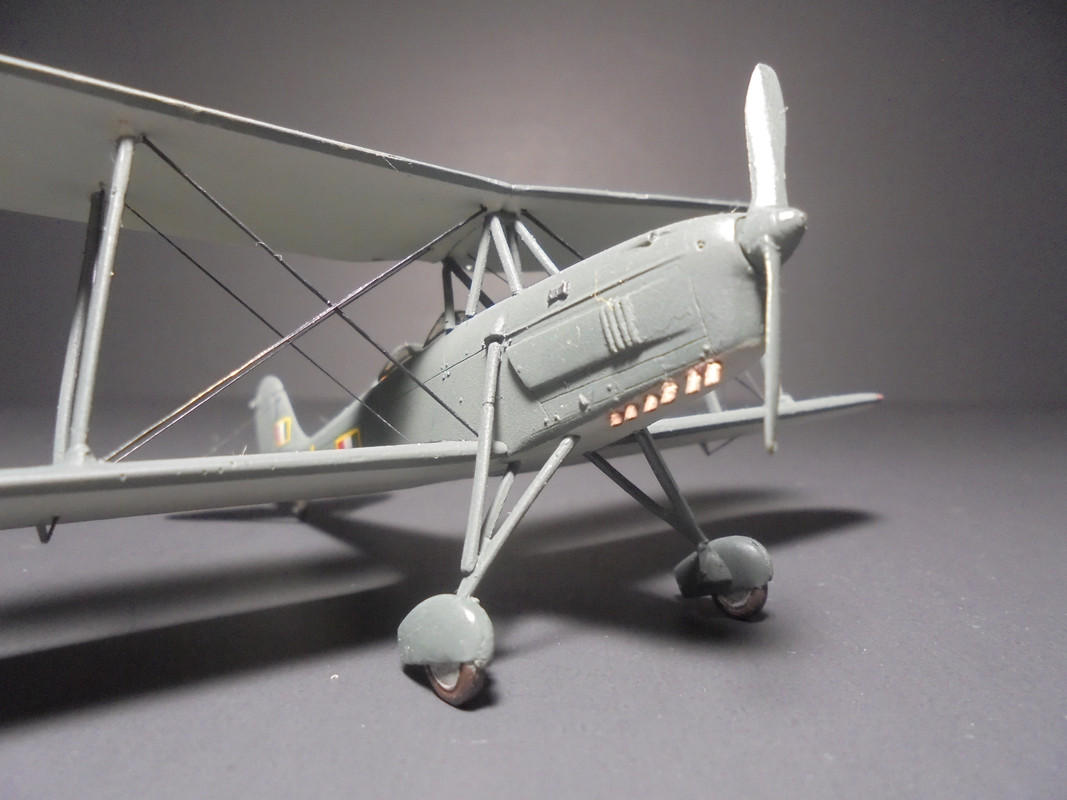
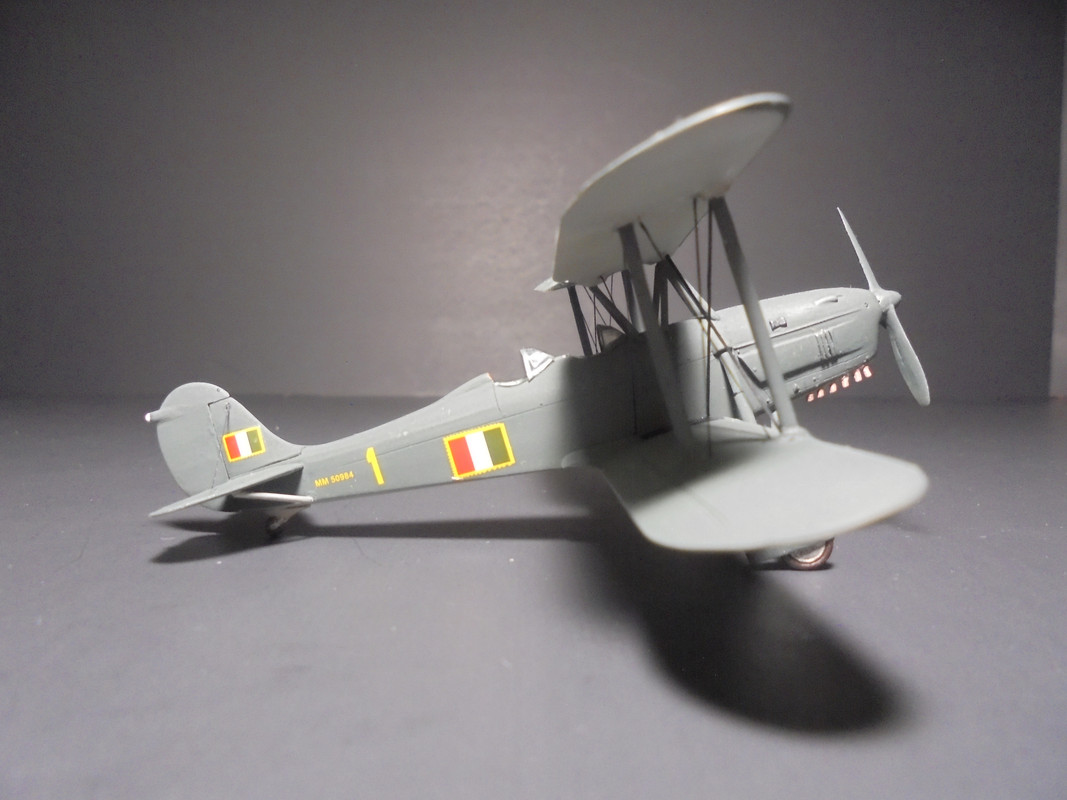
1/72nd Scale Choroszy Modelbud Caproni Ca.164 Kit No.A95

Post by RetiredInKalifornia » Thu Jun 27, 2024 5:29 pm

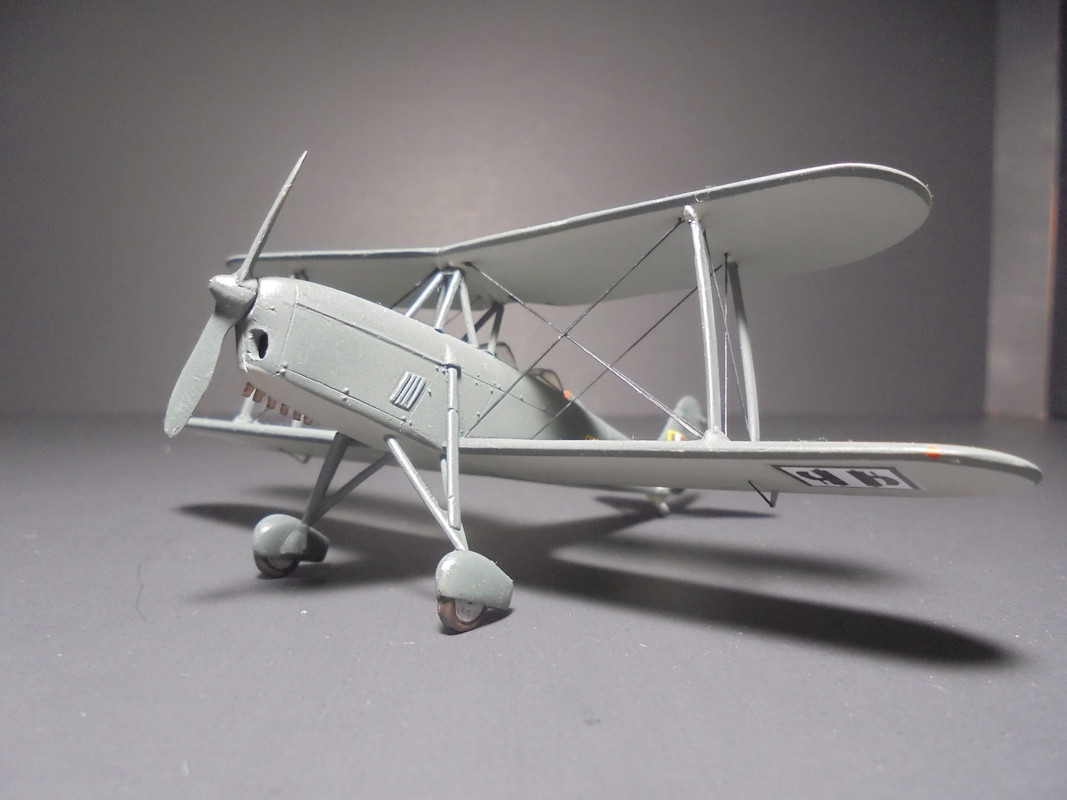
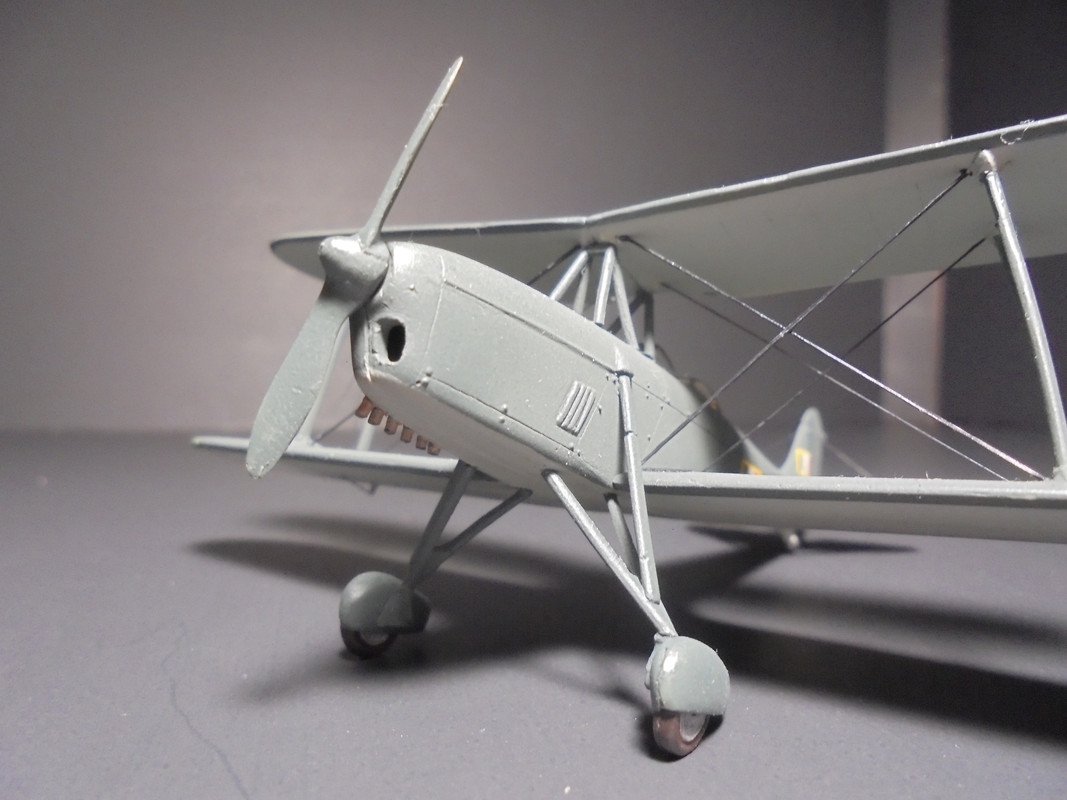
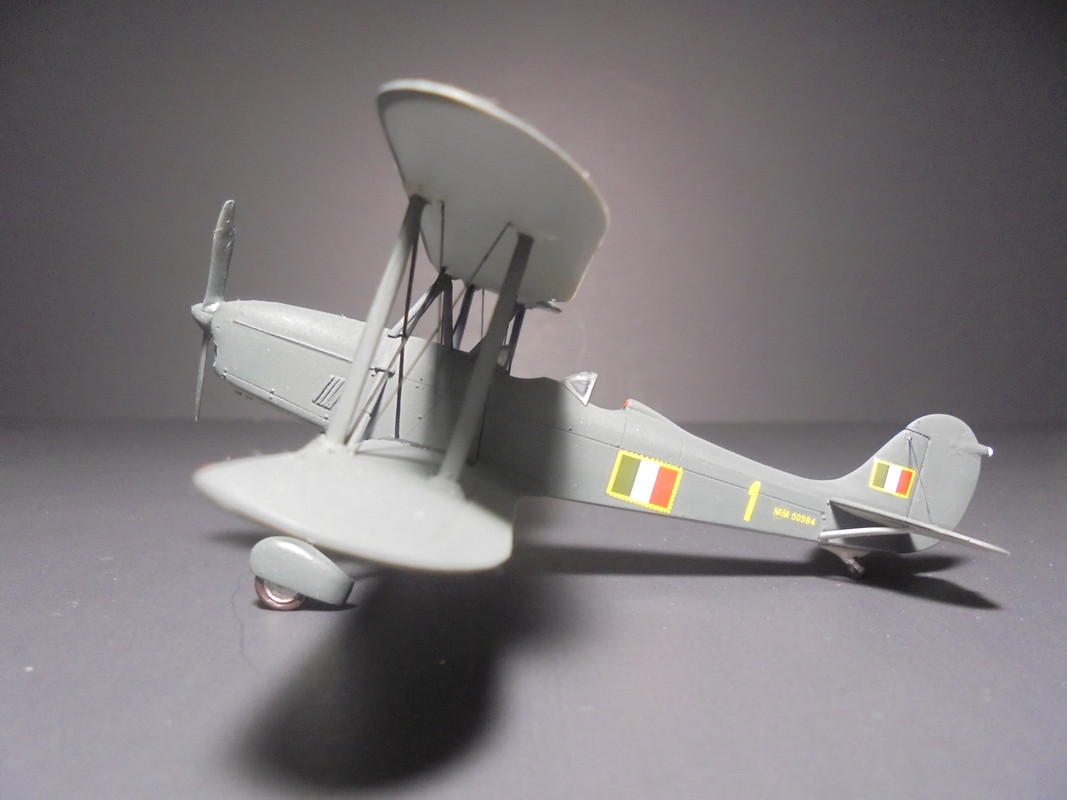
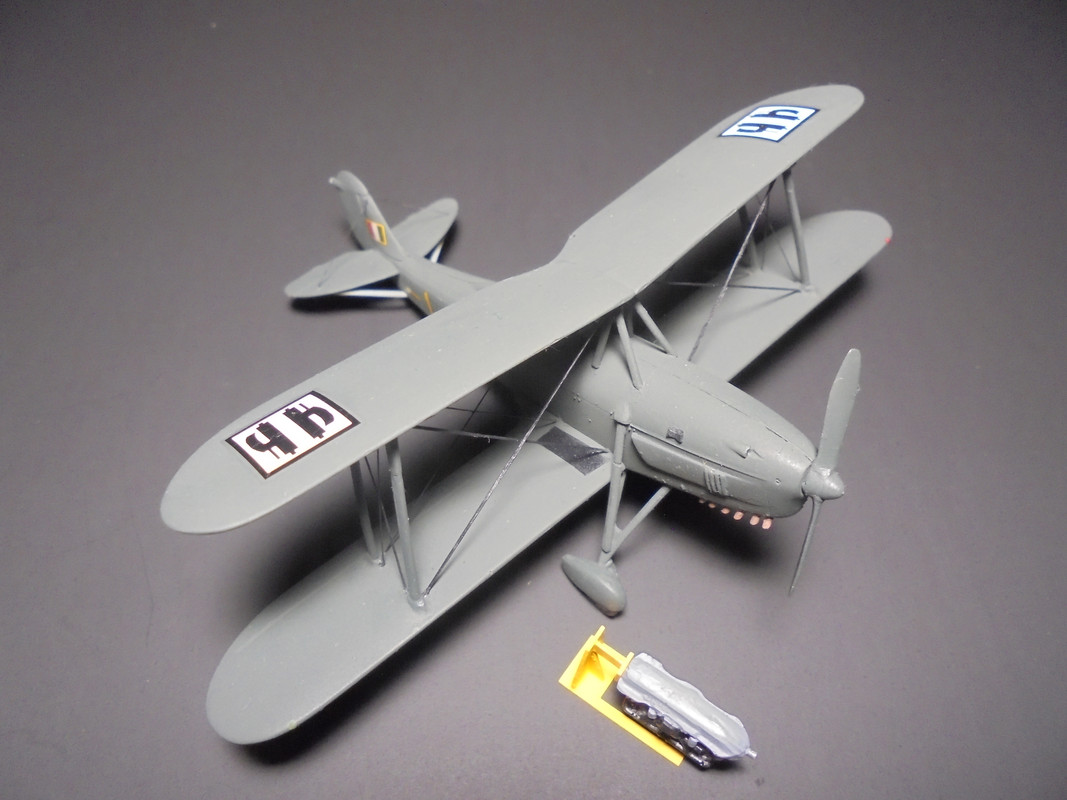
The Caproni Ca.164 designed by Raffaele Conflenti (1889-1946) was a late 1930s follow-on to the 1928-vintage Ca.100 sharing that aircraft's uneven wing layout.

Built by Caproni Taliedo originally as the Ca.163 & first flown November 17 1938 It had a steel tube fuselage, wooden wings & fabric covering. Flight testing revealed poor handling characteristics made it unsuitable for its intended pilot training role the Regia Aeronautica Italiana (RAI) nonetheless acquiring 280 Ca.164 liaison aircraft some serving as tactical reconnaissance during the 1941 Croatian campaign.

Prior to the June 10, 1940 Italian invasion the Armée de l'Air purchased 100 aircraft those seized after the June 25th French surrender diverted to the RAI, those surviving the September 8, 1943 Italian armistice diverted to the Aeronautica Nazionale Repubblicana, Aviazione Cobelligerante Italiana & post-war Aeronautica Militare. No Ca.164s survive the Ca.163 prototype on display at the Gianni Caproni Museum of Aeronautics, Trento Airport, Italy.


Photos Taken Include External-Mounted Alfa Romeo 115 6-Cylinder Air-Cooled Inverted Inline Engine

August 11, 2017:

Image

Image

May 29, 2021:

Image

Image

Image

Image

Image

Image

Image

Image

Image

Image

Image

Image

Image

User avatar
RetiredInKalifornia
Generale di Divisone Aerea
Posts: 568
Joined: Fri Jun 14, 2019 6:34 pm

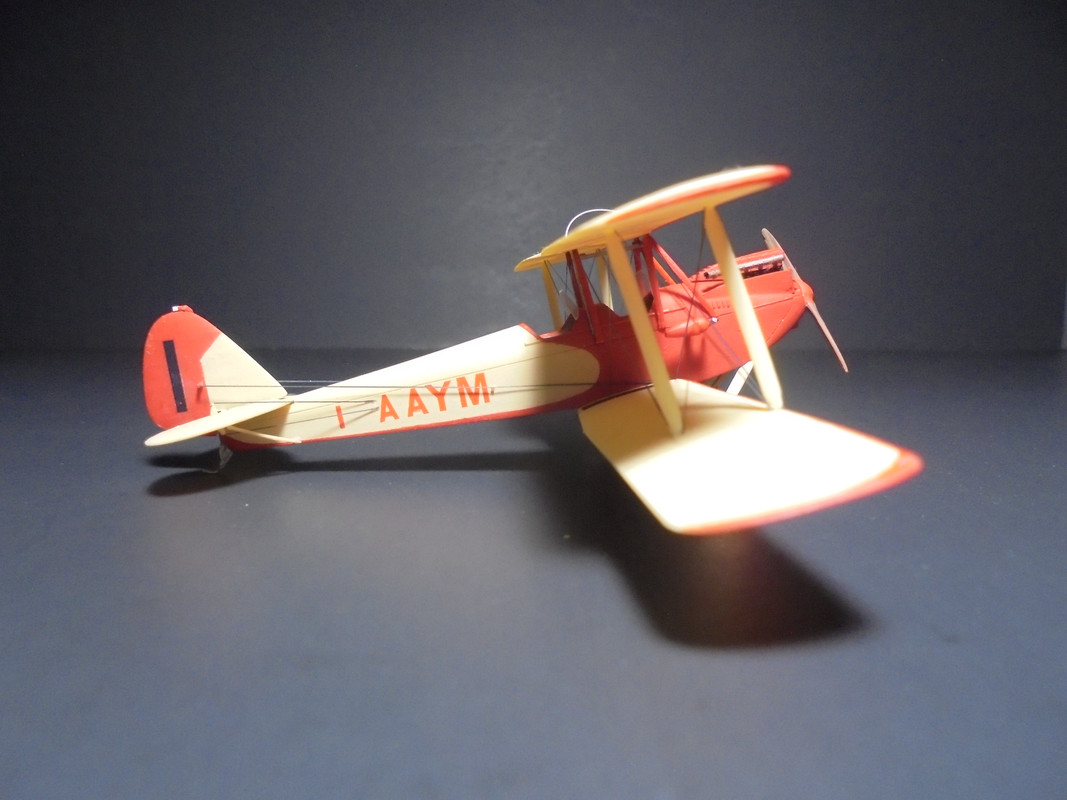
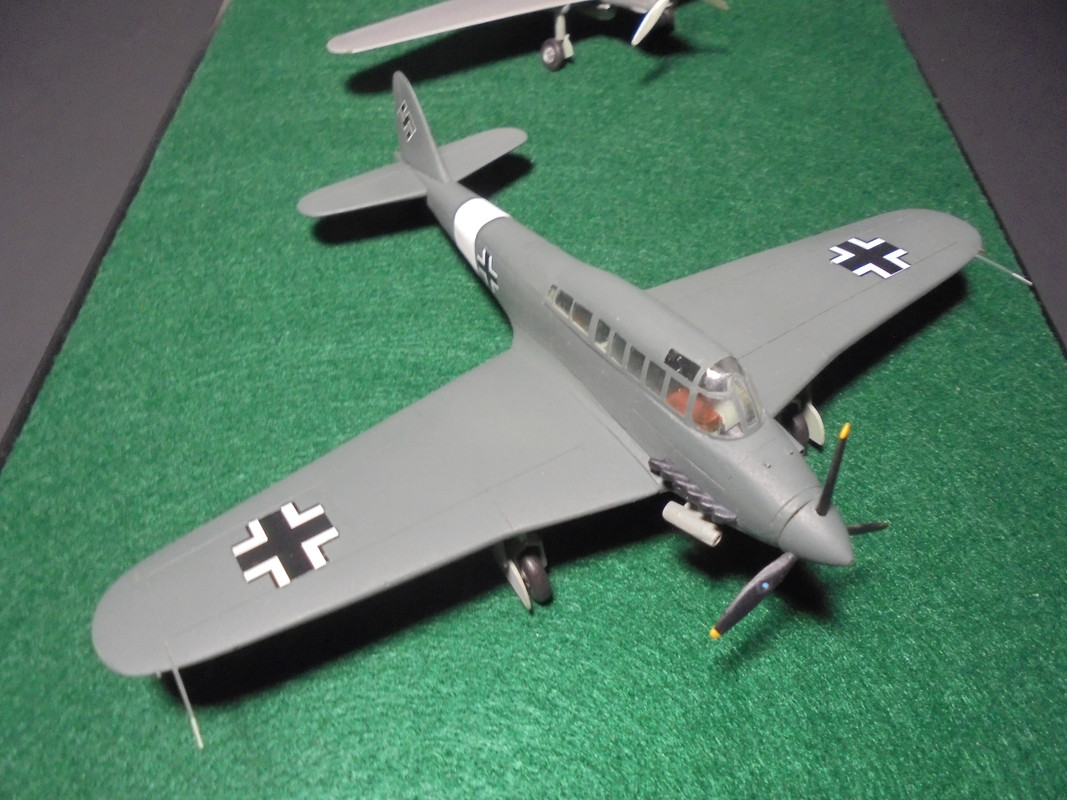
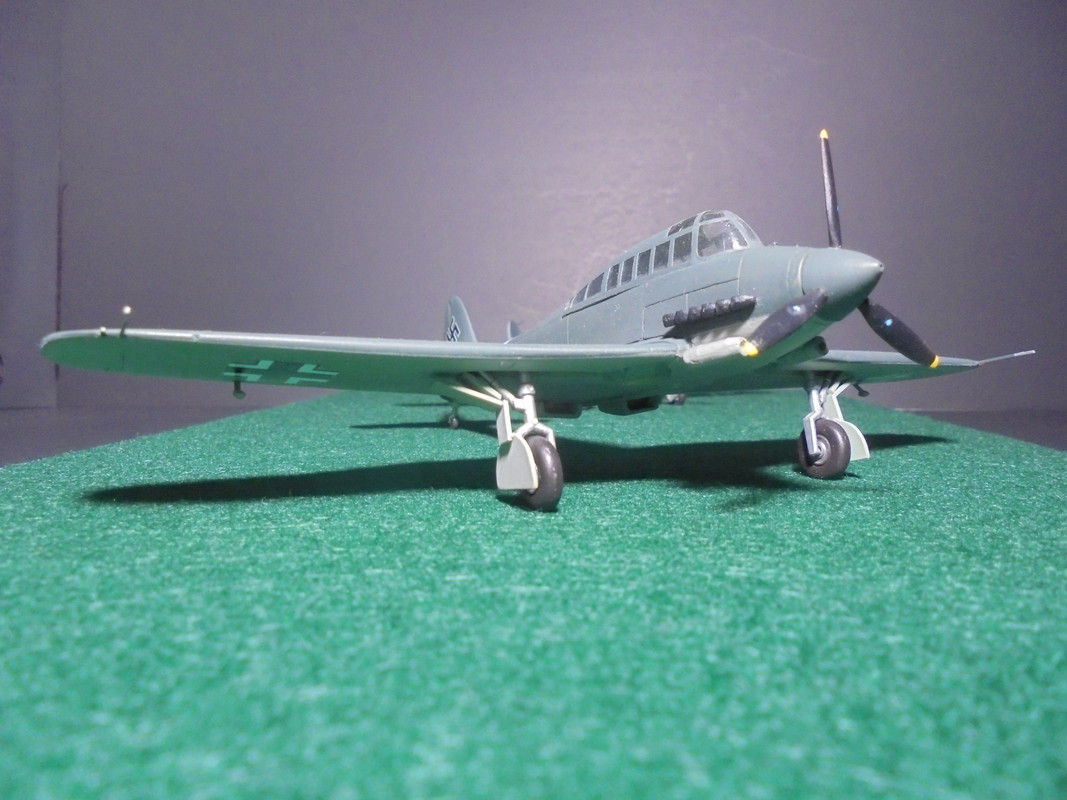
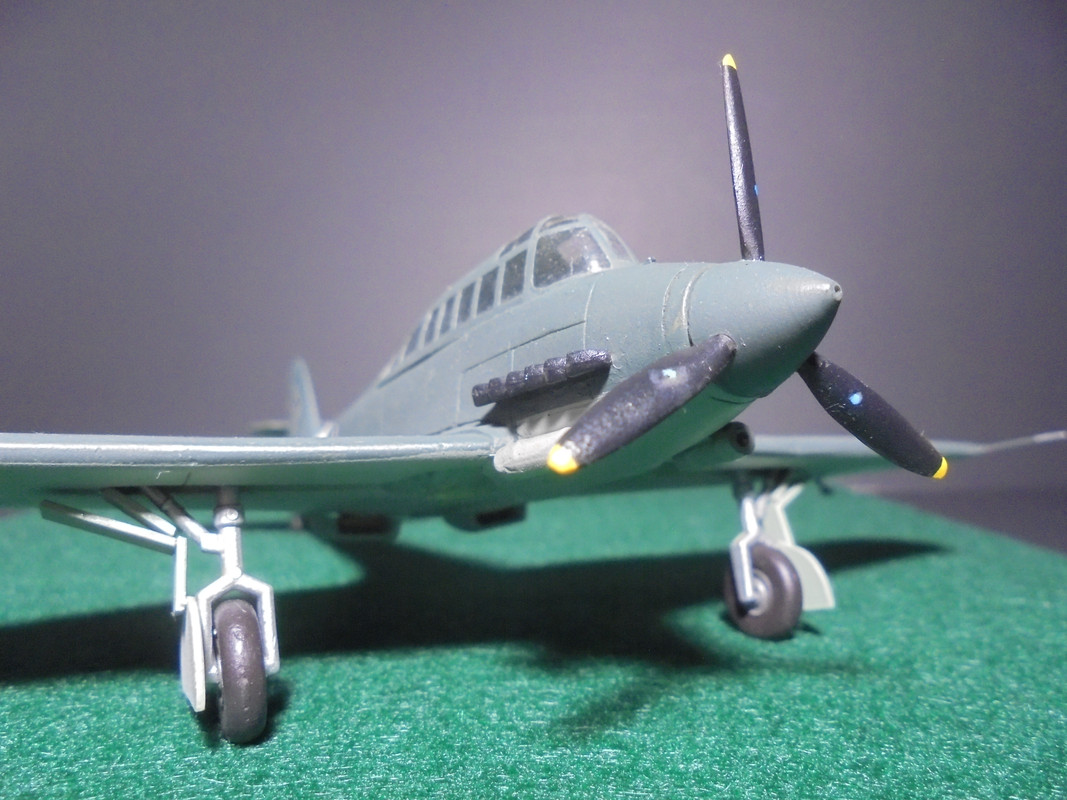
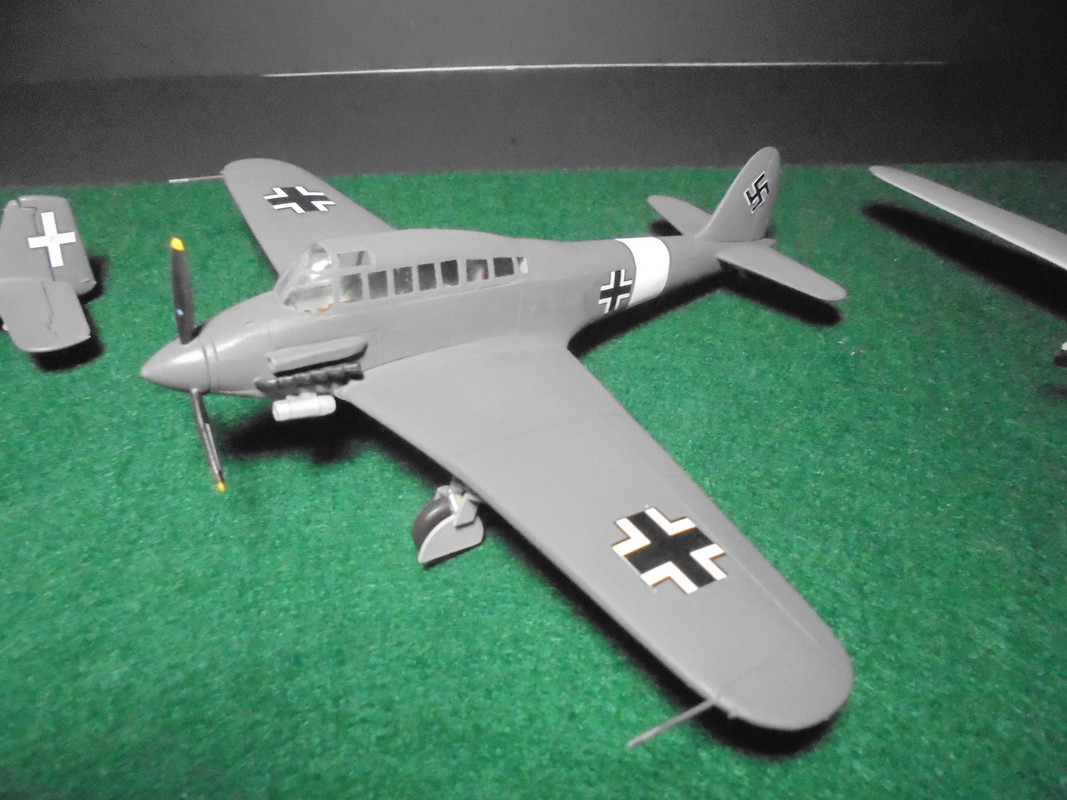
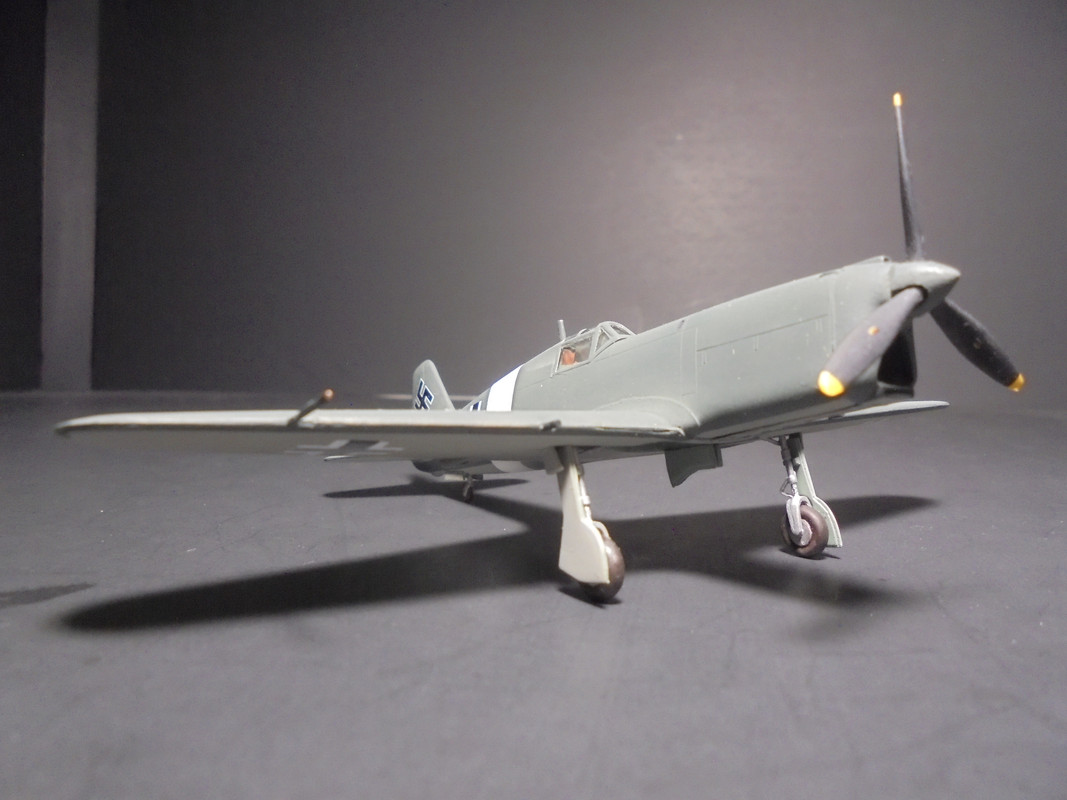
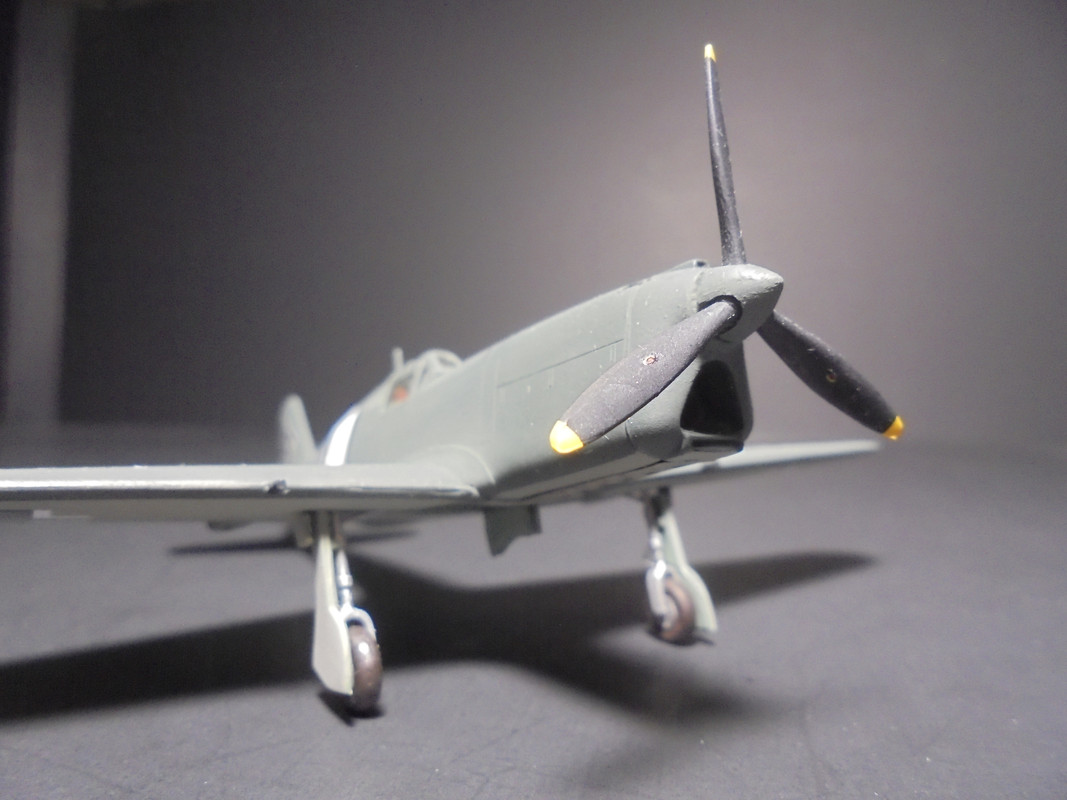
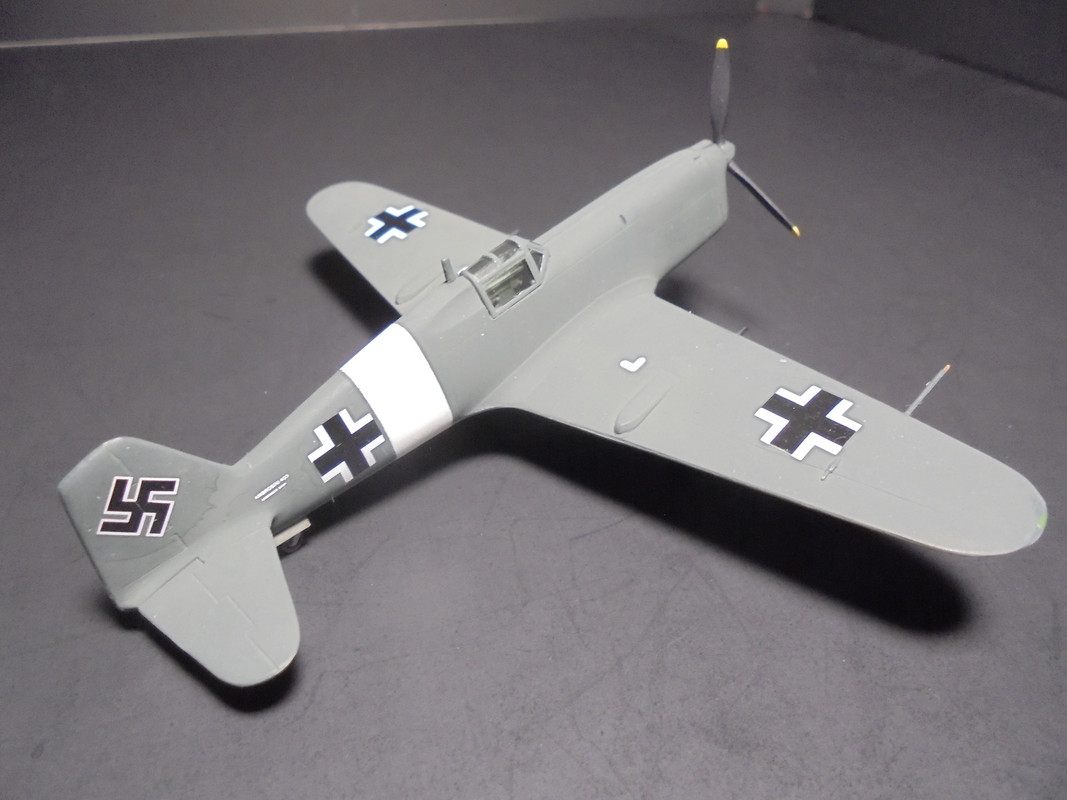
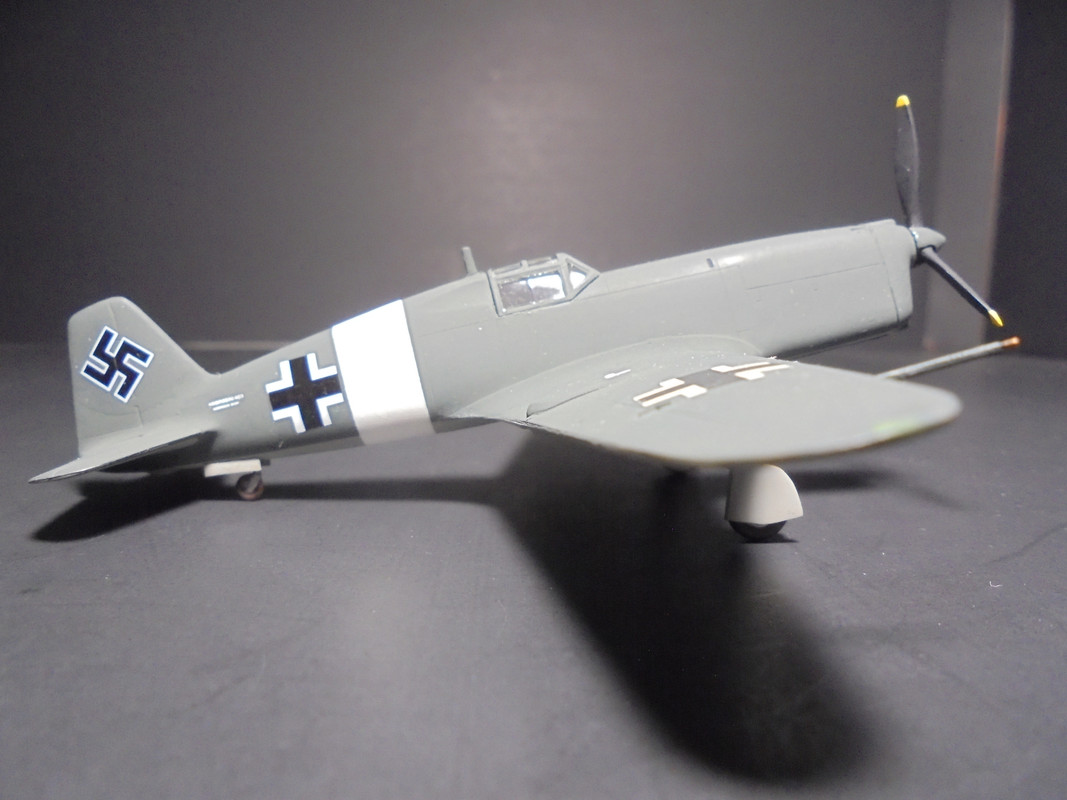
1/72nd Scale Legato Savoia Marchetti SM.93 Kit No.LK056

Post by RetiredInKalifornia » Fri Jun 28, 2024 6:17 pm

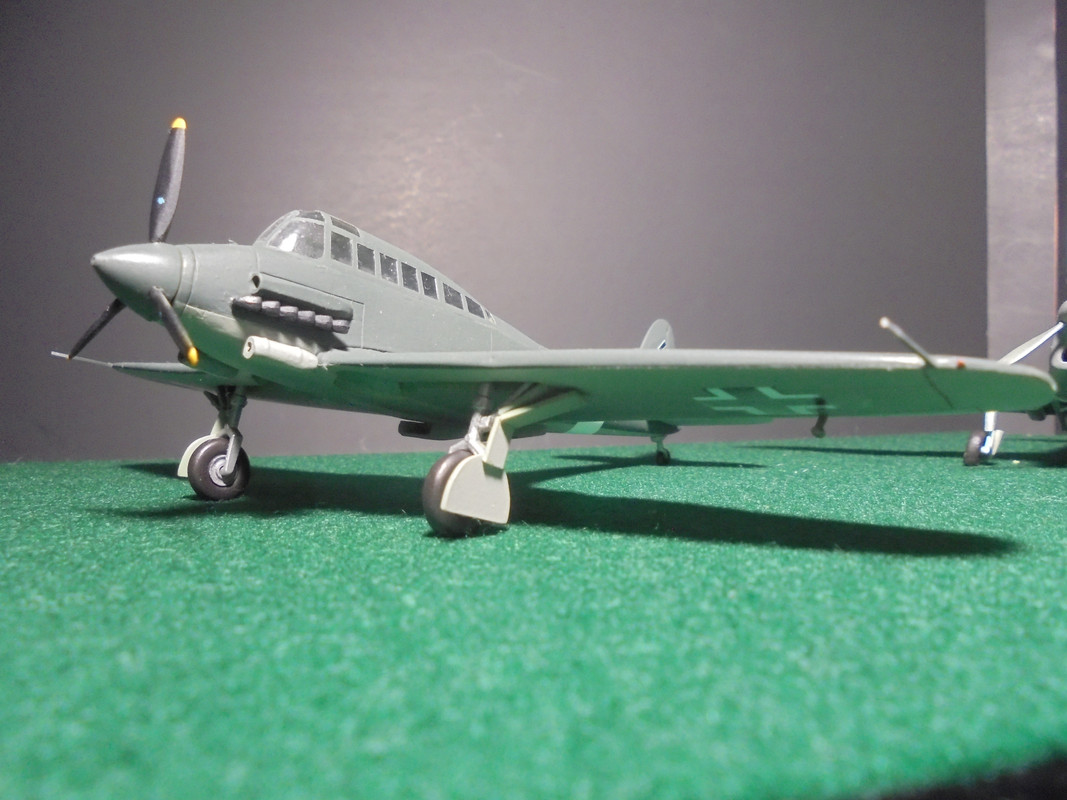
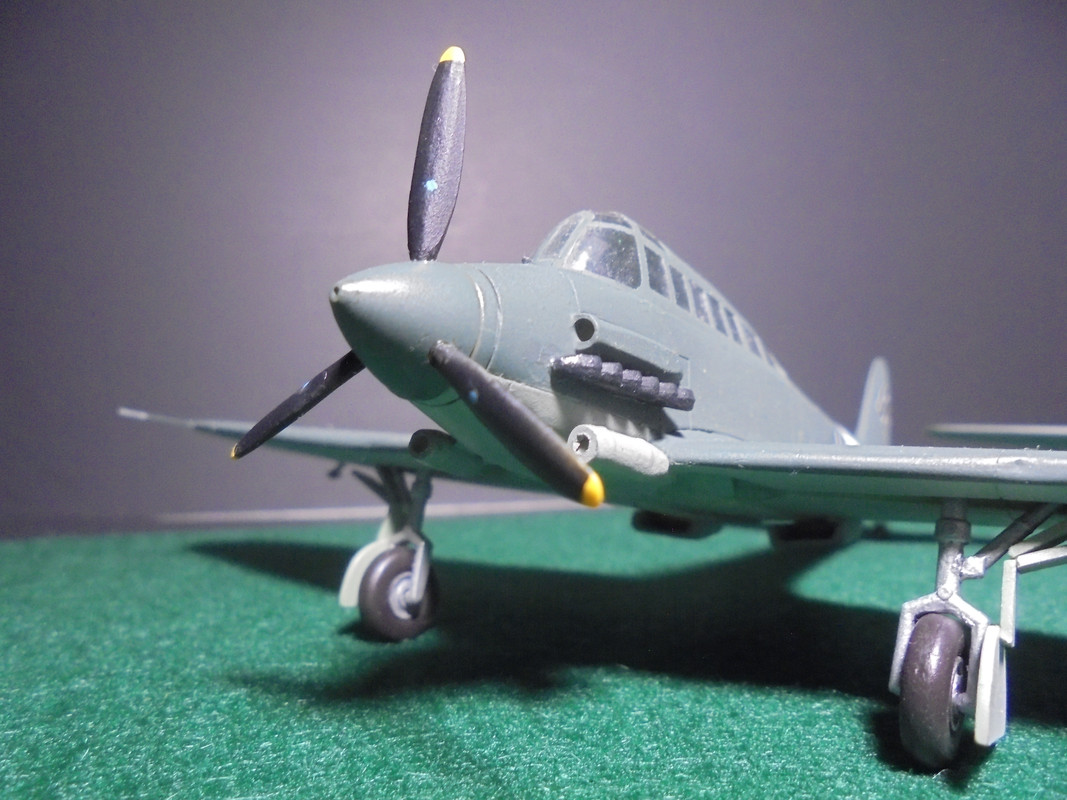
The Savoia Marchetti SM.93 designed by Alessandro Marchetti (1884-1966) was an all-wood single-engine low-wing monoplane dive bomber with retractable landing gear powered by an inverted V-12 Daimler-Benz DB 605 liquid-cooled engine, the sole prototype first flying on January 31, 1944 under Deutche Luftwaffe supervision. The two-man crew was under a long greenhouse canopy; pilot lying prone above & aft of the engine delaying onset of gravity-induced loss of consciousness though with limited upper body movement & rearwards viewing, gunner/radio-operator sitting upright & facing rearward. Sixteen flight tests were made till March 29th when program development was halted by the Germans they demonstrating its low drag clean aerodynamics & good handling performance with dives up to 560 mph; no readily available information concerning its fate.

Photos Taken June 1, 2021:

Image

Image

Image

Image

Image

Image

User avatar
RetiredInKalifornia
Generale di Divisone Aerea
Posts: 568
Joined: Fri Jun 14, 2019 6:34 pm

1/72nd Scale Omega Models Caproni Ca.355 Tuffo Kit No.72466

Post by RetiredInKalifornia » Fri Jun 28, 2024 6:45 pm

The Caproni Ca.355 Tuffo (“Diver”) designed by Cesare Pallavicino (1893-1976) was a low wing single-engine dive bomber. Derived from the Ca.335 Mistral it like its direct competitor, the single-engine Breda Ba.201, offered little performance advantage over the German Junkers Ju-87 Stuka development of both ending in favor of buying & flying the latter.

Photos Taken June 1, 2021:

Image

Image

Image

Image

Image

Image

User avatar
RetiredInKalifornia
Generale di Divisone Aerea
Posts: 568
Joined: Fri Jun 14, 2019 6:34 pm

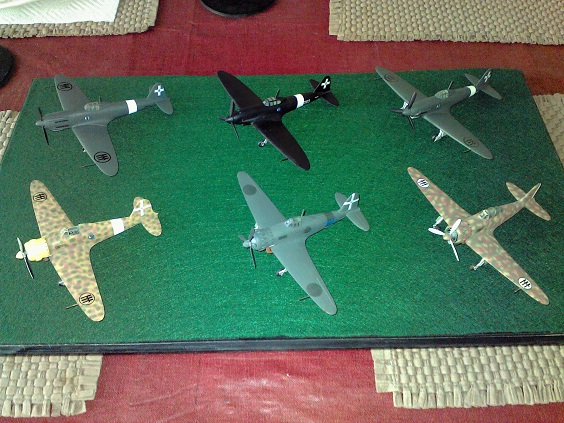
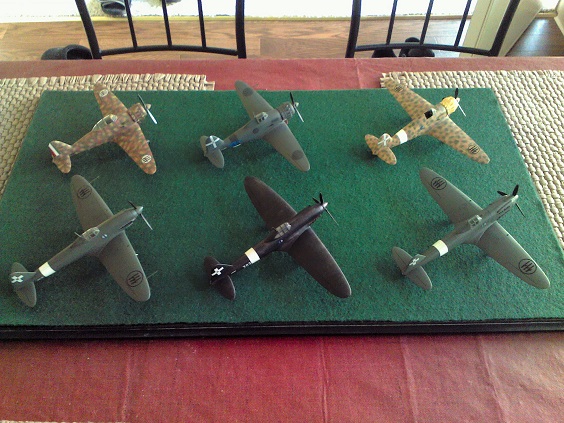
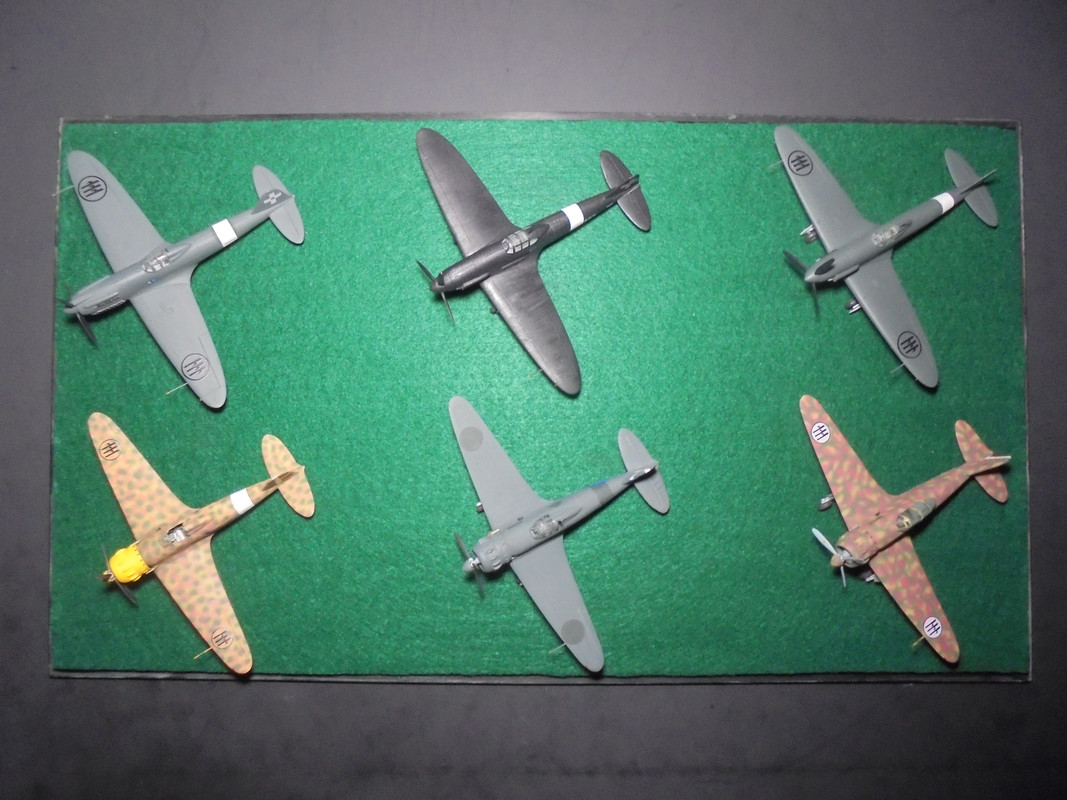
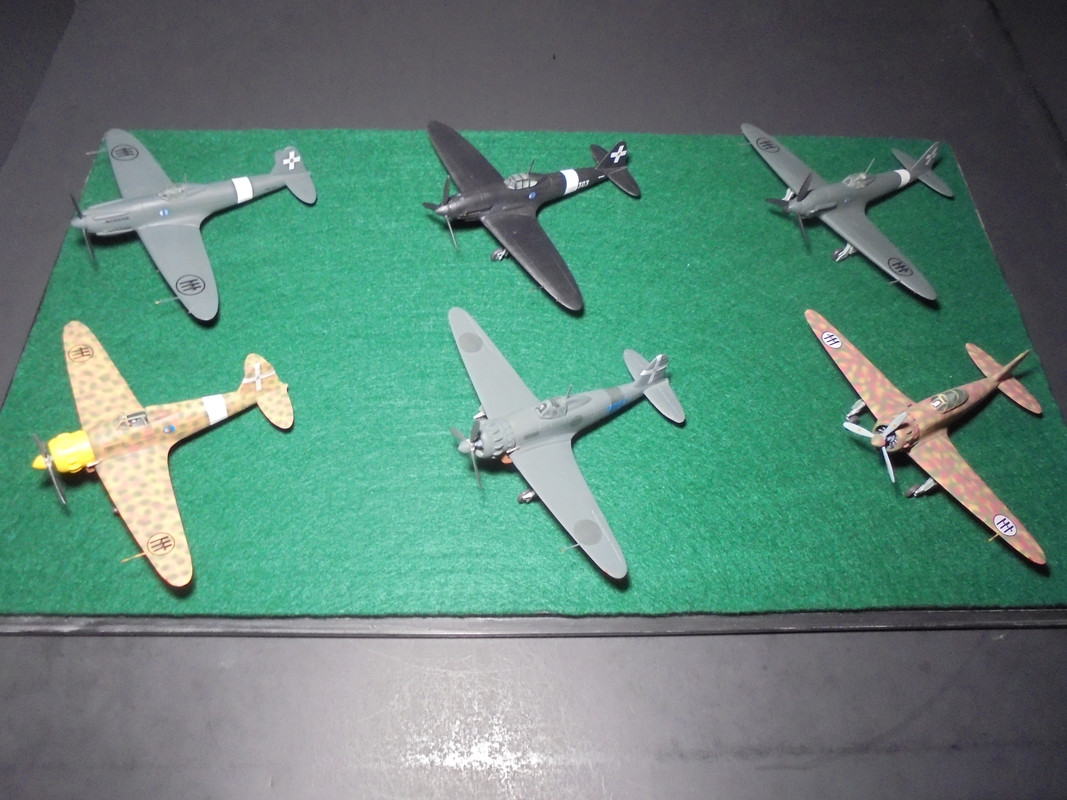
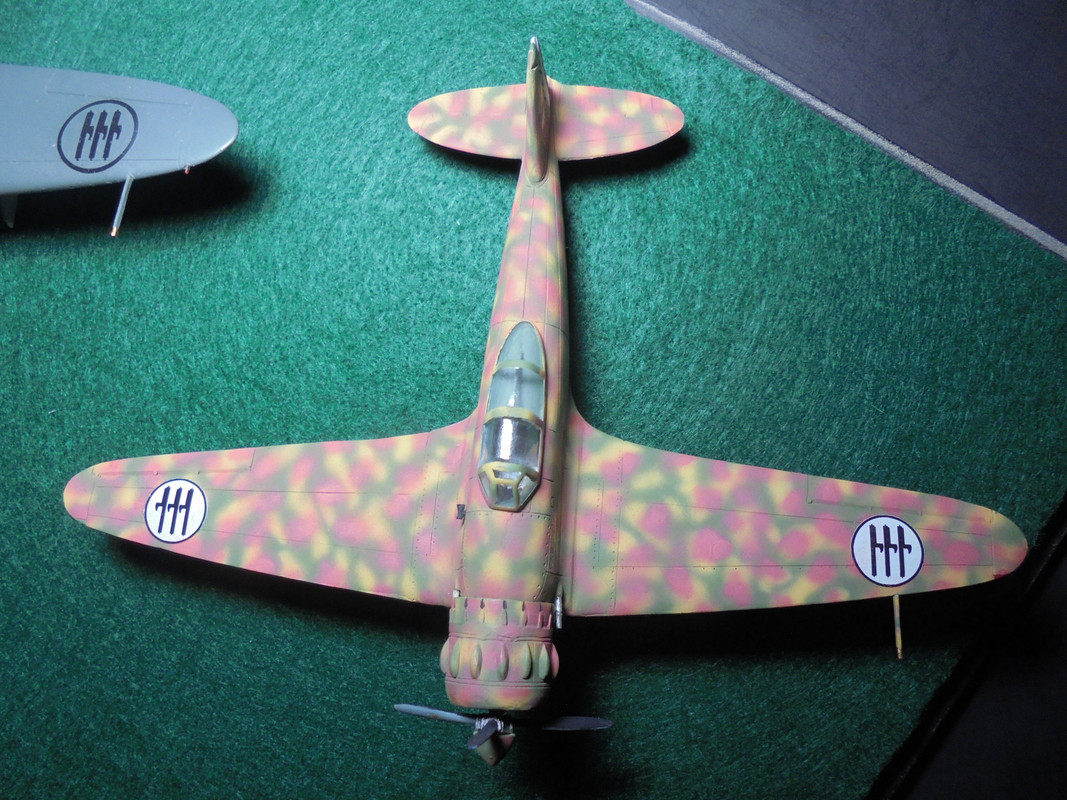
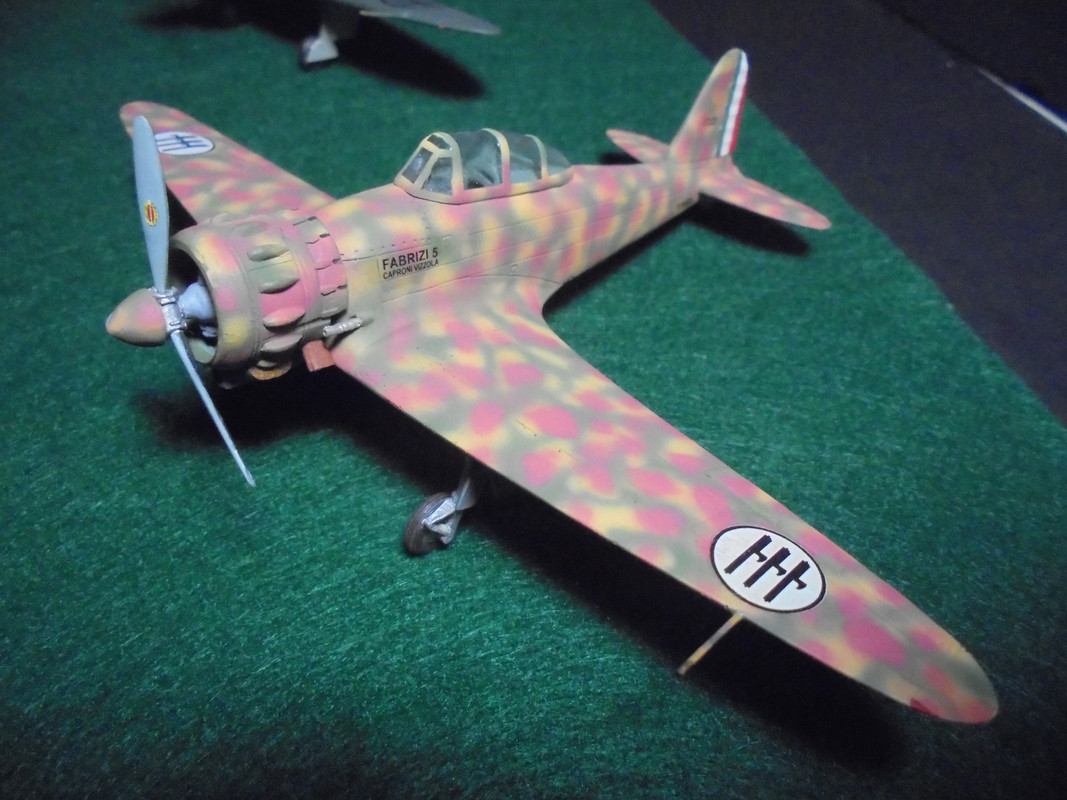
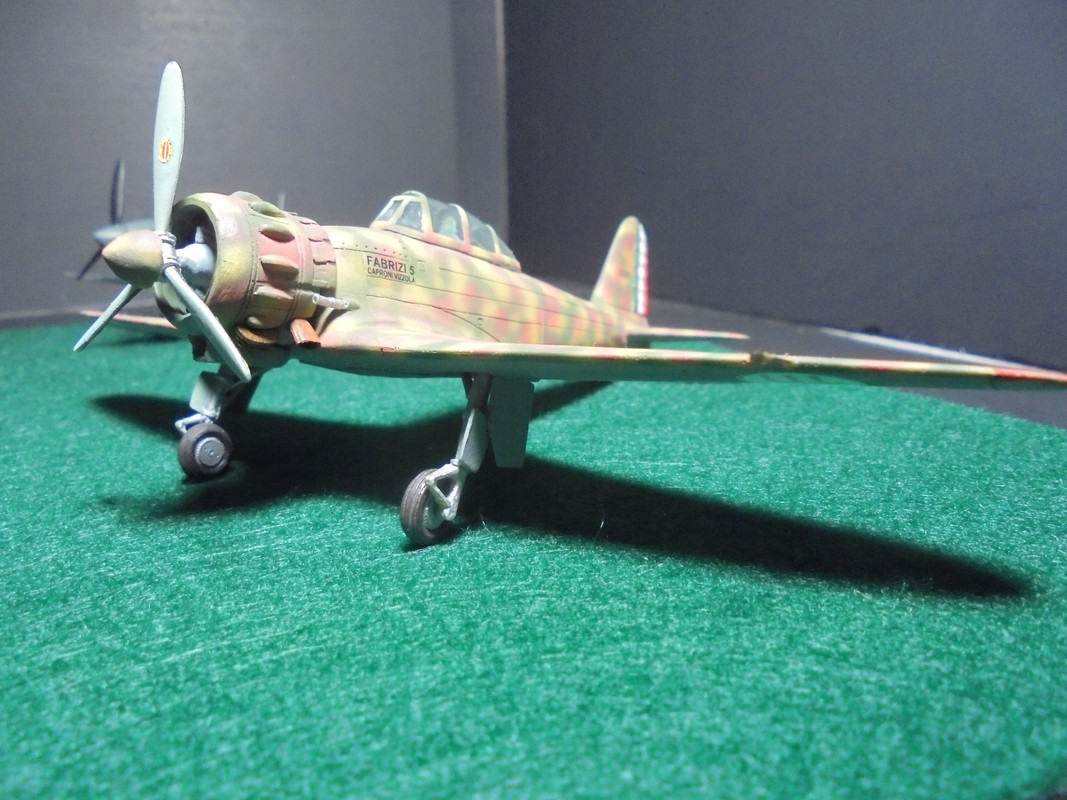
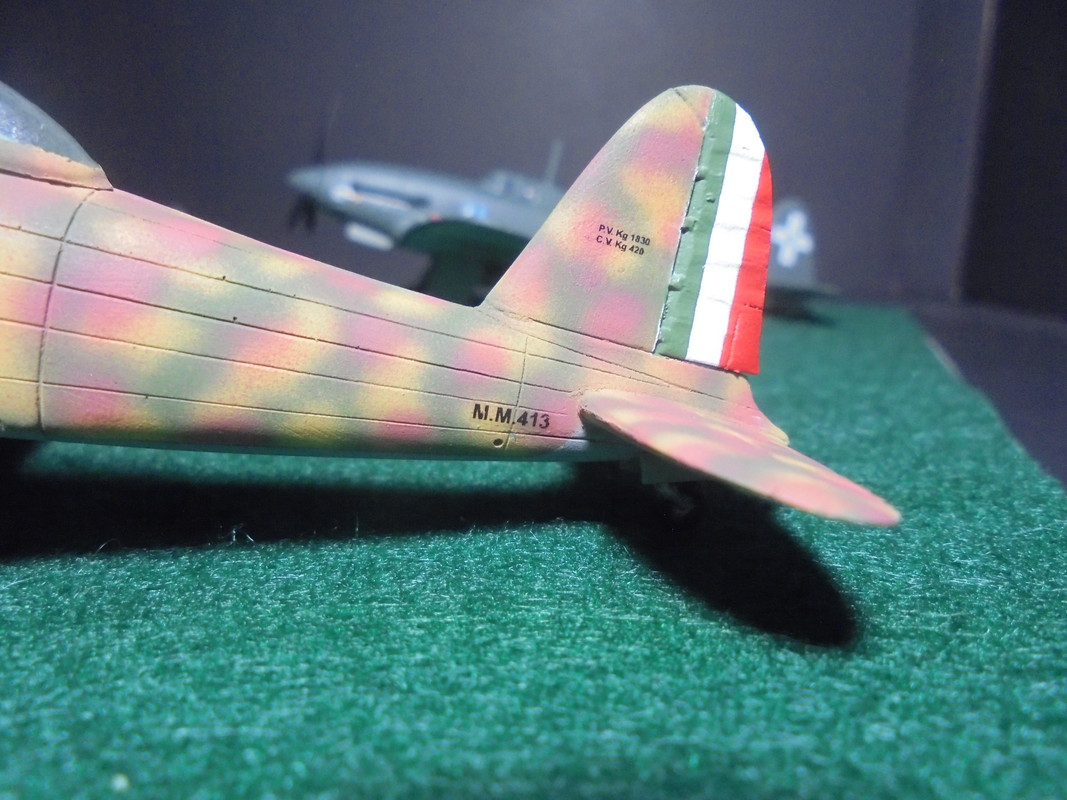
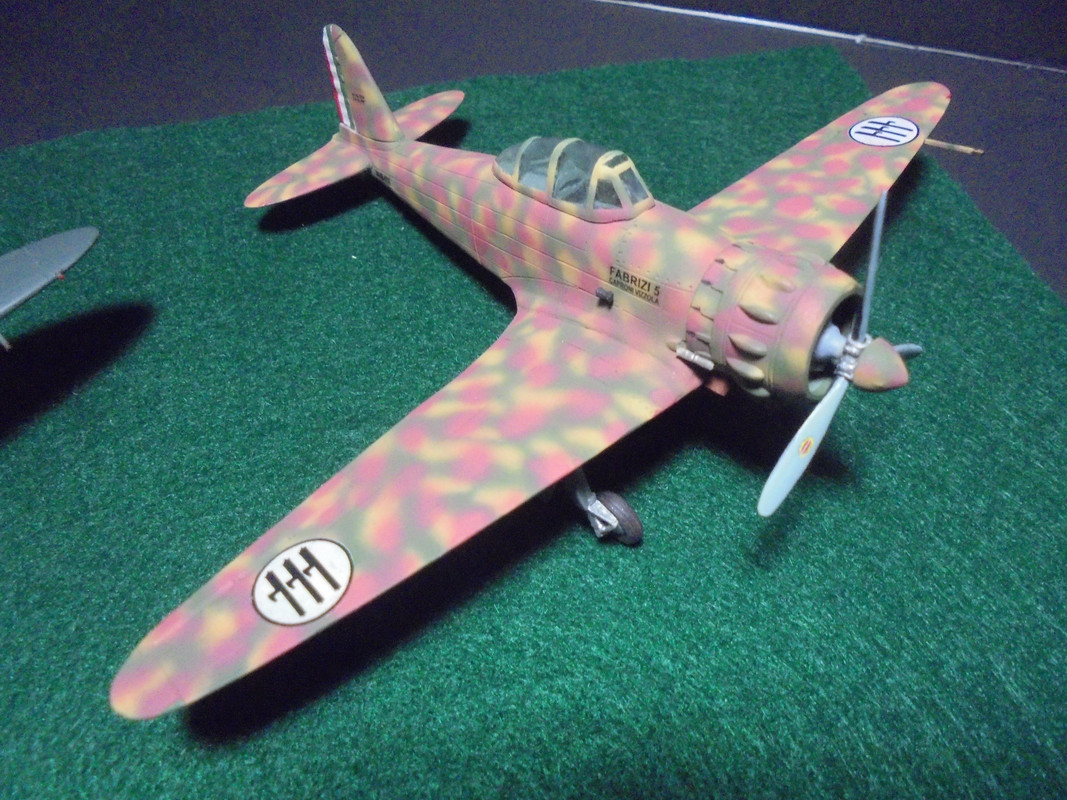
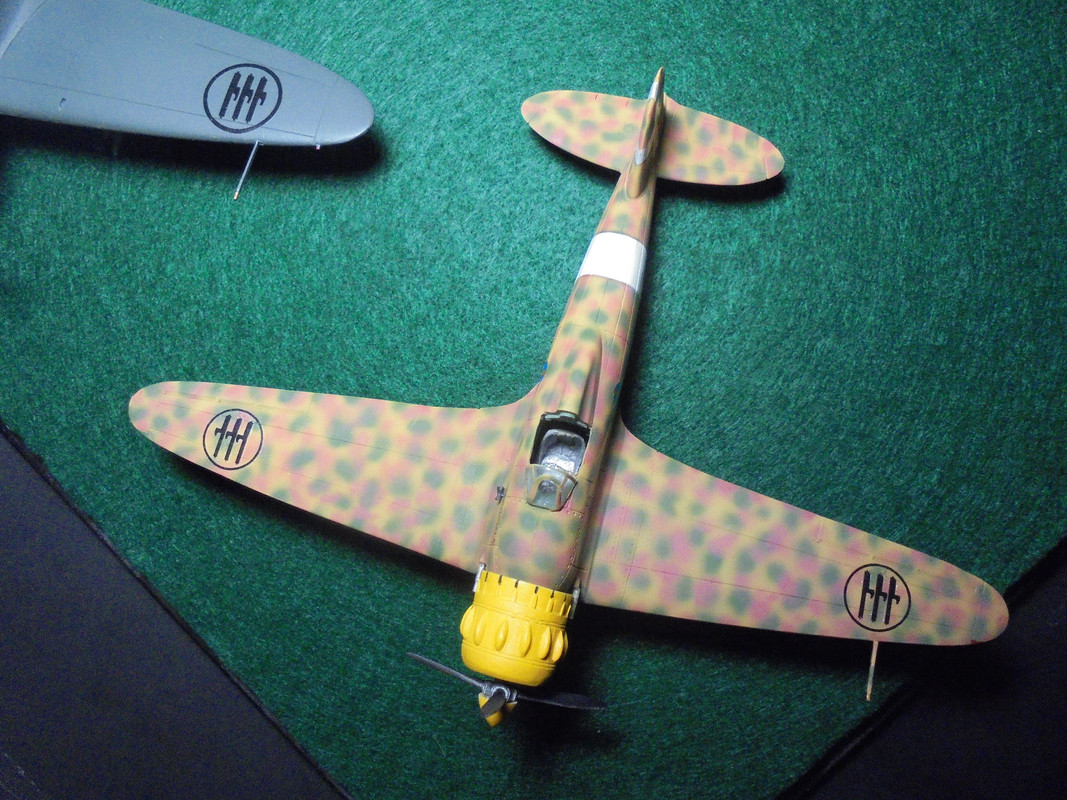
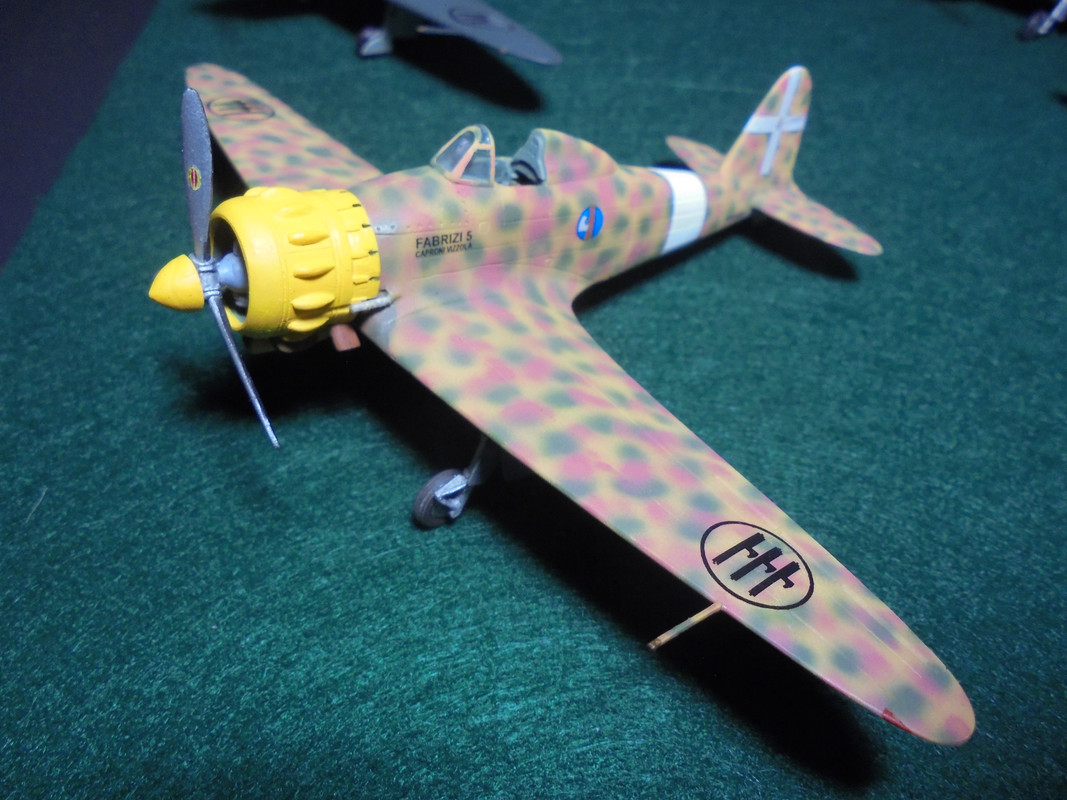
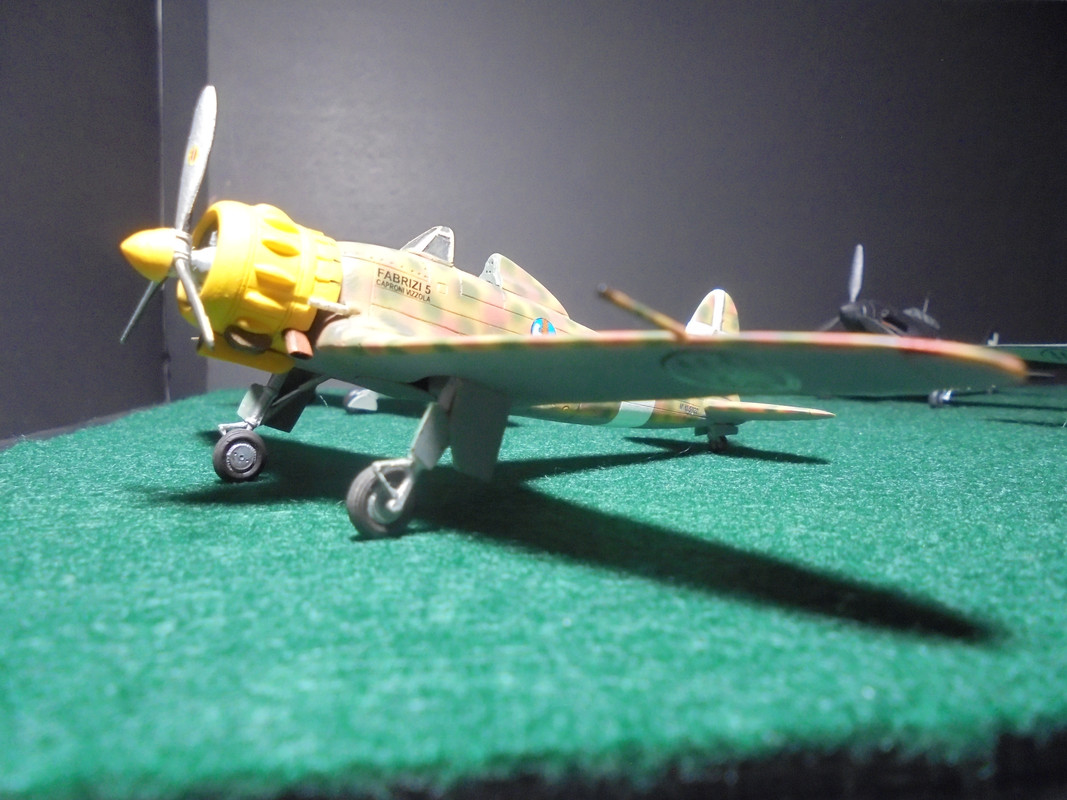
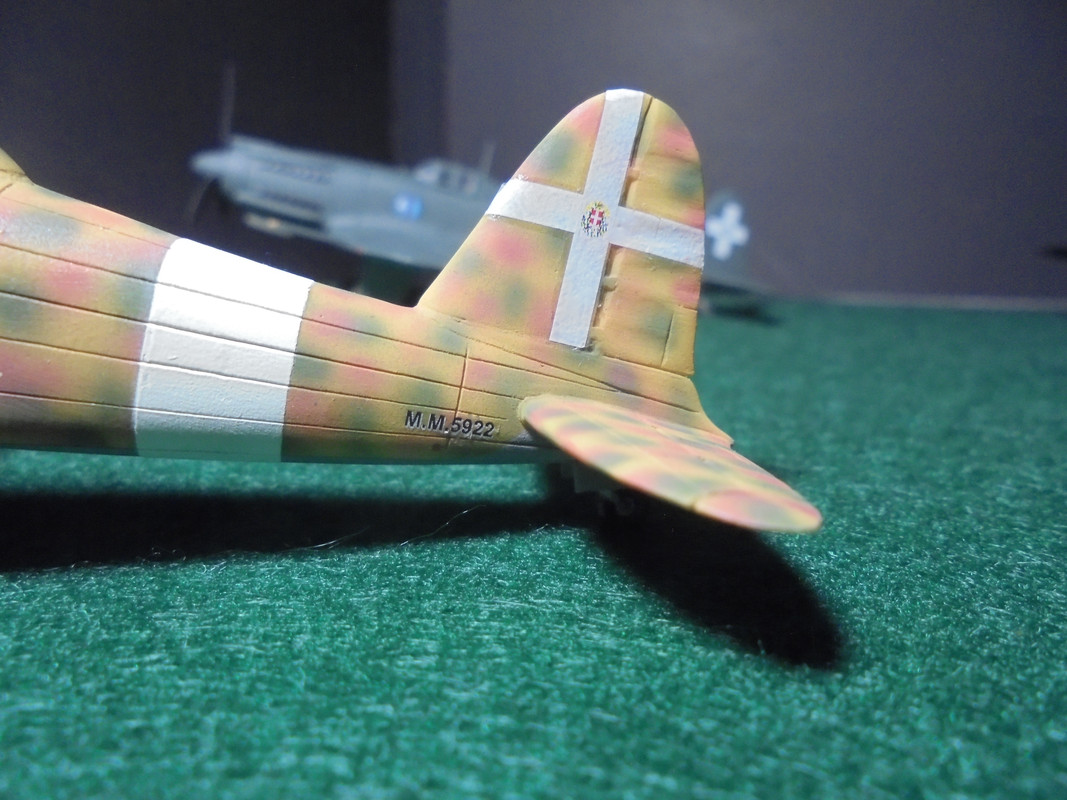
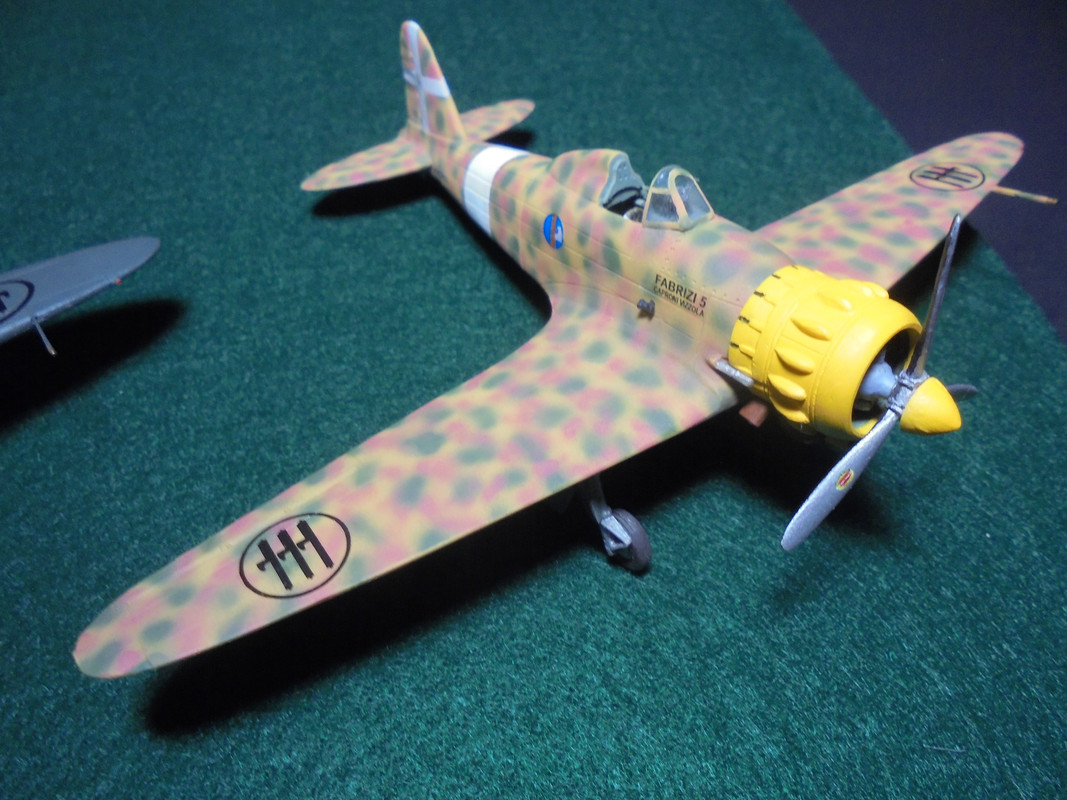
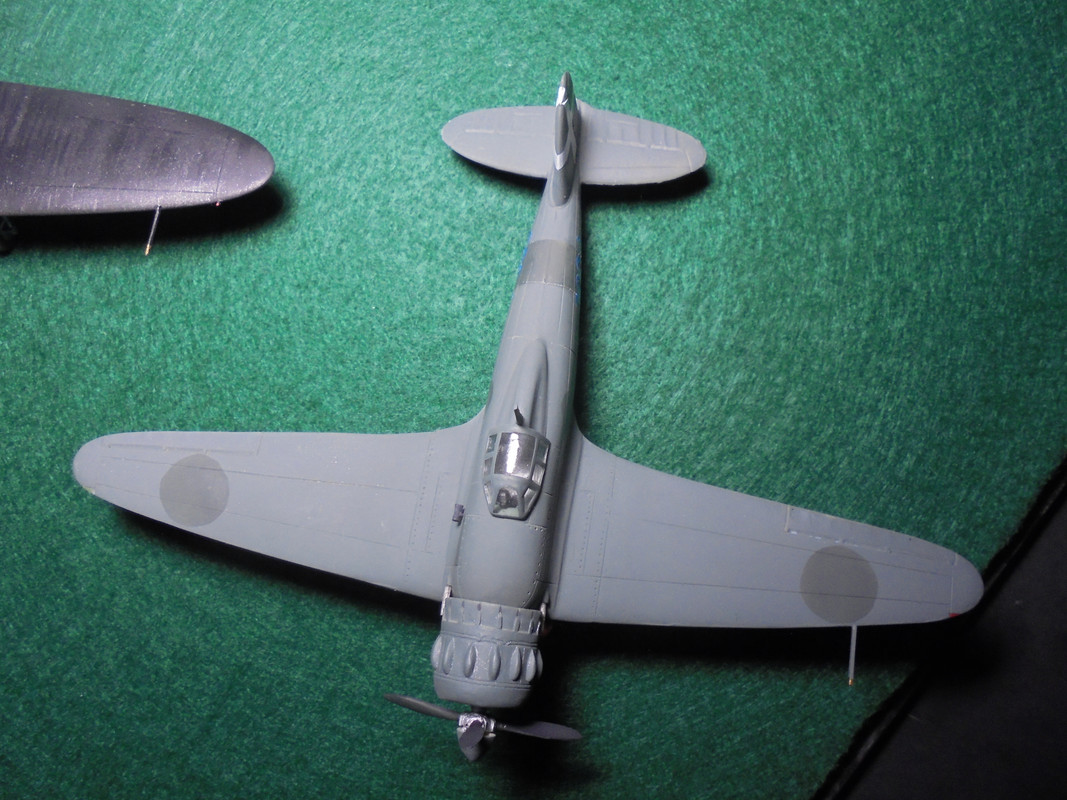
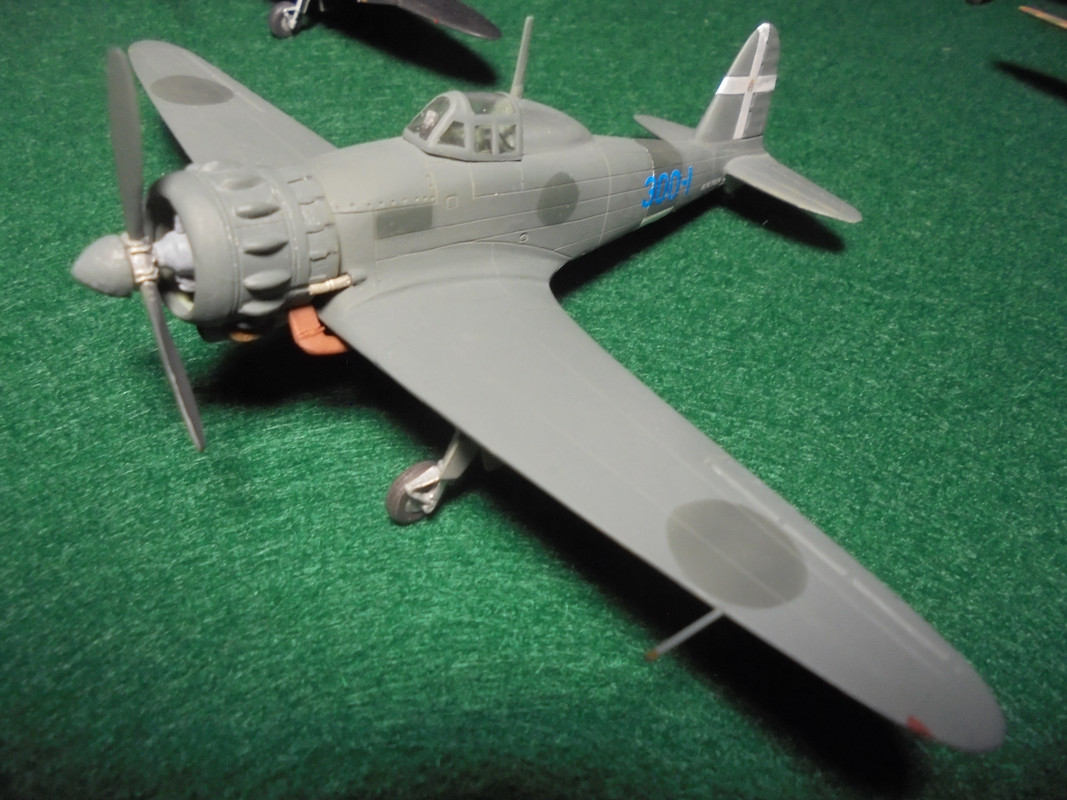
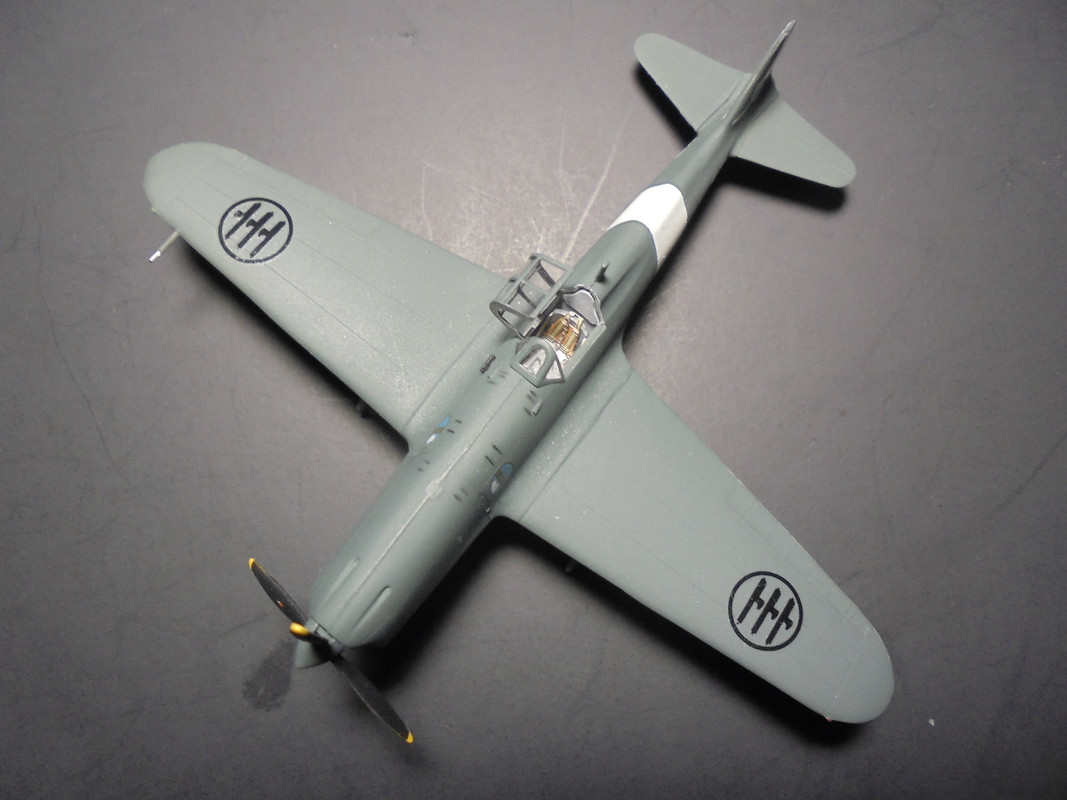
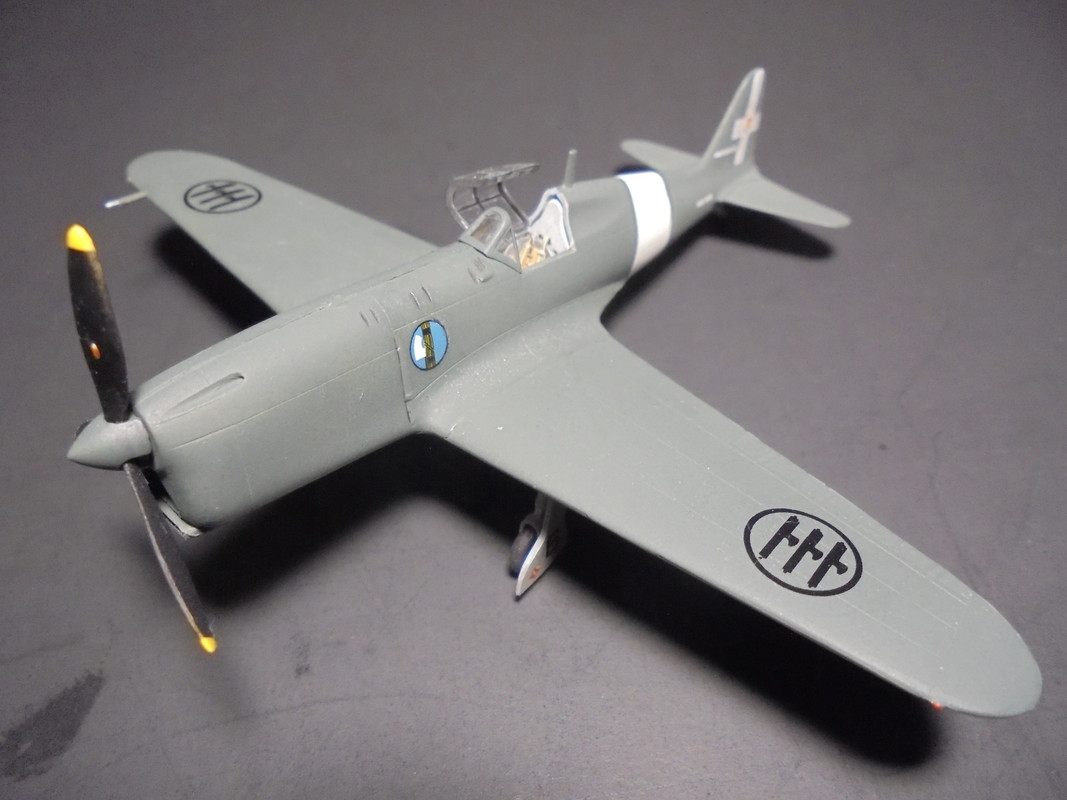
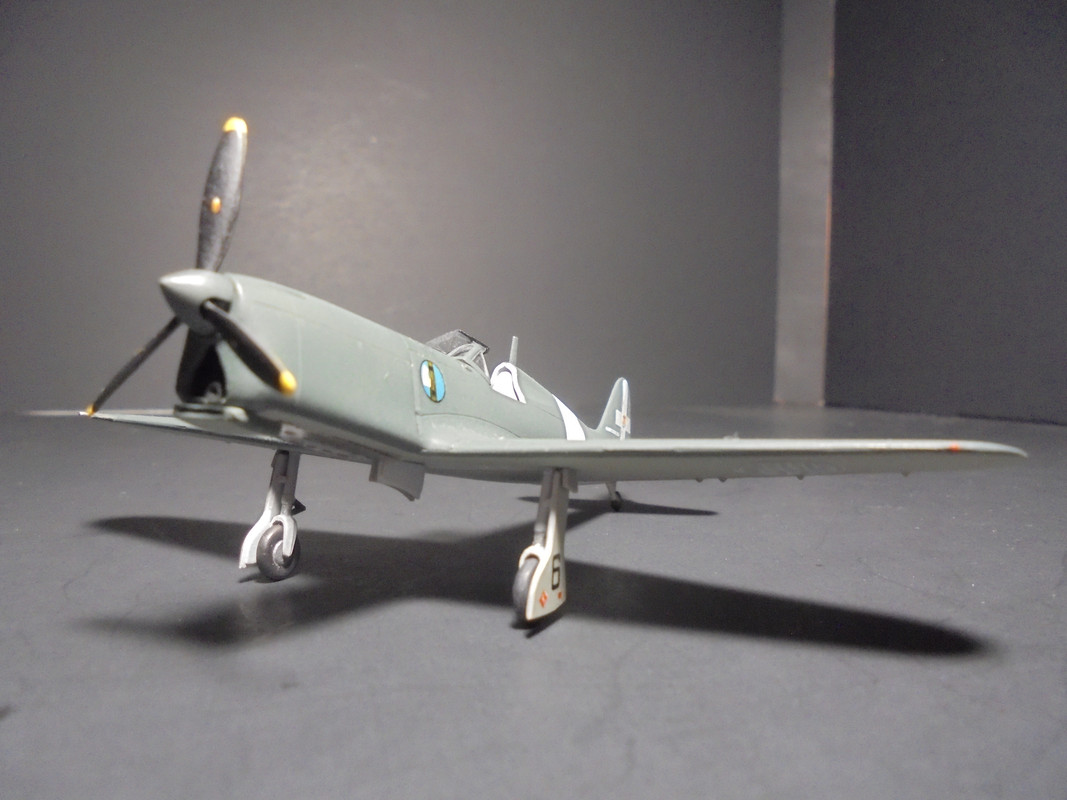
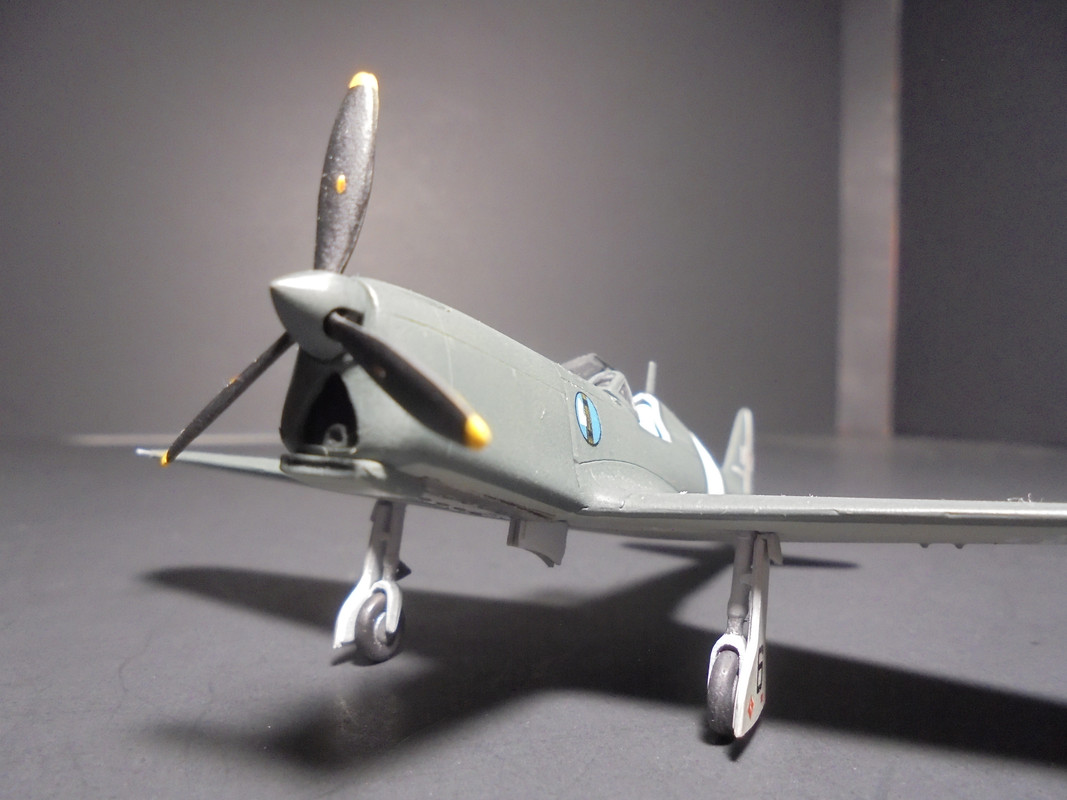
1/72nd Scale LF Models Caproni Vizzola Fighter Prototypes

Post by RetiredInKalifornia » Sat Jun 29, 2024 6:01 am

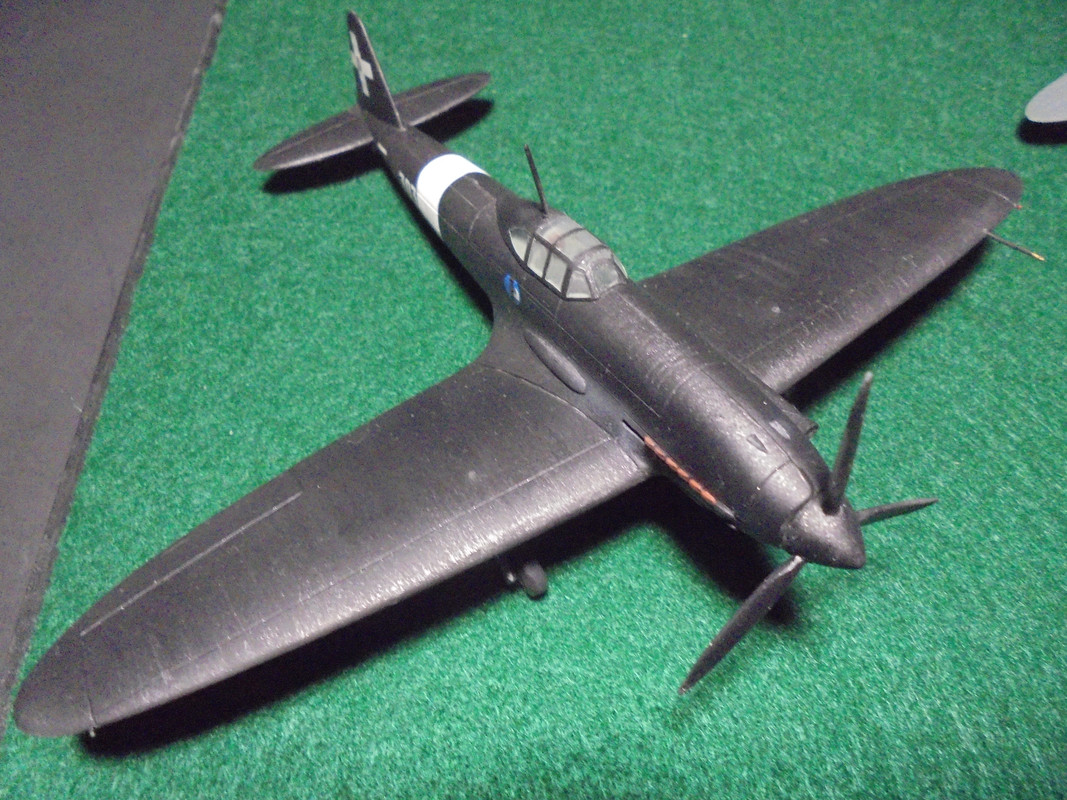
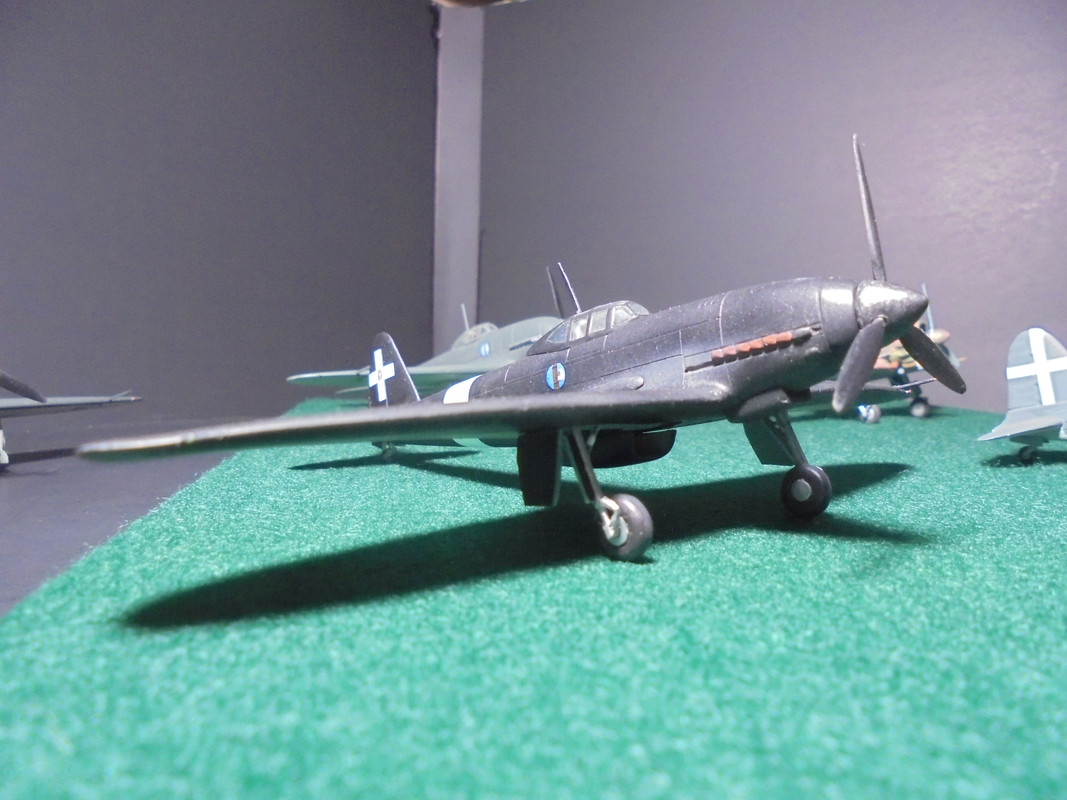
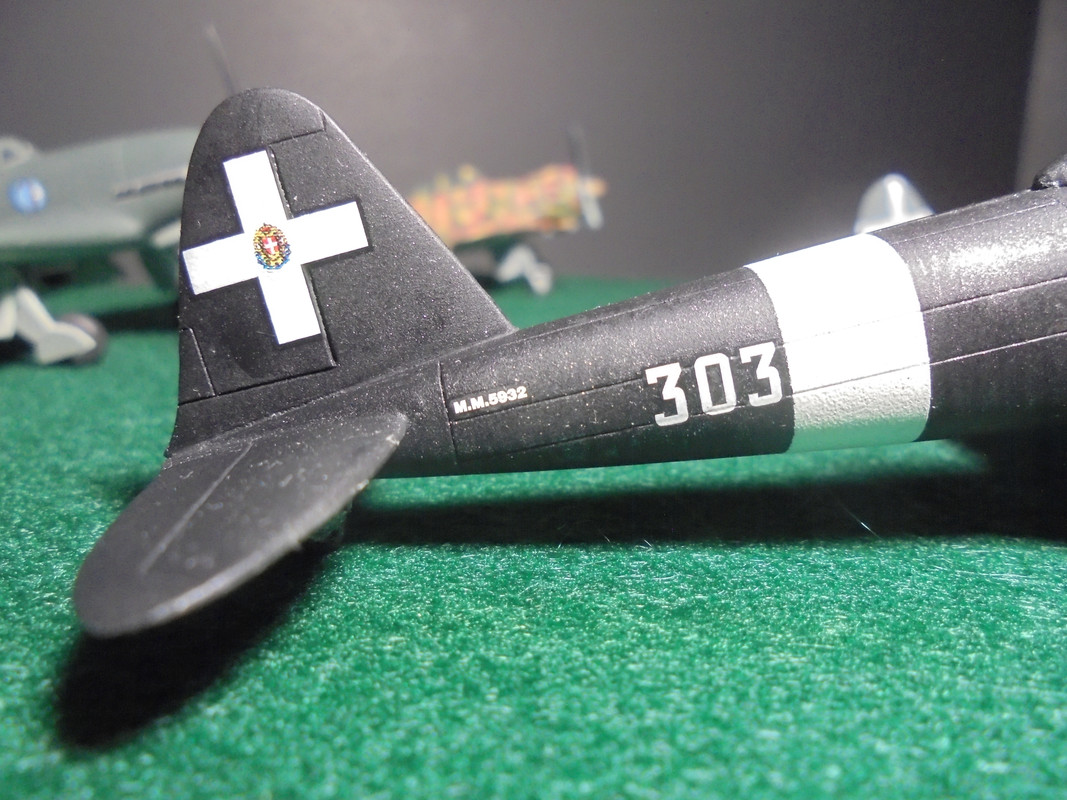
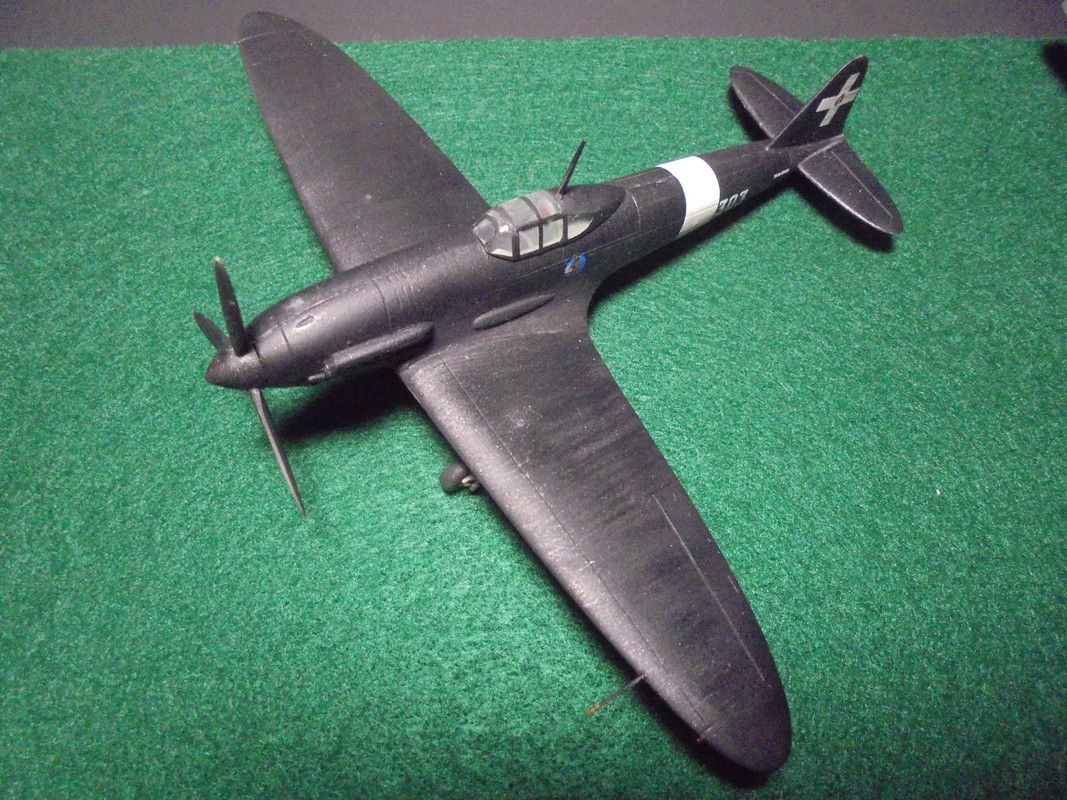
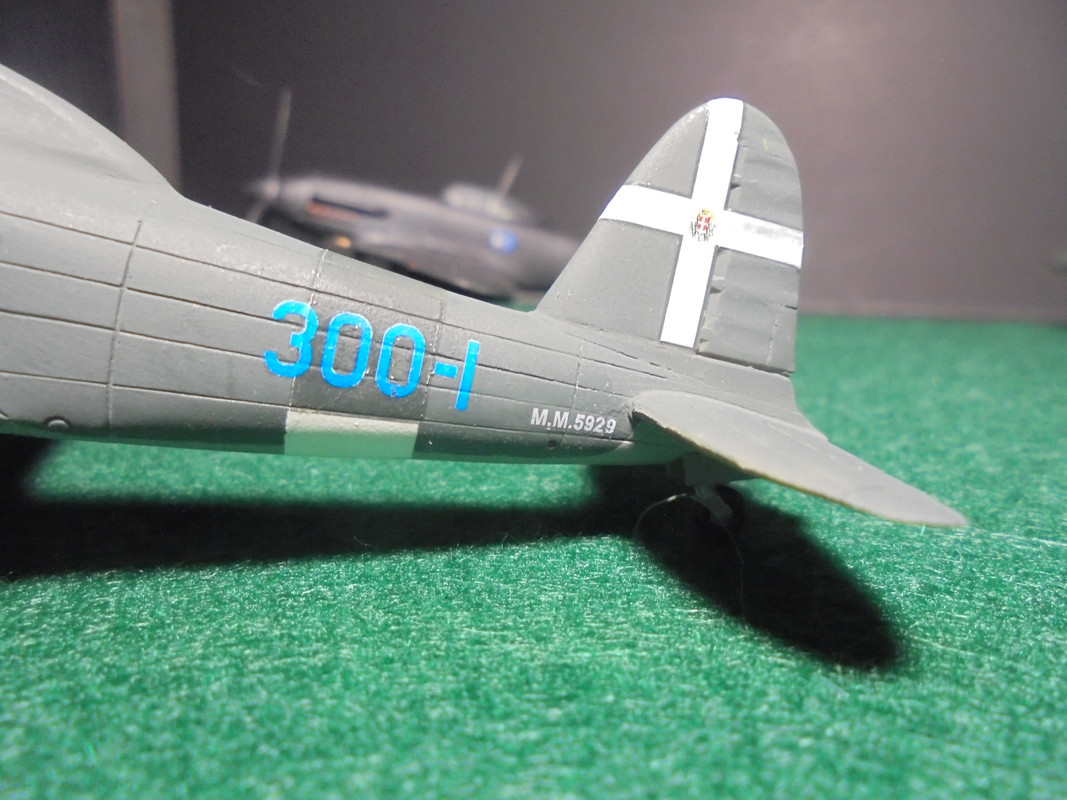
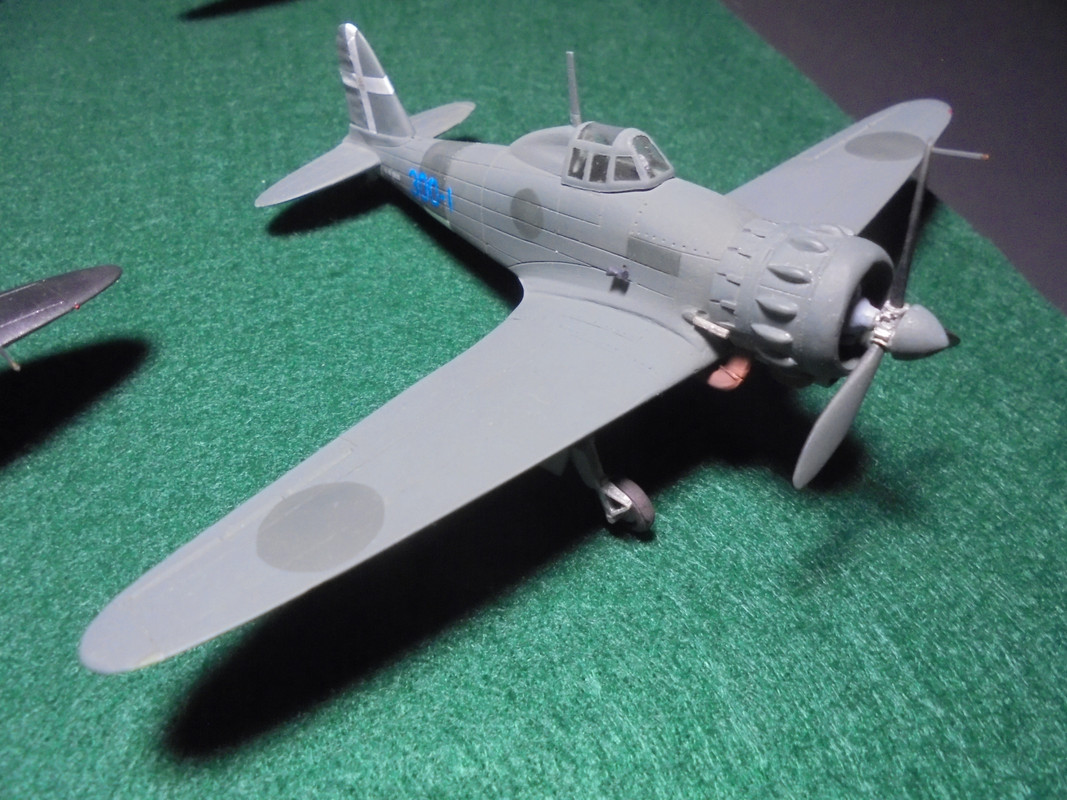
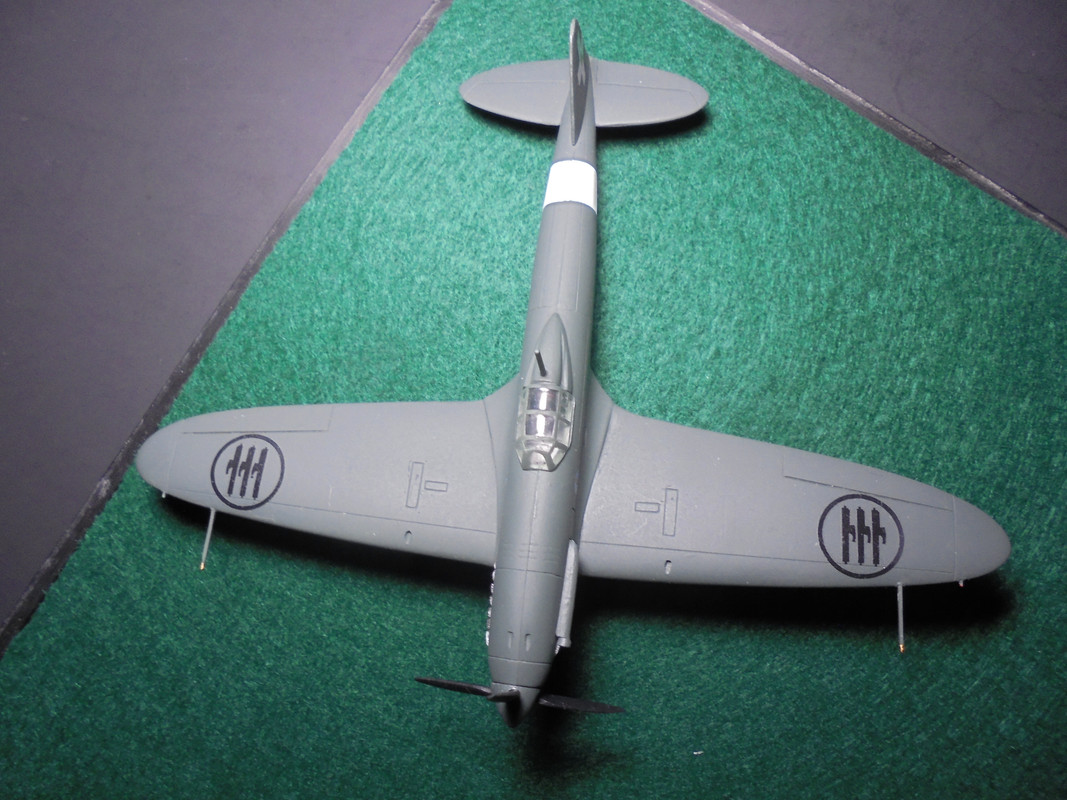
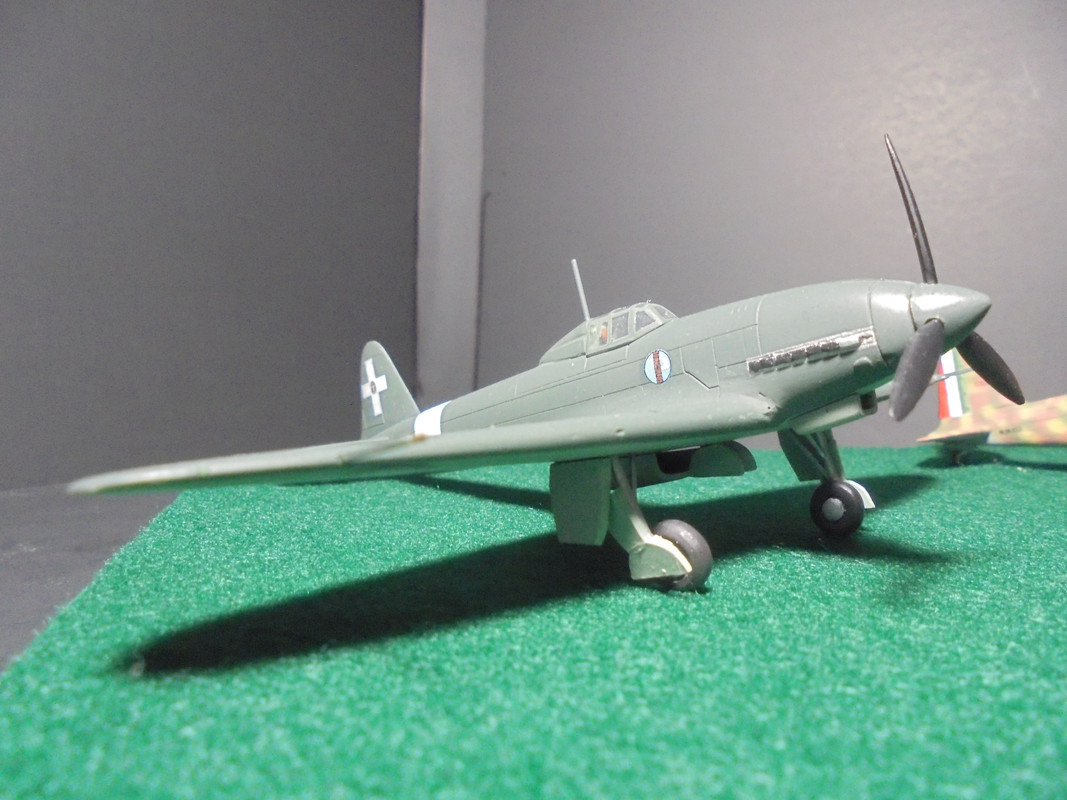
The Caproni Vizzola “F” (Fabrizi) series of swallow-winged composite steel-tube & wood fighter prototypes designed by Fabrizio Fabrizi, Italo Baldessari & Carlo Riparbel from 1937 onwards were more aerodynamically refined than its all-metal contemporary the FIAT G.50 only the FIAT A.74 radial engine-powered F.5 making it into limited production. The prototype F.5 first flying on February 19, 1939 eleven of 12 completed airframes were delivered to the Regia Aeronautica Italiana (RAI) during 1939-40 for operational evalution serving with 300 Squadriglia, 51 Stormo then 167 Gruppo as night fighters in 1942, one reengined with a license-built Daimler-Benz DB 601 inverted V-12 liquid-cooled engine as the F.5bis prototype.

Developed in parallel with the F.5 the yet more aerodynamically refined F.4 - the 12th aforementioned F.5 airframe to be powered by a Isotta Fraschini Asso 121 R.C.40 upright V-12 - first flew in July 1940 powered iby a DB 601 after the RAI forbade the Asso in fighters, 303 Squadriglia known to have operated it experimentally during 1942. Developed beyond the F.4 the F.6M (Metallico) & F.6Z (Isotta Fraschini Zeta engine) had cantilever metal wings, former first flying in September 1941 powered by an inverted V-12 DB 605, latter August 1943 by the experimental 24 cylinder X-type Zeta. Damaged in a collision at Bresso, Milan airfield no further flight evaluations of the F.4 prototype were made, unable to resolve operational problems with the Zeta engine during flight testing conducted August & early September 1943 development of the F.6Z ended with the September 8th Italian armistice.


Photos Taken August 2, 2017:

Image

Image

All Photos Taken June 13, 2021:

Image

Image

Image

Image

Image

F.4 Kit No.7272

Image

Image

Image

Image

Image

F.5 Kit No.72194

Image

Image

Image

Image

Image

F.5 Kit No.72195

Image

Image

Image

Image

Image

F.5 Kit No.72196

Image

Image

Image

Image

Image

F.6M Kit No.7274

Image

Image

Image

Image

Image

F.6Z Kit No.7281

Image

Image

Image

Image

Image

User avatar
RetiredInKalifornia
Generale di Divisone Aerea
Posts: 568
Joined: Fri Jun 14, 2019 6:34 pm

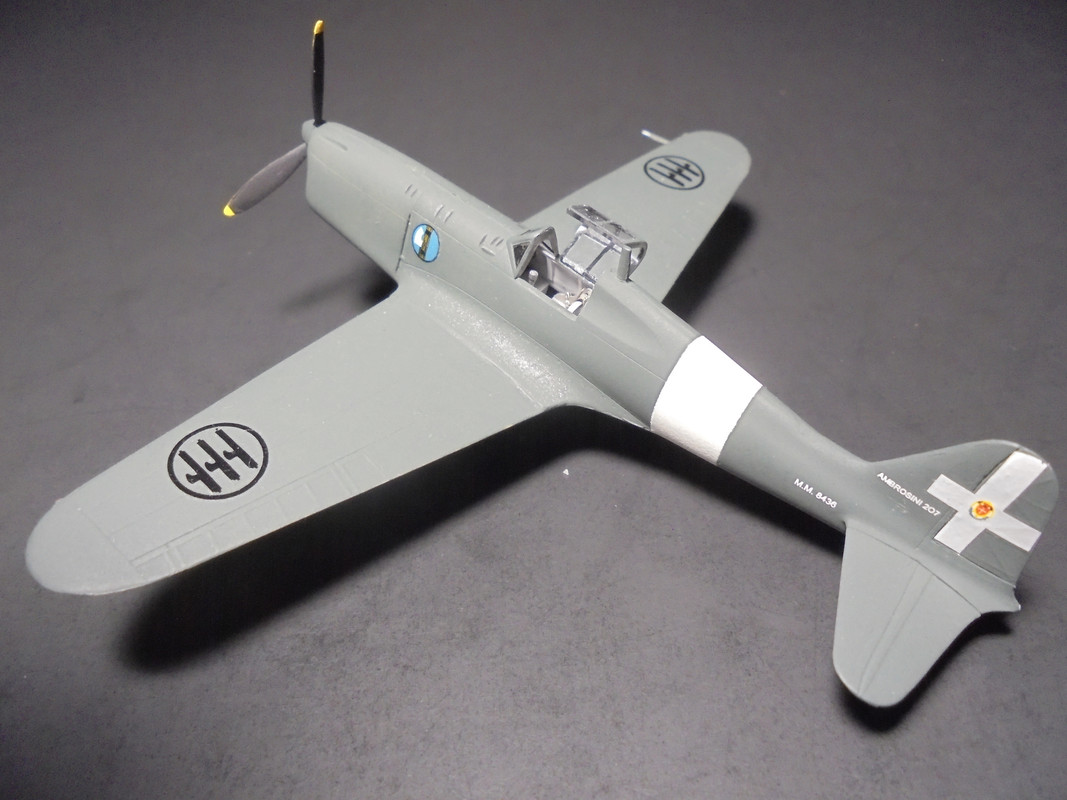
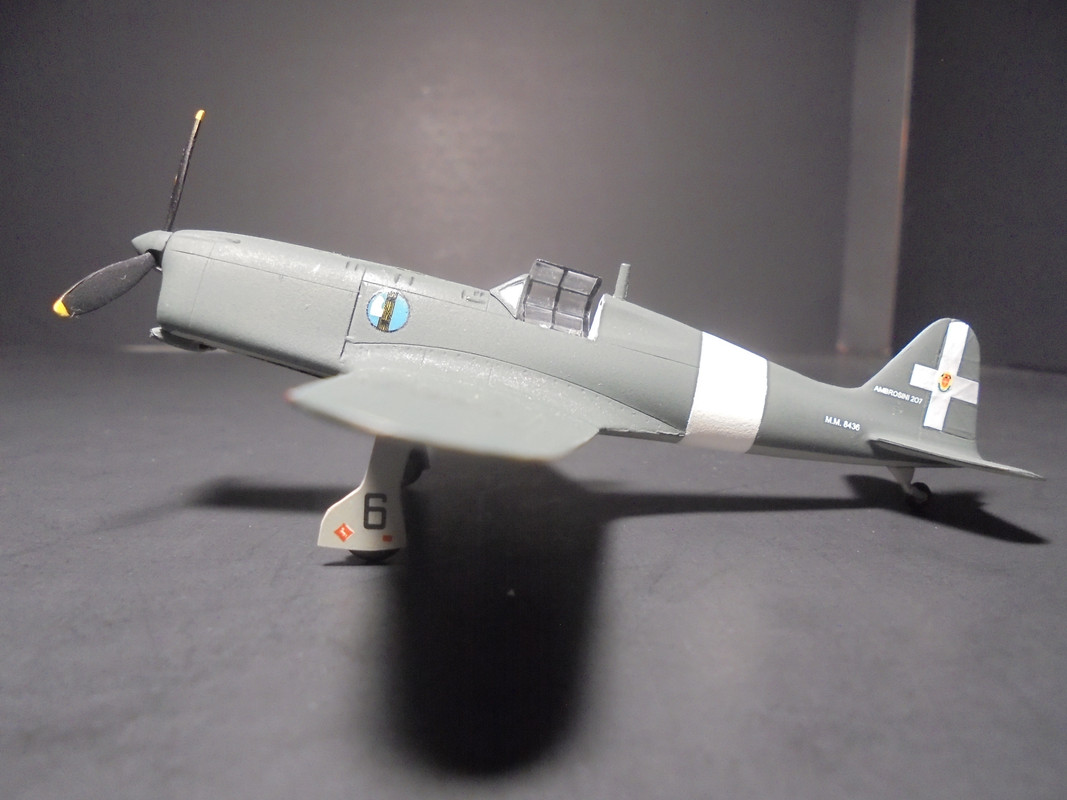
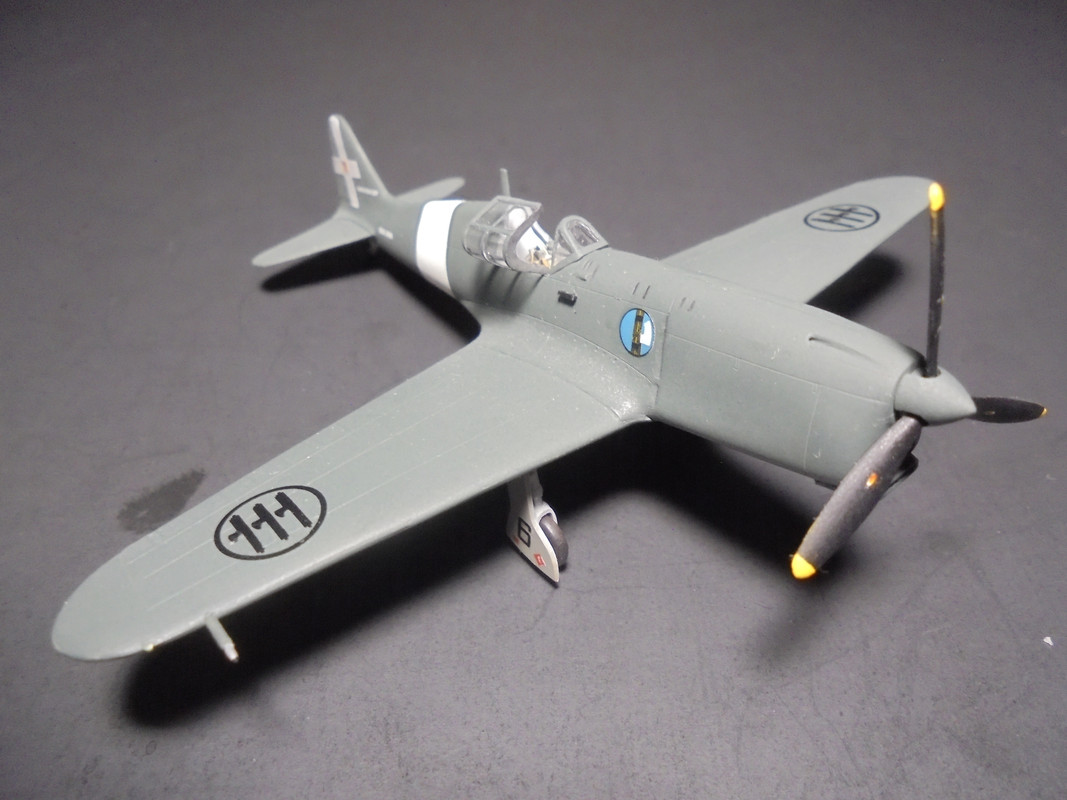
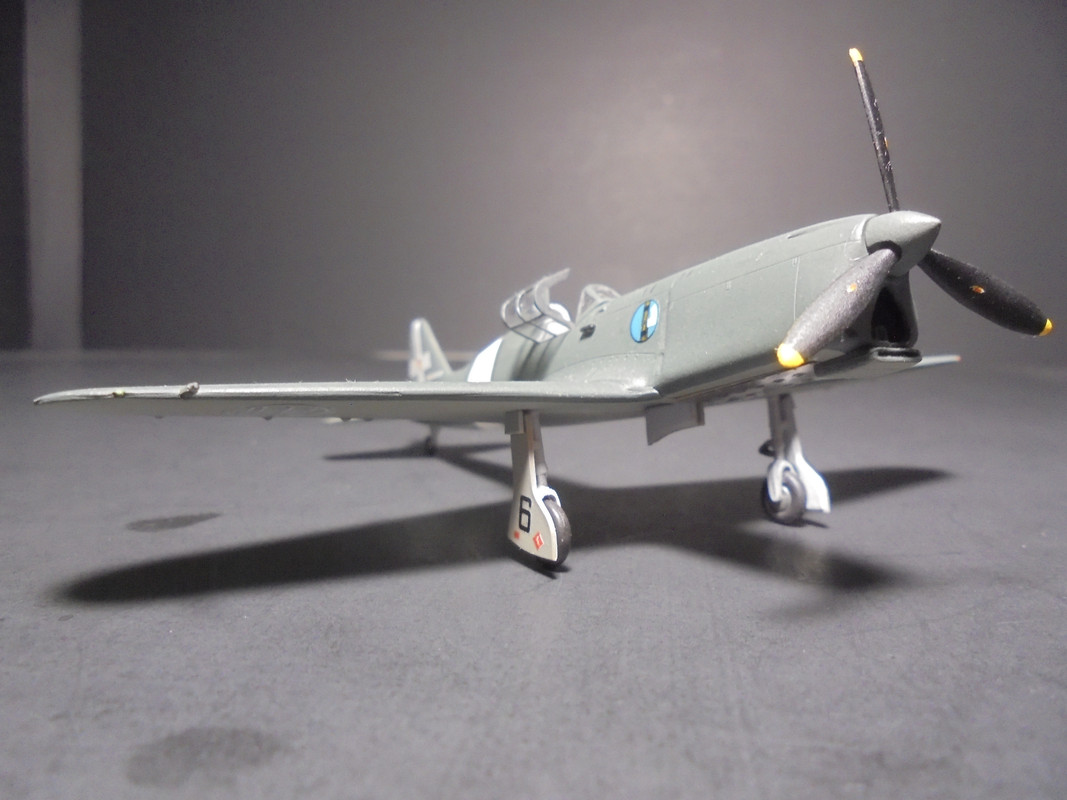
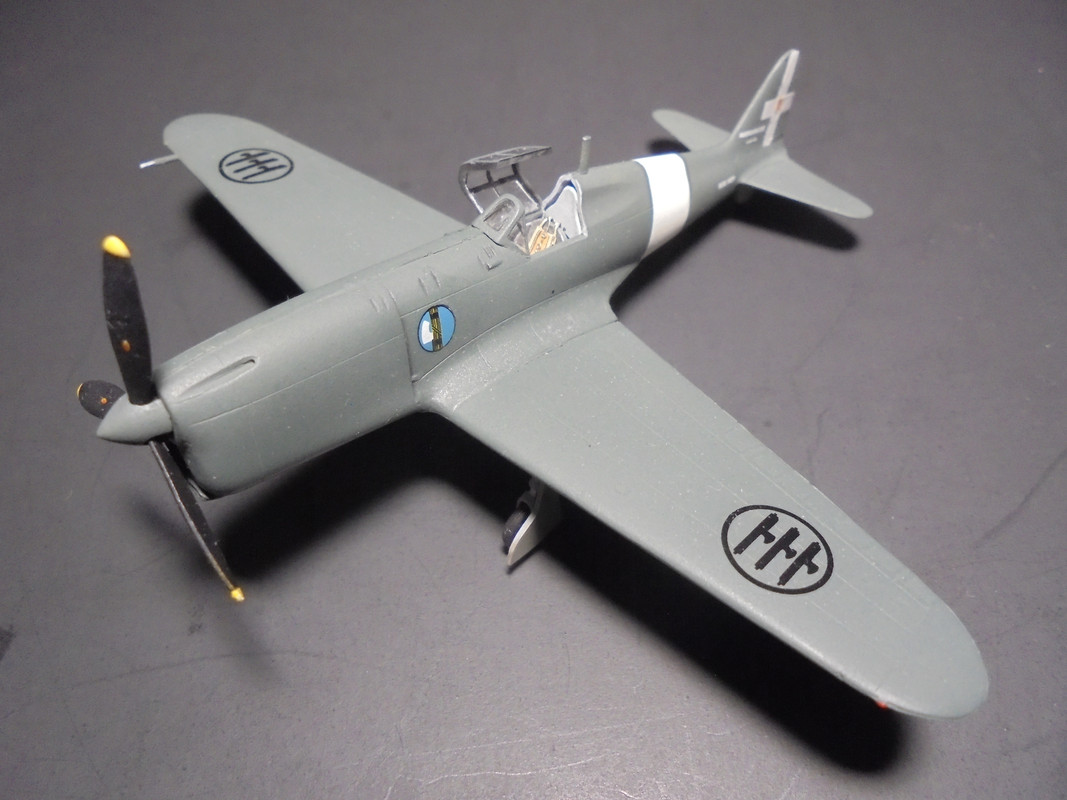
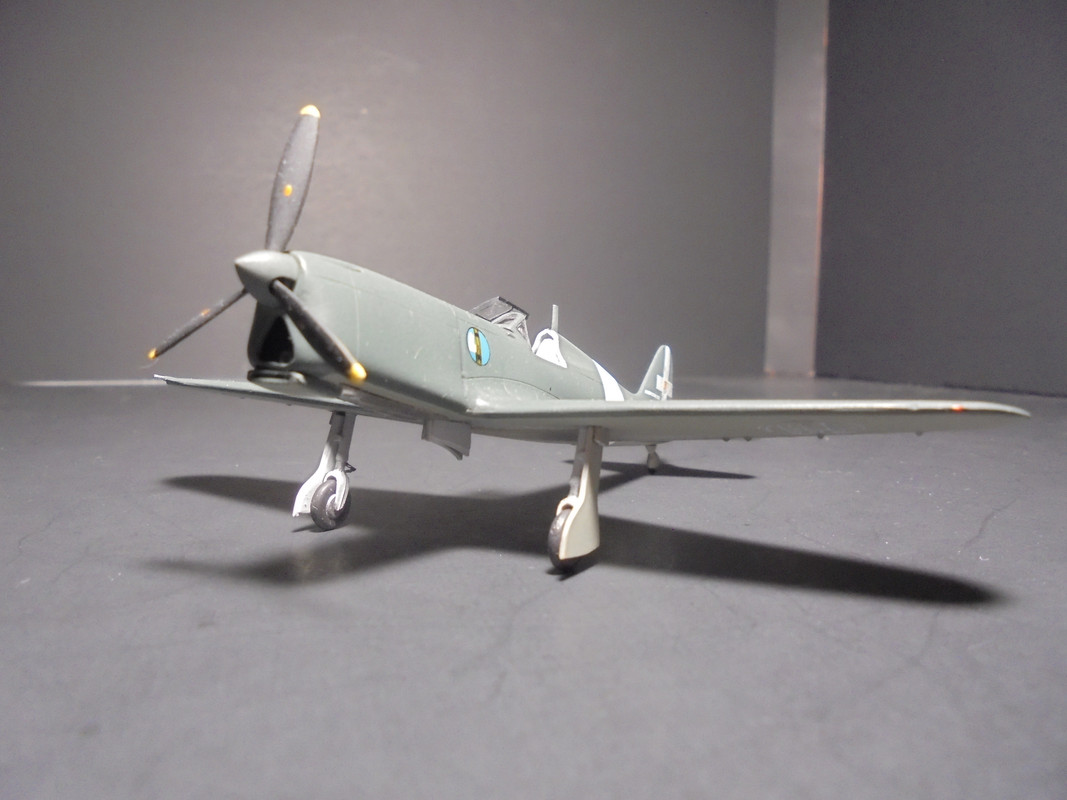
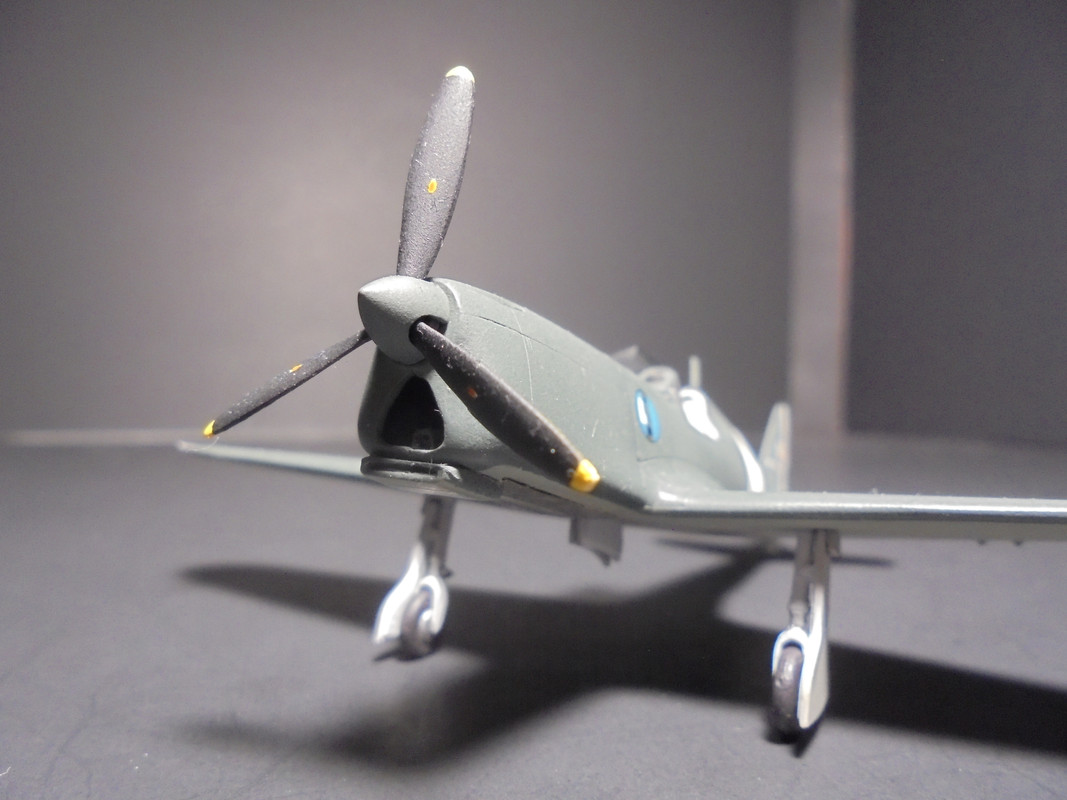
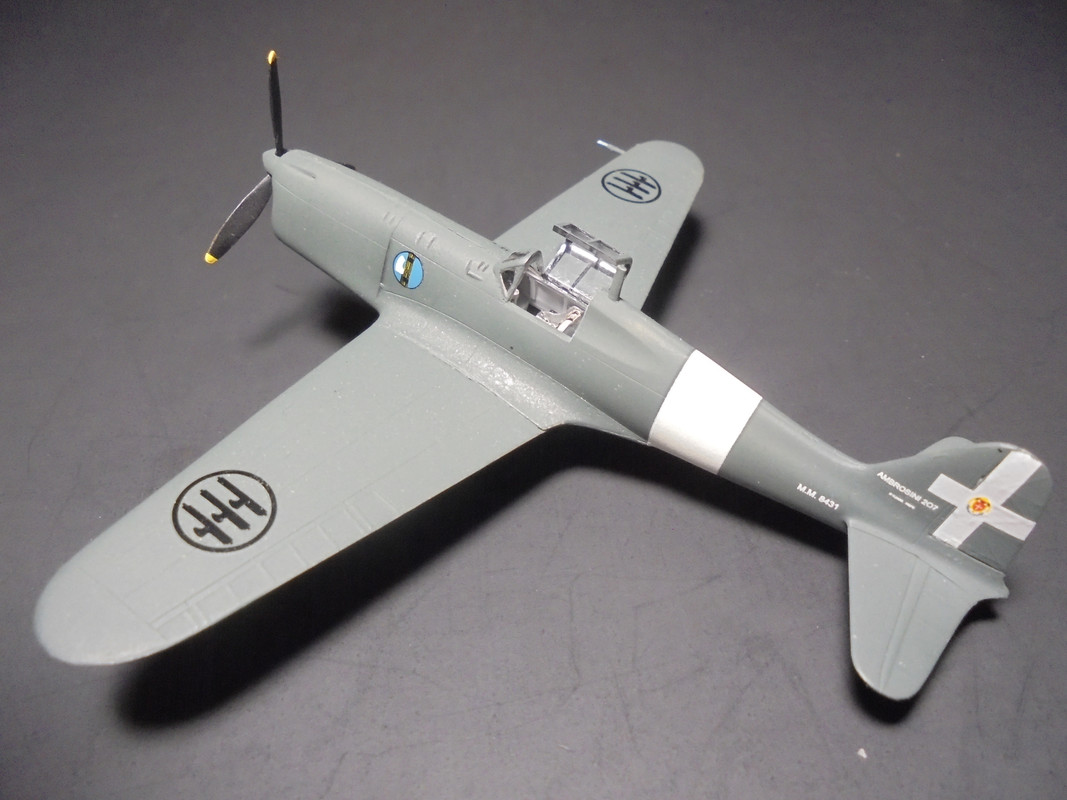
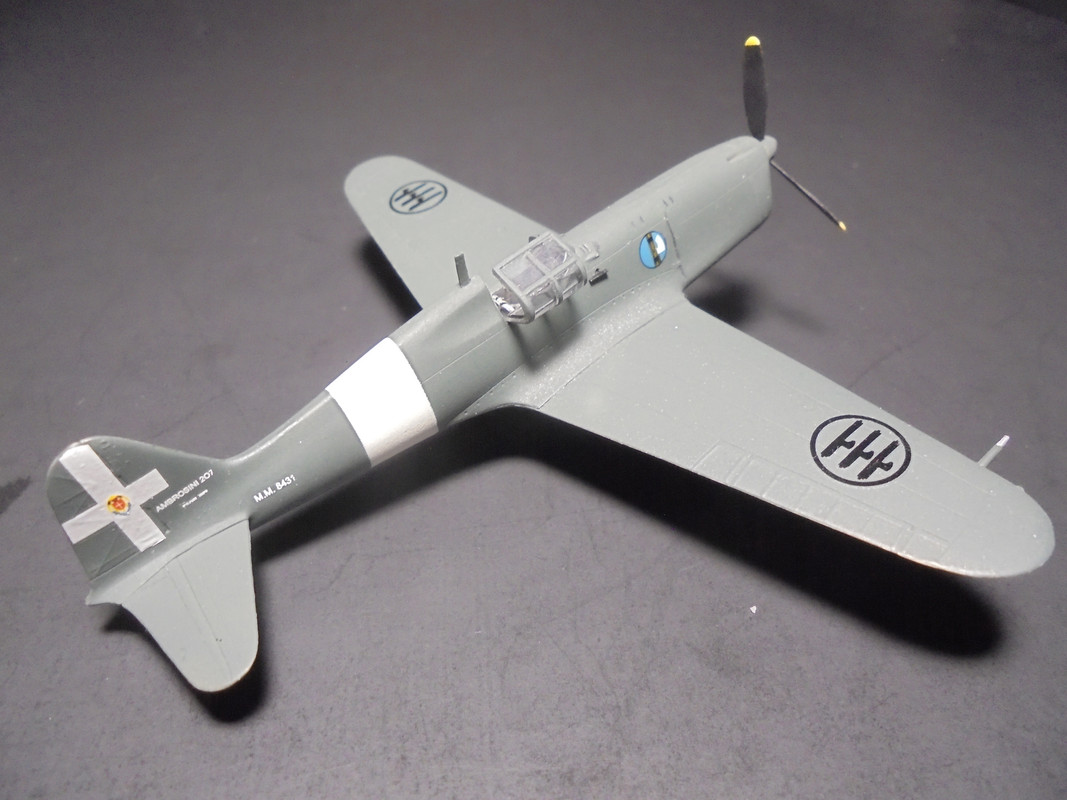
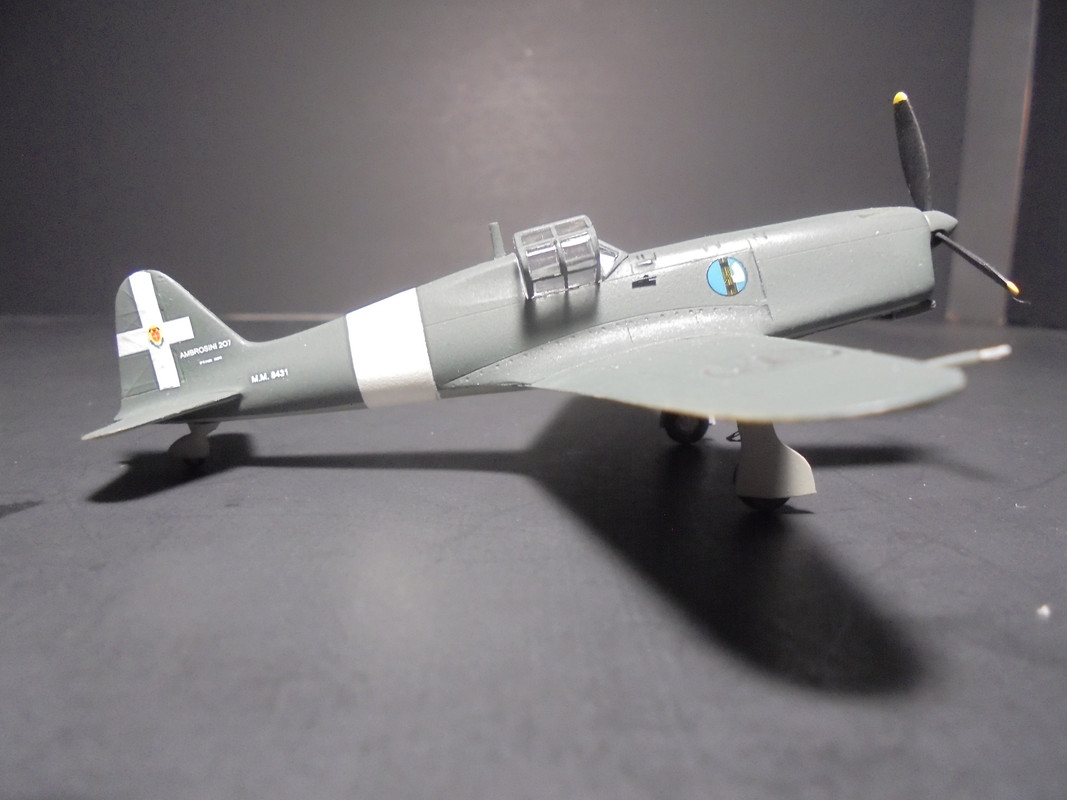
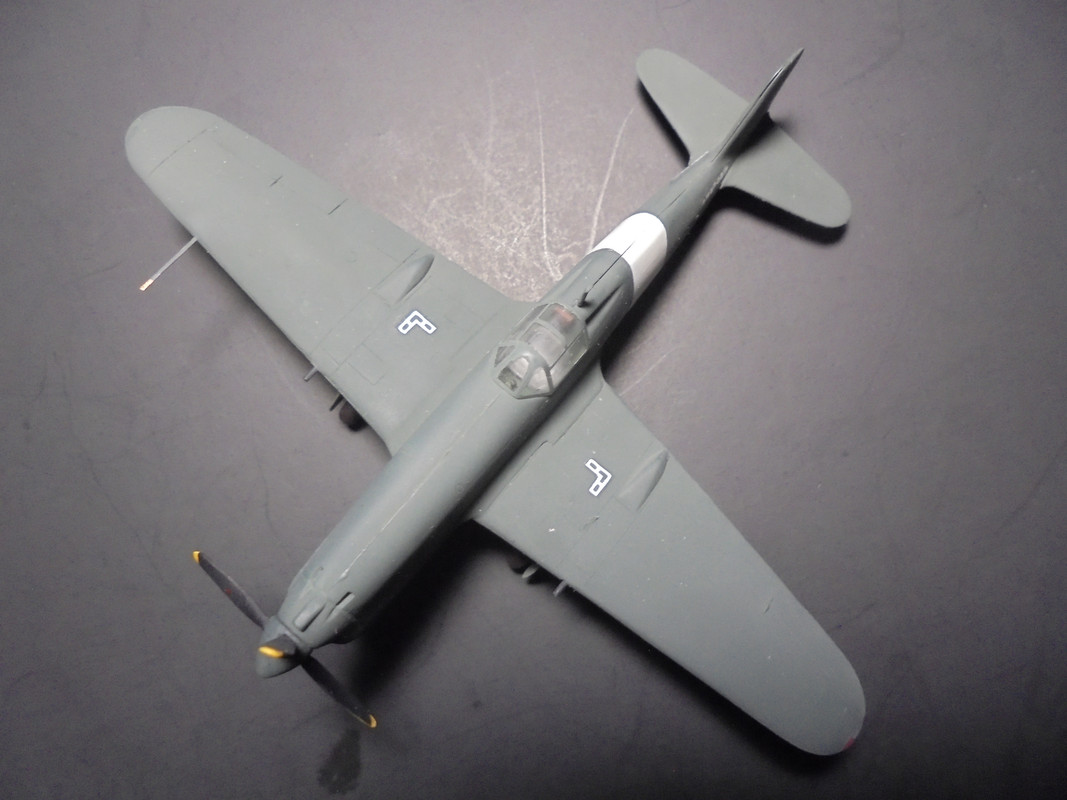
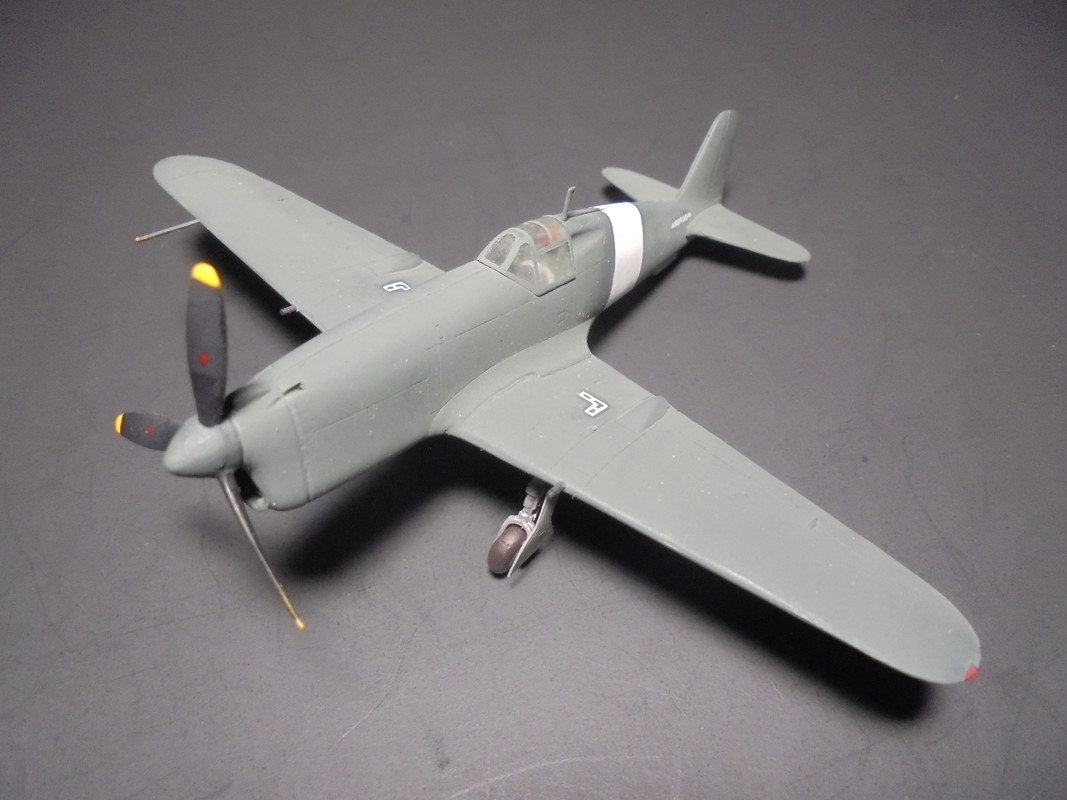
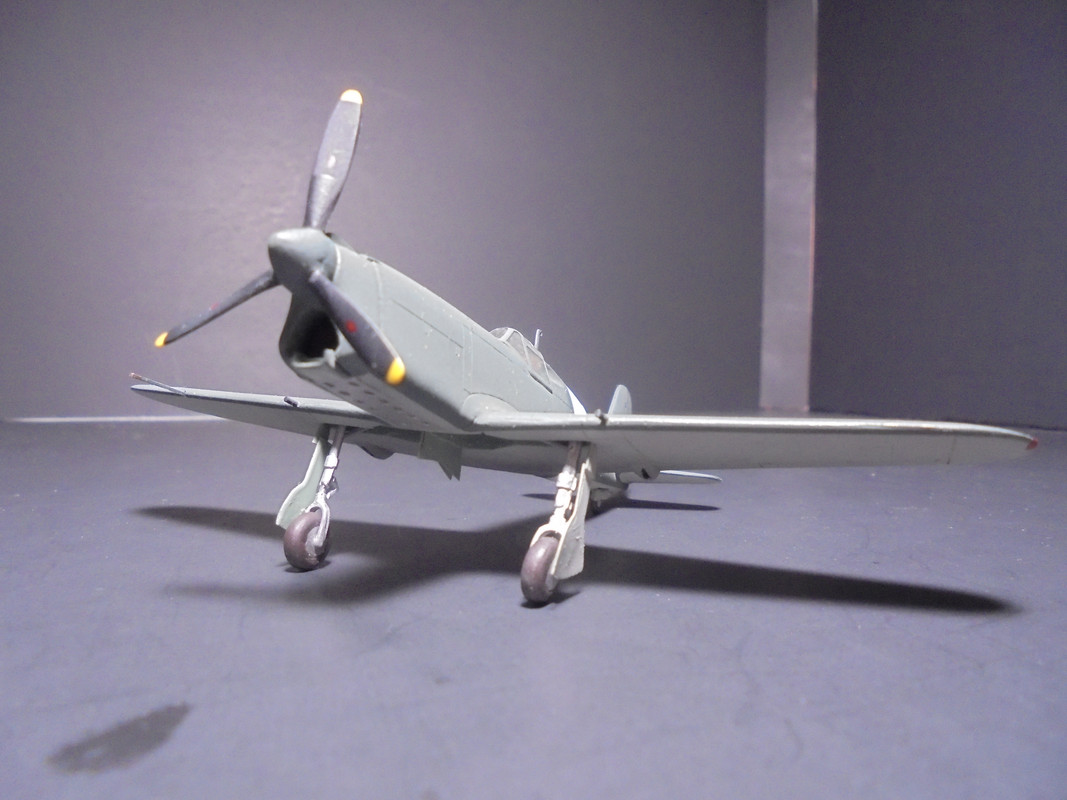
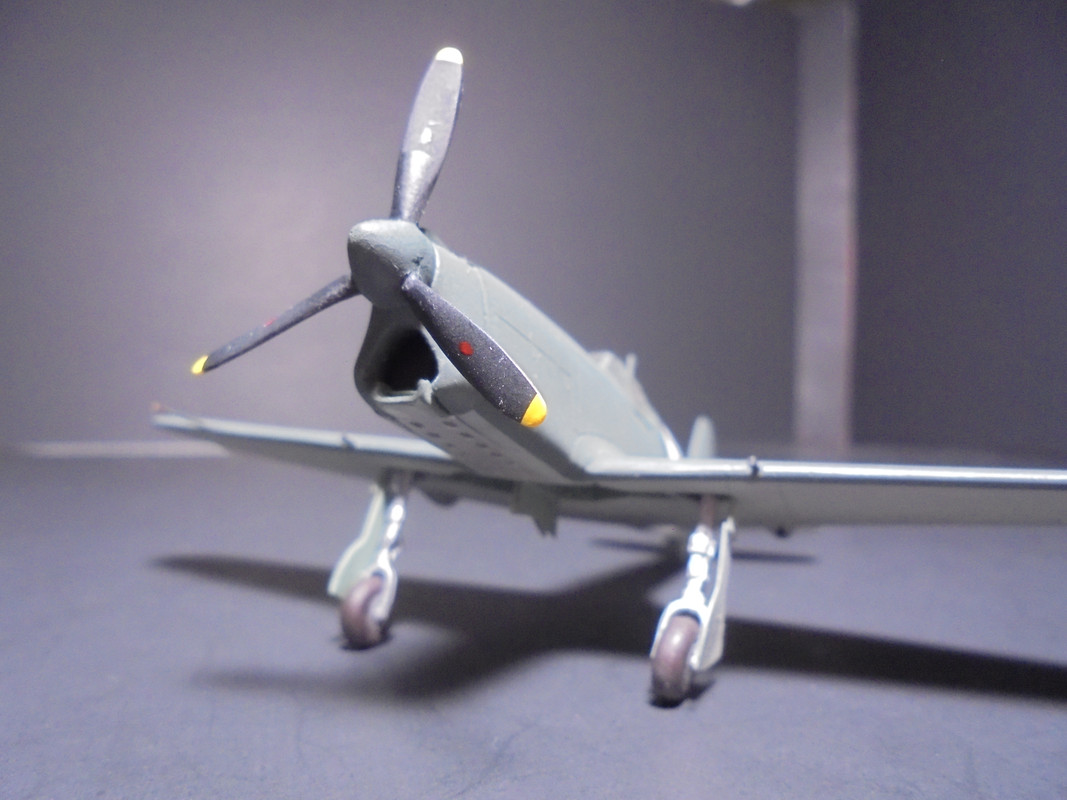
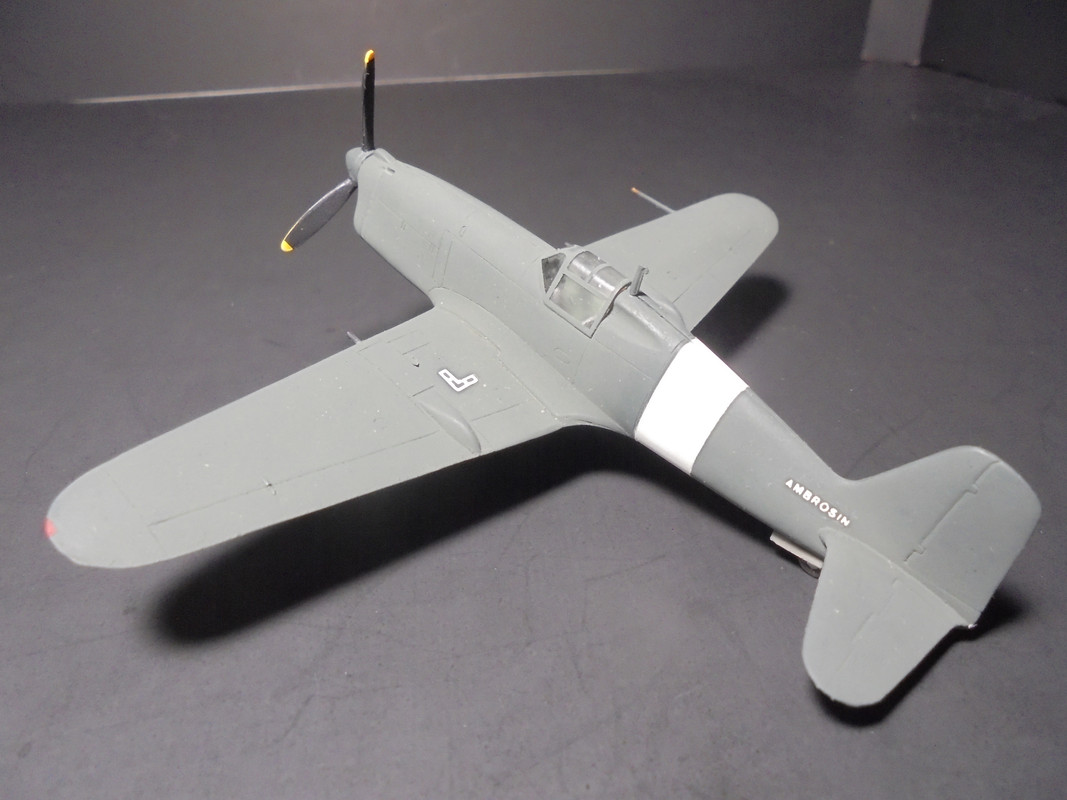
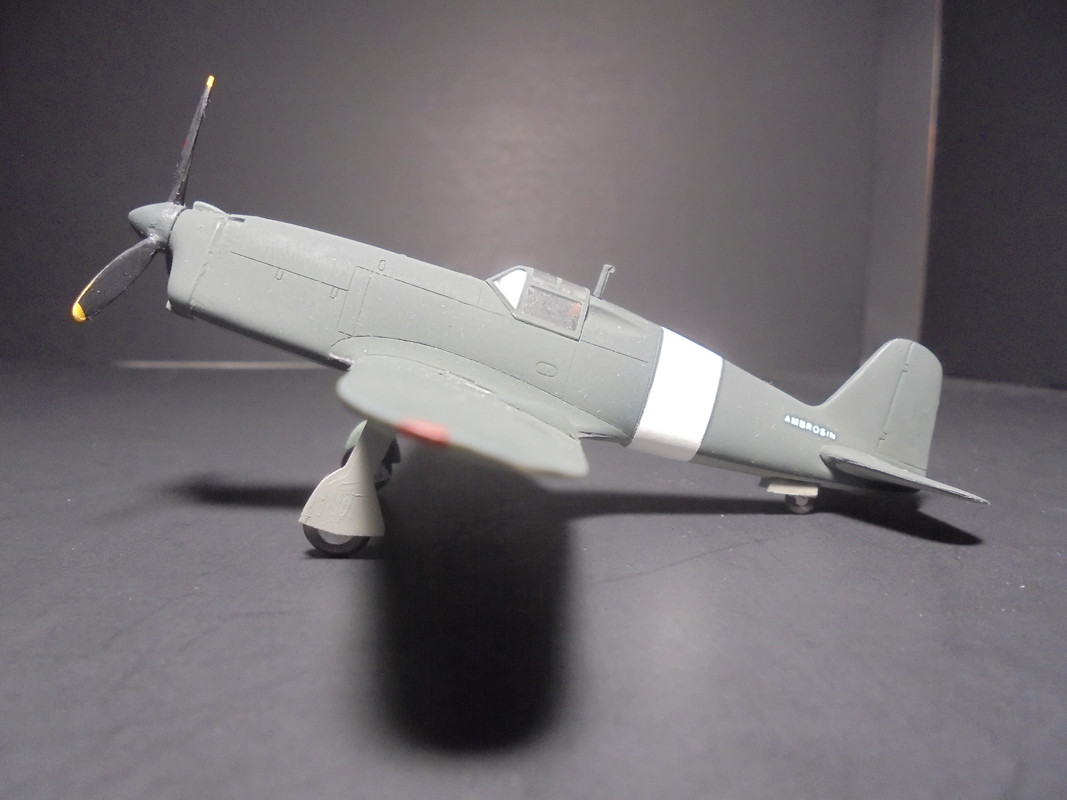
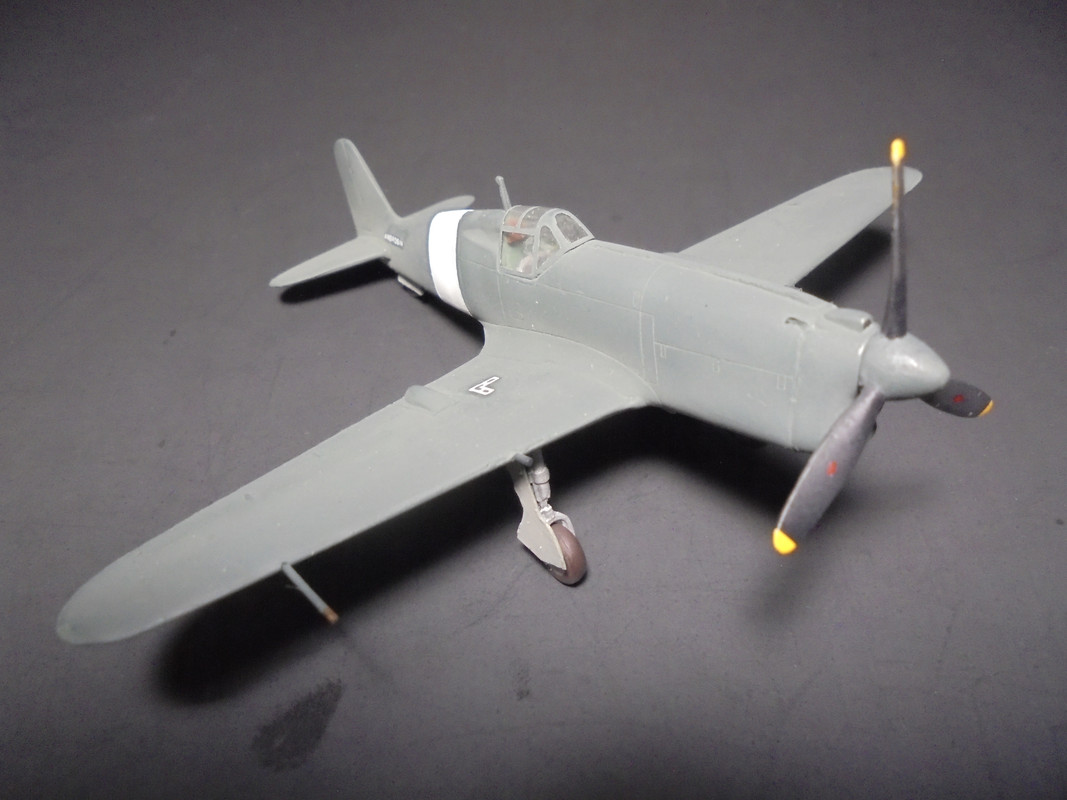
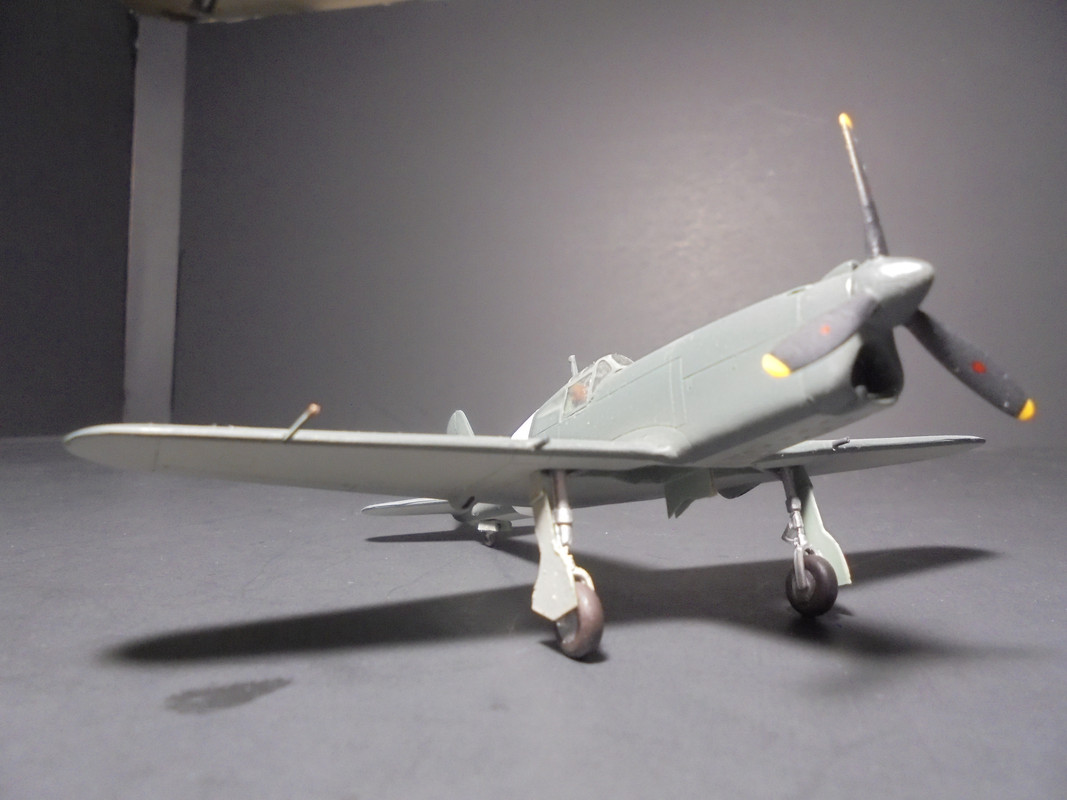
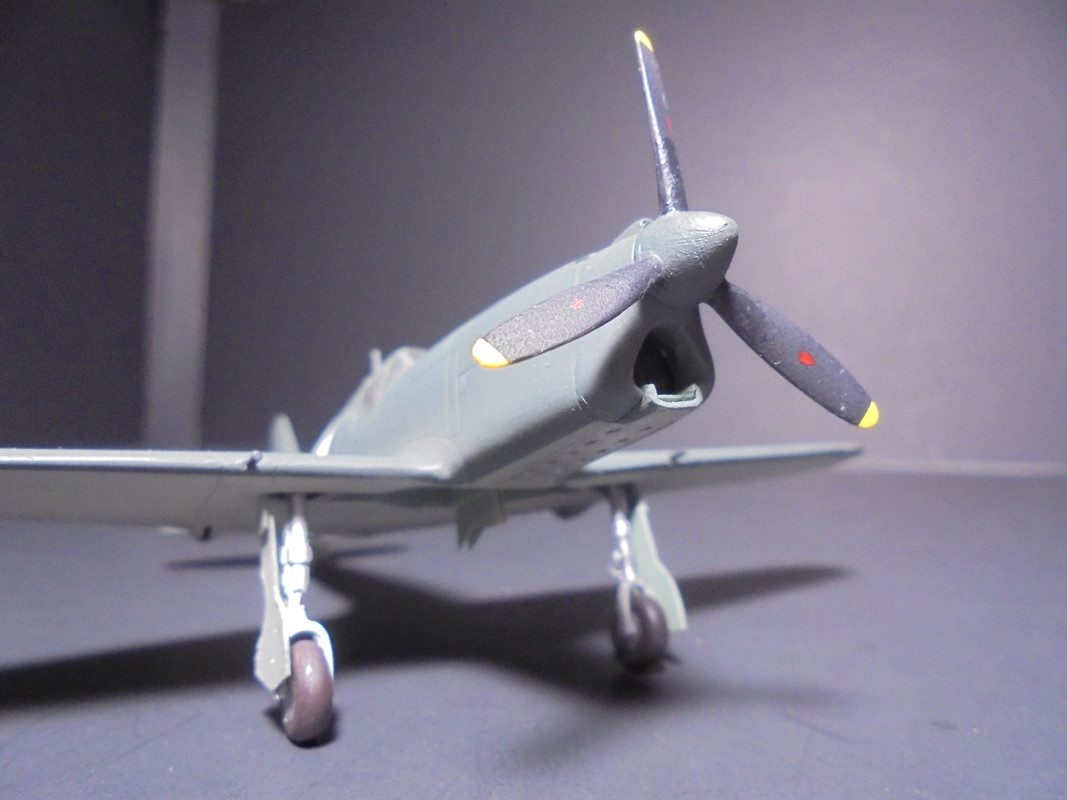
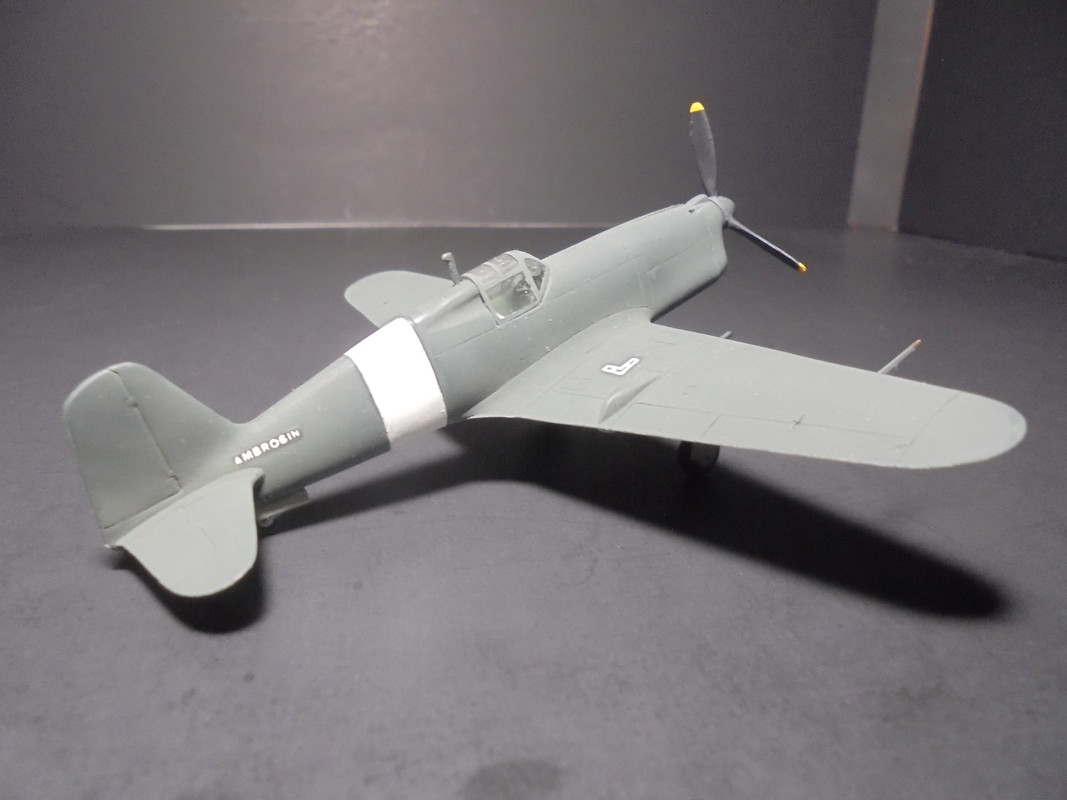
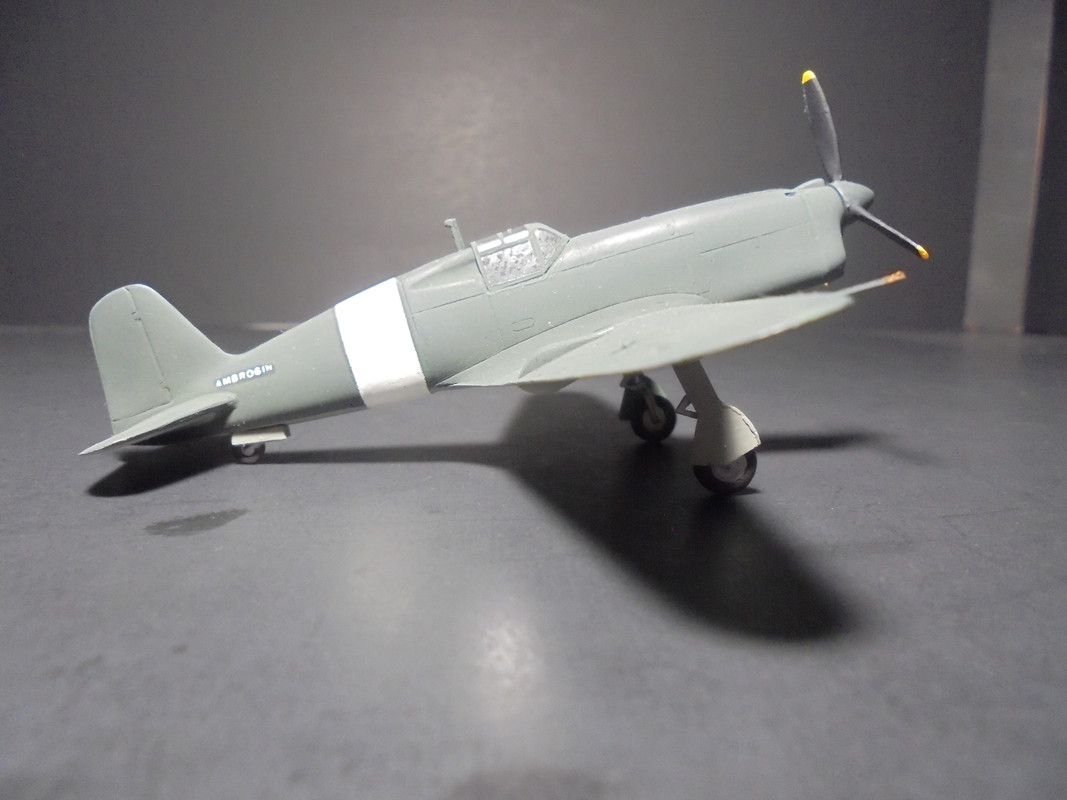
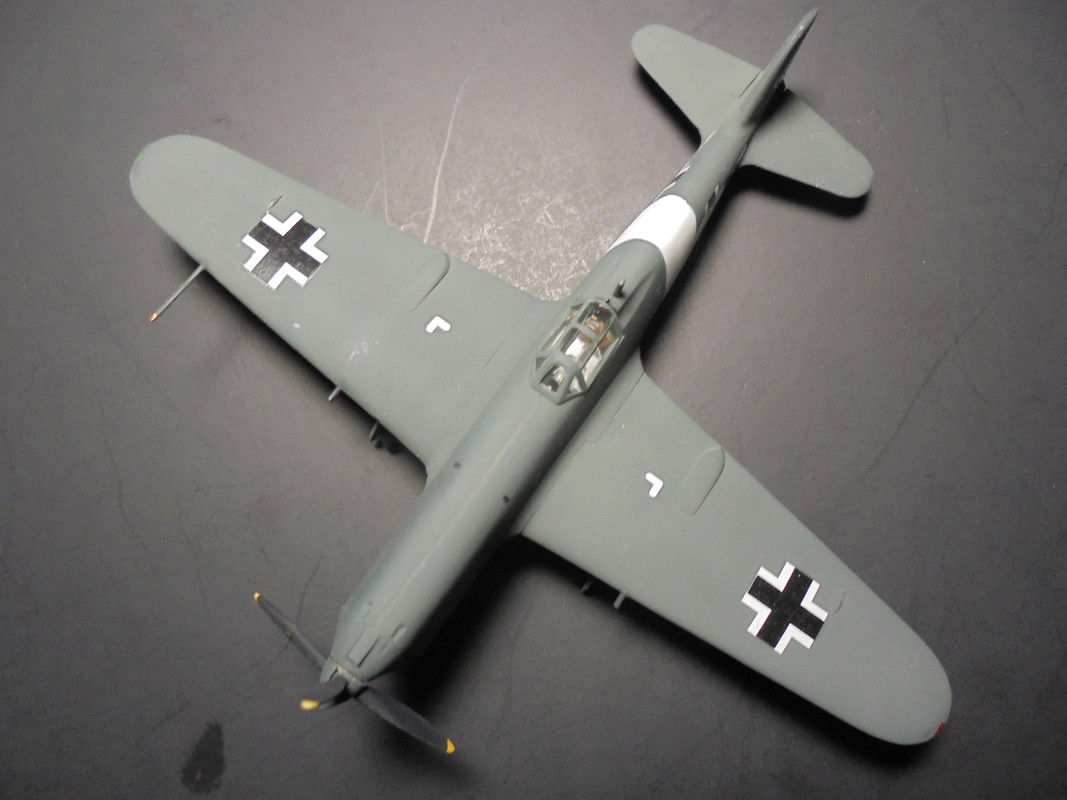
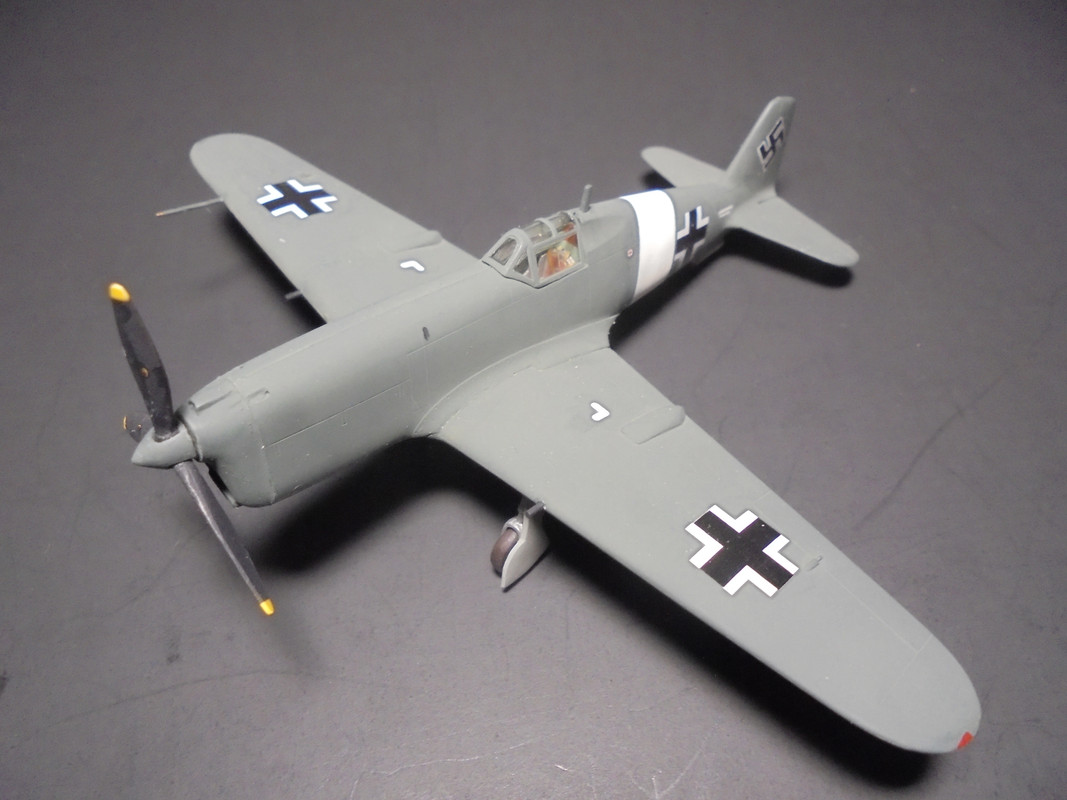
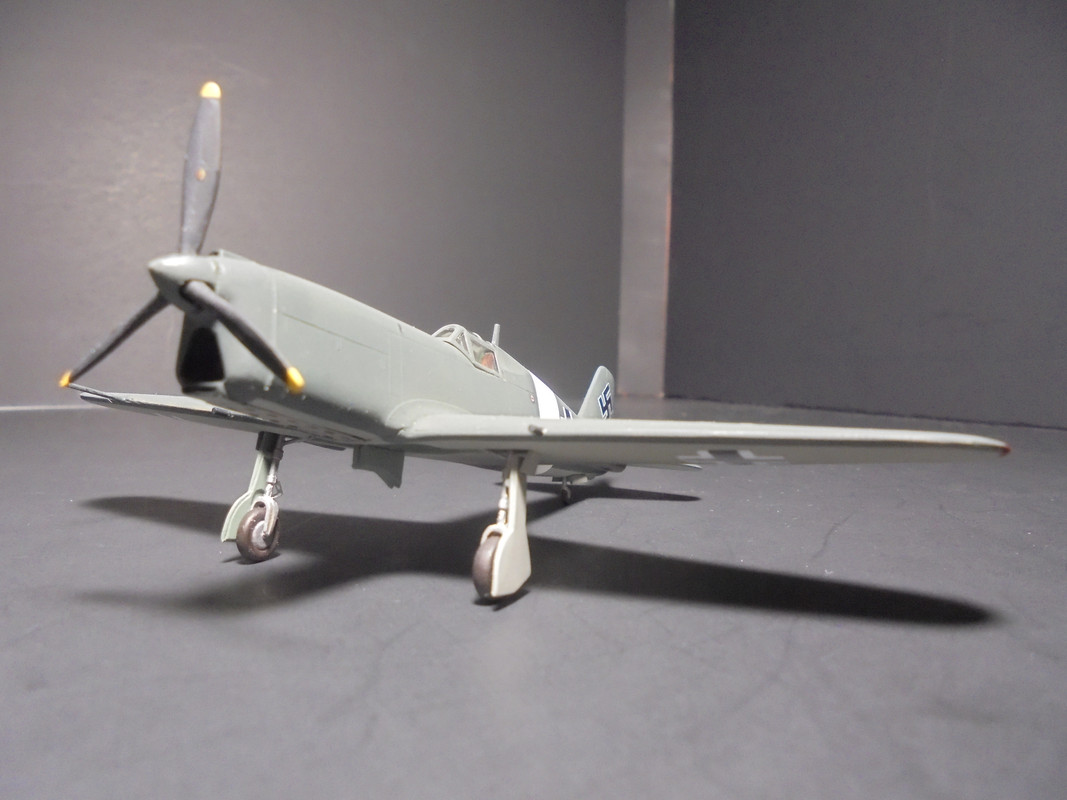
1/72 Scale Ambrosini SAI.207 & 403 Model Builds

Post by RetiredInKalifornia » Sun Jun 30, 2024 5:52 pm

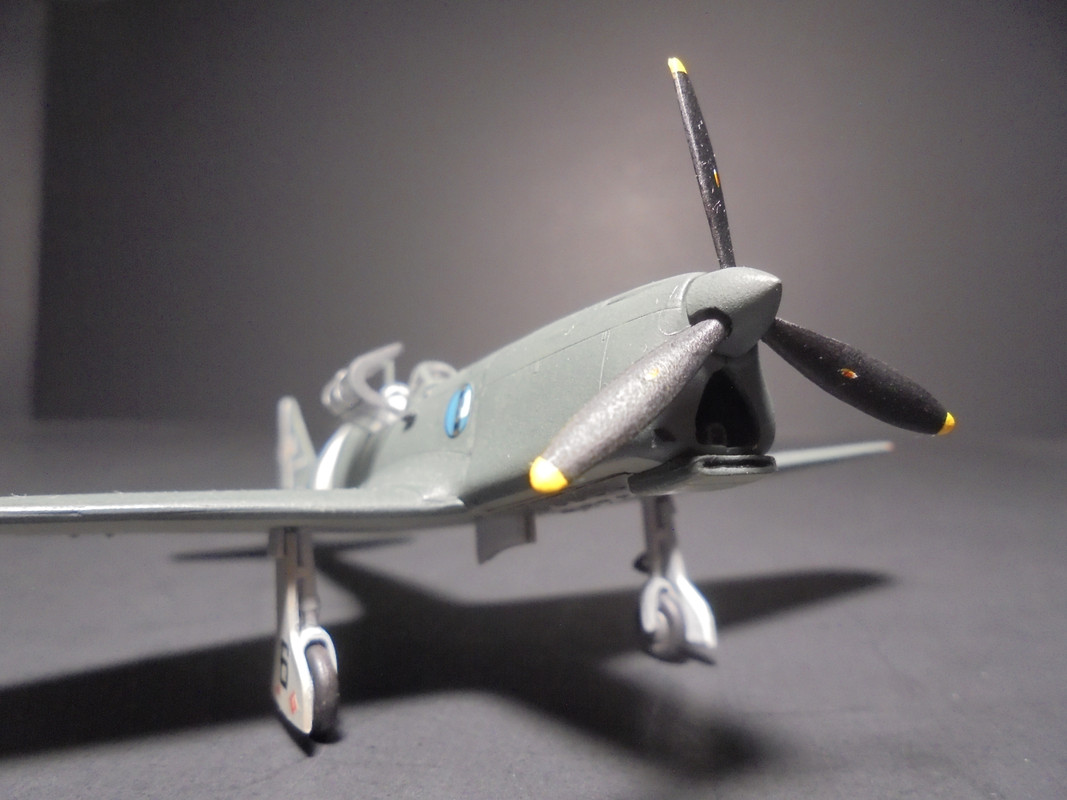
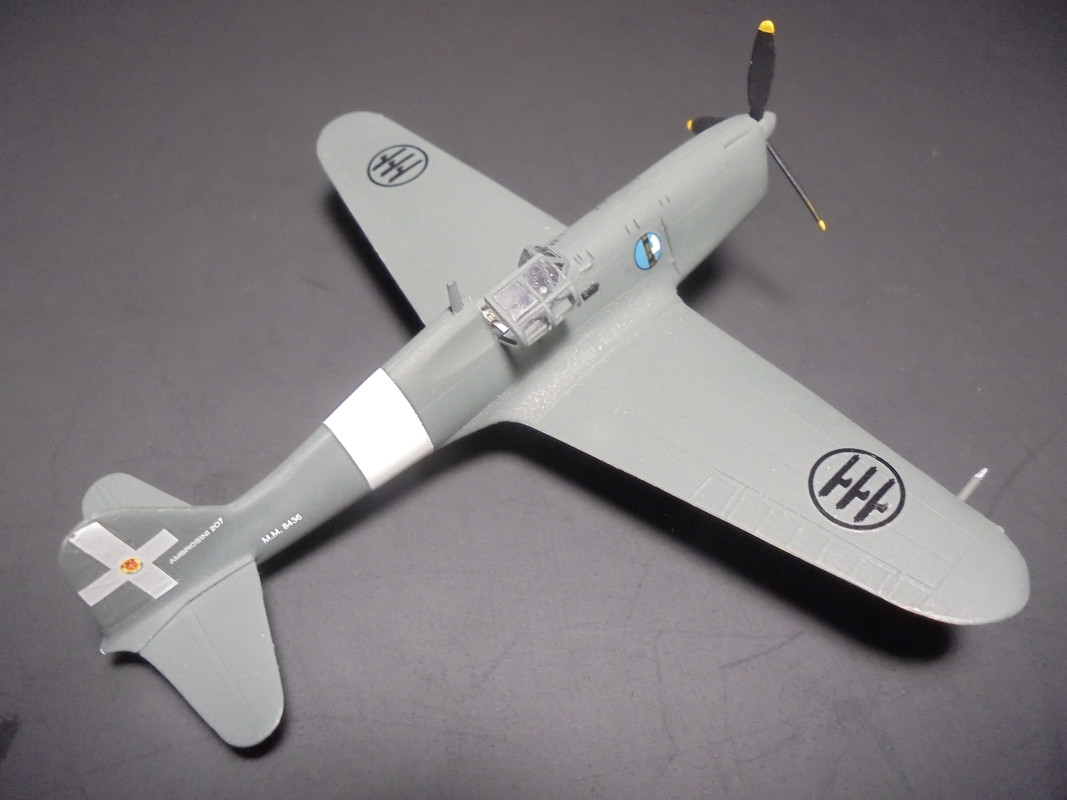
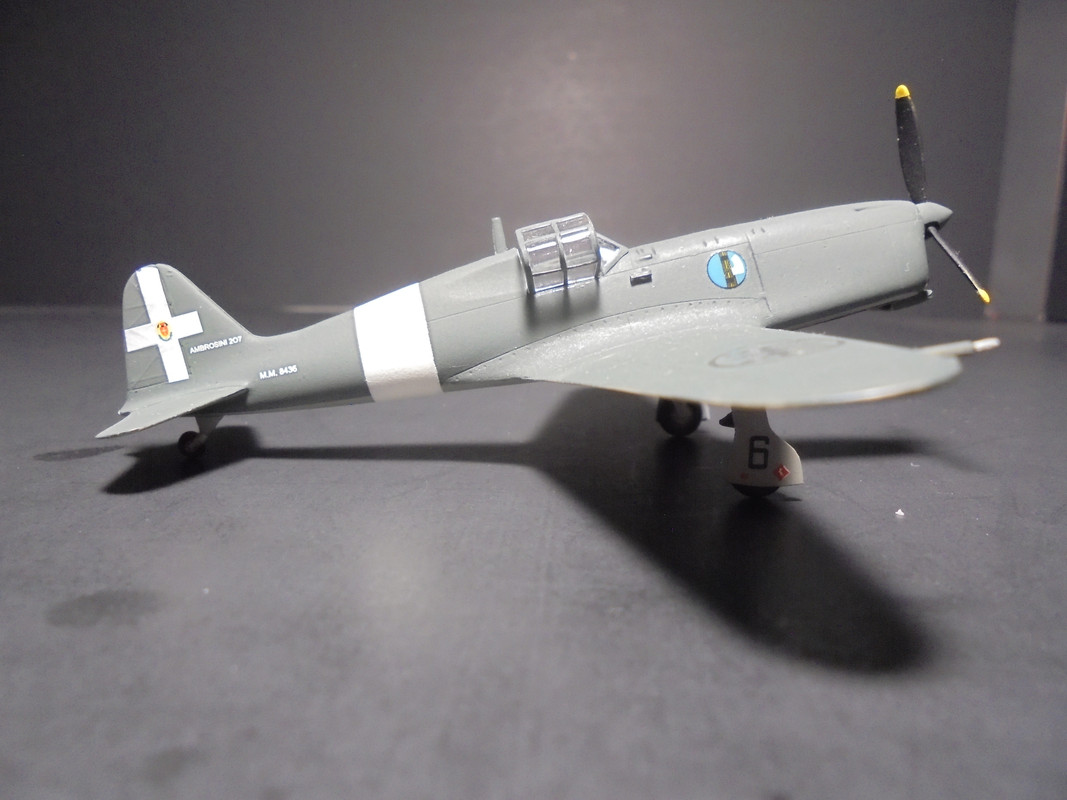
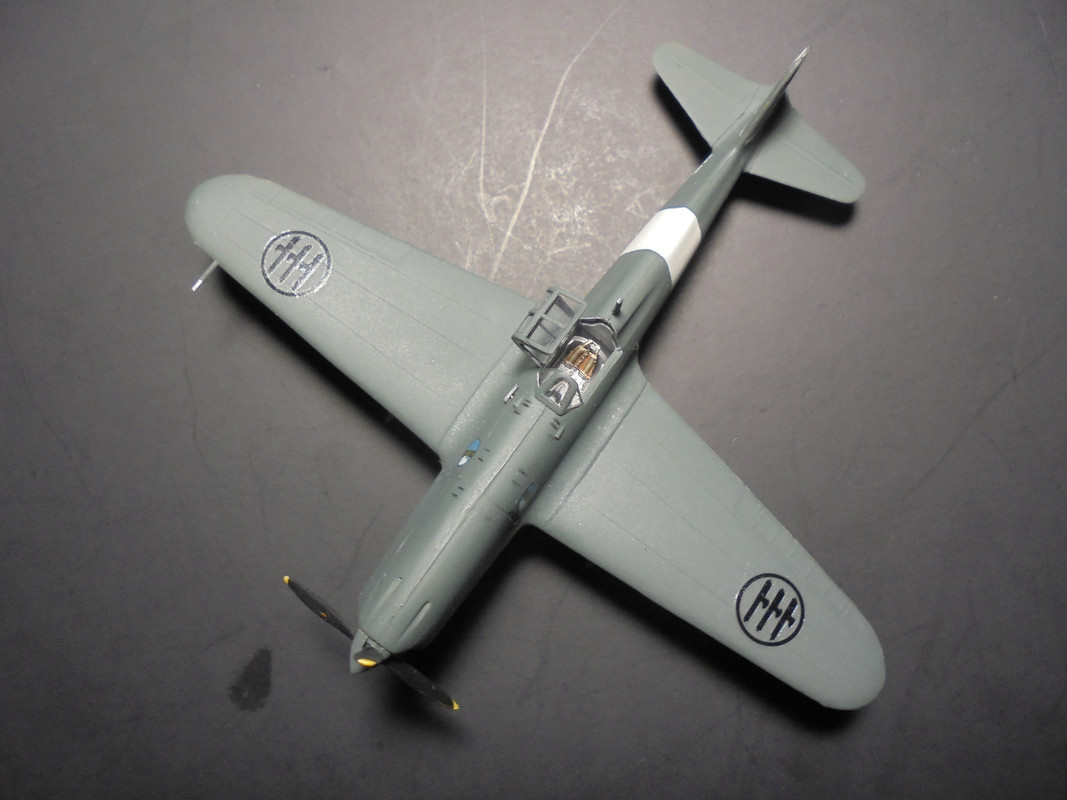
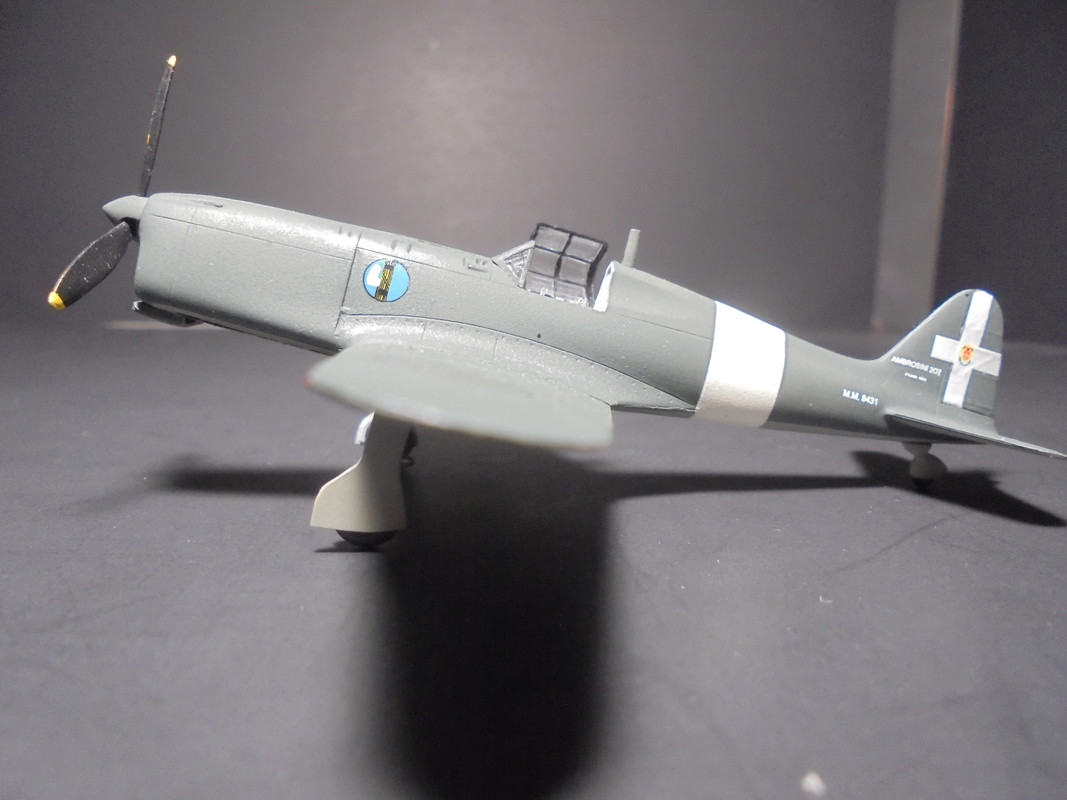
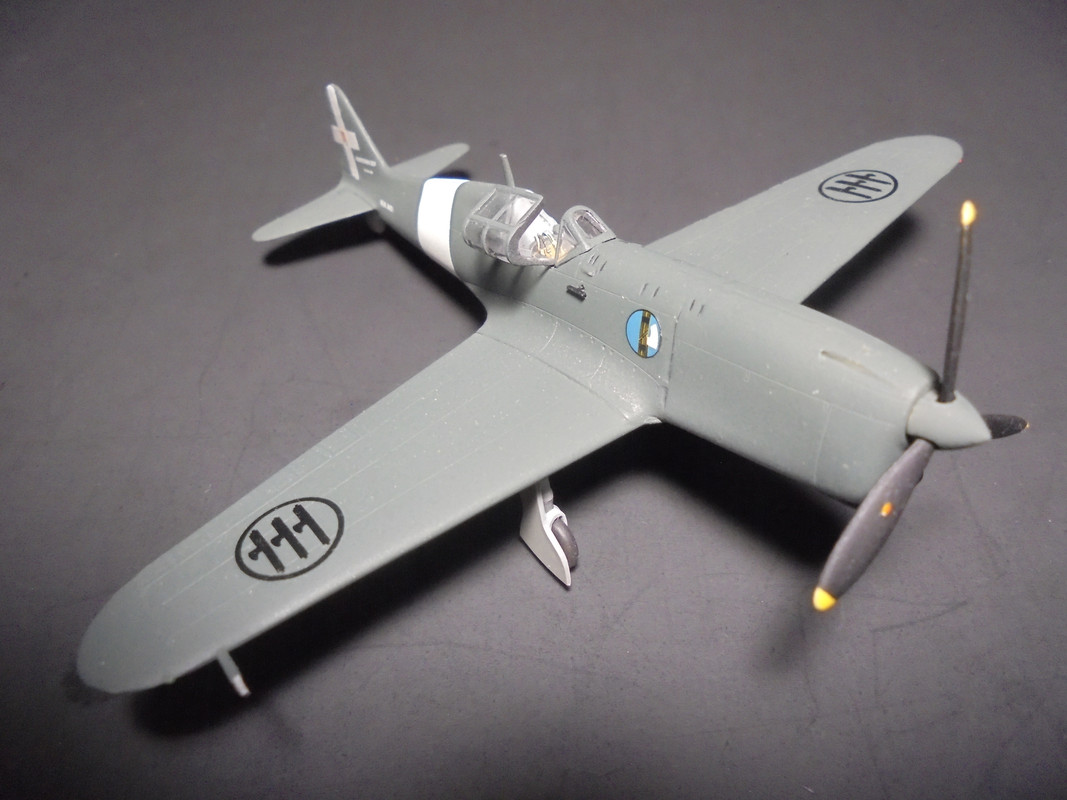
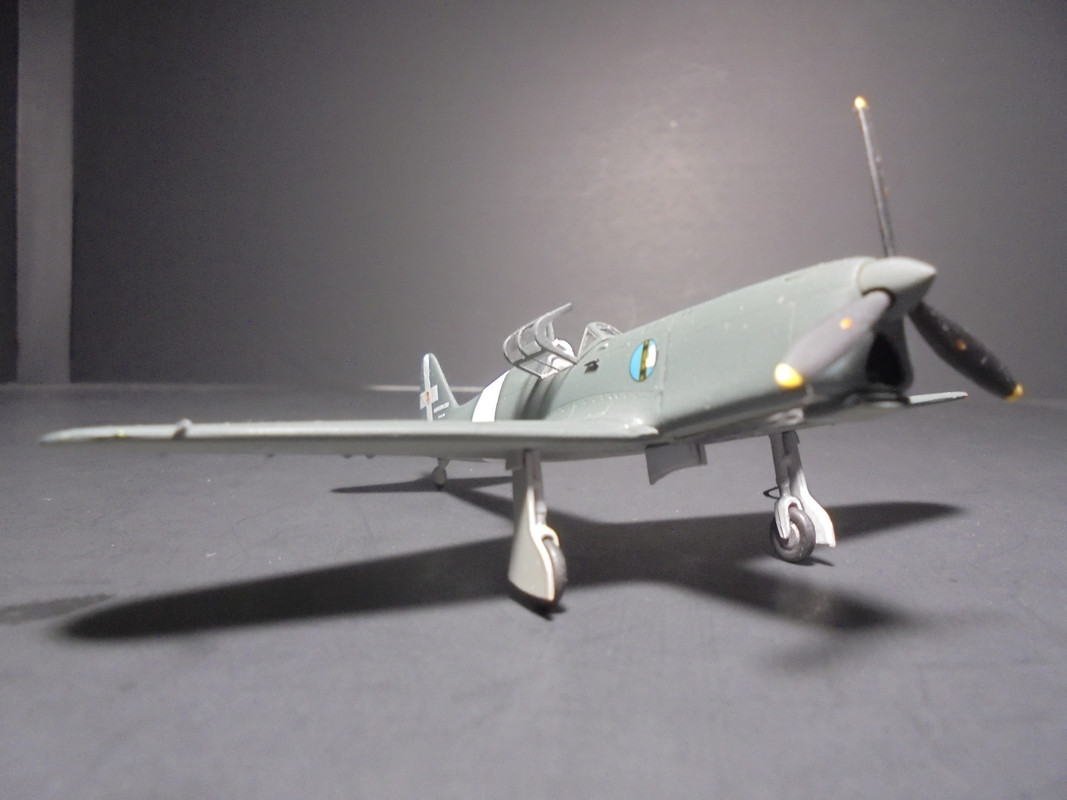
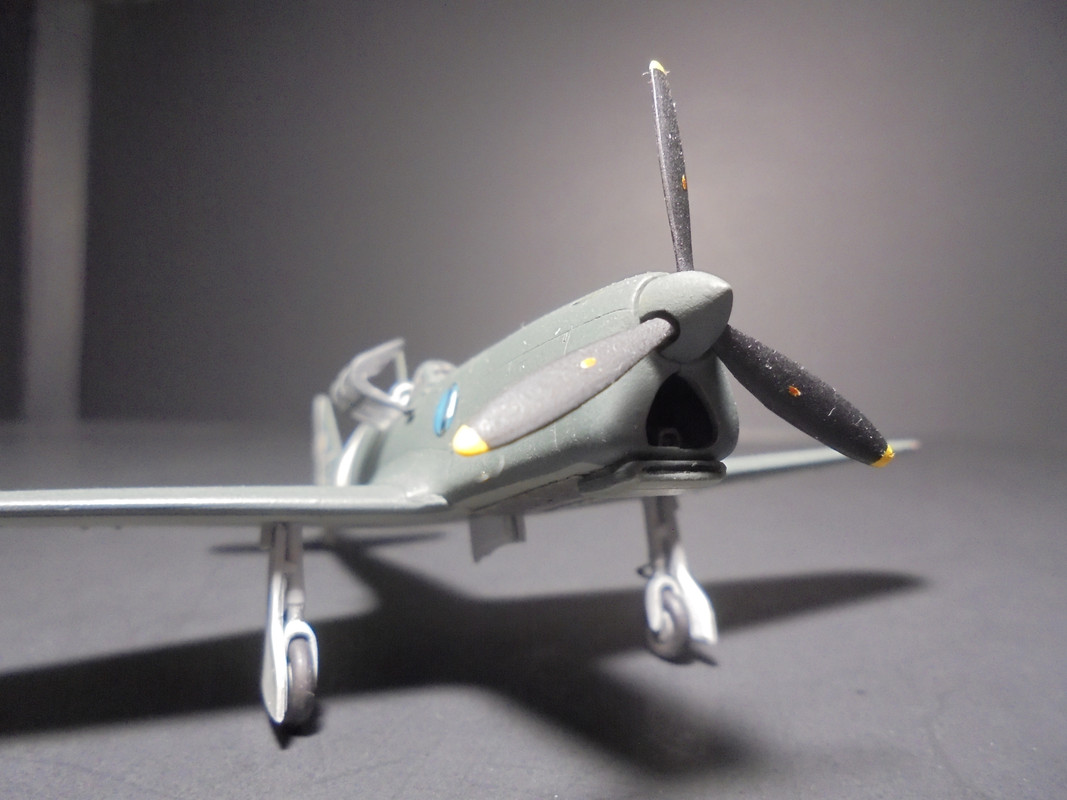
The Ambrosini SAI.207 all-wood light fighter designed by Sergio Stefanutti (1906-1992) was developed from the pre-war SAI.7 racer first of three prototypes known as the SAI.107 flying autumn 1940 powered by a 750 hp Isotta Fraschini Delta inverted V-12 air-cooled engine. Weighing 2,205 lbs presumably empty during Guidonia research establishment trials it achieved 350 mph in level flight its maneuverability said to had been excellent as well though crashing during a test flight on July 18, 1941 killing the test pilot Arturo Ferrarin.

Meantime two aerodynamically refiled & structurally improved SAI.207 prototypes also powered by Deltas had been built they respectfully flying for the first time spring 1941 & sometime during 1942. Weighing 5,324 lbs fully loaded In level-flight performance was impressive; 360 mph level & 497 mph in dives the Ministero dell'Aeronautica Italiana placing orders for 12 pre-production operational testing & 2,000 production aircraft latter’s dropped in favor of the follow-on SAI.403.

Further flight testing revealed major shortcomings most not being rectified before the September 8, 1943 Italian Armistice; low Delta engine power & high wing loading resulted in poor climb performance, light airframe precluding armament beyond two 12.7 mm machine guns being installed, recoil forces from 20 mm cannons overstressing wing mounting structures. The rear cylinders of the Delta engine overheated during dive recoveries, the second prototype wings exploding during a dive recovery when built up internal air pressure blew out unreinforced landing gear bays, the airframe’s structure being badly affected by rain or humidity. Despite these known shortcomings the pre-production aircraft briefly served briefly with three squadrons most notably 83 Squadriglia 18 Gruppo 3 Stormo led by Regia Aeronautica Italiania (RAI) ace Guglielmo Specker at Cerveteri Rome airfield.

Entering service July 1943 a handful of 83 Squadriglia SAI.207s flew combat missions against Allied air raids over Rome though without success surviving aircraft flown Castiglione del Lago G. Eleuteri airfield, one of the main RAI airbases near the Ambrosini factory, a month later to be refurbished. From that airfield as well 161 & 162 Squadriglia were planned to operationally fly other SAI.207 pre-production aircraft, no information readily available whether they’d done so.

Despite impressive speed given its small size & relatively low gross weight RAI pilots were not impressed with the SAI.207 its operational career ending with the Armistice surviving aircraft regardless of condition presumably being destroyed soon afterwards.

The all-wood Ambrosini SAI.403 Dardo ("Dart") designed by Sergio Stefanutti & follow-on to the aforementioned SAI.207 arguably was the best designed & engineered light fighter of WWII the sole prototype MM.519 first flying before the September 8, 1943 Italian Armistice. Incorporating flight testing & operational experience gained from the SAI.207 the structurally strengthened & more aerodynamically refined SAI.403 airframe allowed installing “A”, “B”, “C” combinations of 12.7, 15 & 20mm armament at gross weights below 5,847 lbs powered by improved Isotta Fraschini Delta engines potentially capable of 900hp with better rear cylinder cooling with cruising & maximum speeds of 300 & 403 mph respectively though the sole prototype likely was powered by a standard 750hp unit.

Ecstatic over its on-paper promised performances sometime before the Armistice the Ministero dell' Aeronautica cancelled orders for 2,000 SAI.207 for 3,000 SAI.403s instead; 800 from Ambrosini, 1,000 Caproni, 1,200 Savoia-Marchetti, all being cancelled with the Armistice. The prototype seized by the Germans subsequently was evaluated by Deutche Luftwaffe flight testing personnel at Vergiate, Varese Lombardy Japanese pilots then in Germany invited to fly it, suitably impressed the Deutche Reichsluftfahrtministerium supposedly picked Heinkel & the Japanese Army Mitsubishi to put the SAI.403 into production with nothing of the sort happening & the prototype presumably being destroyed before the end of WWII.


RS Models SAI.207, RS Models & S-Model SAI.403s

Photos Taken September 1, 2017:

Image

Image

Image

Image

RS Models Kit No.9267

Photos Taken June 12, 2021:

Image

Image

Image

Image

Image

Image

Image

Image

Image

Image

Image

Image

Image

Image

Image

Image

Image

Image

Image

Image

Image

Image

RS Models Kit No.92159

Photos Taken

Image

Image

Image

Image

Image

Image

Image

Image

Image

Image

Image

S-Model Kit No.72002/72006

Photos Taken June 12, 2021:

Image

Image

Image

Image

Image

Image

Image

Image

Image

Image

Image

User avatar
RetiredInKalifornia
Generale di Divisone Aerea
Posts: 568
Joined: Fri Jun 14, 2019 6:34 pm

1/72nd Scale IMAM Ro.43 & Ro.44 Model Builds

Post by RetiredInKalifornia » Mon Jul 01, 2024 5:42 am

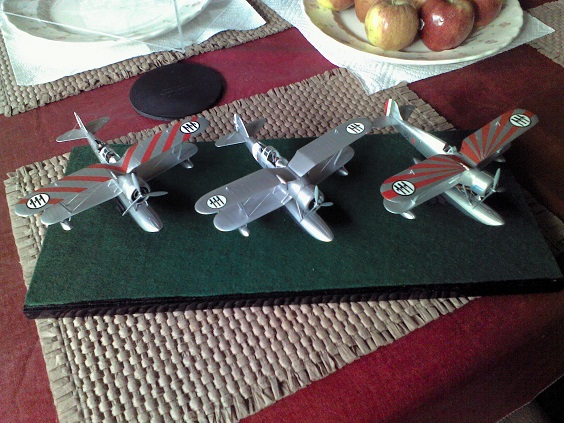
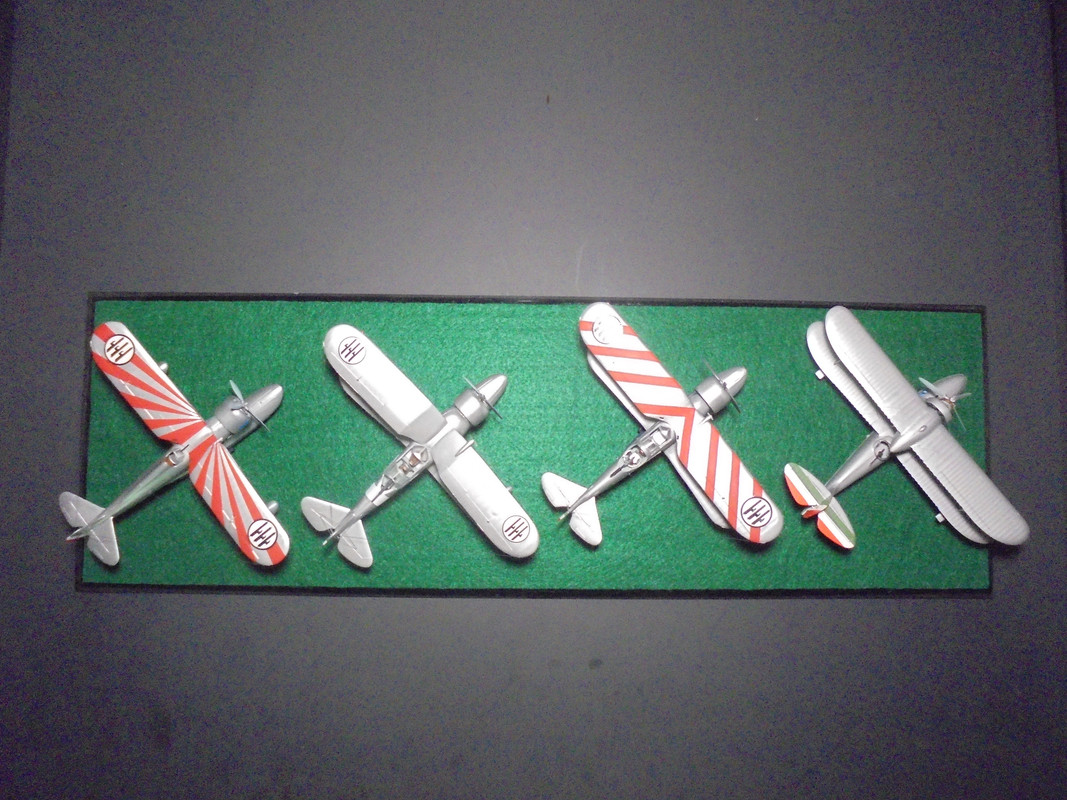
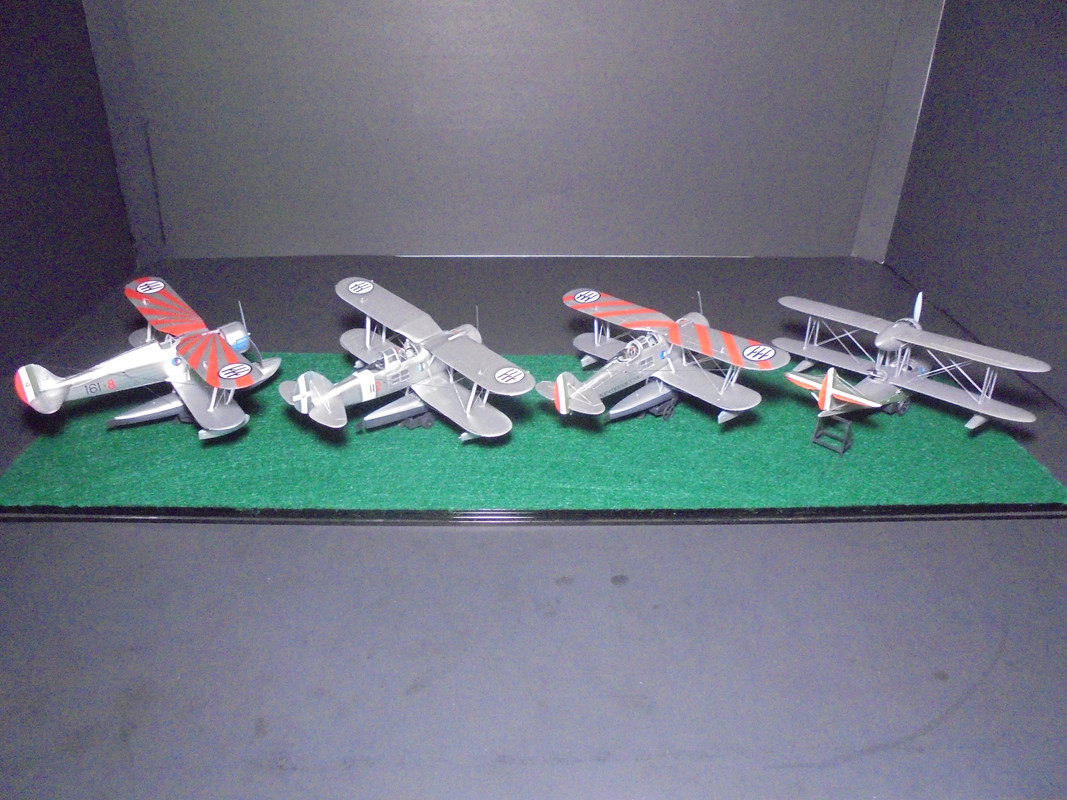
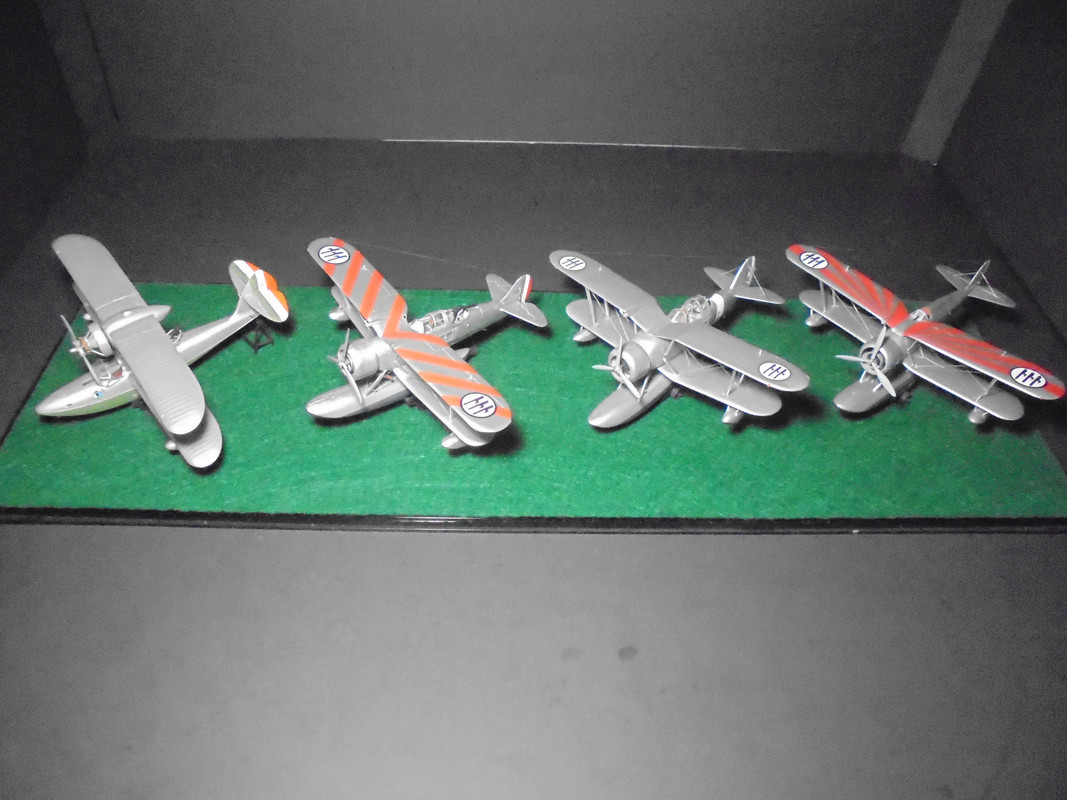
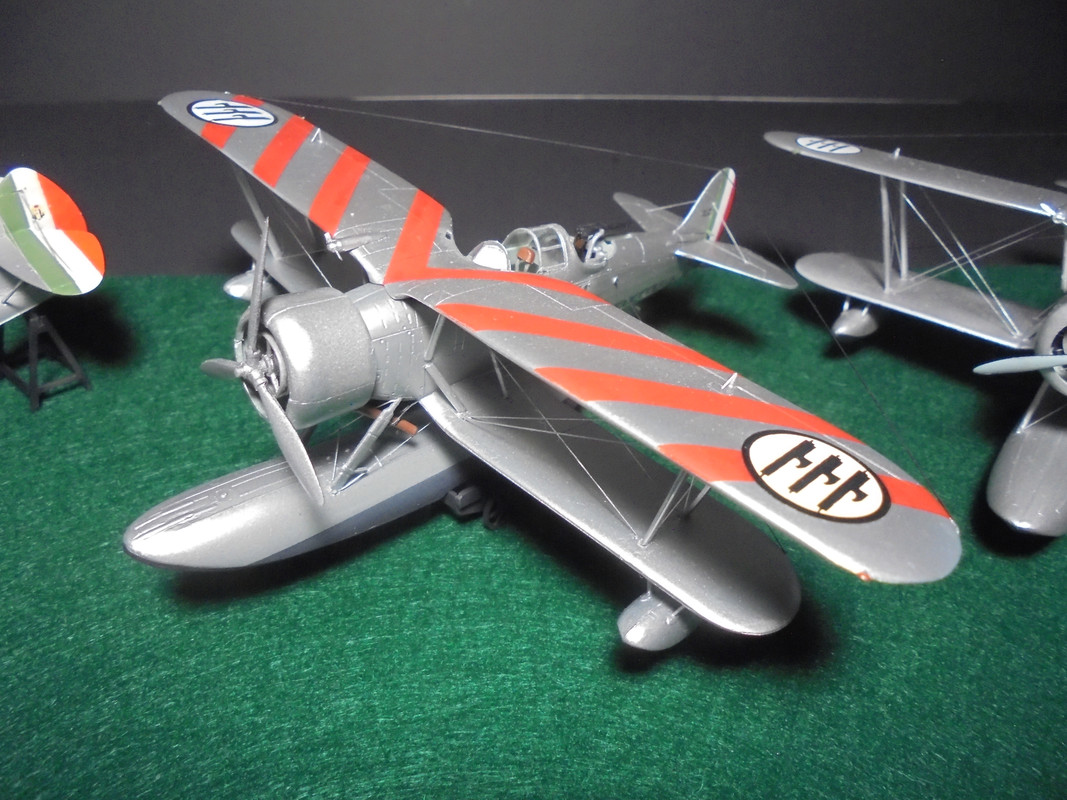
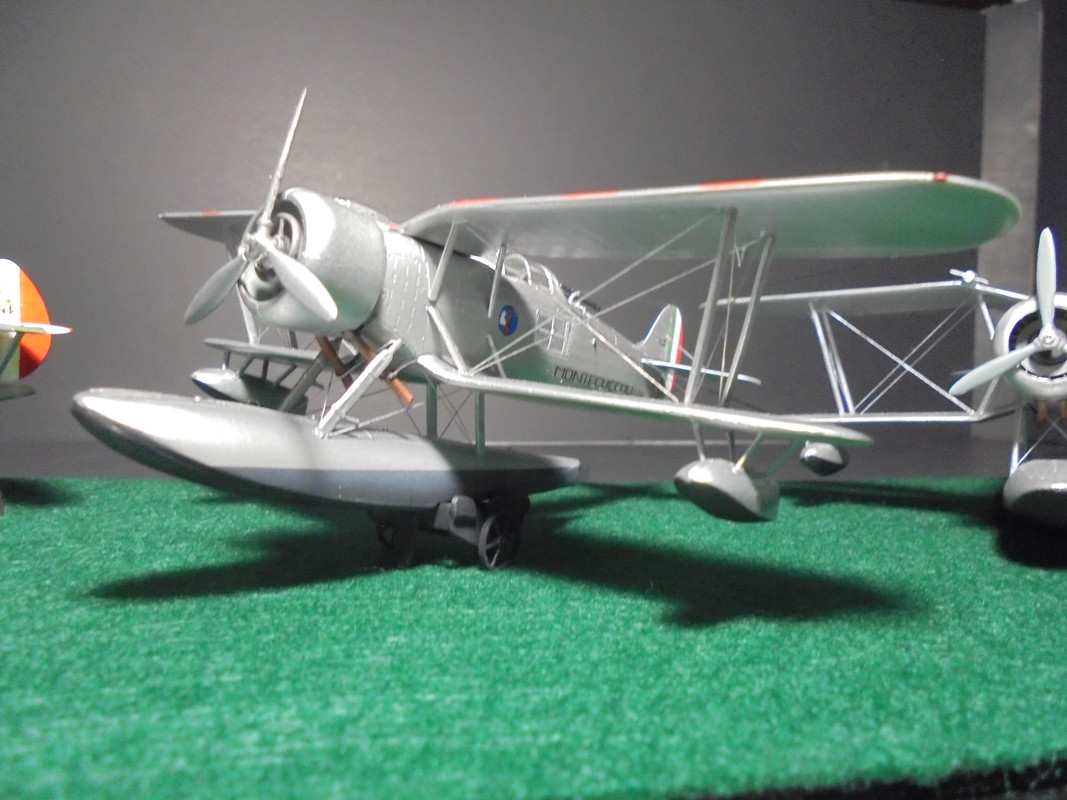
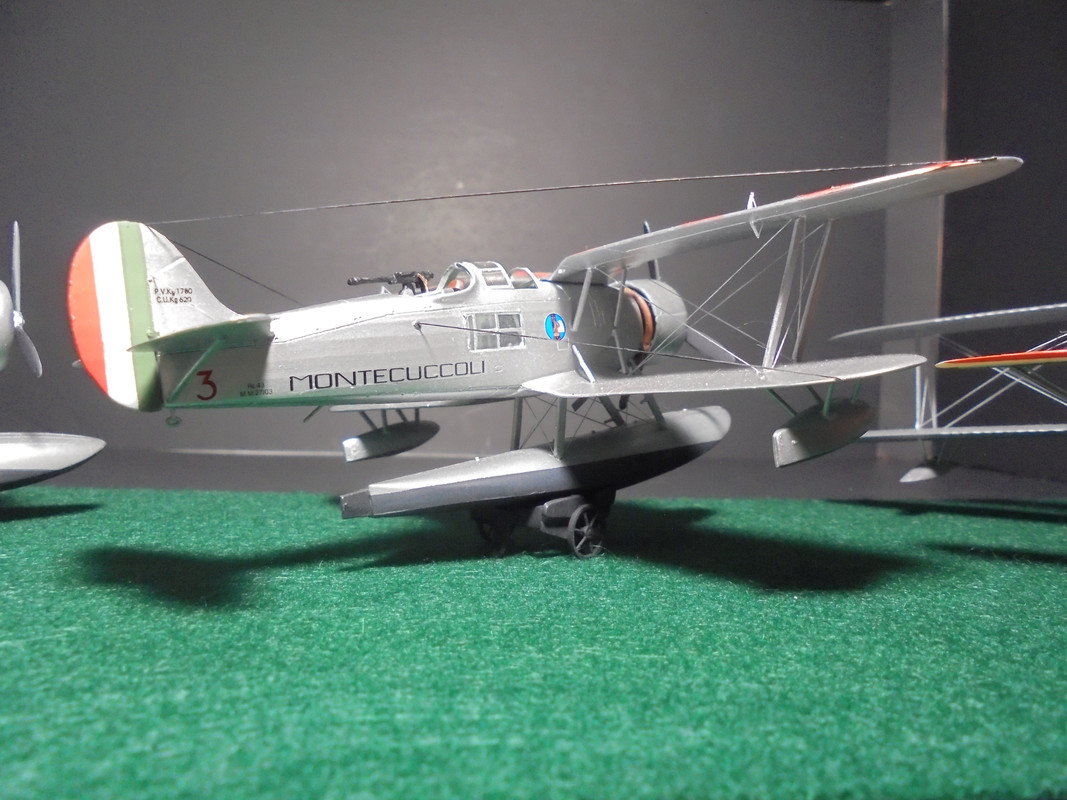
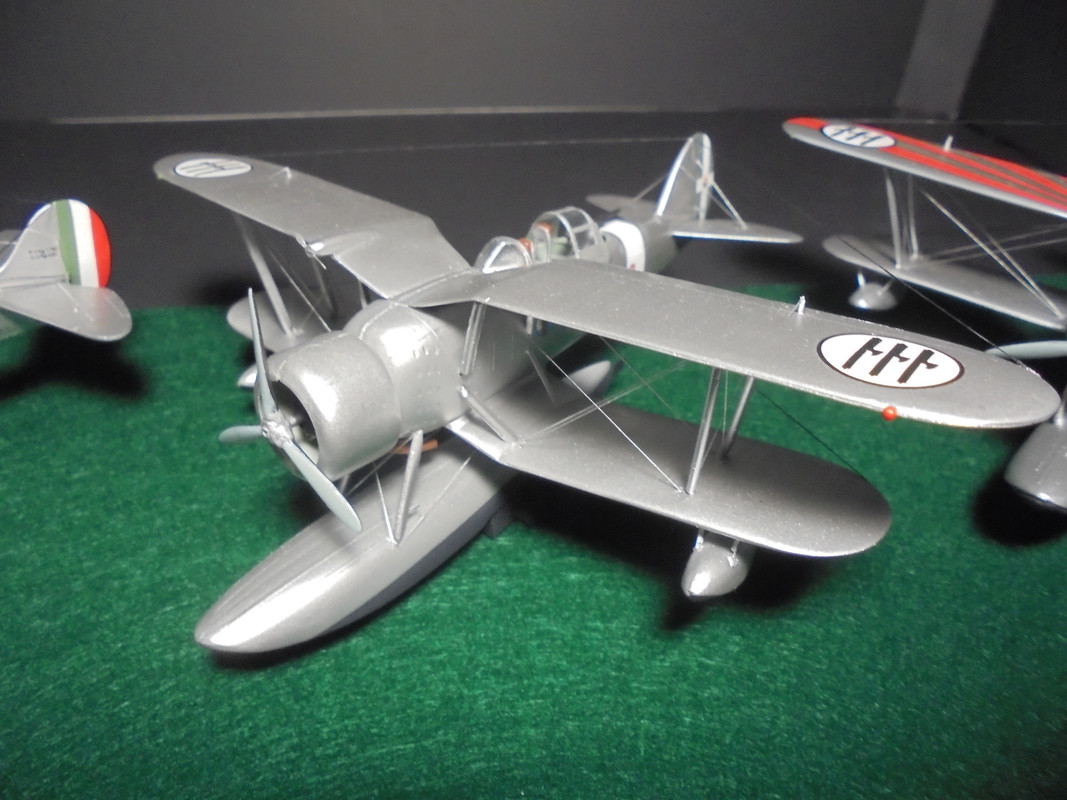
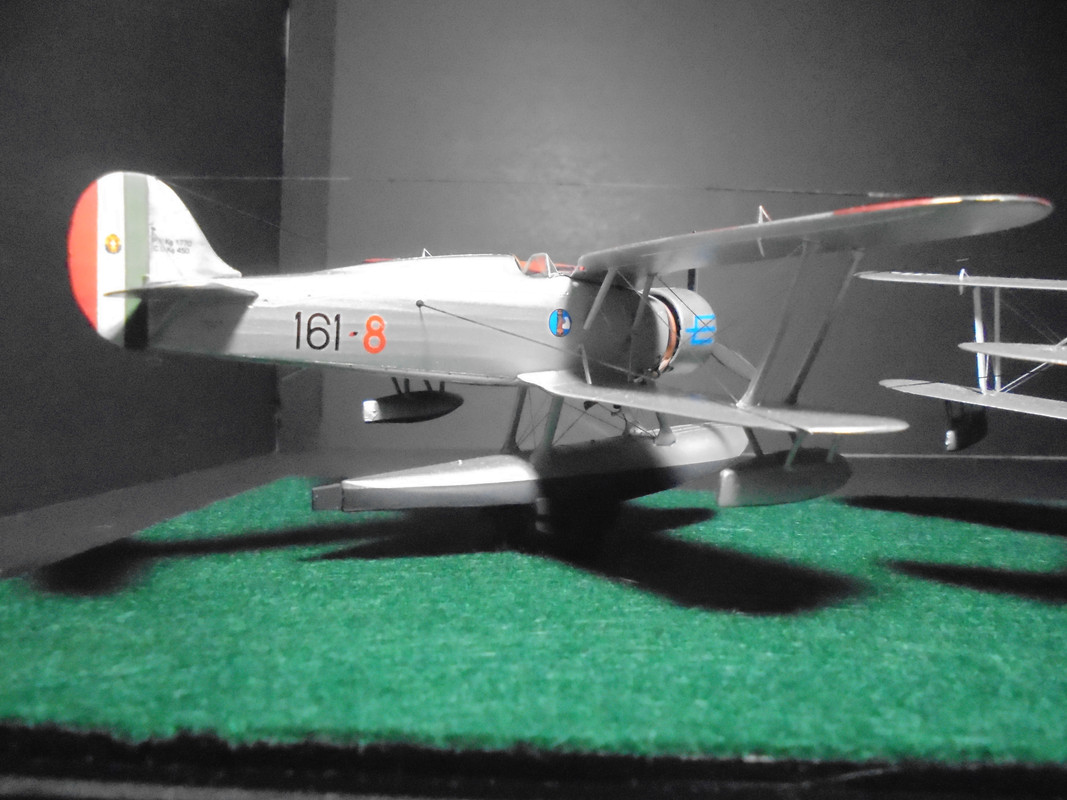
The Industrie Meccaniche e Aeronautiche Meridionali Ro.43 & 44 steel tube & wood covered by soft alloy metal & fabric single engine bi-wing float catapult-launched seaplanes alternately designed by Nicola Romeo (1876-1938) & Giovanni Galasso were based on the 1933-vintage Regia Aeronautica Italiana Ro.37 reconnaissance bi-wing landplane; the two-seat Ro.43 for a 1933 Regia Marina Italiana (RMI) reconnaissance aircraft requirement & single-seat Ro.44 as its fighter escort.

First flying on November 19, 1934 the Ro.43 with trademarked folding gull & inverse gull upper & lower wings competed against the Piaggio P.18 & P.20, CMASA MF.10, CANT Z.504 & Macchi C.76. Capable of cruising up to 930 miles at 190 mph its flight performances exceeded those of all its competitors the RMI subsequently purchasing 193 to 240 aircraft first entering service during 1935. Similarly configured & first flying during October 1936 the Ro.44’s slimmer fuselage facilitated greater maneuverability. Marginally faster than the Ro.43 its 745 maximum range was substantially less, sea-keeping capabilities so poor just 35 out of 51 ordered by the RMI were produced & delivered, 7 with Regia Aeronautica Italiana 161 Squadriglia in the Aegean before WWII they & the rest assigned to seaplane pilot training schools during the war.

The Ro.43’s good endurance was useful for Mediterranean operations, 105 in service by start of WWII, six launched from light cruisers spotting British ships during the July 9, 1940 Battle of Calabria, one from the heavy cruiser Eugenio di Savoia in constant visual contact with the battleship HMS Warspite during fire between it & the battleship Giulio Cesare before being chased off by a Sea Gladiator from HMS Eagle. A lone Ro.43 launched by the heavy cruiser Bolzano was first to spot the British fleet at the beginning of the inclusive November 27, 1940 Battle of Cape Spartivento whilst a seaplane from the heavy cruiser Gorizia located the British convoy Fleet Air Arm Blackburn Skuas from HMS Ark Royal claiming to have shot down a Ro.43 launched from the battleship Vittorio Veneto after fruitless bombing on the Italian fleet. Another Ro.43 launched by Vittorio Veneto pinpointed the British cruiser squadron at Gavdos Island prior to the March 28, 1941 Battle of Cape Matapan, a cruiser-borne Ro.43 signaling the presence of the British convoy by dropping flares during the Second Battle of Sirte March 22, 1942 whilst another from the battleship Littorio directed Italian fleet fire onto British ships before disengaging. Ro.43s continued to take part in shipborne operations till the June 12-15, 1942 Harpoon Convoy one shot down by a Malta-based Bristol Beaufighter during the Italian cruiser attack.

Despite usefulness in combat the Ro.43’s cork-like lack of buoyancy due to its light structure & poor sea handling qualities ruled out all but calm water seaborne recoveries thus reducing its operational range to coastal areas where aircraft could be recovered from land-based cranes or hauled in on beach cradles. Some Ro.43s survived WWII, the Spanish Air Force operating five wartime interred aircraft out of Mallorca into the late 1940s, a perfectly restored Italian example currently on display at the Vigna di Valle Italian Air Force Museum.


Octopus/Pavla & Xotic/Aviation USK Ro.43s, Octopus/Airmodel Ro.44

Photo Taken June ‎24, ‎2017:

Image

All Photos Taken June 1, 2021:

Image

Image

Image

Octopus Ro.43 Kit No.72053

Image

Image

Image

Aviation USK Ro.43 Kit No.AV-1019

Image

Image

Image

Octopus Ro.44 Kit No.72054

Image

Image

Image

User avatar
RetiredInKalifornia
Generale di Divisone Aerea
Posts: 568
Joined: Fri Jun 14, 2019 6:34 pm

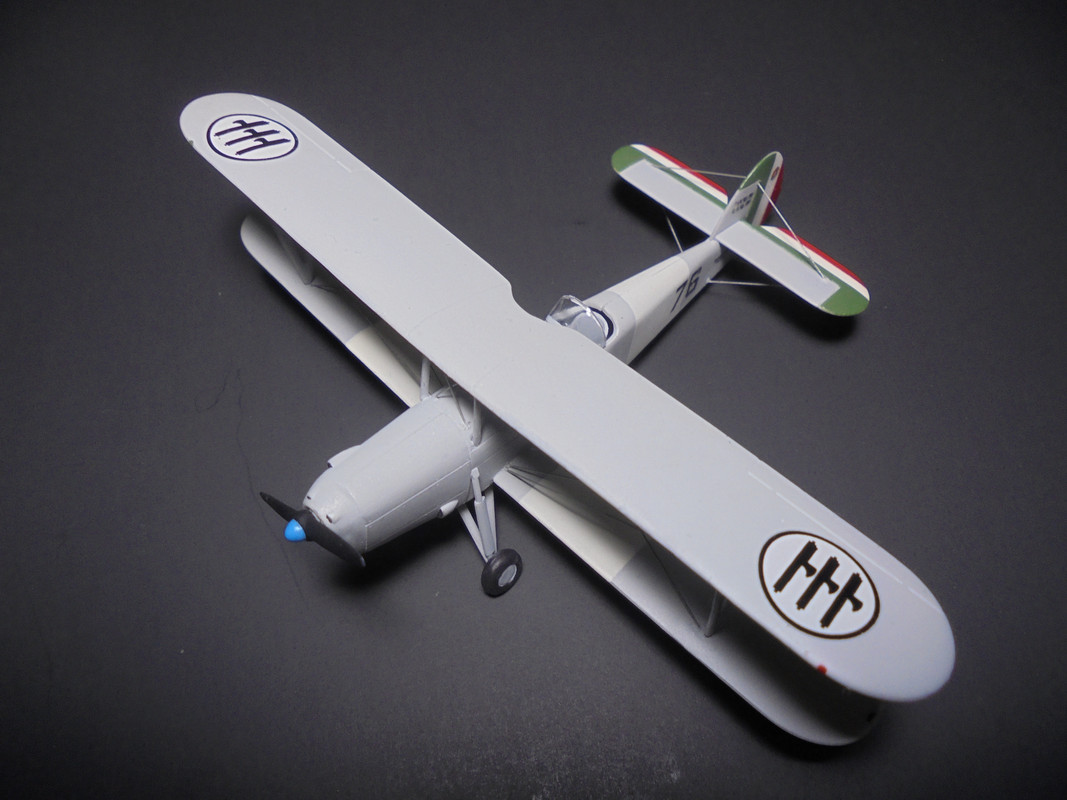
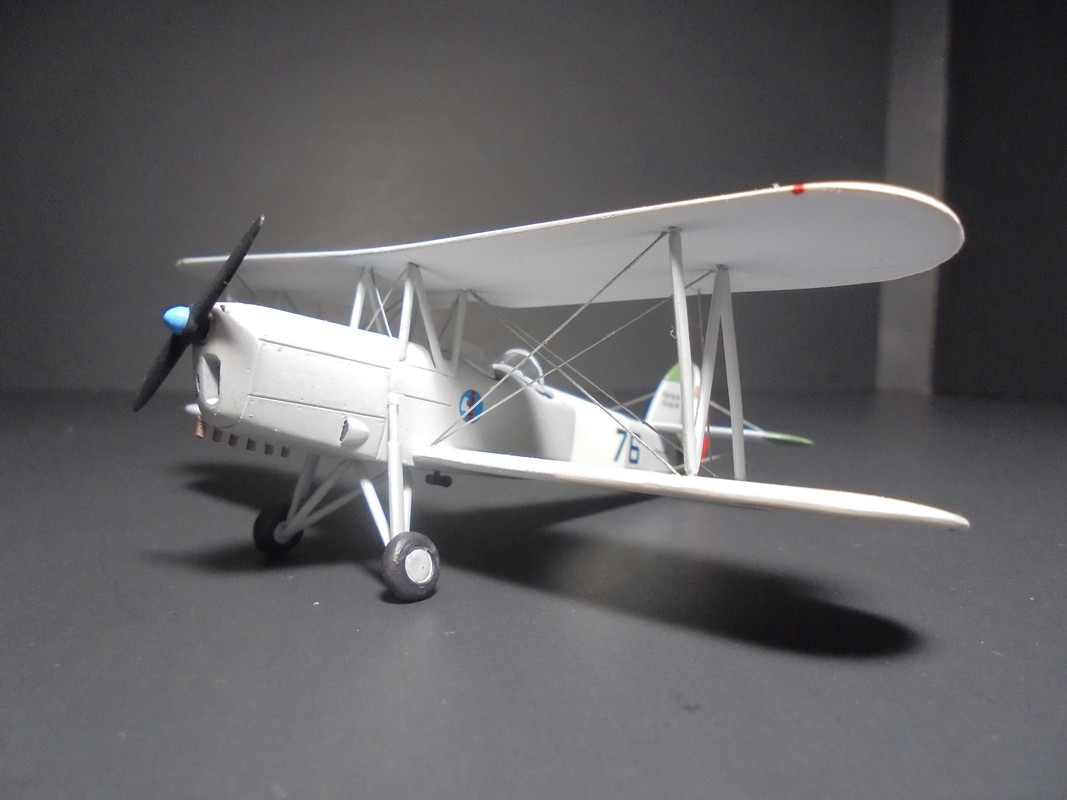
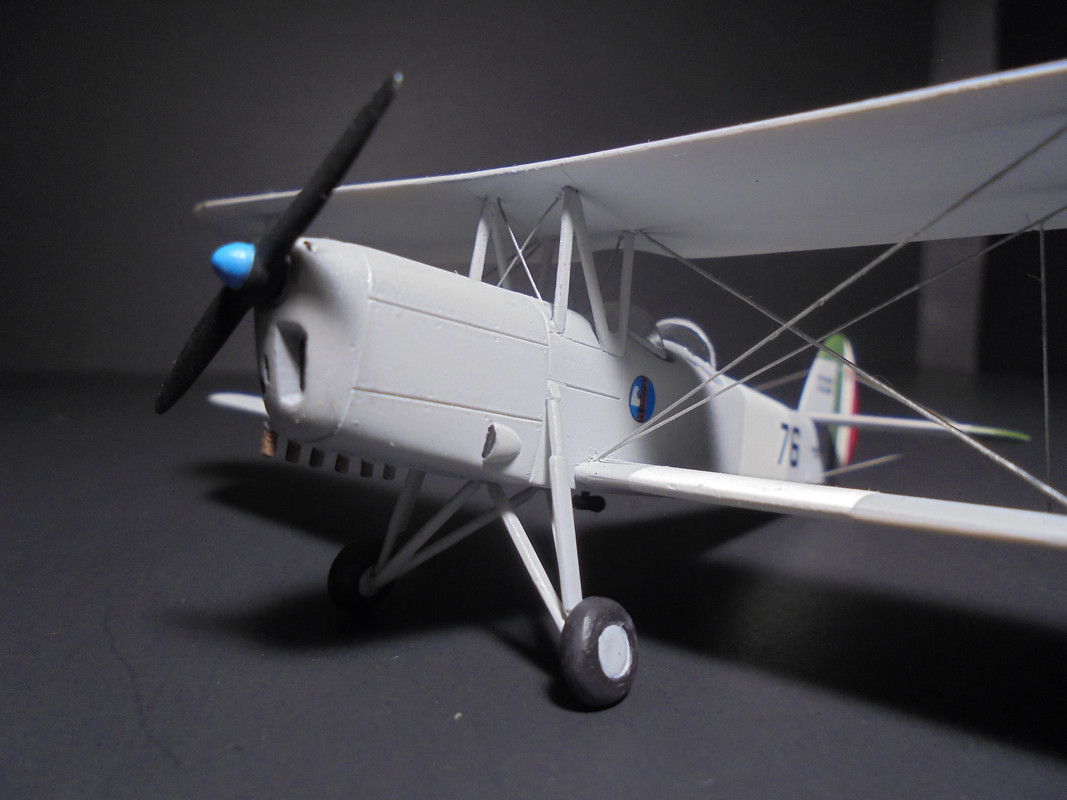
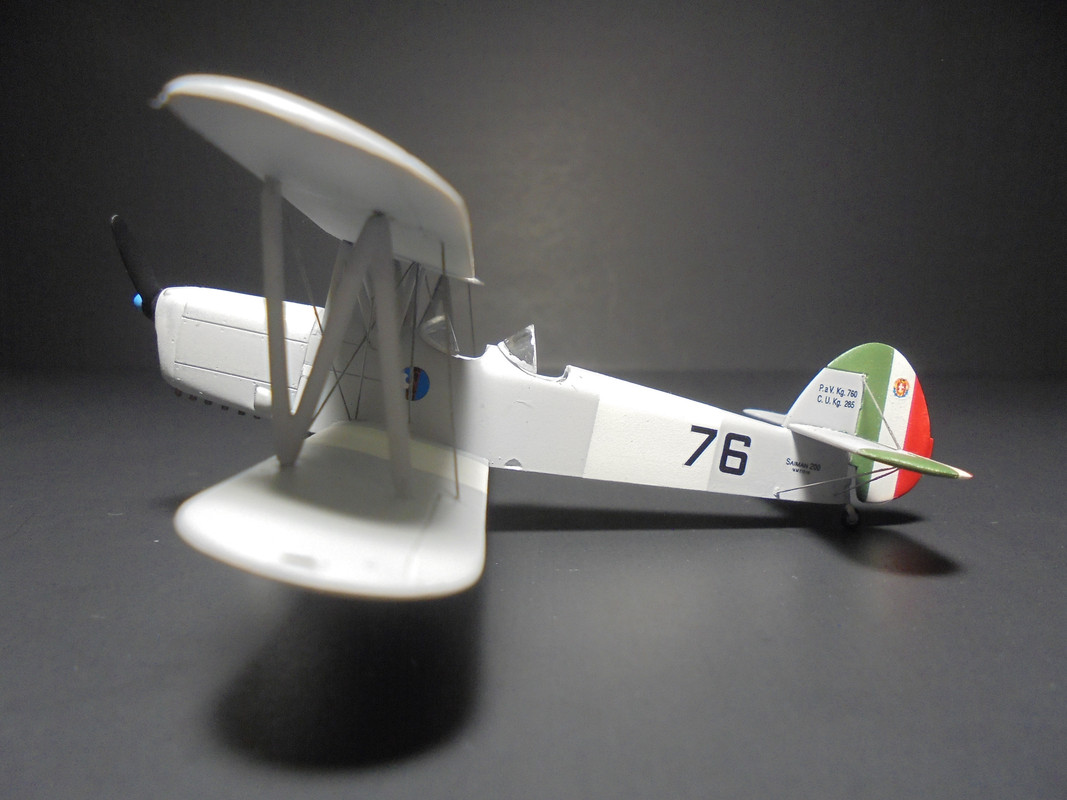
1/72nd Scale SAIMAN 200 & 202 Model Builds

Post by RetiredInKalifornia » Mon Jul 01, 2024 2:14 pm

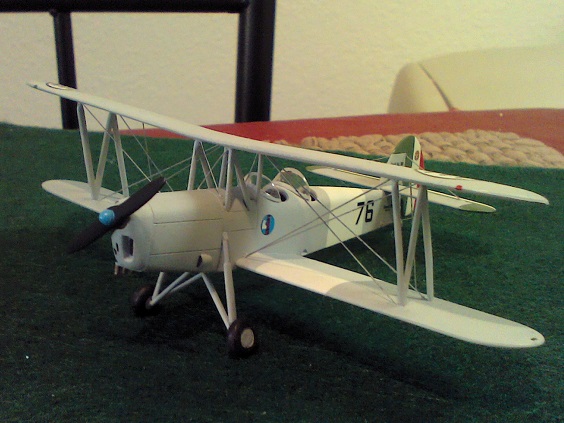
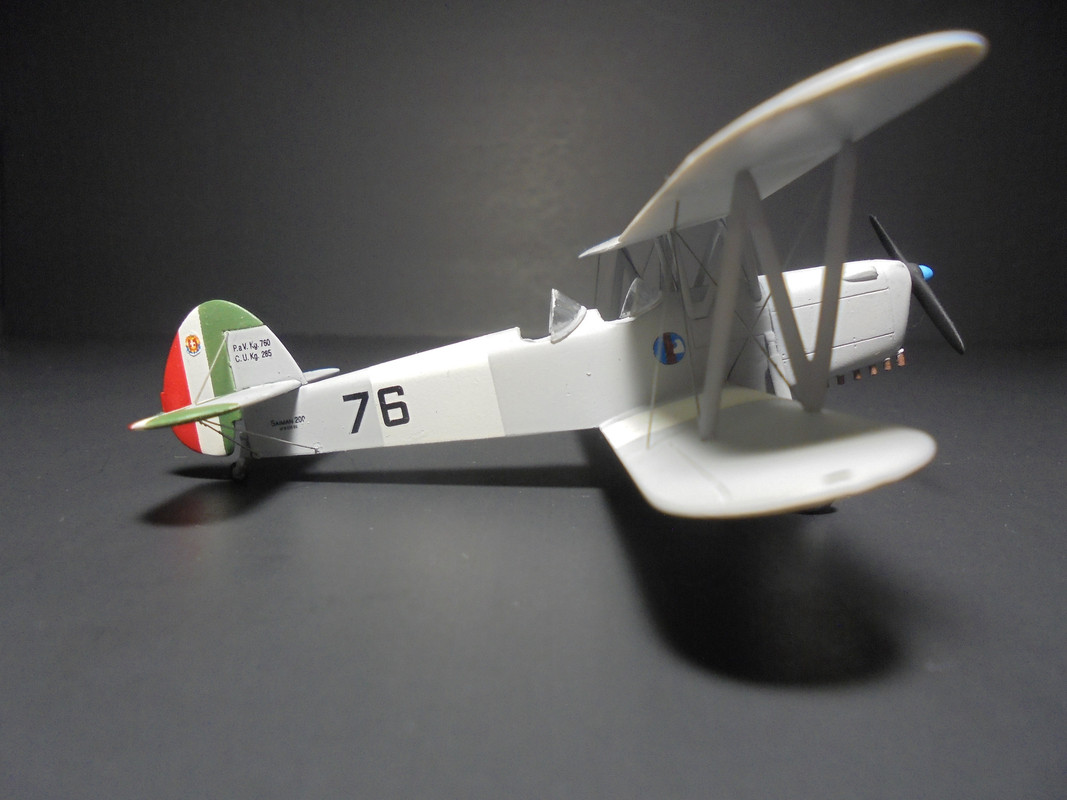
The Società Industrie Meccaniche Aeronautiche Navali (SAIMAN) 200 two-seat wood & fabric-constructed primary trainer & liaison biplane designed by Mario Bottini first flew in 1938 powered by a 185 hp Alfa Romeo 115 6-cylinder air-cooled inverted inline engine, 2 other prototypes powered by the design similar 120 hp Alfa Romeo 110 flying as SAIMAN 205s as well, no further development of them occurring.

In addition to 2 aircraft built for Ala Littoria airline 140 were for the Regia Aeronautica Italiana (RAI); 115 by Caproni Vizzola, 25 SAIMAN, structurally strengthened as result of accidents during flight testing of the three aforementioned prototypes & early production aircraft. In continuous RAI service prior to the September 8, 1943 Armistice surviving aircraft flew with the Aeronautica Nazionale Repubblicana, Aviazione Cobelligerante Italiana & post-war Aeronautica Militare till 1947.

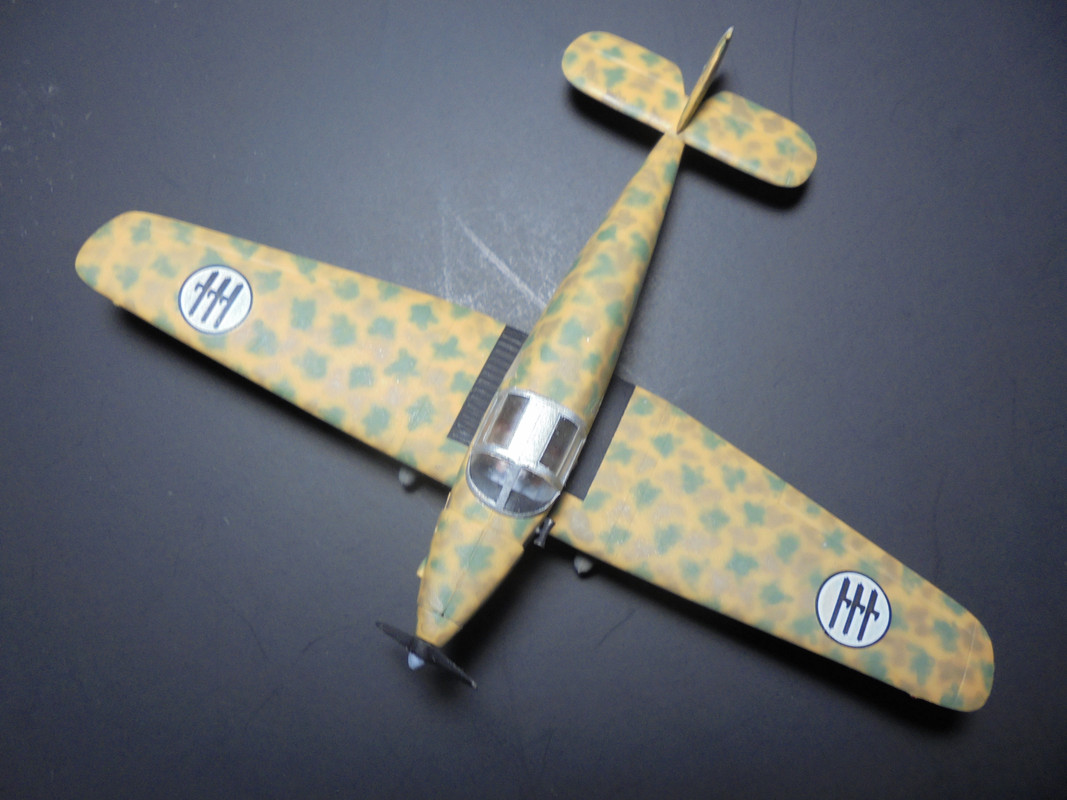
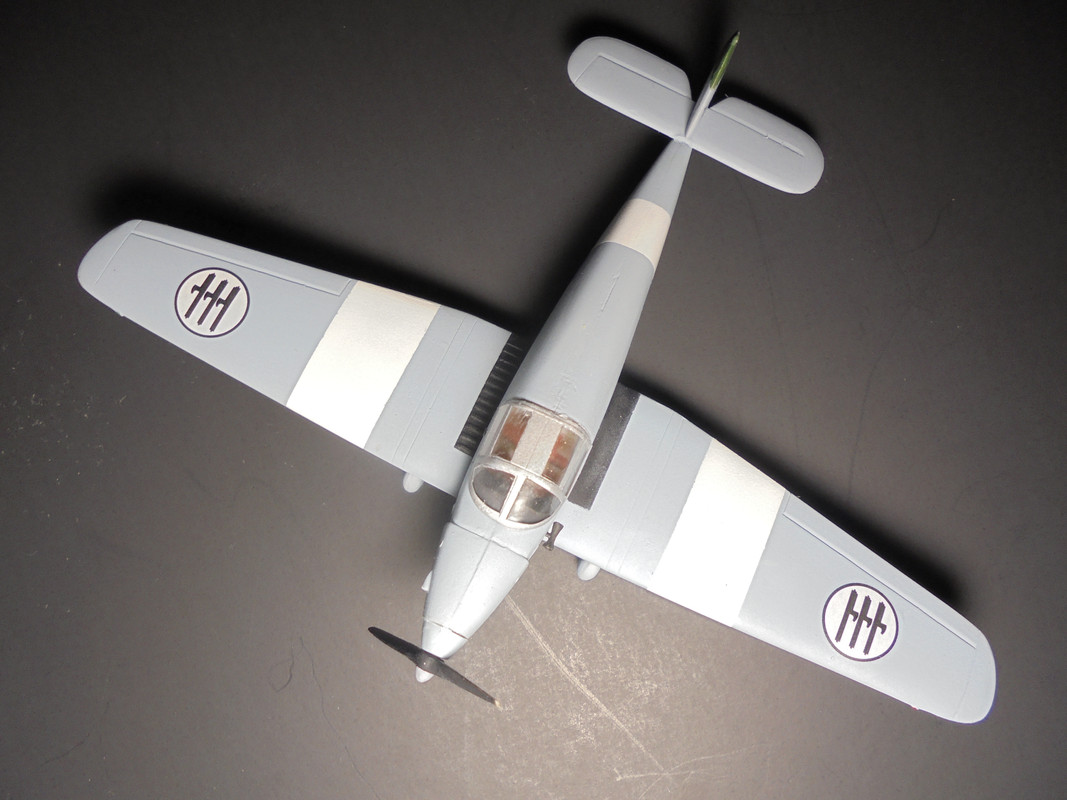
The dissimilar SAIMAN 202 two-seat cabin monoplane responding to an RAI requirement also first flew in 1938, posts of my 202bis & 202M variant scale models included amongst those on the STORMO Gallery previously not published photos of them shown below.


JACHMAN SAIMAN 200 Kit No.72103 (Choroszy Modelbud Kit No.A08)

Photos Taken August 3, 2017:
Image

Image

Image

Image

Photos Taken May 29, 2021:
Image

Image

Image

Image

Image

Image

Image

Image

Image

SAIMAN 202bis LF/KORA Models Kit No.KPK72102

Photos Taken June 3, 2021:
Image

Image

Image

Image

Image

Image

Image

SAIMAN 202M LF/KORA Models Kit No.KPK7286

Photos Taken June 3, 2021:
Image

Image

Image

Image

Image

Image

Image

User avatar
RetiredInKalifornia
Generale di Divisone Aerea
Posts: 568
Joined: Fri Jun 14, 2019 6:34 pm

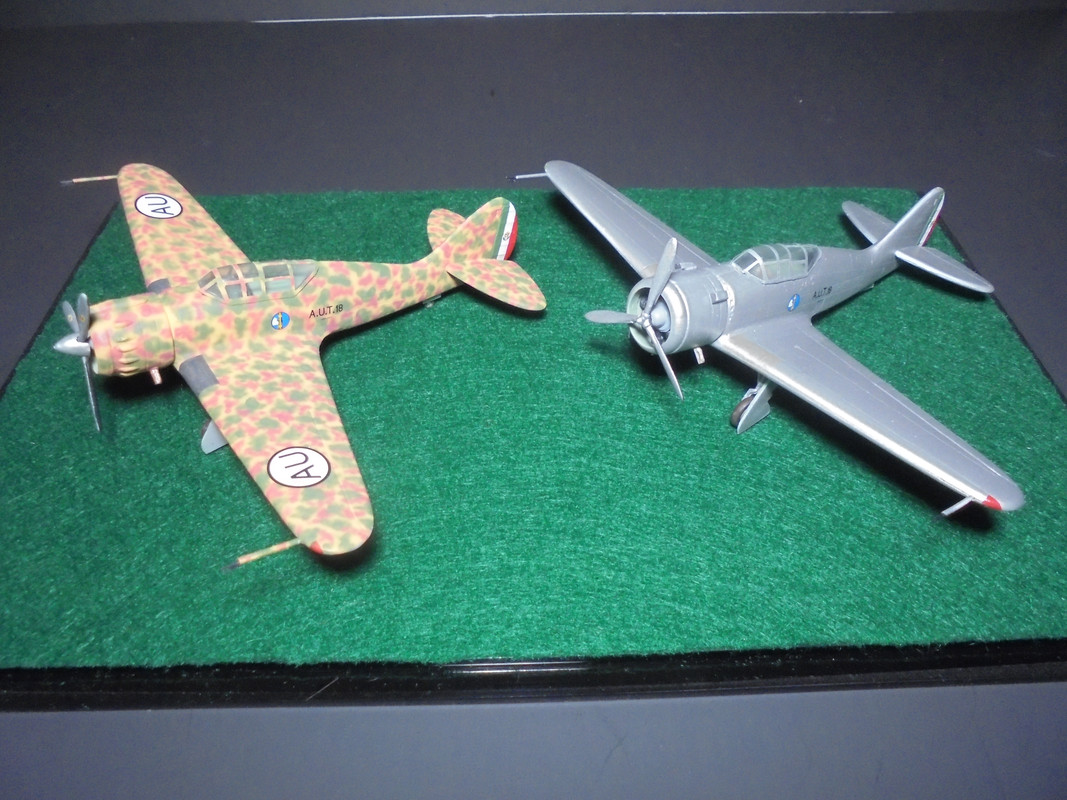
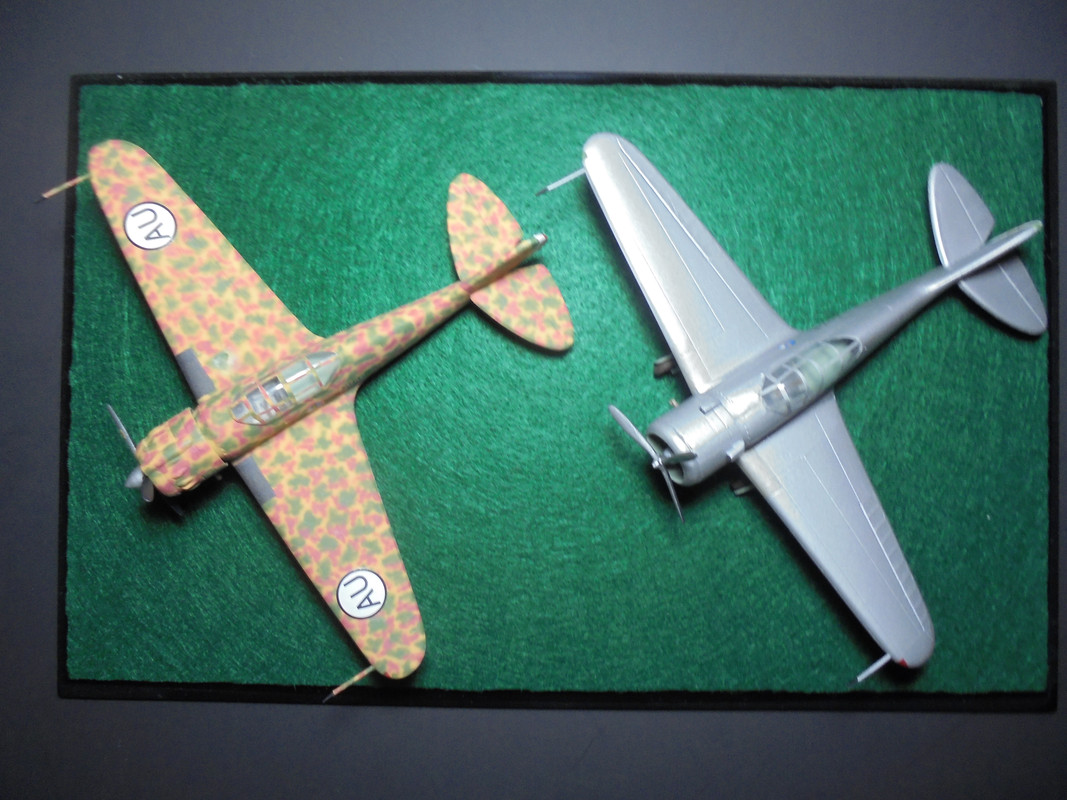
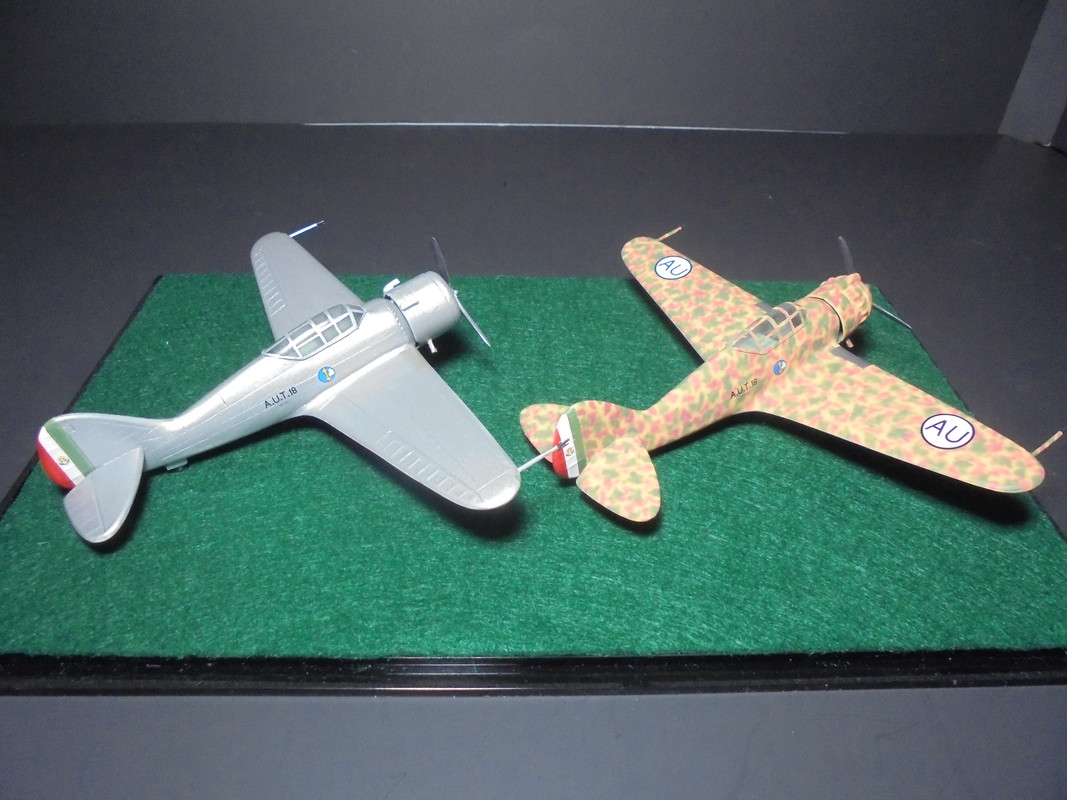
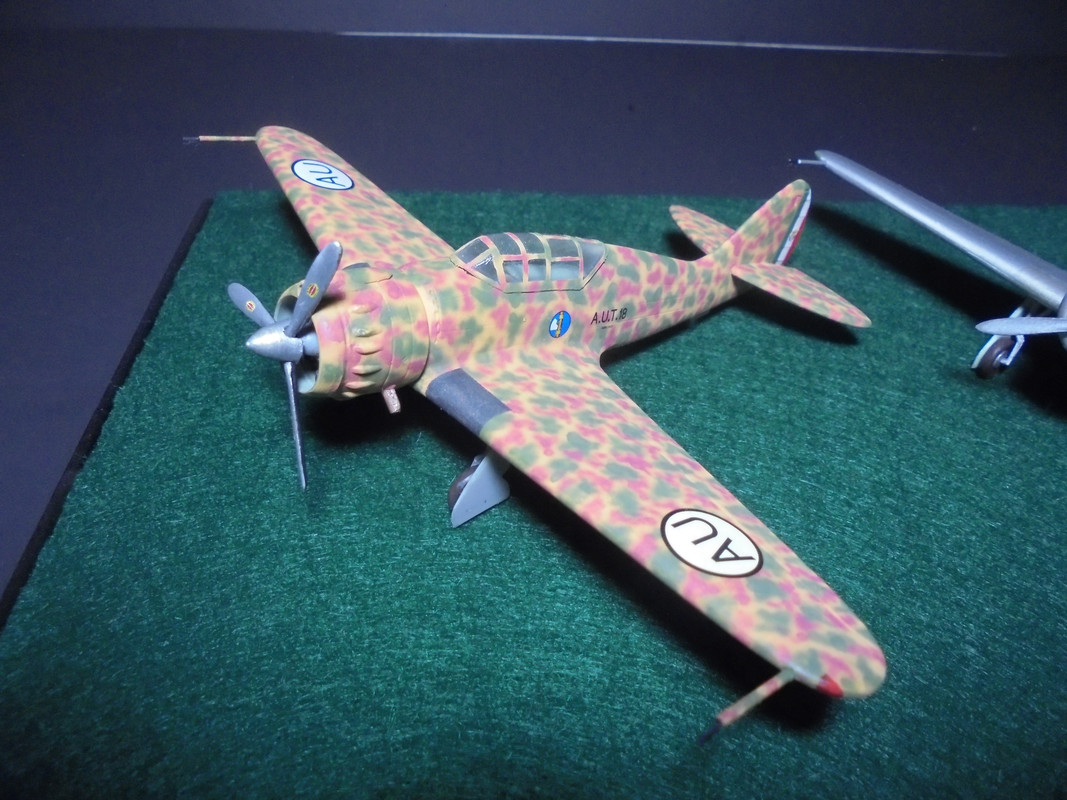
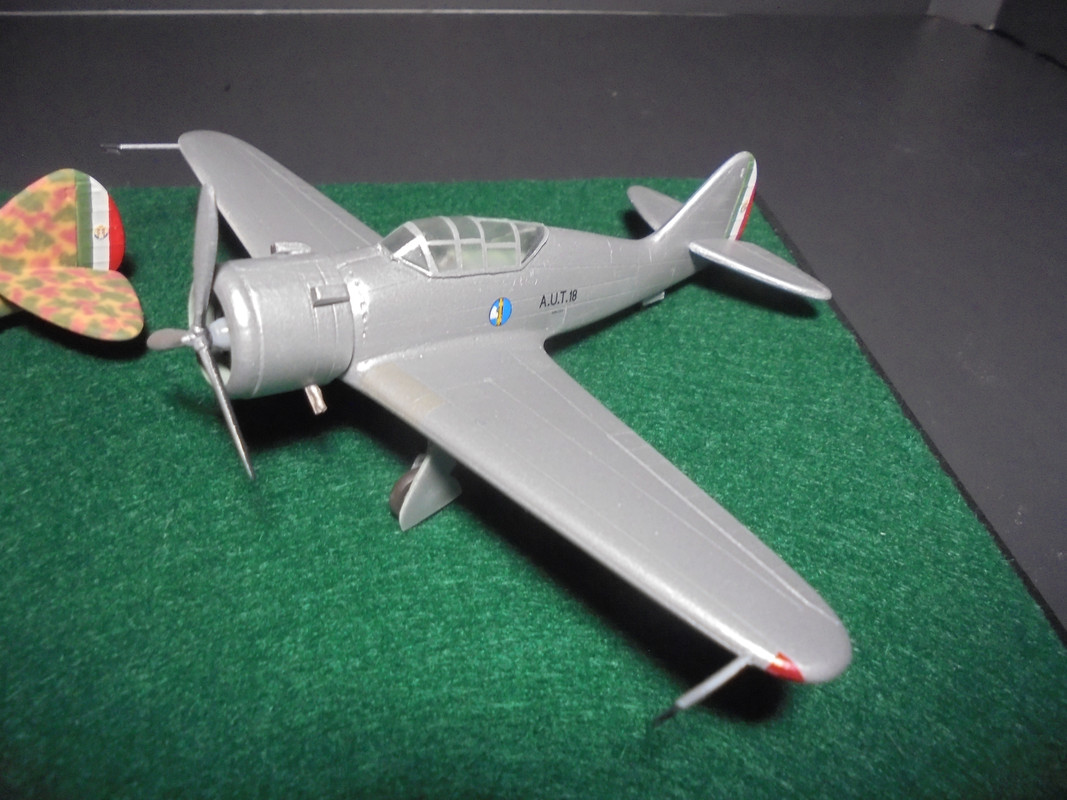
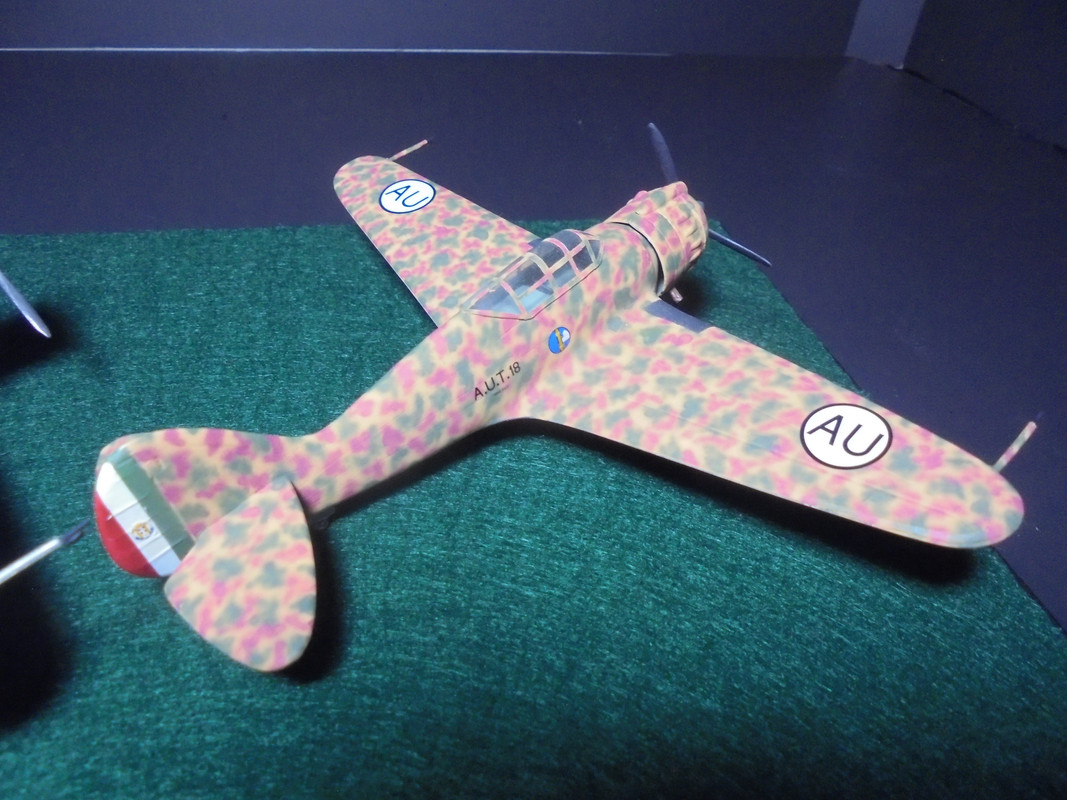
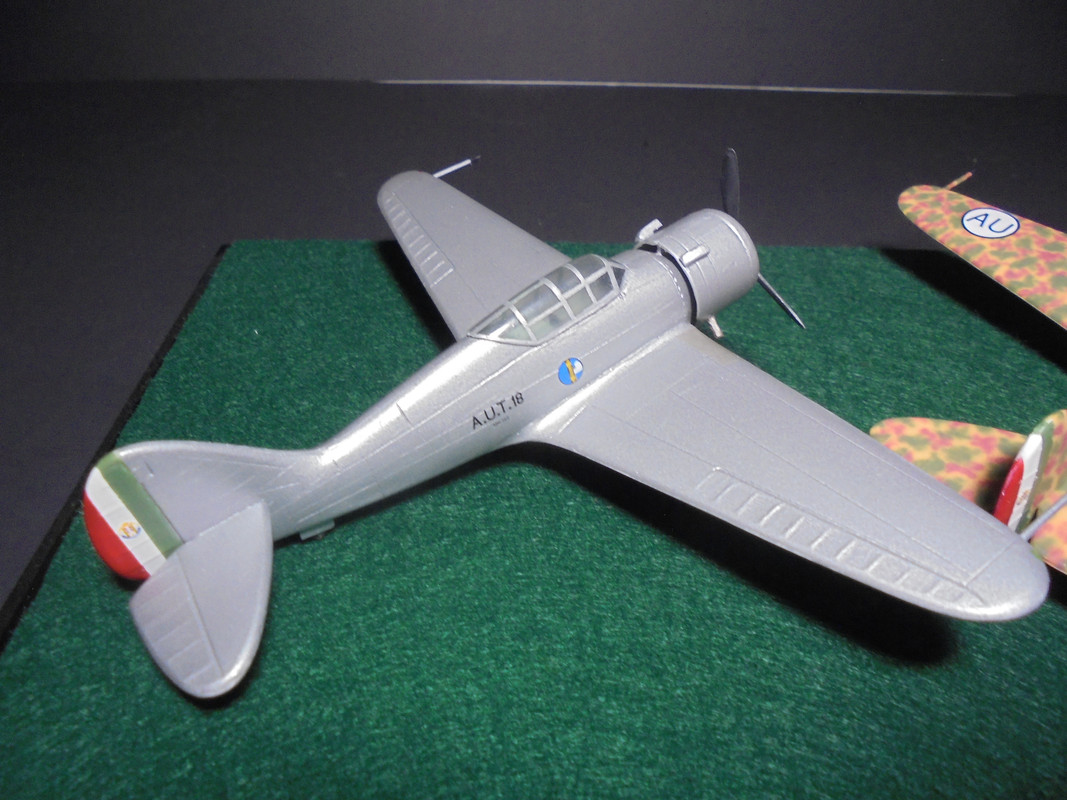
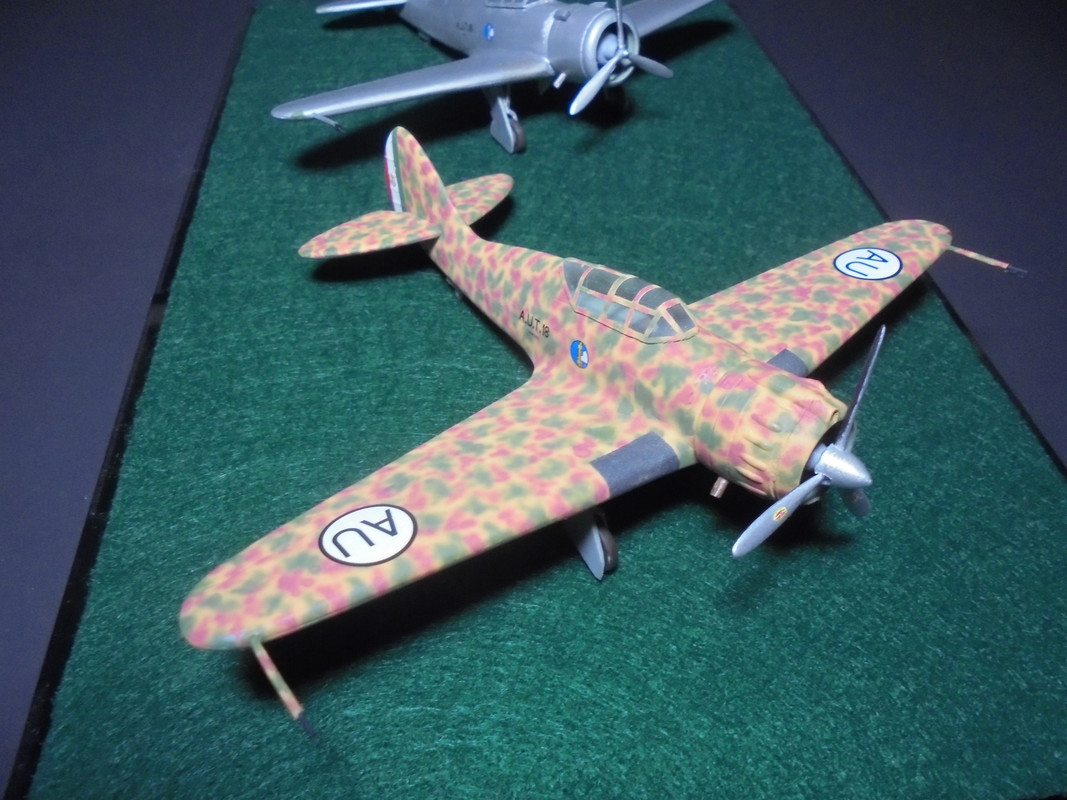
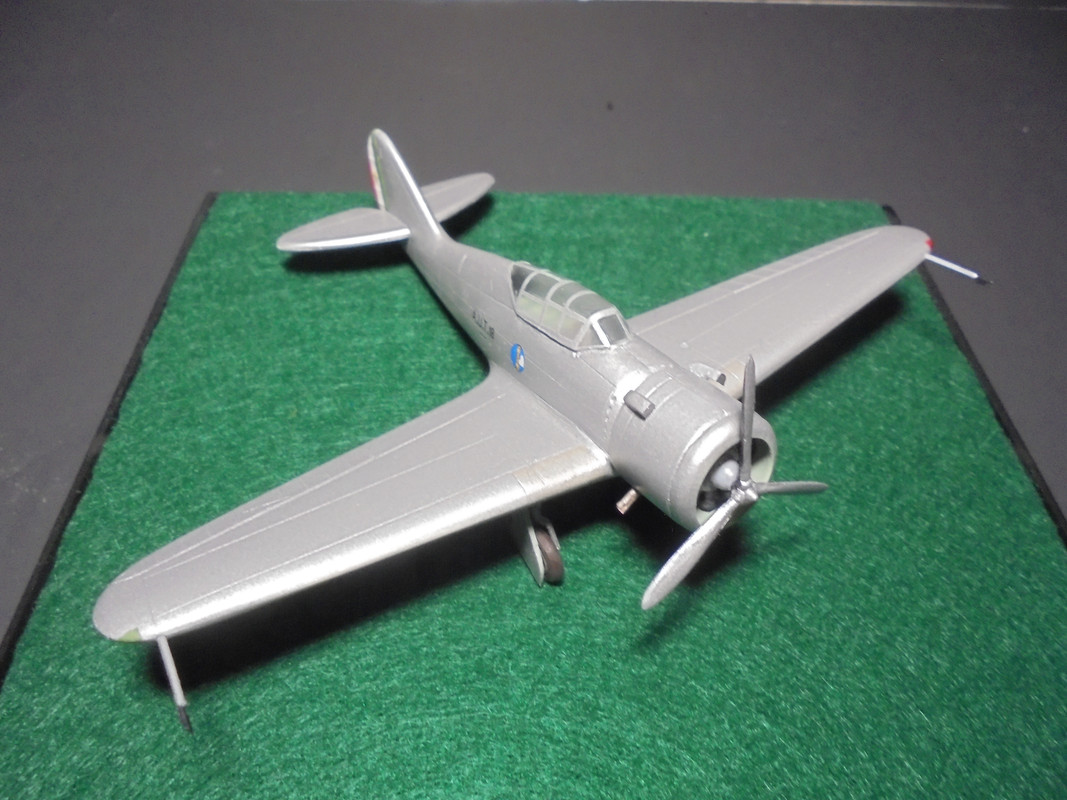
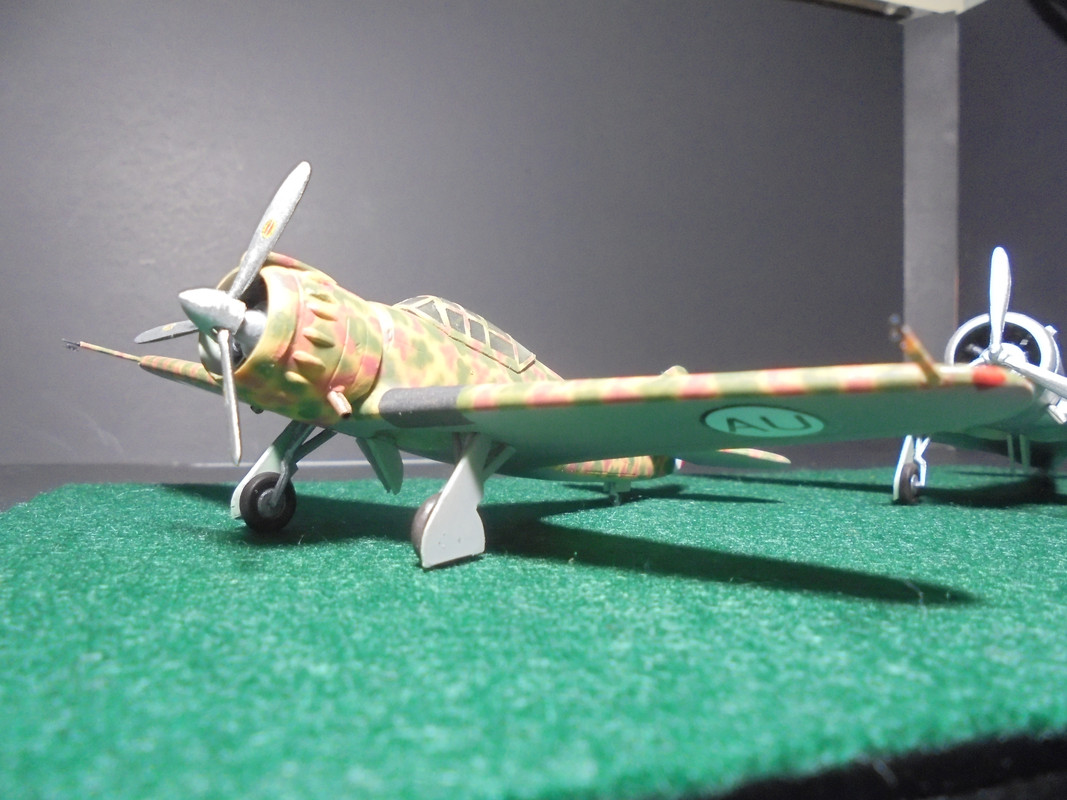
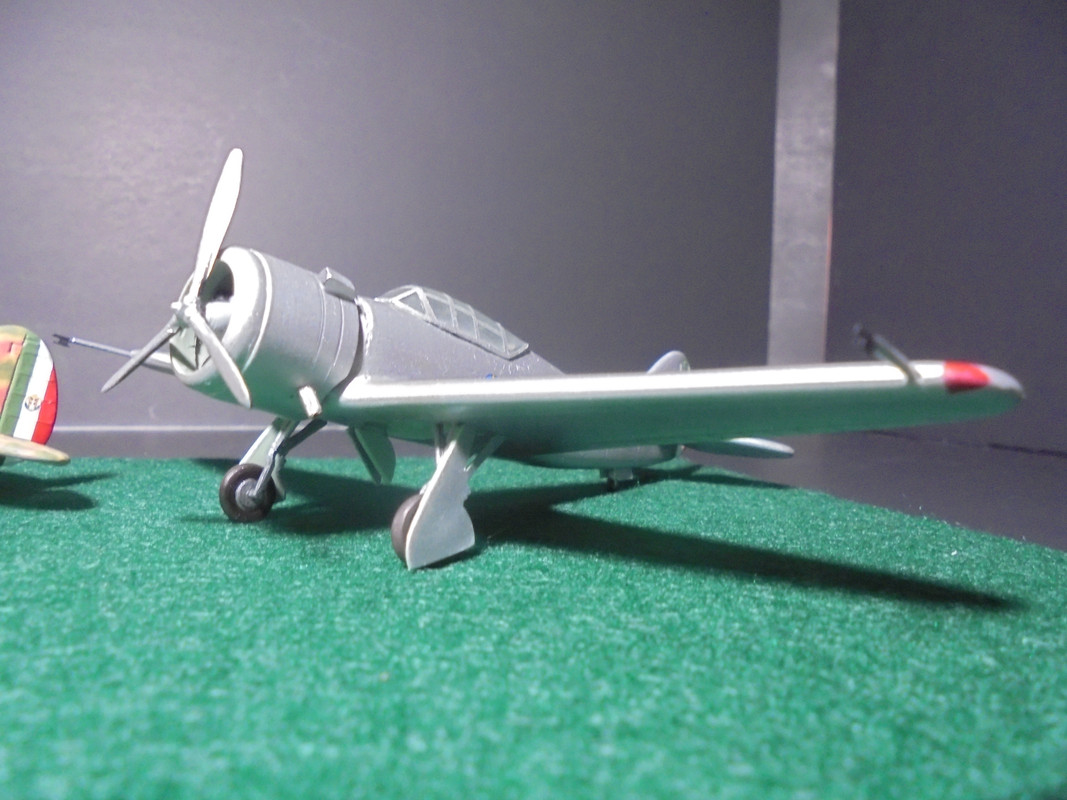
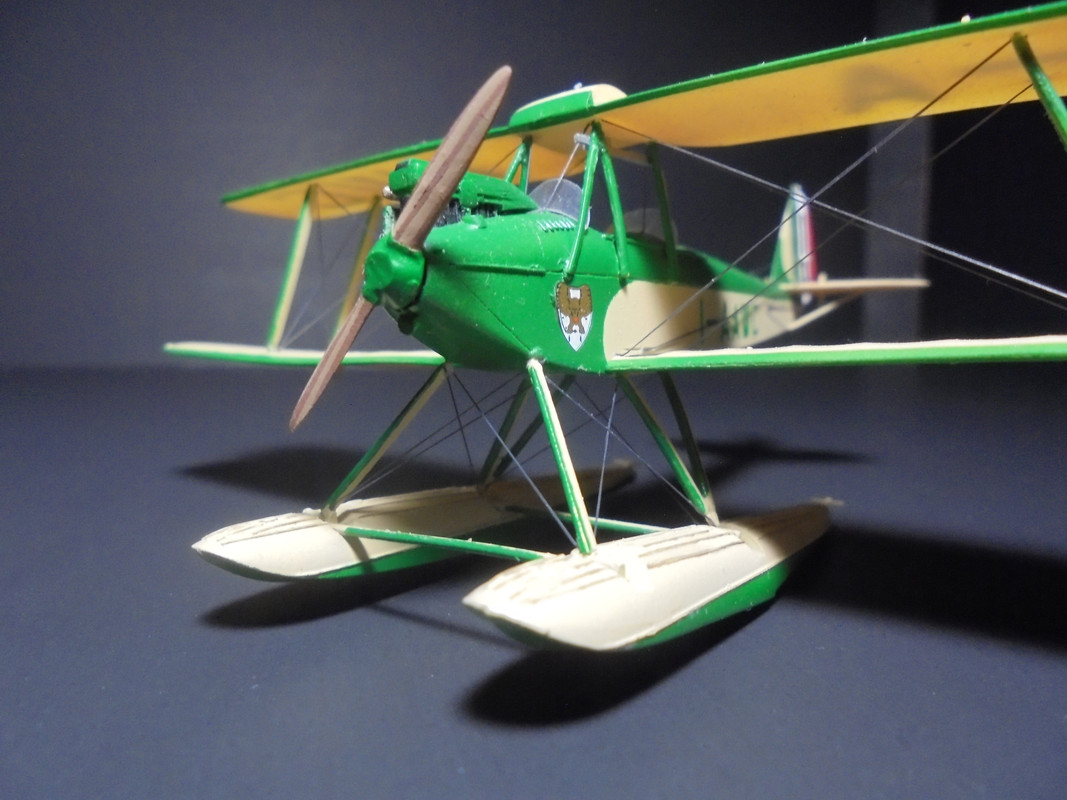
1/72nd Scale Broplan Vacuform Aeronautica Umbra Trojani AUT.18 Fighter Prototype

Post by RetiredInKalifornia » Mon Jul 01, 2024 7:59 pm

Other photos of sole prototype variants are posted on the STORMO Gallery those below previously not published.

Photos Taken June 1, 2021:
Image

Image

Image

Image

Image

Image

Image

Image

Image

Image

Image

Image

Image

Image

Image

Image

Image

User avatar
RetiredInKalifornia
Generale di Divisone Aerea
Posts: 568
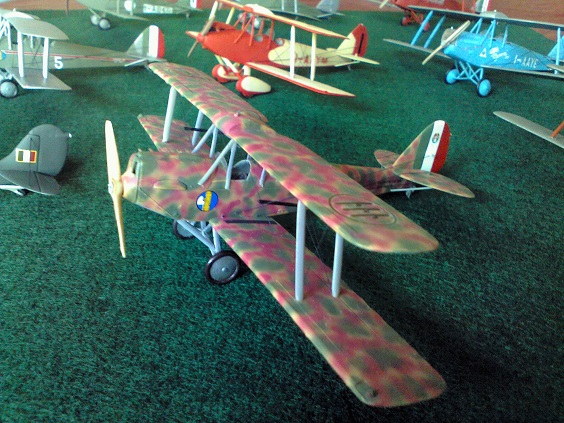
Joined: Fri Jun 14, 2019 6:34 pm
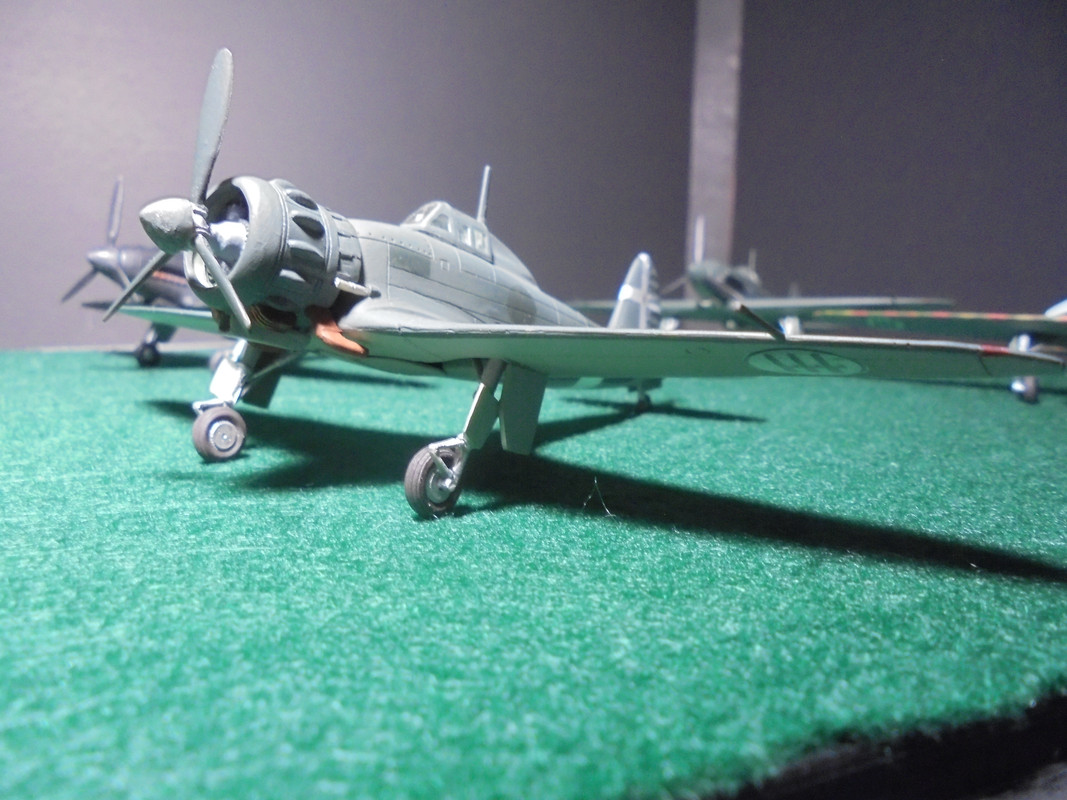
1/72nd Scale FIAT G.55 Centauro Fighters

Post by RetiredInKalifornia » Tue Jul 02, 2024 6:40 pm

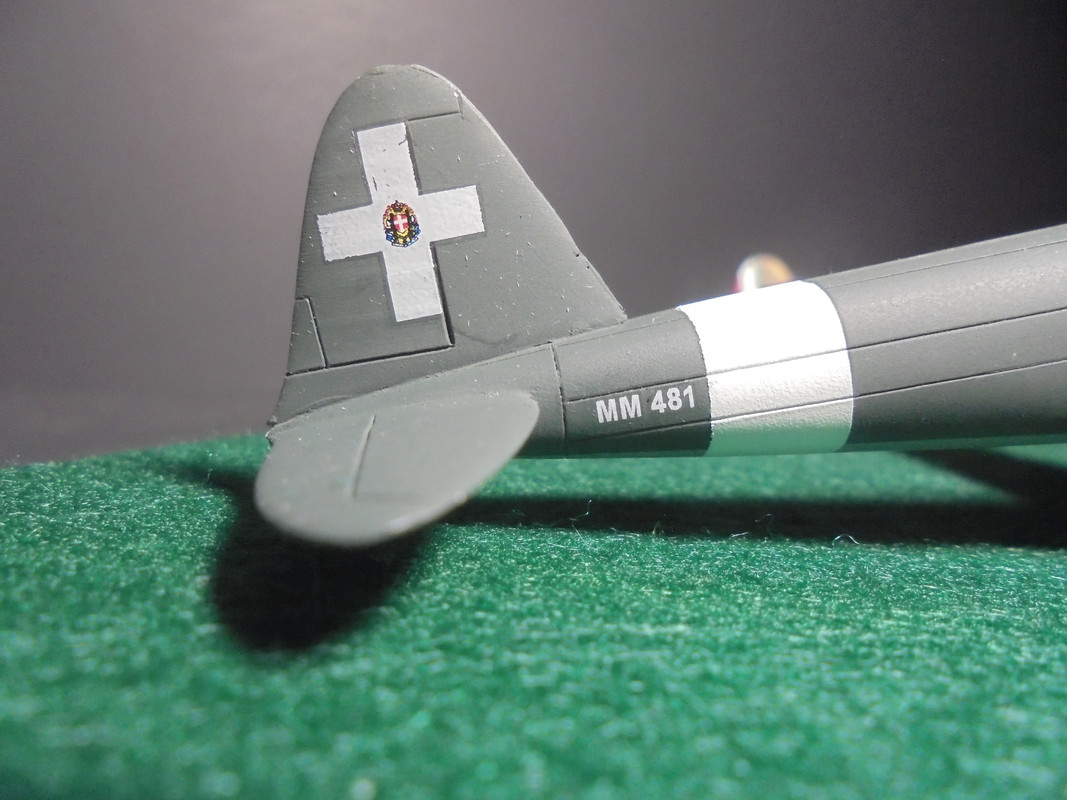
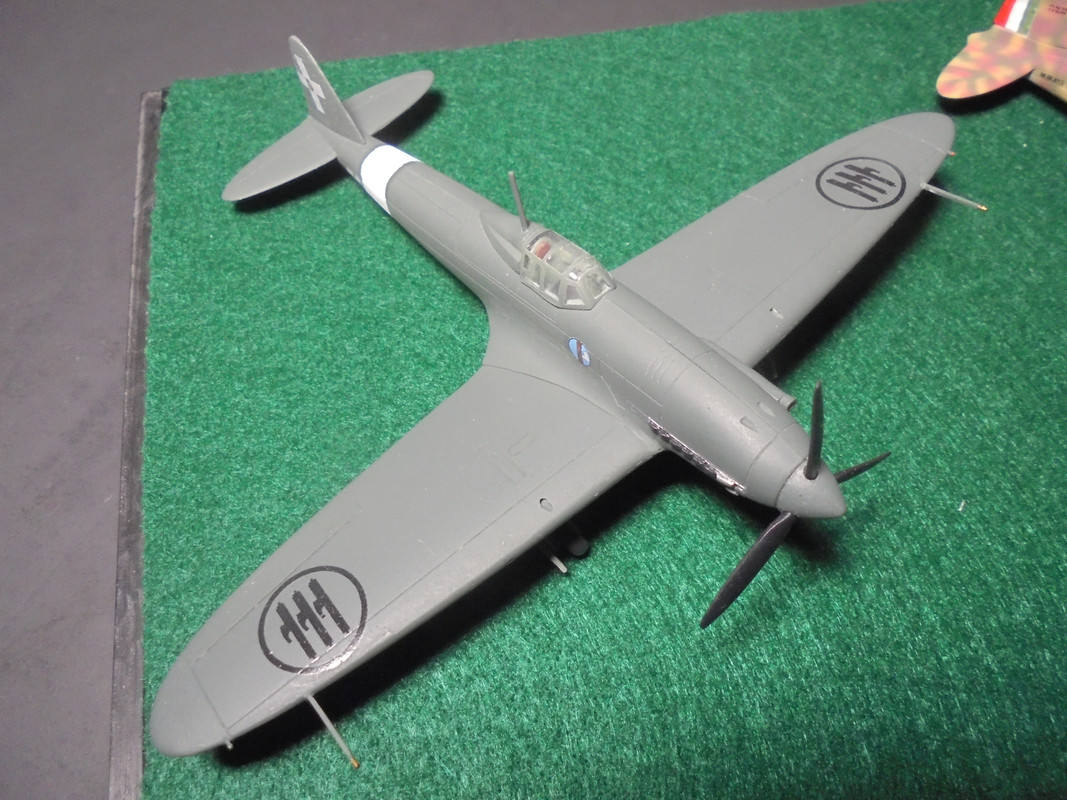
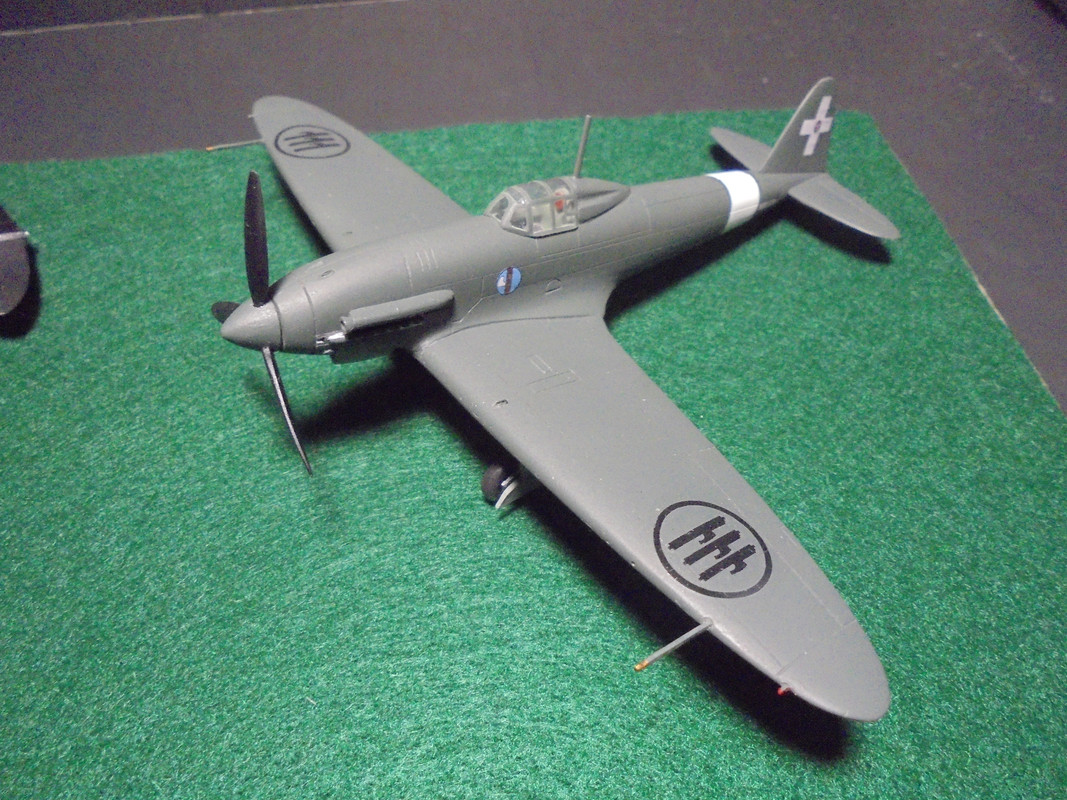
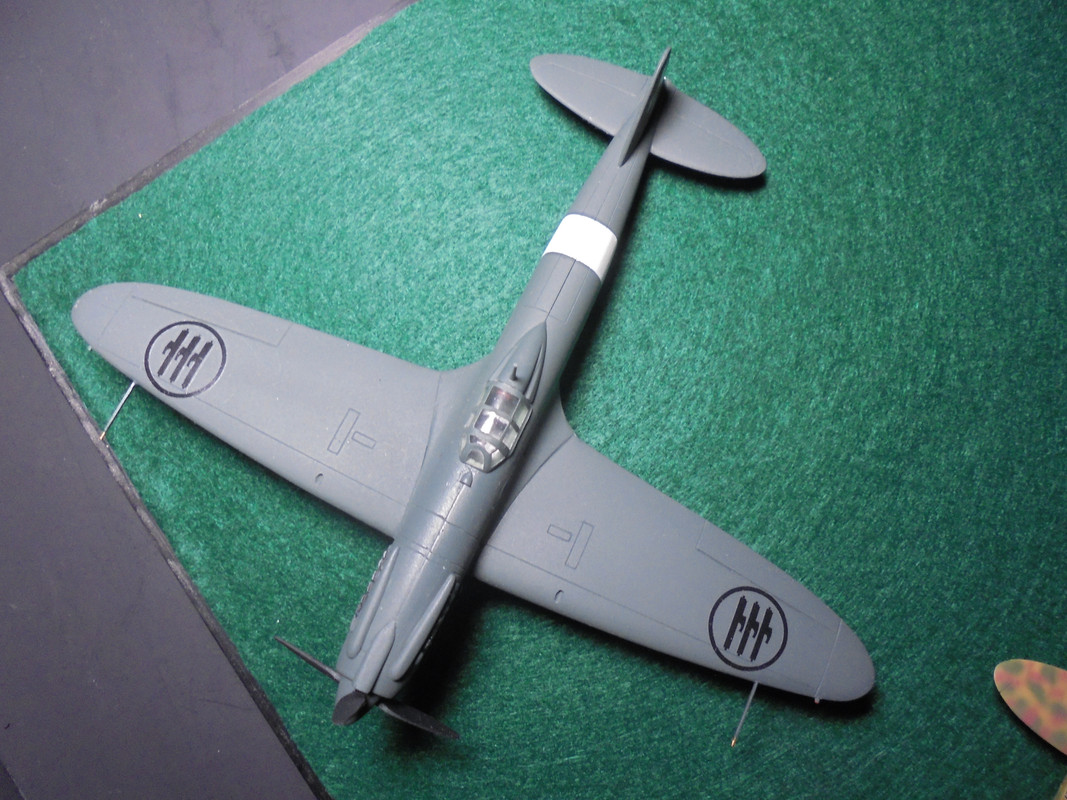
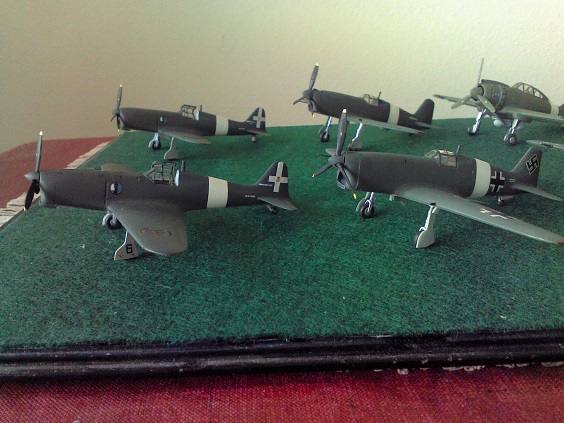
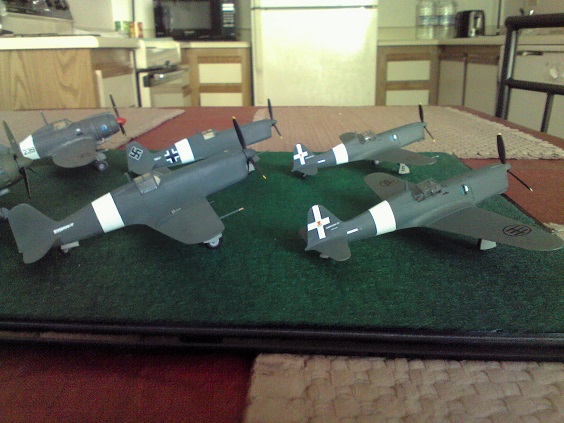
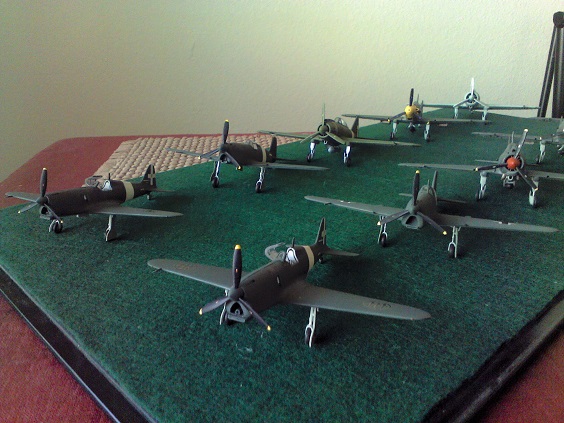
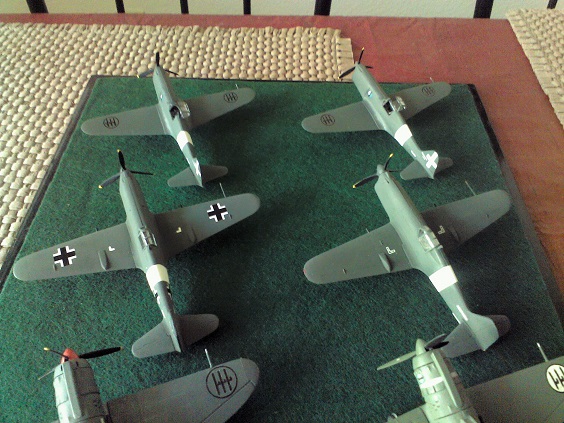
The most powerfully-armed & best performing mid & late WWII Italian fighter available in appreciable quantity (274 including prototypes during the war, 75 post-war) the FIAT G.55 Centauro operationally matched near all mid-war Allied fighters. Not a favored modeling subject I'd nevertheless built several 1/72 scale models of the aircraft marketed by Aliplast/Italaerei/Italeri, SUPERMODEL, FROG & Special Hobby (guess which :biggrin:) last builds of which photographed & shown below.
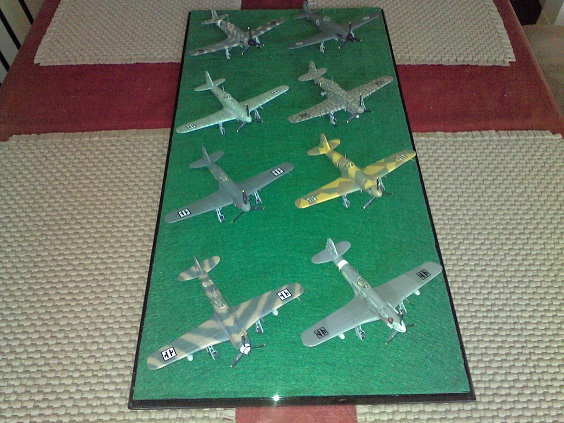
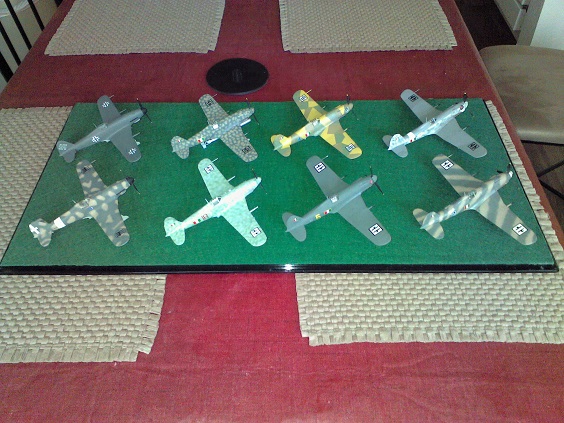
All Photographs Taken August 17, 2027:

Image

Image

Image

Image

Image

Image

Image

Image

Image

Image

Image

Image

Image

Image

Image

An improved Fiat G.55 powered by a 1,750 hp Daimler-Benz DB 603 inverted V-12 liquid-cooled engine & armed with three 20mm cannons two G.56-model prototypes were built, one before the September 8, 1943 Italian Armistice no readily available information whether it had flown before then. Flight evaluated post-Armistice under Deutche Luftwaffe supervision on March 30, 1944 FIAT test pilot Valentino Cus hit 440 mph making it the fastest Italian combat aircraft of any type flown during WWII, production not allowed despite keen Luftwaffe interest having it placed into production by German aircraft manufacturers.

Special Hobby Kit No.SH72182

Image

Additional photos of these models will be posted later.

User avatar
RetiredInKalifornia
Generale di Divisone Aerea
Posts: 568
Joined: Fri Jun 14, 2019 6:34 pm

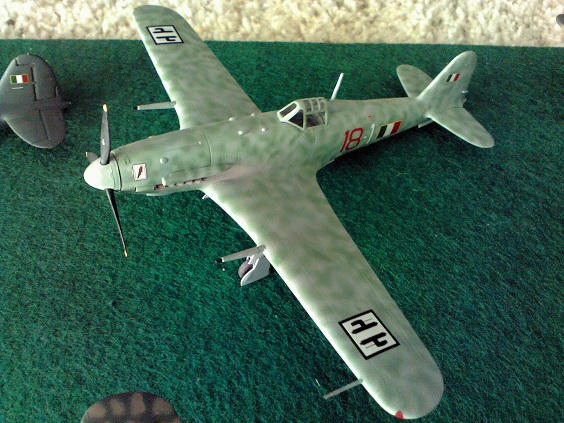
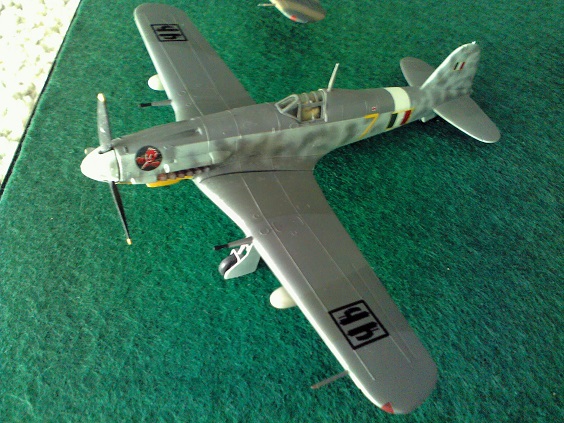
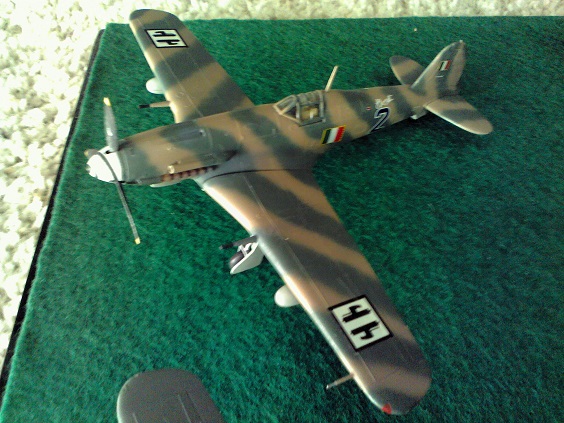
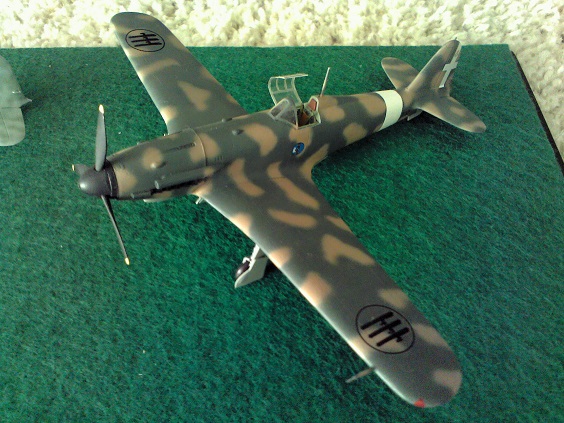
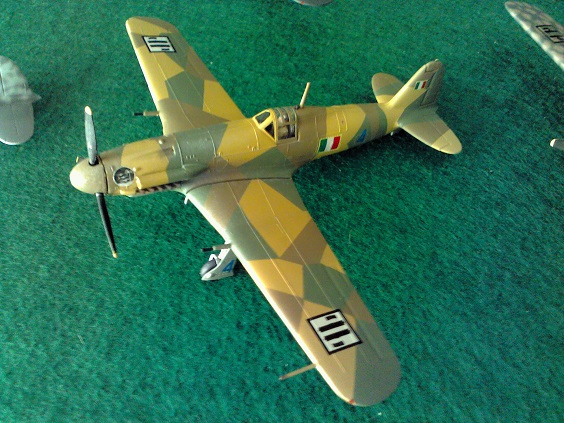
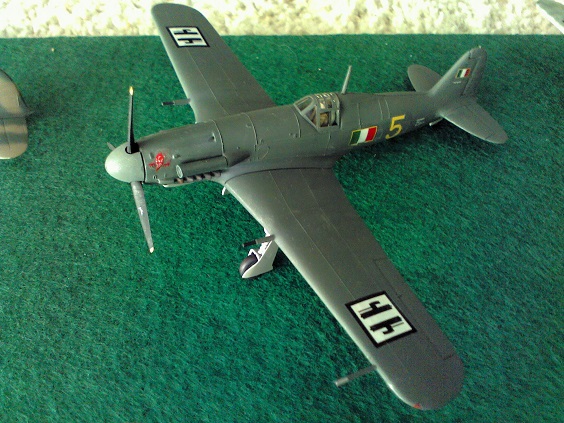
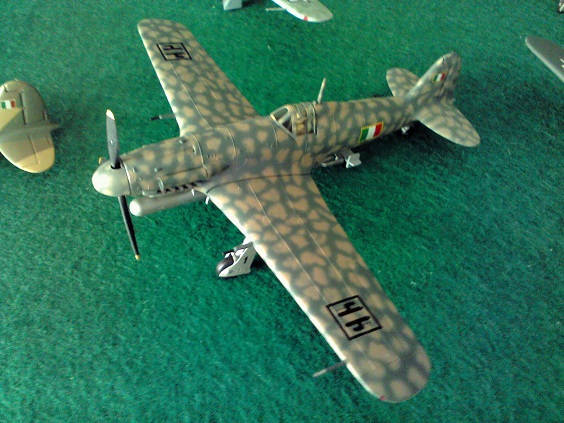
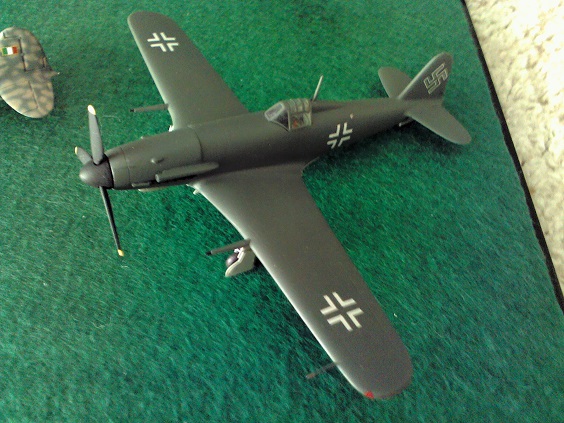
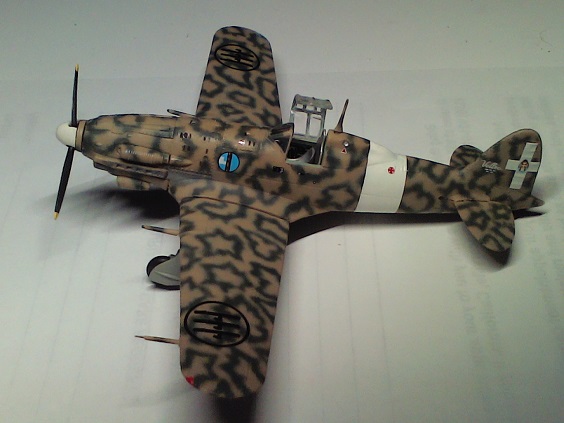
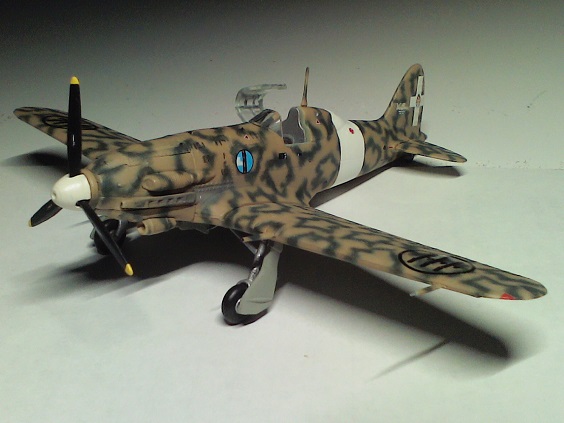
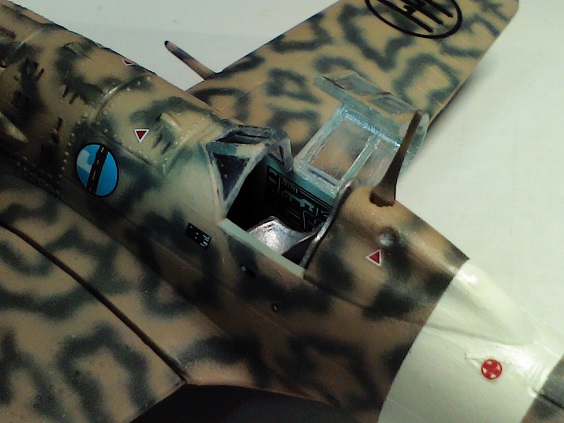
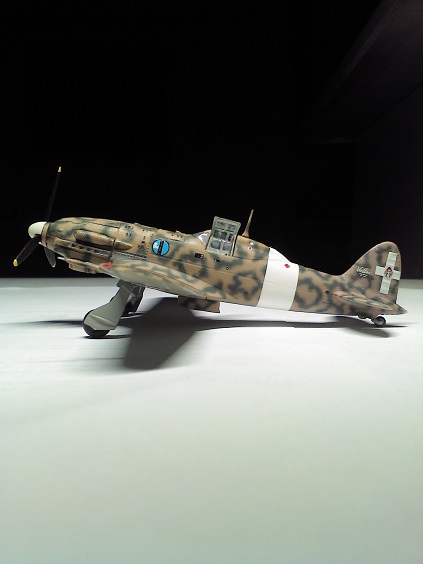
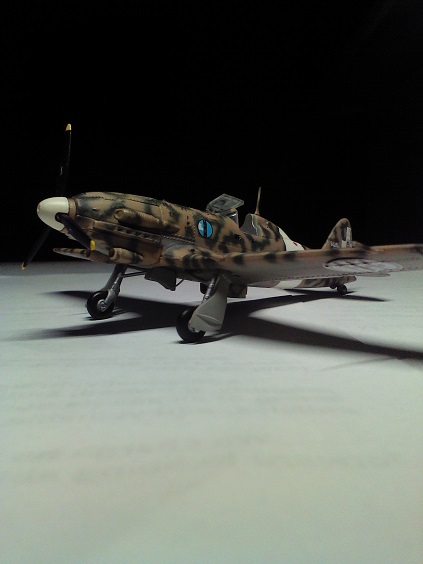
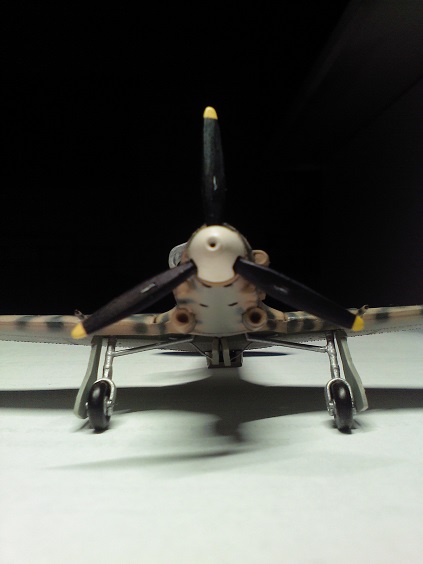
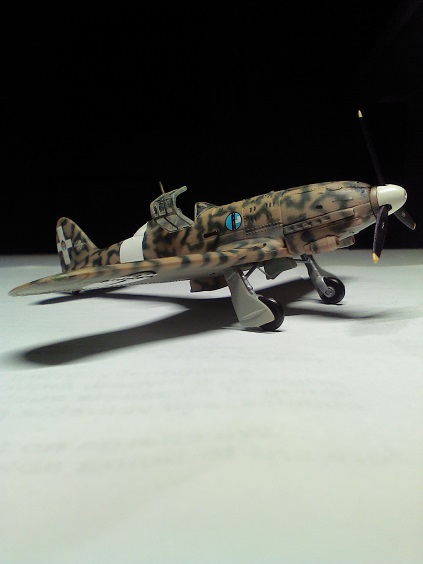
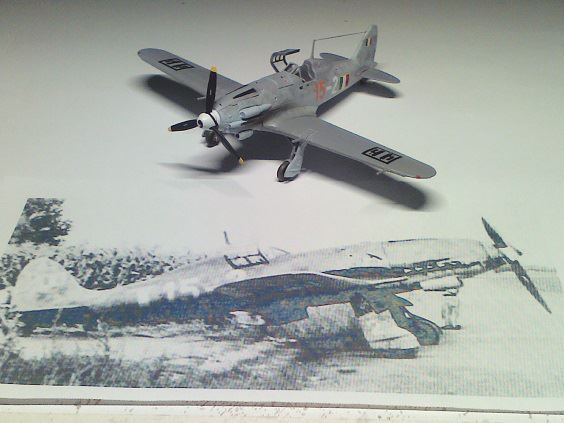
1/72nd Scale Delta 2 Macchi C.205 Model Builds

Post by RetiredInKalifornia » Wed Jul 03, 2024 1:49 pm

Contemporary to the 1973-vintage 1/72nd scale SUPERMOEL model kit the less-than-well-tooled mold injected plastic limited-run French Delta 2 Aeronautica Macchi C.205V one was favored for ease of build over the SUPERMODEL & decades later Italeri ones, high amongst those model kits I’d relished building between 1978 & 2020. Three builds were made; one during 1980s others after 2010 photos of latter two shown below.
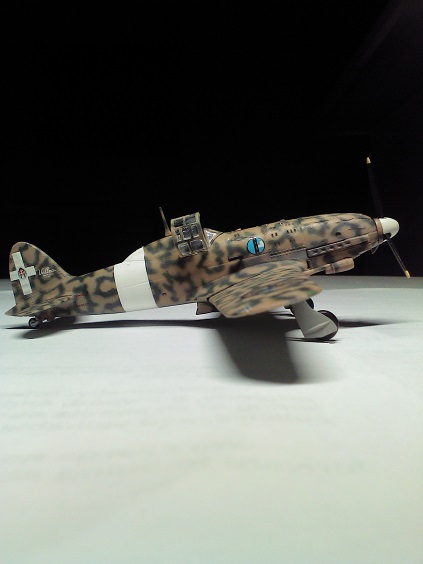
Photos Taken September 27, 2017:

Image

Image

Image

Image

Image

Image

Image

Image

Image

Image

Image

Image

Photos Taken July 21, 2018:

Image

Image

Image

Image

Image

Image

Image

Image

Image

Image

Image

Image

Image

Image

Image

Image

Image

Image

Image

Image

Image

Image

Image

Image

Image

Image

Image

Image

Image

Image

Image

Image

Locked