×
Special Hobby 1/48 FIAT BR.20 (torreta Breda M.1)
Cicogna (Stork)
by Paolo Carli


Click the STORMO! Eagle to
return to the Gallery


The FIAT BR.20 in WWII
In September 1939 when the Second World War broke-out the Fiat BR.20 equipped two Bomber Wings, whilst at the end of 1939 the first prototype of the new BR.20M had already been flown, incorporating the improvements from early service experience and from its operational use in the Spanish Civil War.

On the following 1 November 1939, 148 BR.20s were on charge with the Regia Aeronautica and on 10 June 1940 when Italy entered the war, the fleet of BR.20s was 162 aircraft in service with four bomber wings (7° Stormo at Lonate Pozzolo, 13° Stormo at Piacenza, 18° at Aviano and 43° at Cameri), little more than one third of them being the new 'M' type. The fact alone that the type was mainly deployed in Northern Italy's airfields says a lot about how much the Air Staff still regarded the sturdiness of the first Italian 'all-metal' bomber and its outstanding performance. Early in June, on the eve of the war with France, 25° Gruppo (7° Stormo) and 43° Gruppo (13° Stormo) were transferred to advanced airstrips, originally classified as 'secret bases', respectively at Ghemme and Cascina Vaga.

The first important mission against France took place on 13 June when a formation of 19 BR.20s from 13° Stormo attacked the airfields at Fayence and Hyeres. On the same day the new 172a Squadriglia Ricognizione Strategica (Strategic Reconnaissance Squadron) was established with BR.20s at Bresso, near Milan. For the whole duration of the French campaign the BR.20 represented the most important bomber to the Regia Aeronautica that, evidently, thanks to the excellent results achieved in Spain, was still strongly relying on its most modern bomber type. After the end of the campaign, BR.20 units gradually returned to their normal activities and training, while a fifth Stormo based in Southern Italy (37° Stormo BT) started receiving the Fiat type at Leece airfield, in order to replace its ageing S.81 bombers. Meanwhile, in August 1940 aircraft of 4a 'Drago' (Dragon) Air Division were experimenting at Lonaie Pozzolo with the new Borleiti-Colnaghi bomb-sight.

Nevertheless, by the autumn of 1940 operational squadrons were being almost exclusively equipped with the BR.20M marking the end of front-line use of bombers belonging to early production batches, the BR.20. Over 318 BR.20s were produced (of which 235 were for the Regia Aeronautca) including those used in Spain or produced for the Imperial Japanese Army Air Force. The majority of early aircraft were overhauled being factory-modified and updated to full 'M' standard, contributing thus to their rapid disappearance from Regia Aeronautica's first-line inventory. Main use of the few surviving aircraft of the original early-production type was limited to secondary roles only - reconnaissance, liaison and training - for the rest of the war.

Source:
Waldis P. and Pedriali F., "Ali D'Italia #23, FIAT BR.20 1a Parte", La Bancarella Aeronautica, Torino, 2006.


FIAT BR.20/BR.20M Gun Armament and Turrets
Early production aircraft, nearly a hundred of which having been delivered to units till the end of 1937 differed from the prototype only in minor construction details. The original defensive armament consisted of four 7.7mm machine-guns, one housed in a front Fiat H.1 turret, another in a jaw-type retractable position beneath the fuselage and two more fitted in a retractable Breda D.R. turret, placed amidships on the top fuselage. The two latter guns, due to handling difficulties experienced with the original twin emplacement, were replaced after only twenty aircraft had been produced (from M.M.20778, Serie II production batch) by a single 12.7mm Breda-SAFAT lodged inside a Breda M.1 turret. The original twin mount Breda D.R. turret was also modified by the addition of a small glass dome to improve visibility. The torreta dorsale Caproni-Lanciani Delta E appeared on the BR.20M Serie XII production batch beginning with aircraft M.M.22707.


Modified Breda D.R. dorsal turret with glass dome added to the top of the turret for improved visbility. This turret was installed on the prototype M.M.274 and the first 20 aircraft of the Serie I production batch M.M.20305-20324.


The Breda M.1 dorsal turret began appearing on the BR.20 starting from Serie II production batch, M.M.20778 aircraft.


The torreta dorsale Caproni-Lanciani Delta E appeared on the BR.20M Serie XII production batch beginning with aircraft M.M.22707.

8a and 9a Suadriglie 9o Gruppo, 7o Stormo BT
This unit received the BR.20 in 1936. After a tour of Africa it returned home before the war started. Updated BR.20Ms arrived in spring 1940. On June 12 1940 the unit began attacks on southern France. The next day it was intercepted by D.520s of GC III/6 over Toulon area, which claimed two bombers, but was in turn attacked by escorting CR.42s. Fifteen bombers were moved to Forli for operations over Yugoslavia. The bad weather reduced the effectiveness of this and other units in the area. By 29 July 1941 it was exchanging its BR.20s for SM.84s. The new aircraft were found difficult to train but was still declared operational in April 1942.

On 7 May the unit became part of the Aerosilurante, but did not use its Savoias as torpedo-bombers and eventually reverted to Bombardamento Terrestre on 1 October. Having moved to Sicily on 1 July with twenty-four SM.84s, operations began against Malta and its shipping routes. In July and August the unit carried out high-level escorted raids on Malta, as well as anti-shipping sorties.

Returning to Italy, it remained in training until disbanded on 15 June 1943.

Reference:
Dunning C., "Courage Alone, Hikoki Publications, Great Britain, 1998.


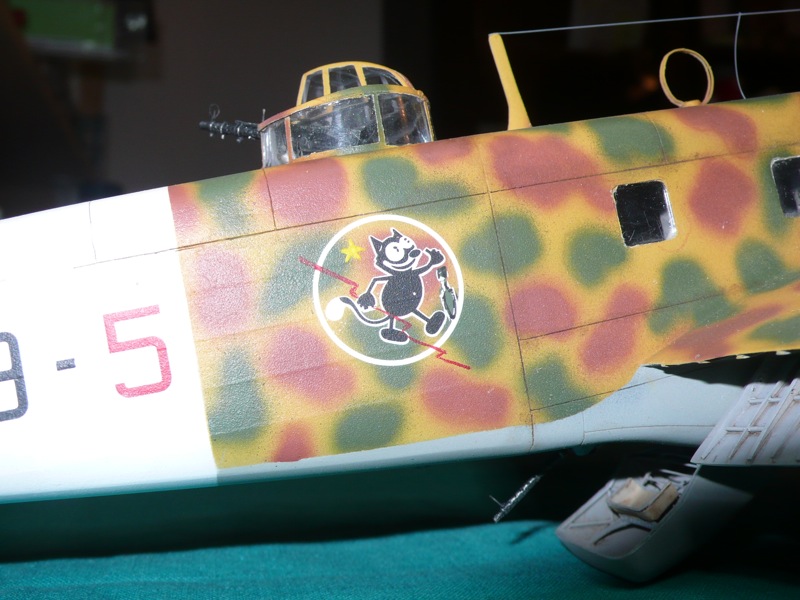
One of the first production version FIAT BR.20 Red 5, 9a Squadriglia, 25o Gruppo, 7o Stormo BT is seen here in 1941 while based at Cameri. Note the open ventral gunner's trapdoor and the retracted dorsal Breda M.1 turret.


Construction

Today I present another project concerning the 1/48 scale Fiat Br20 from the Special Hobby company. For the construction of the kit I used the following documents:

Manuale di uso e manutenzione
Manuale Nomenclatore

As an aftermarket I will use the Eduard photo-engravings dedicated to this model ... the rest is scratch-built.

I immediately start by saying that this is not an easy kit .... indeed! The most problematic part concerns the assembly and the connection of the tail terminal which does not adapt to the gluing seat, the engine cowlings which are not round but oval and the cockpit window which is wider than the fuselage on which it rests.

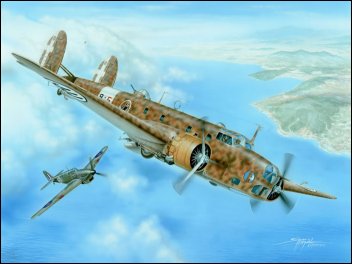
I used the Special Hobby 1/48 FIAT BR.20 SO48068, this is the Box Art:


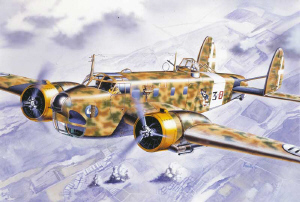
This is the reference profile:

×

The choice of this profile is given above all for the presence of unit badge which, however, will be modified by adding a lightning bolt and a dropping bomb. Ok let's get started

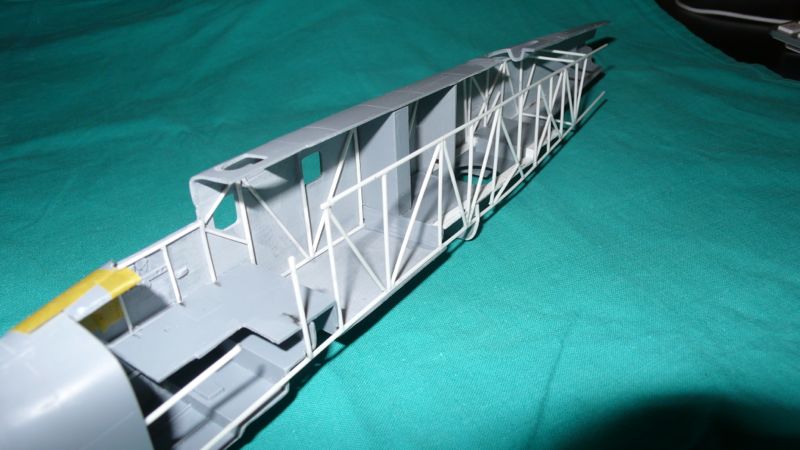
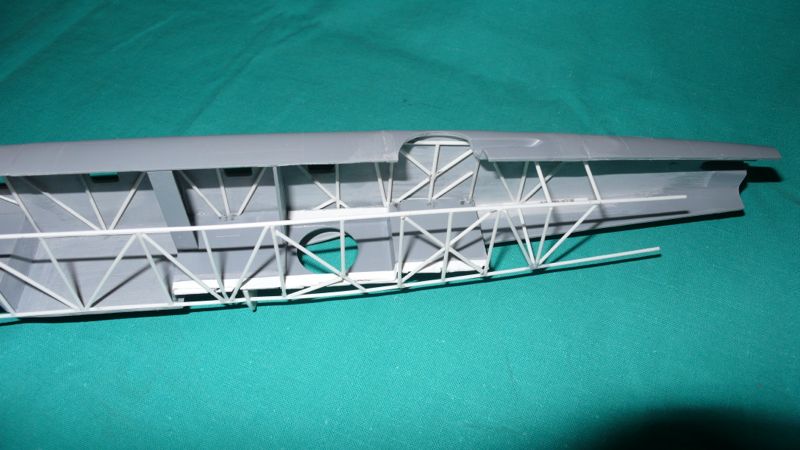
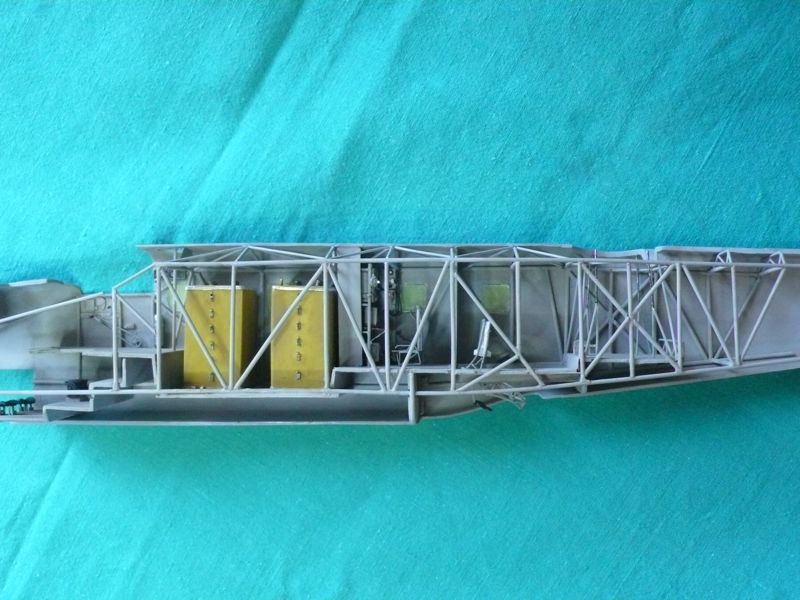
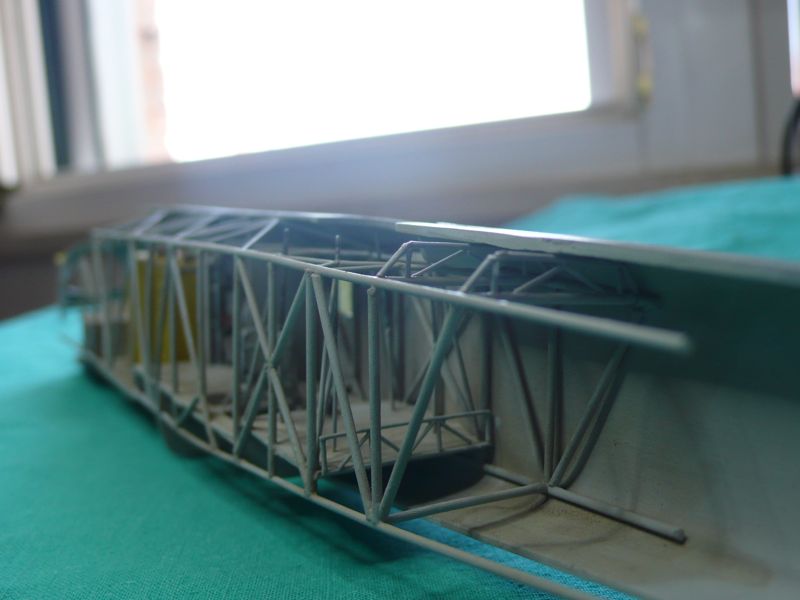
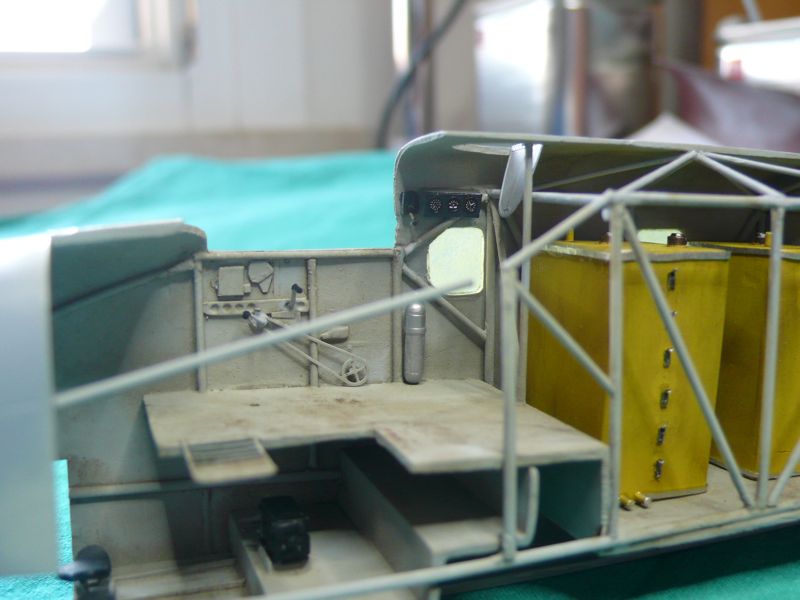
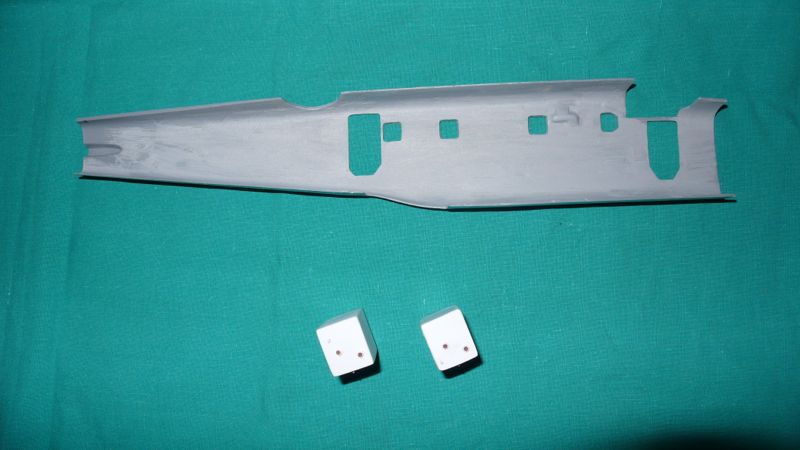
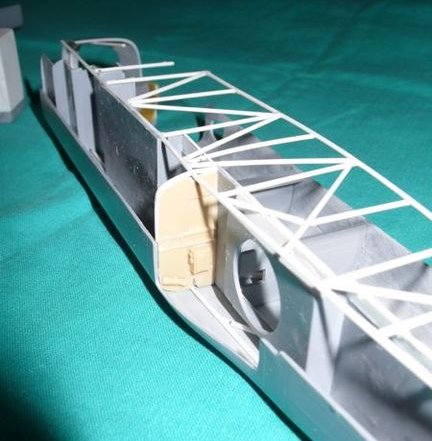
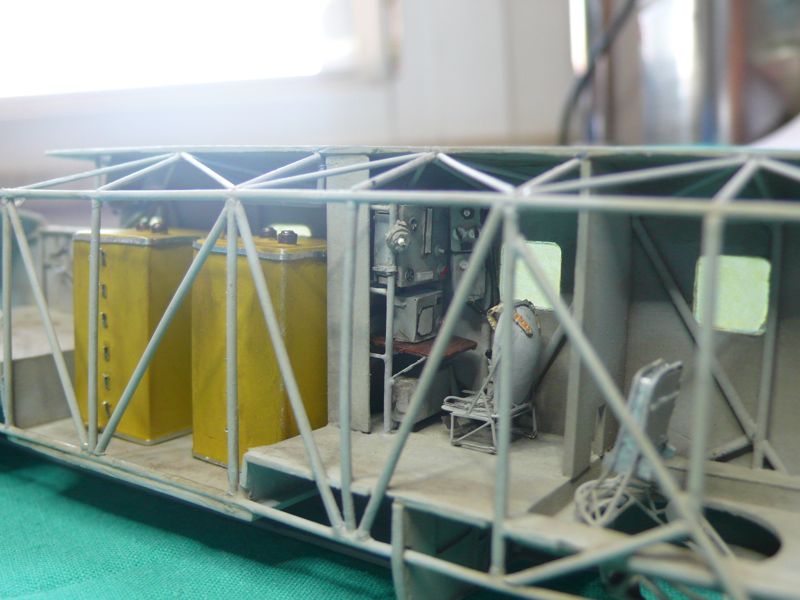
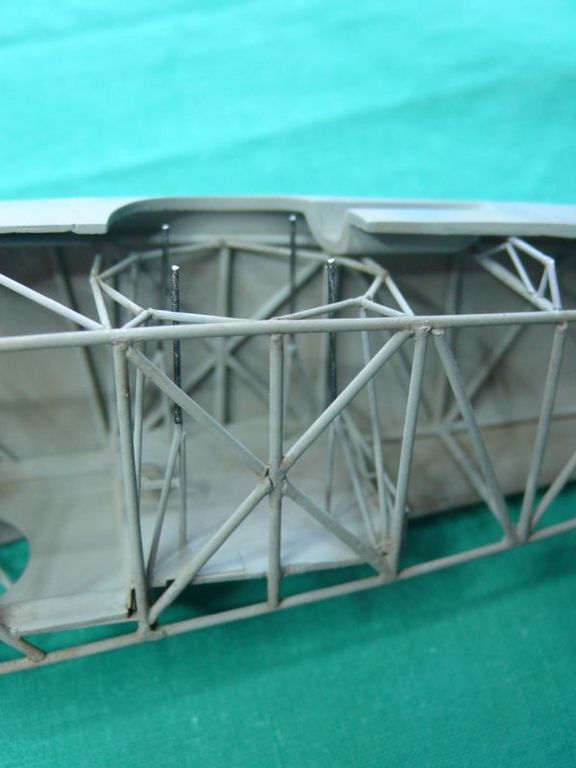
As usual, the first thing done was to thin the fuselages and then start working on the tubular structure and on the other internal components.

×

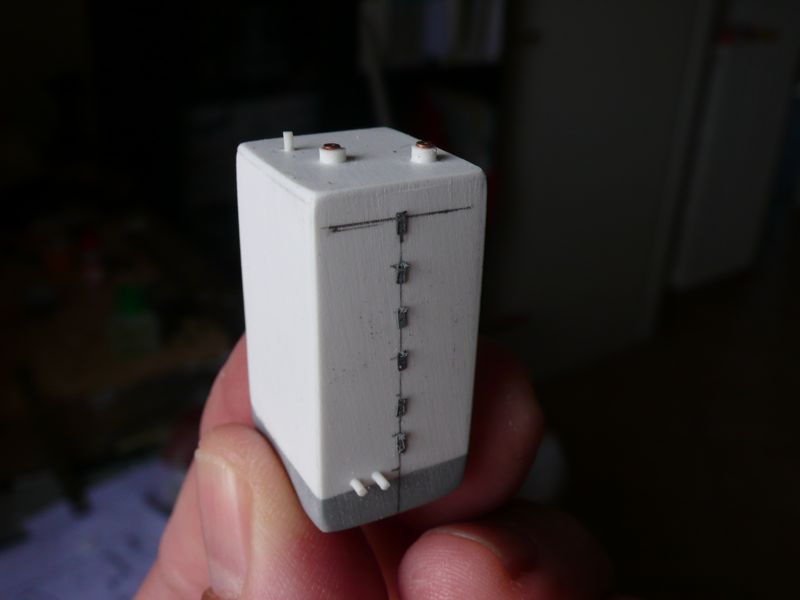
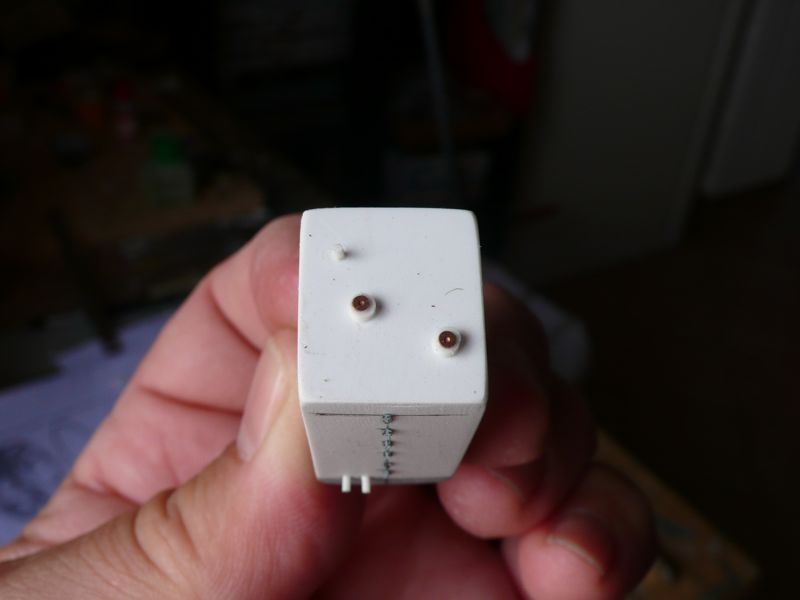
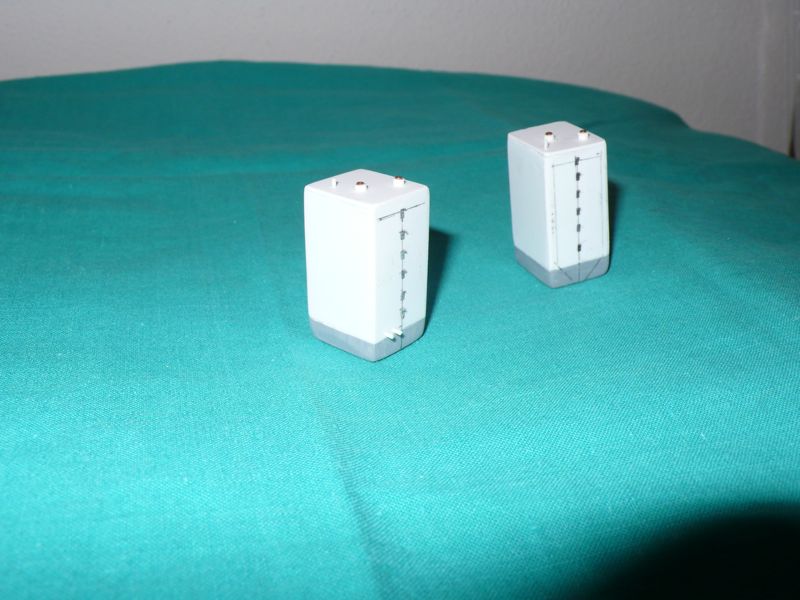
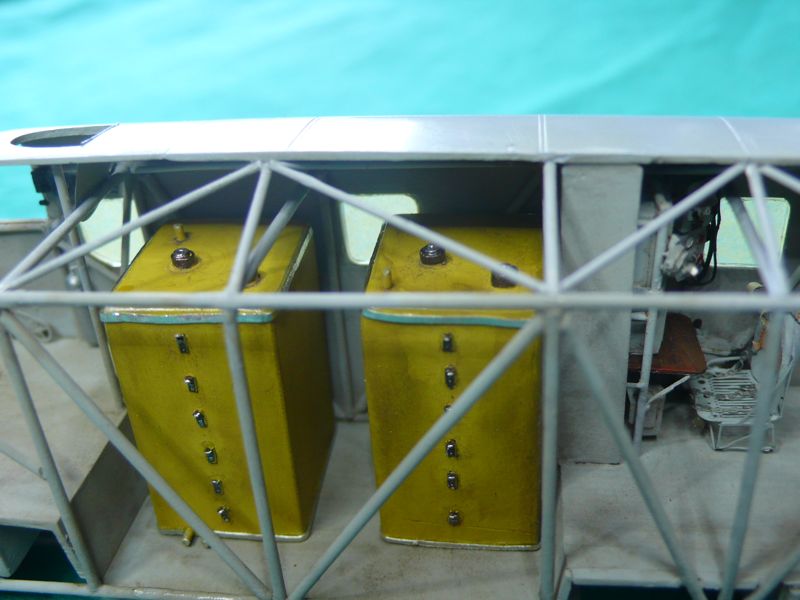
The internal tanks:


The intenal fuel structure:
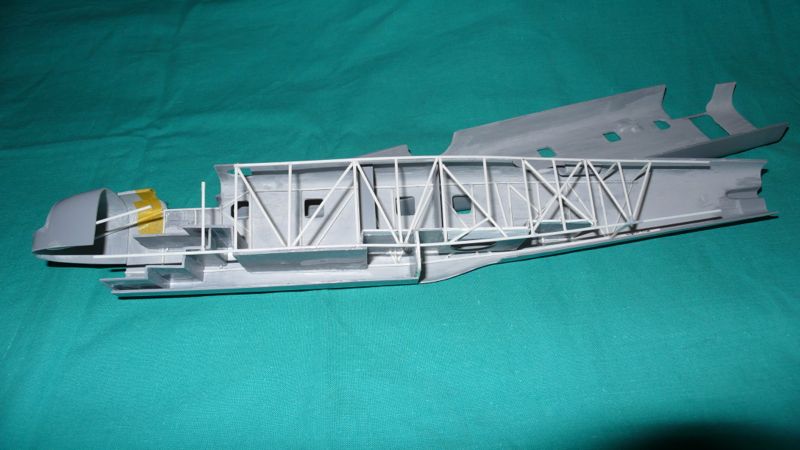


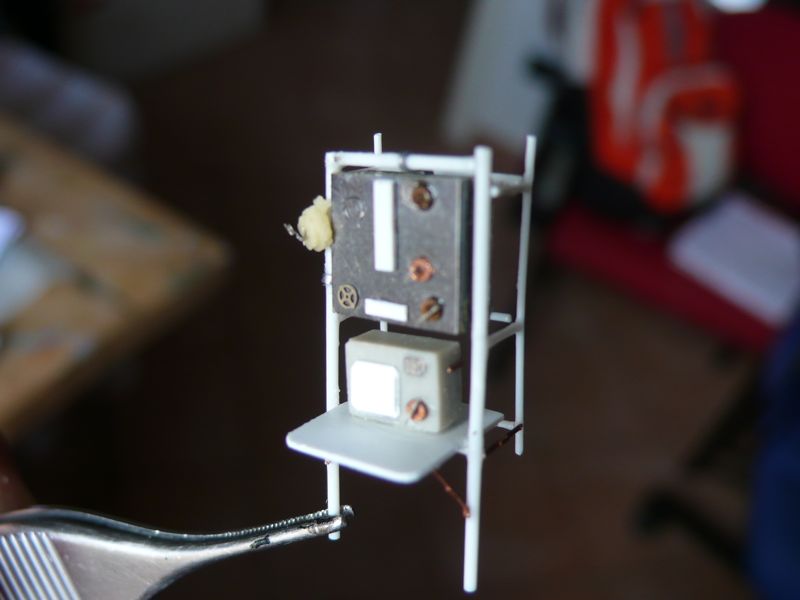
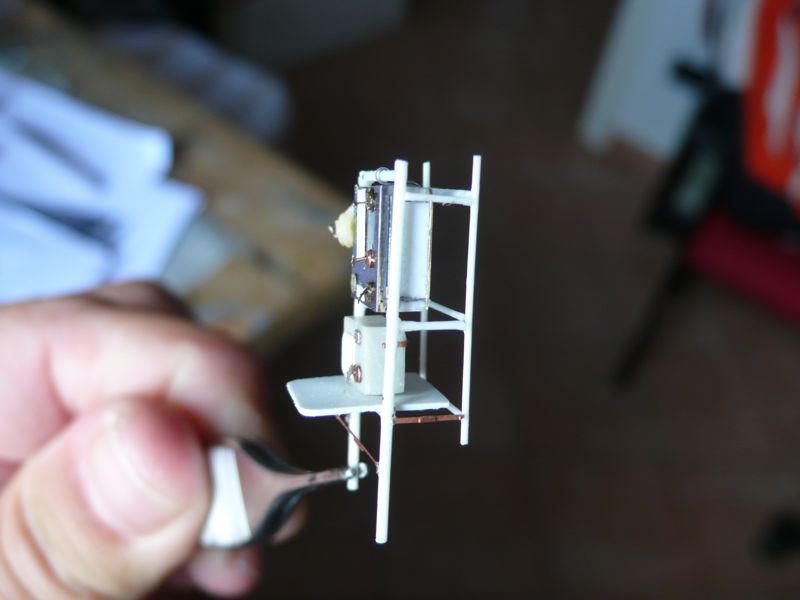
Next I worked on the radio operator's station:

×


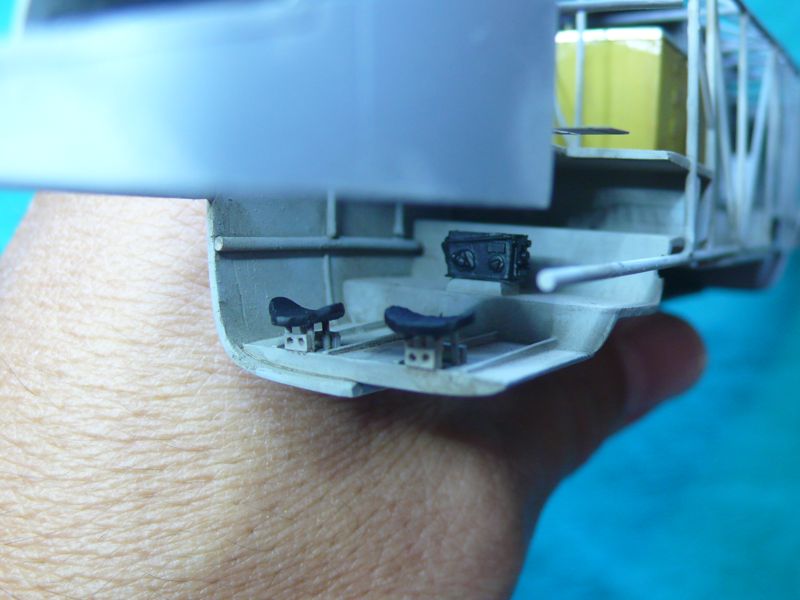
Helping me with the drawings of the manuals (not easy to interpret) I created the position of the lower gunner:
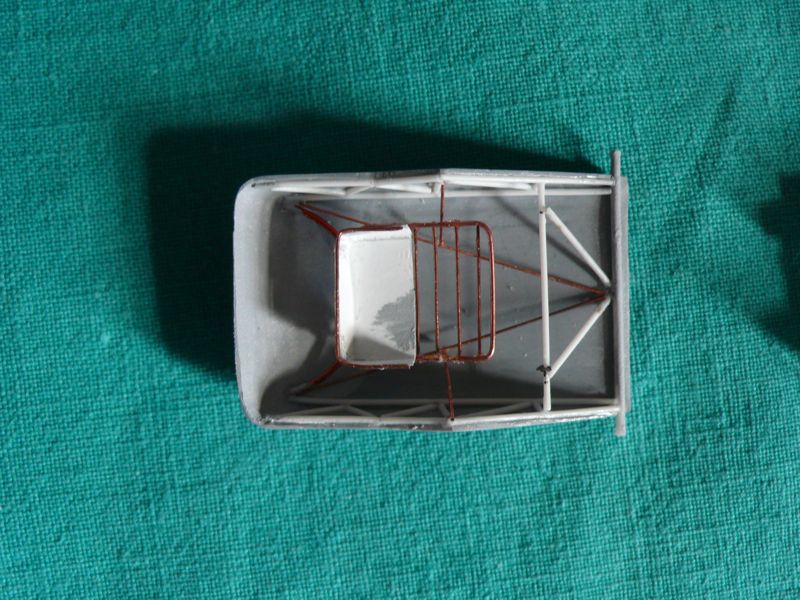

Ammunition box stowage:
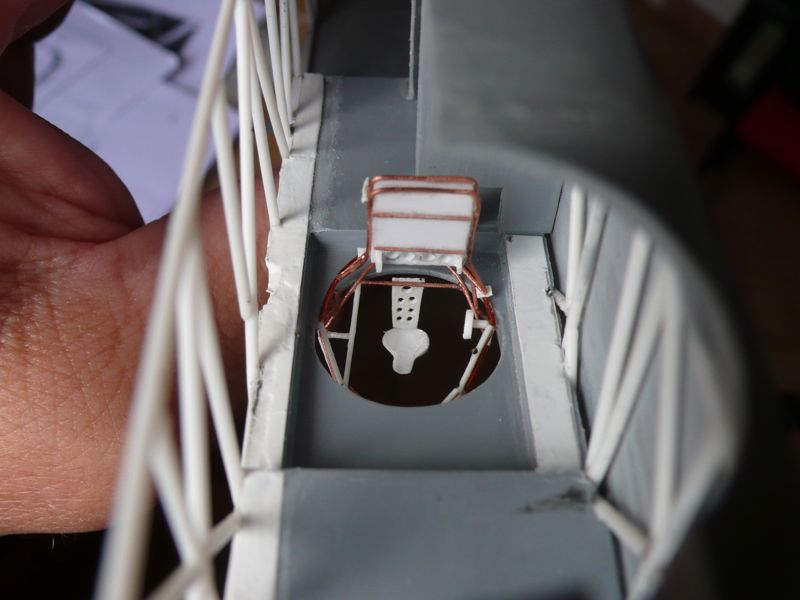


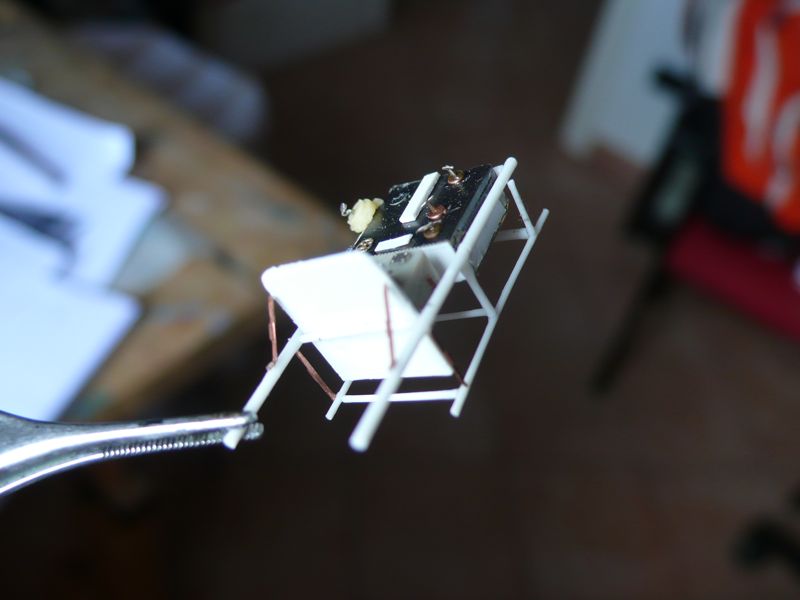
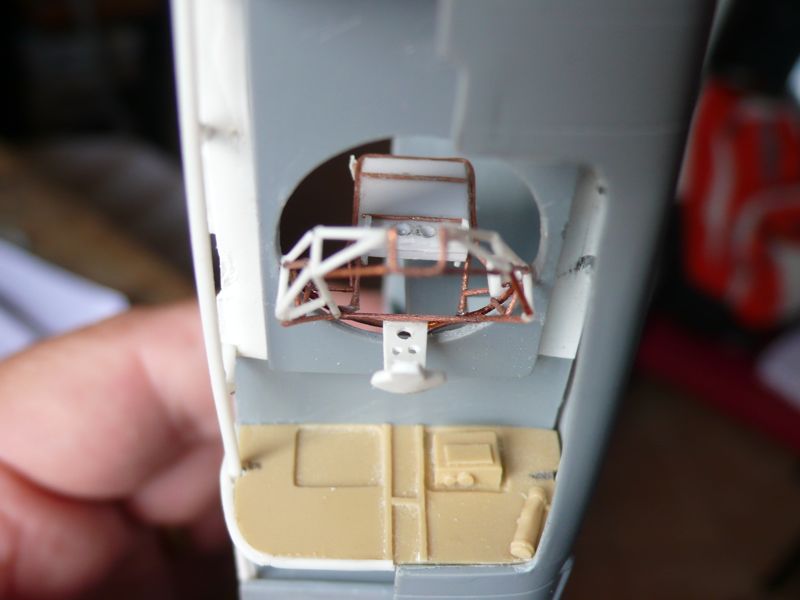
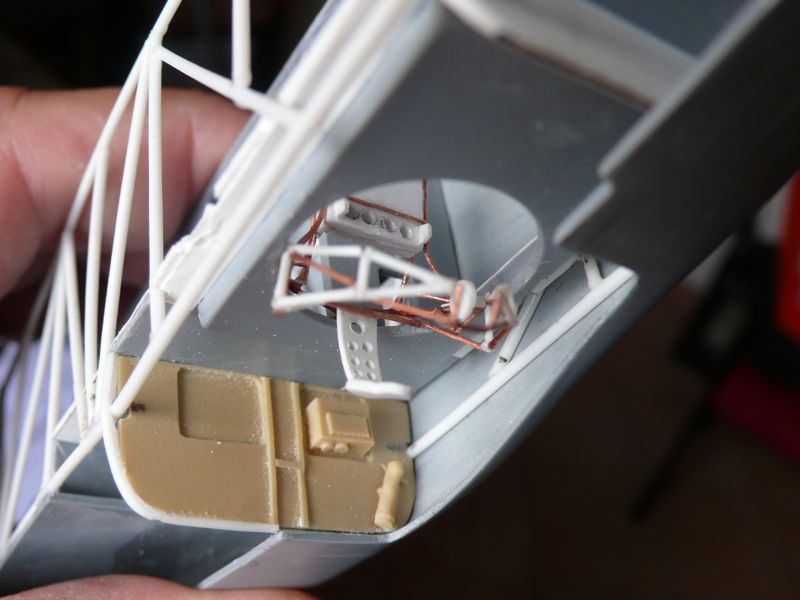
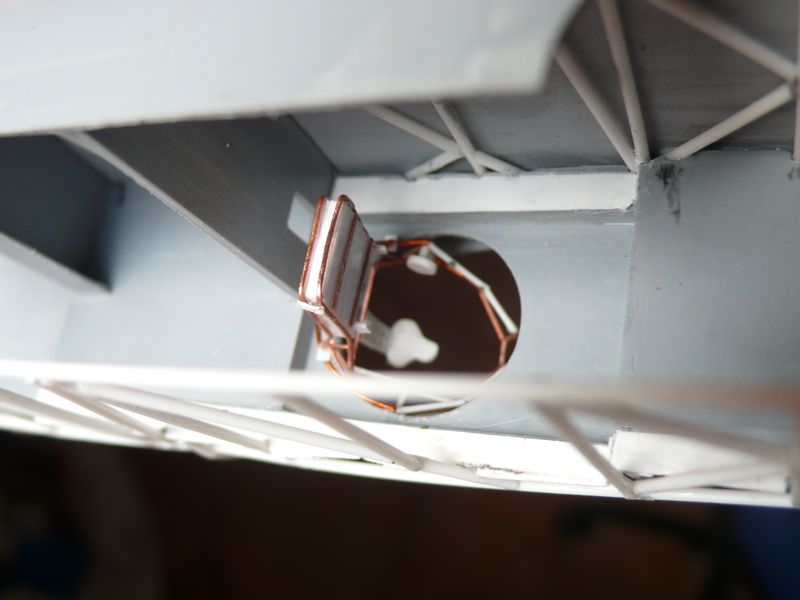
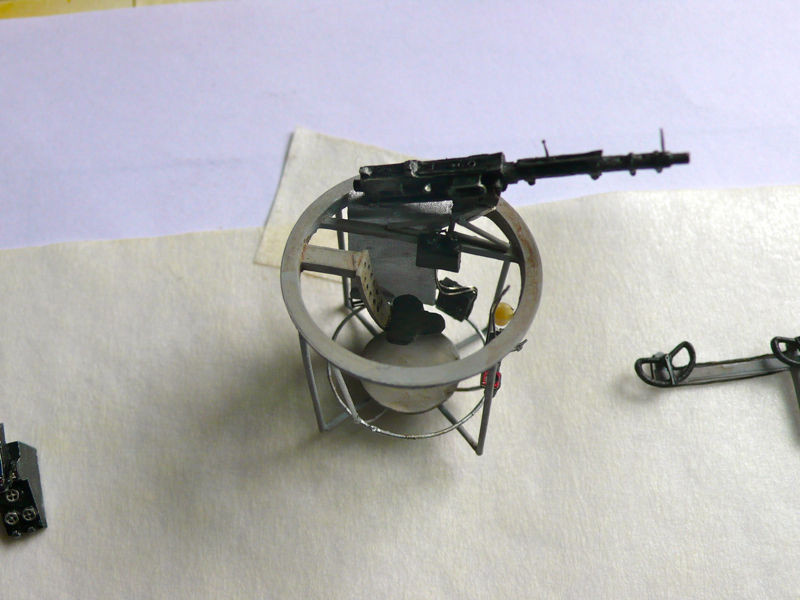
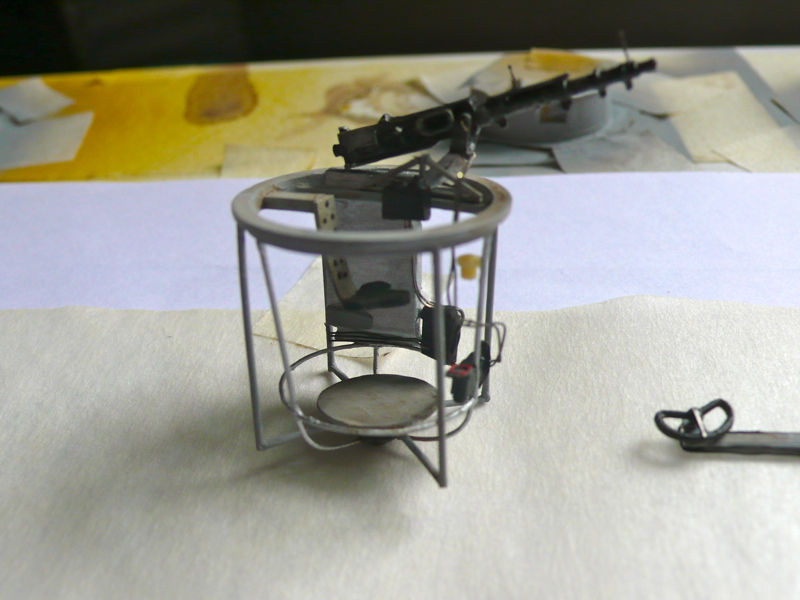
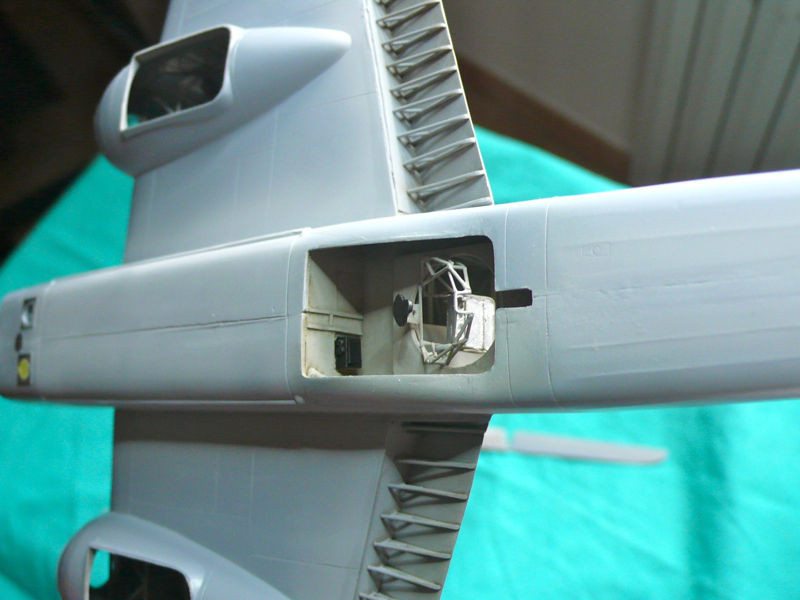
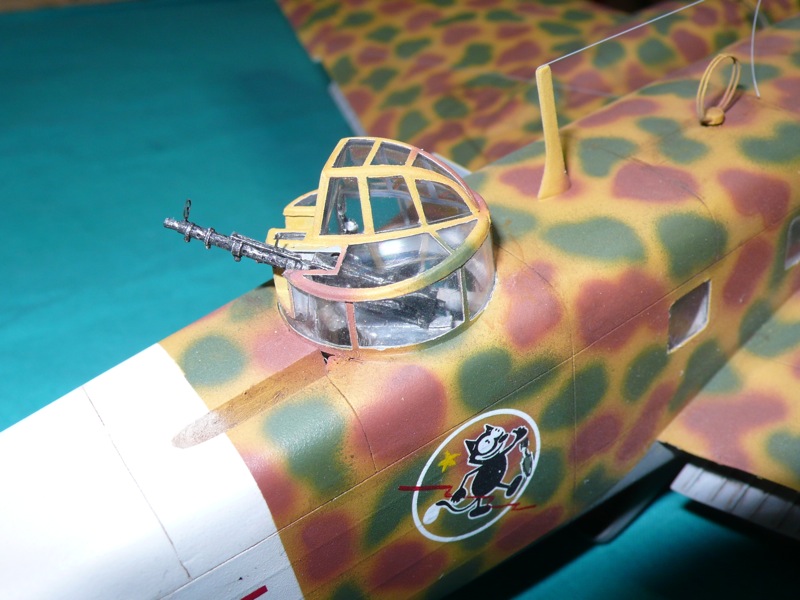
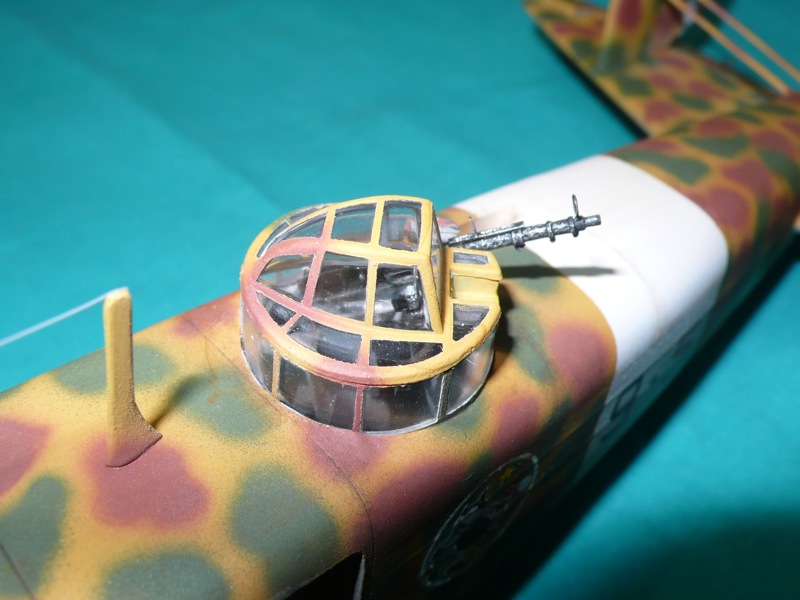
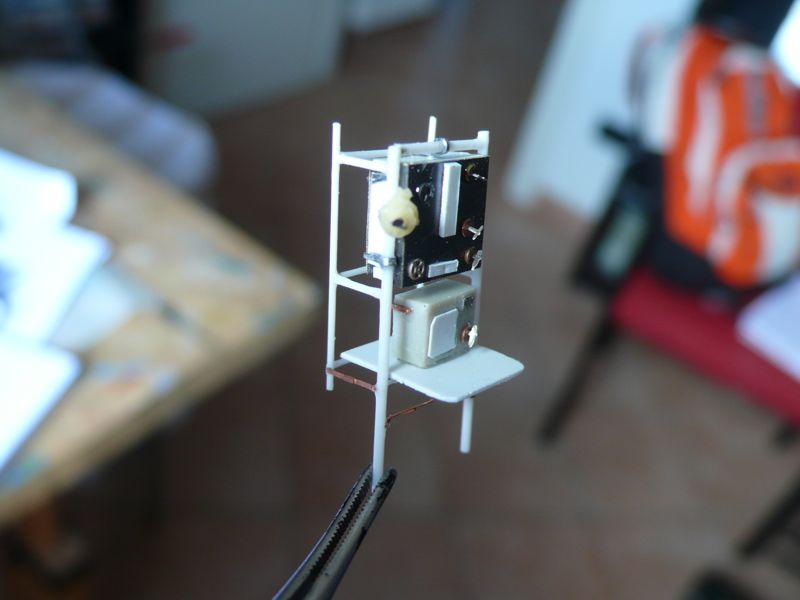
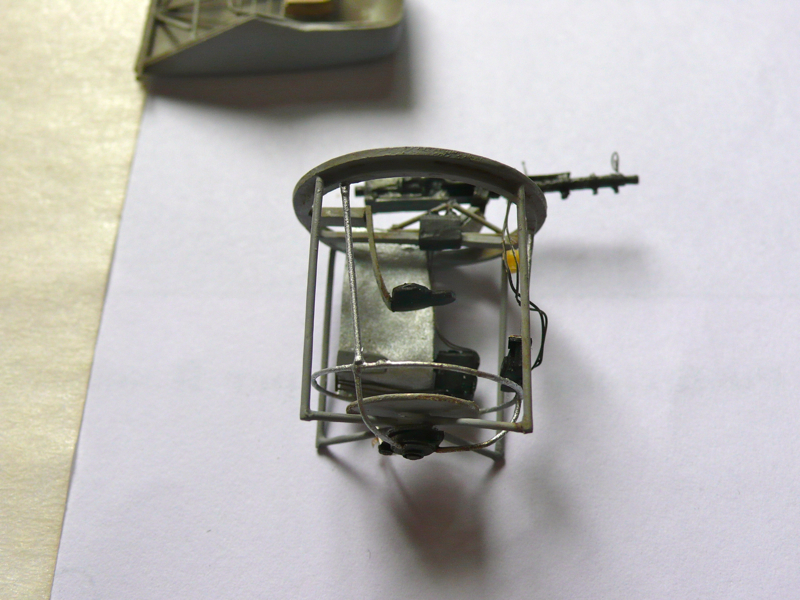
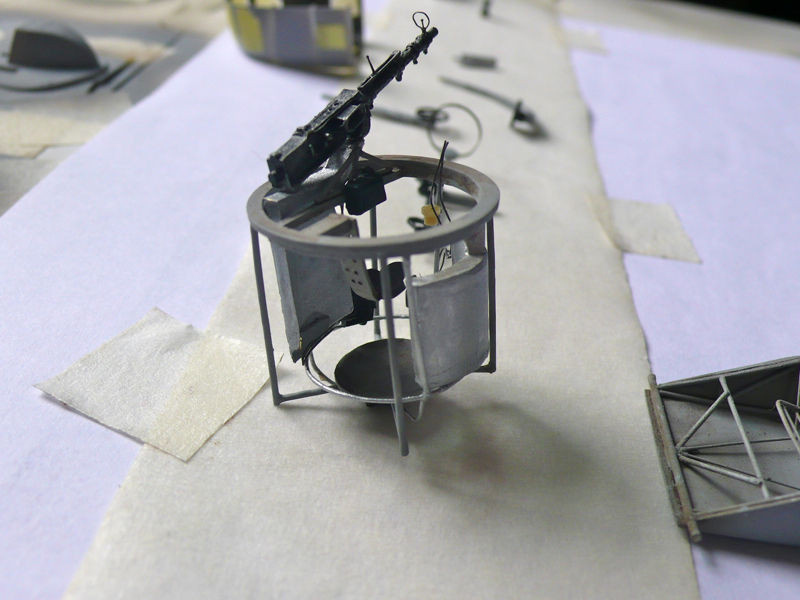
After the position of the ventral gunner I dedicated myself to the dorsal turret, here too the documentation came in handy ... :
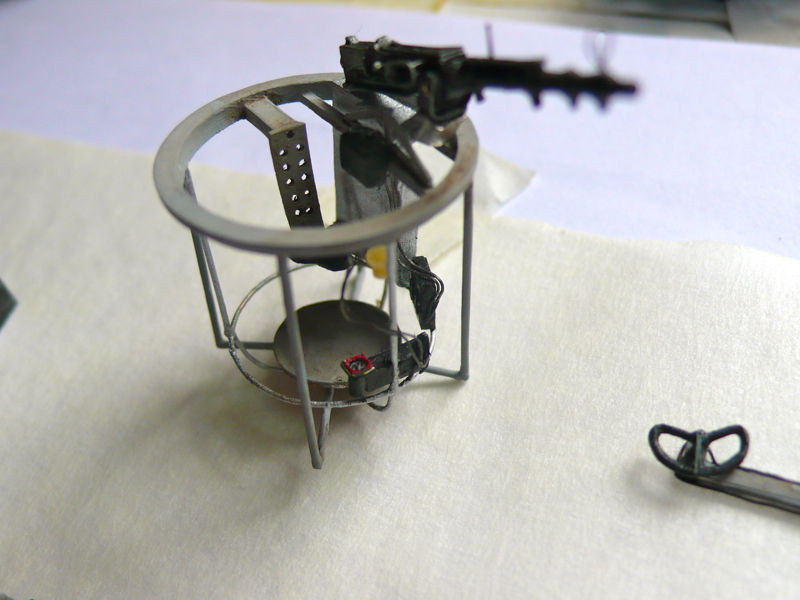

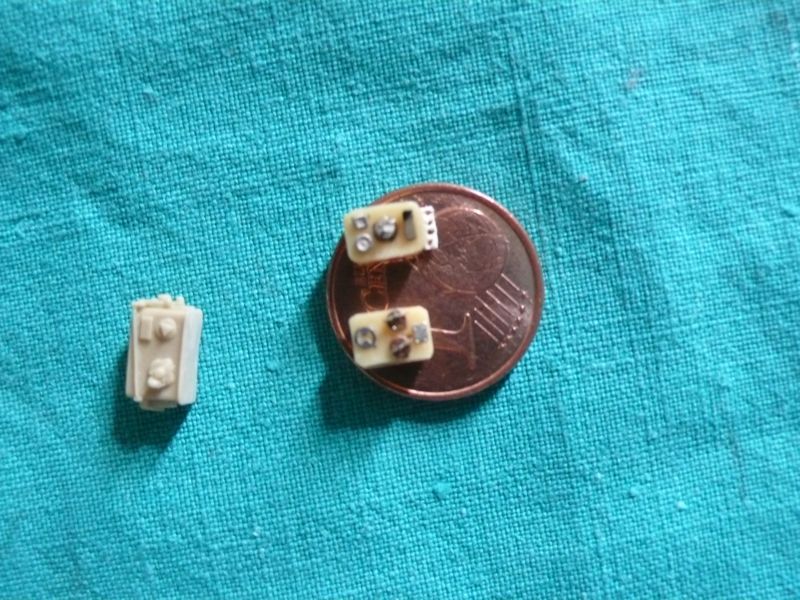
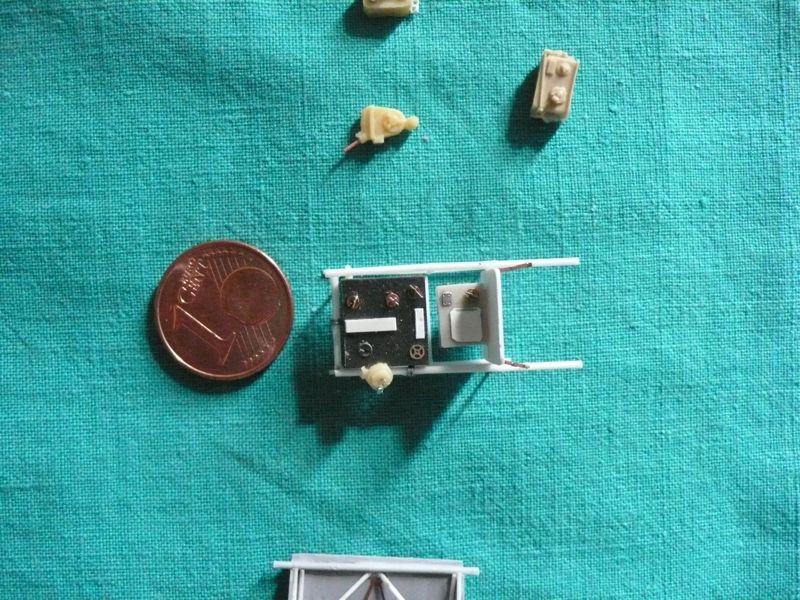
Here the somewhat complex ammunition boxes:
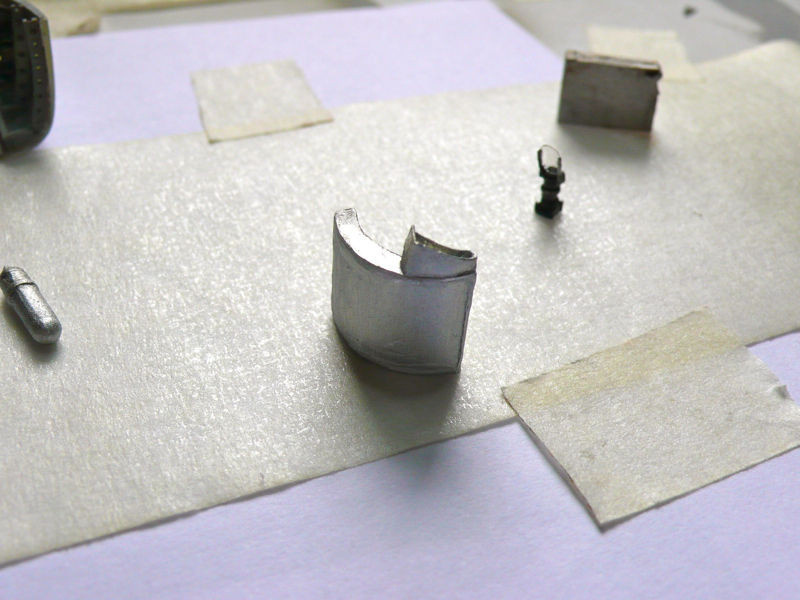

The components are only supported ...

×

×

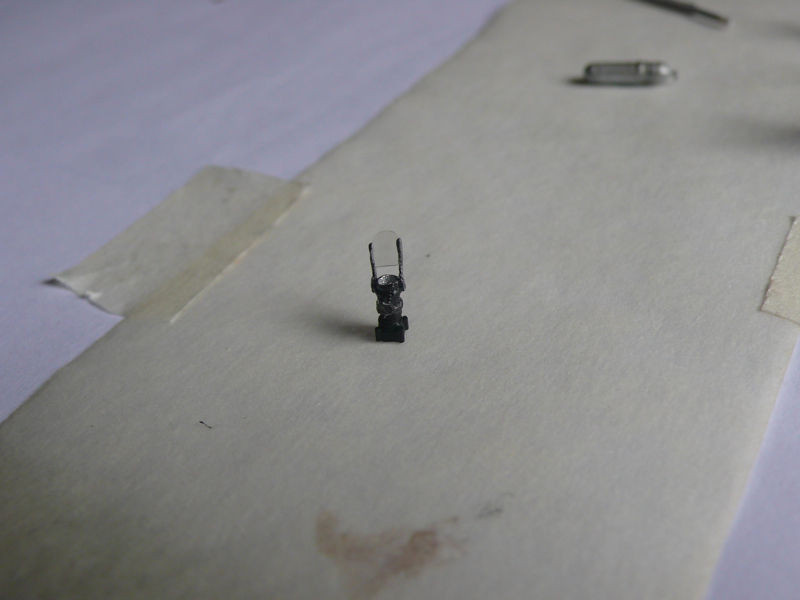
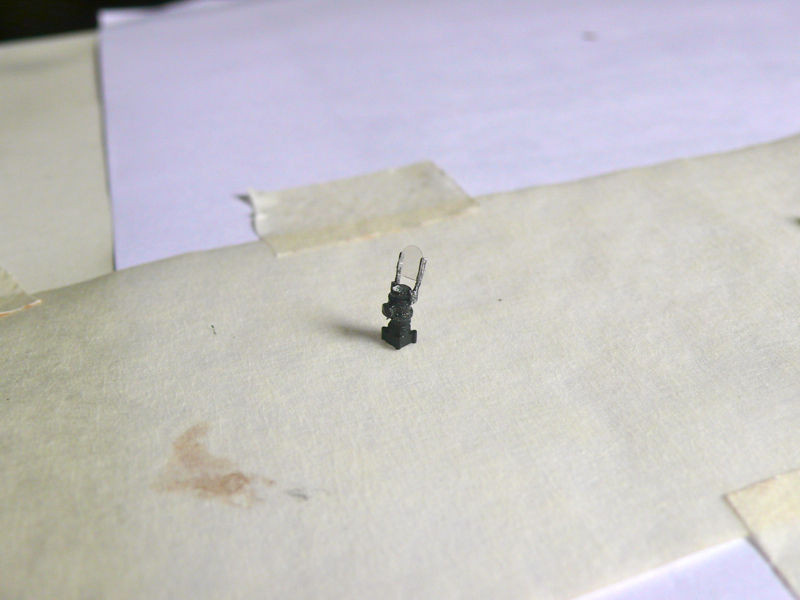
The San Giorgio gunsights:


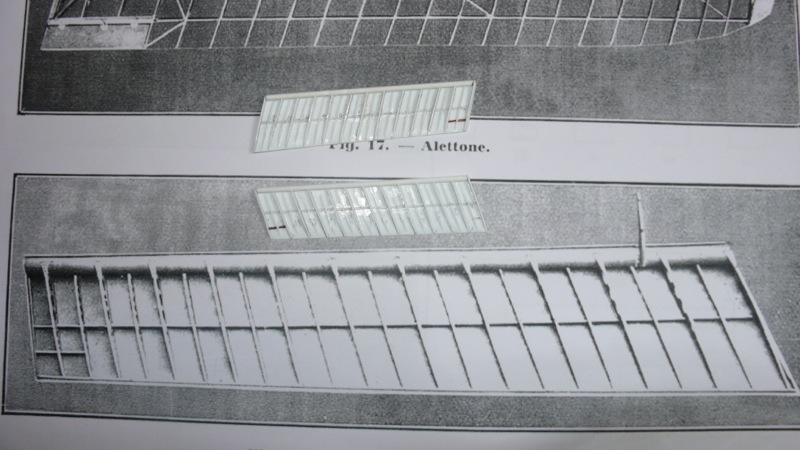
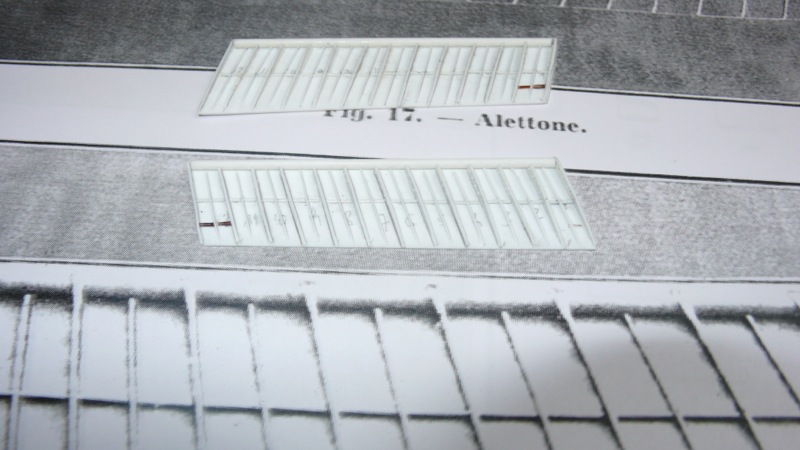
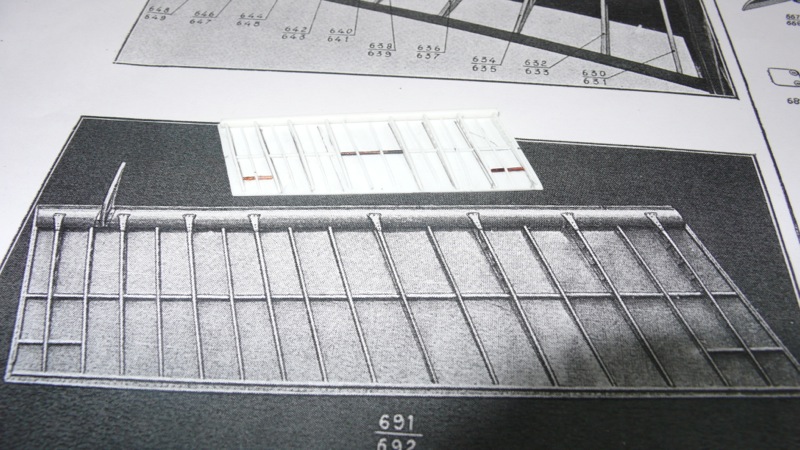
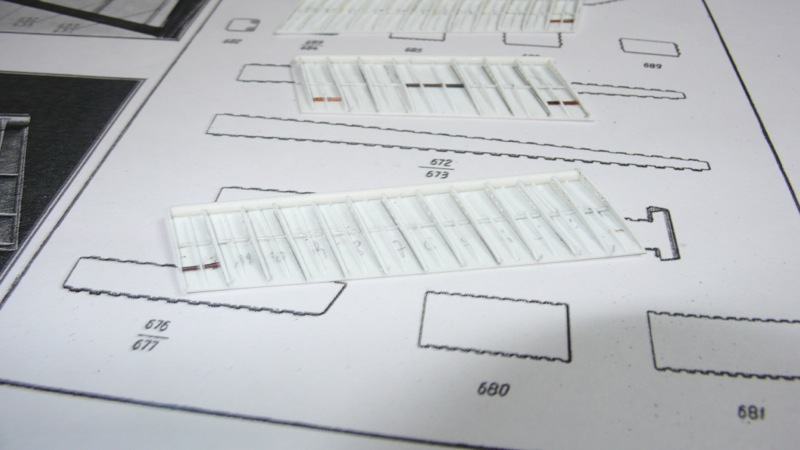
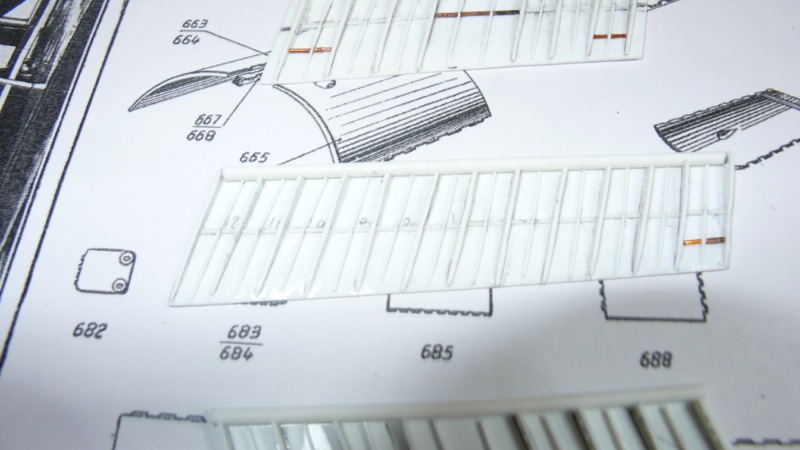
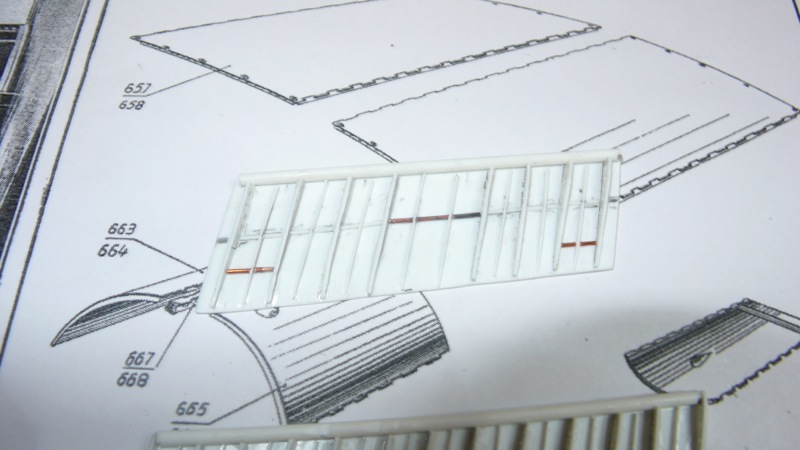
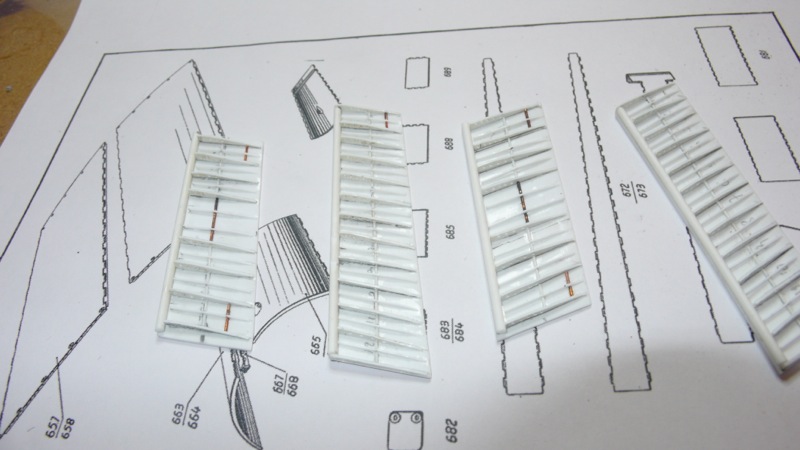
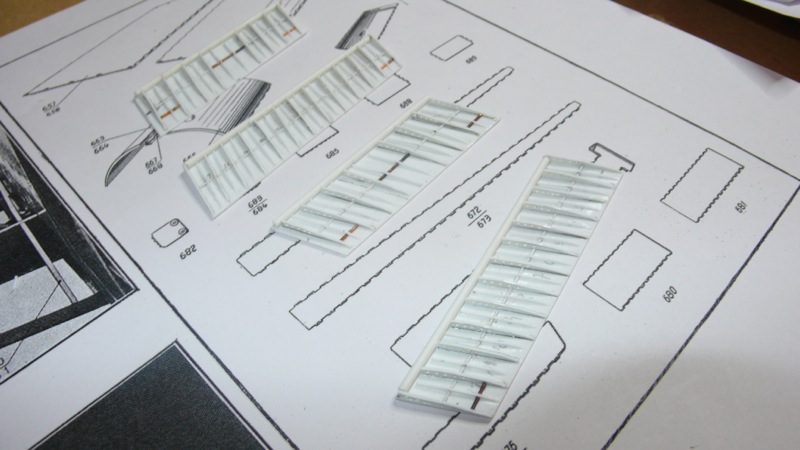
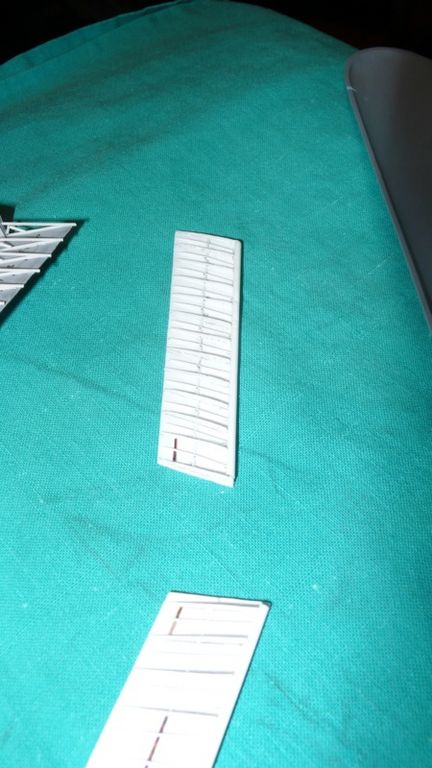
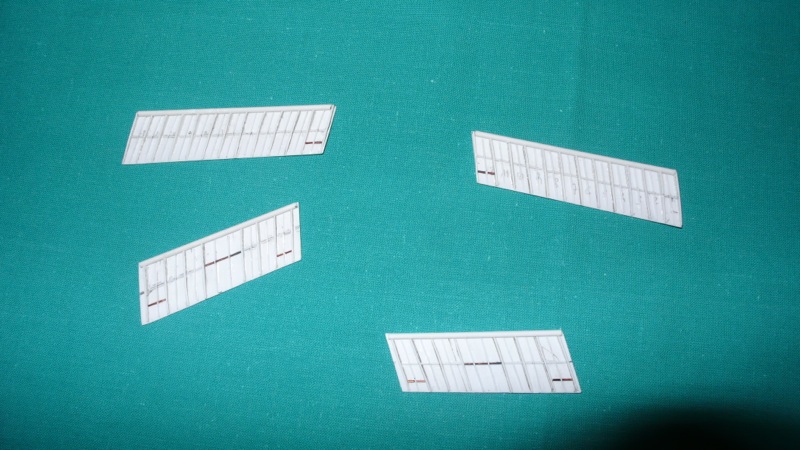
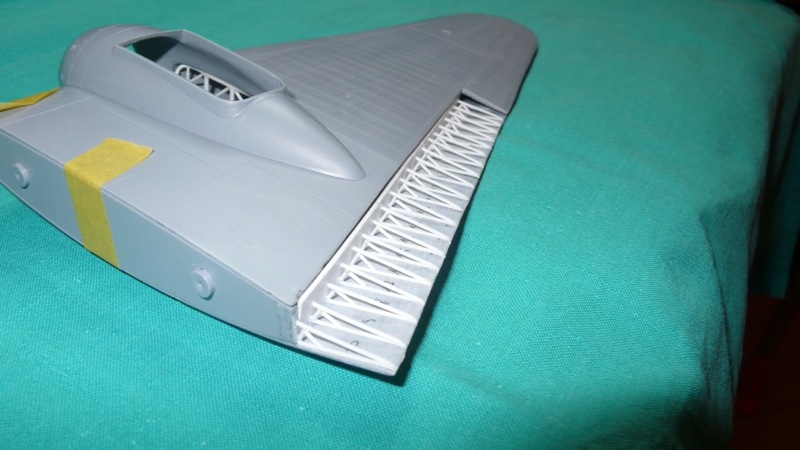
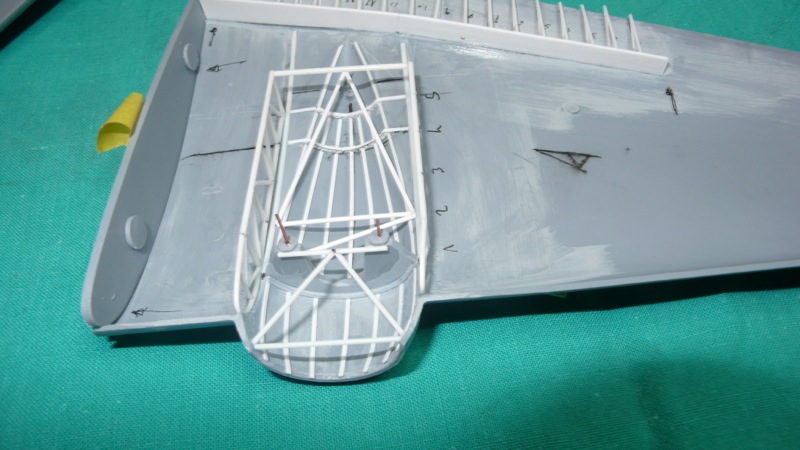
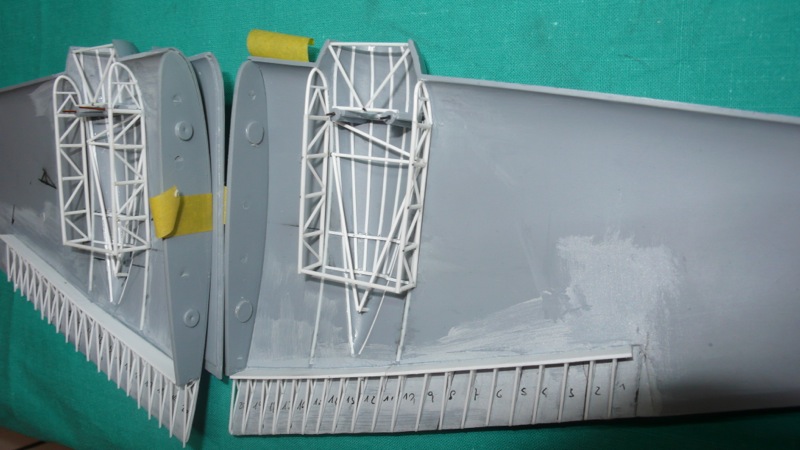
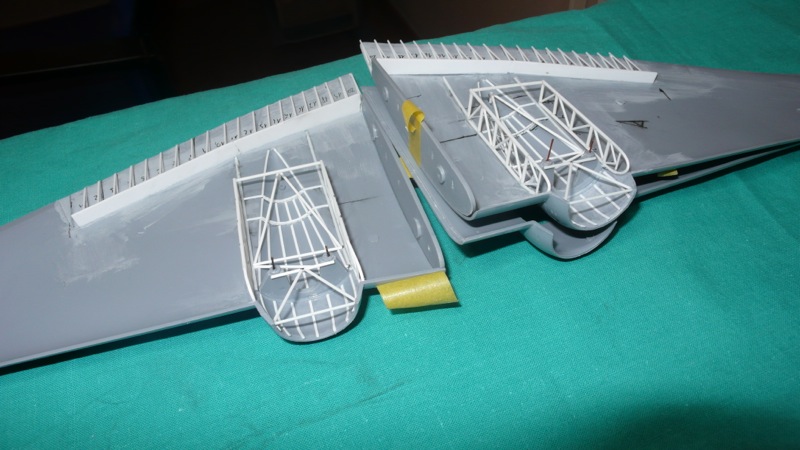
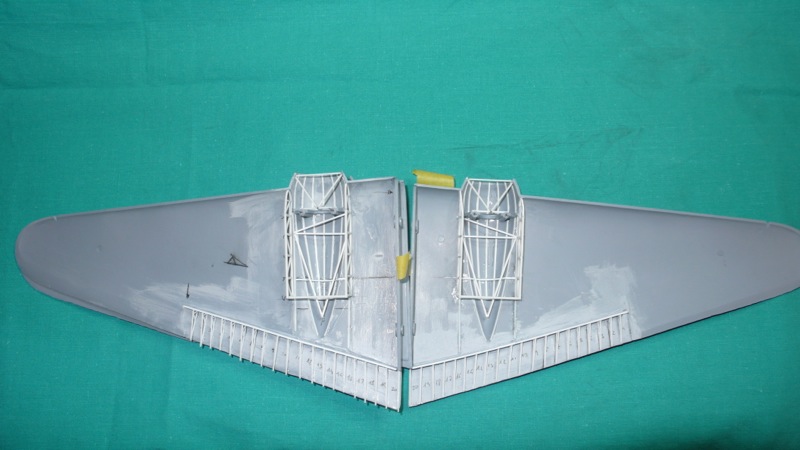
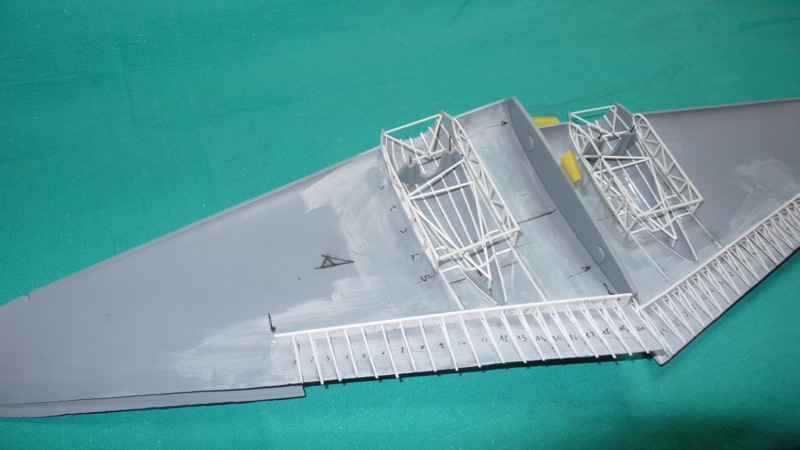
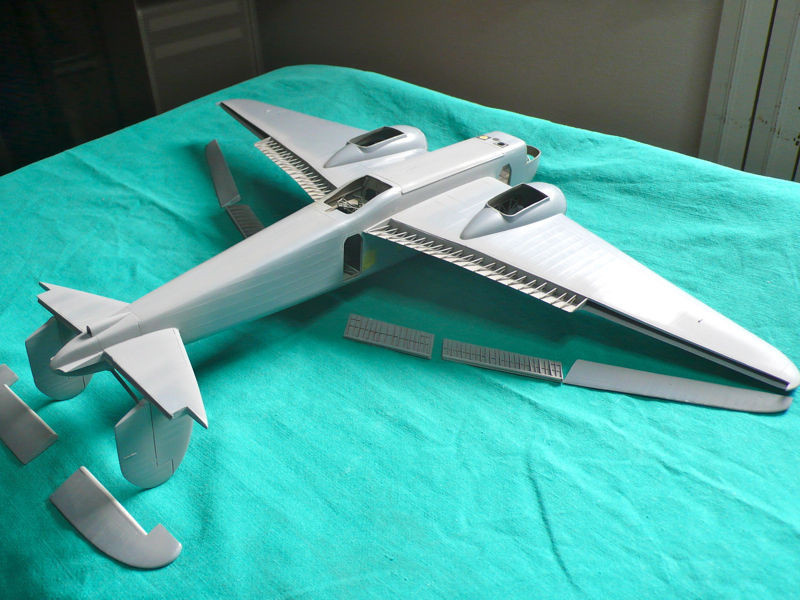
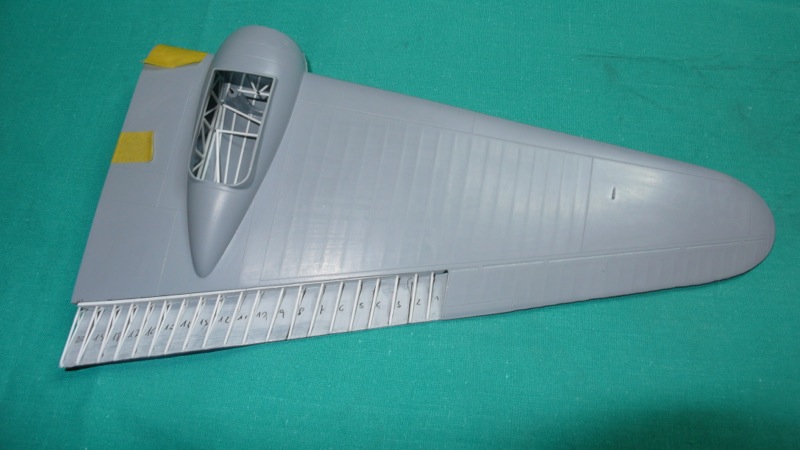
With the help of the documentation I recreated the flaps and the inside of the wheel well bays as its too bare from the box:


Then I thinned the section of the wing that receives the fixed part of the flaps which are quite complex to make:
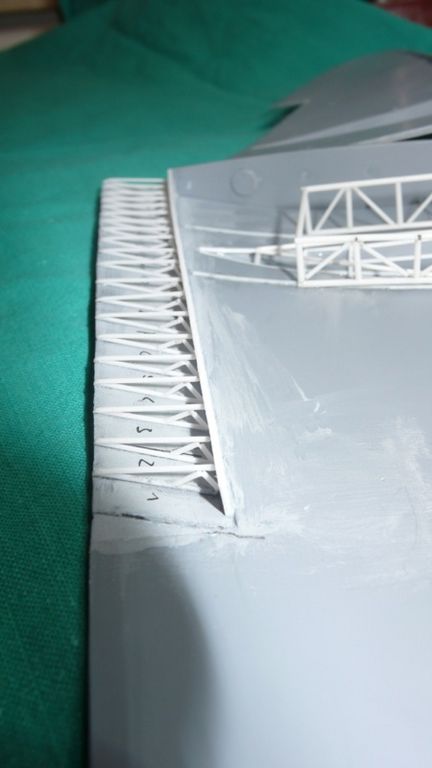
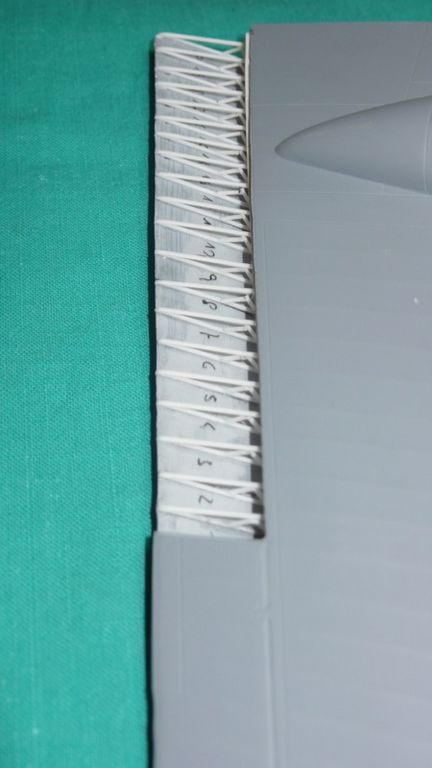
×


Finally I rebuilt the internal areas of the wheel well bays:
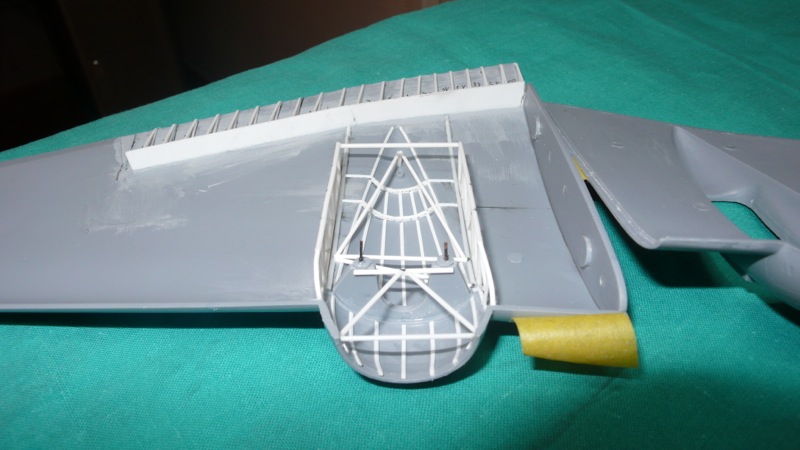


I don't think the color of the fuel tanks is right but in the midst of all that gray I liked a splash of color:


×


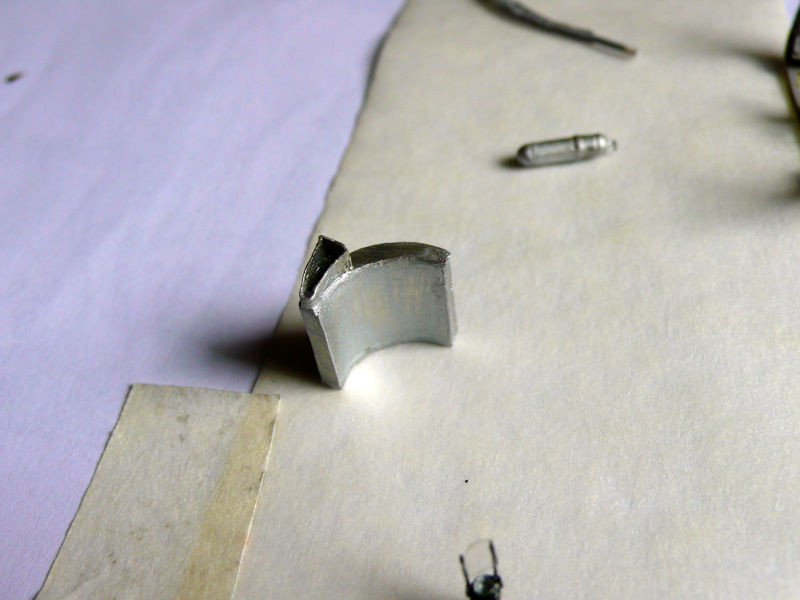
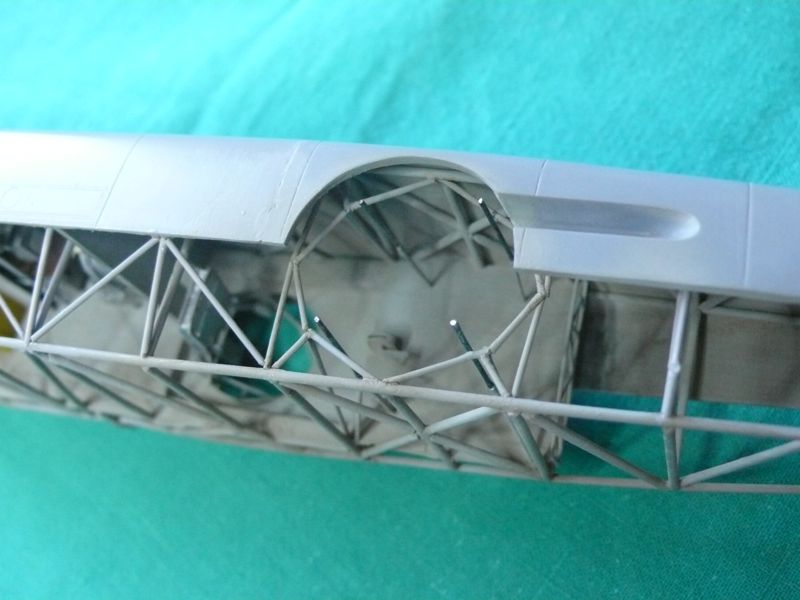
Dorsal turret lifting structure:


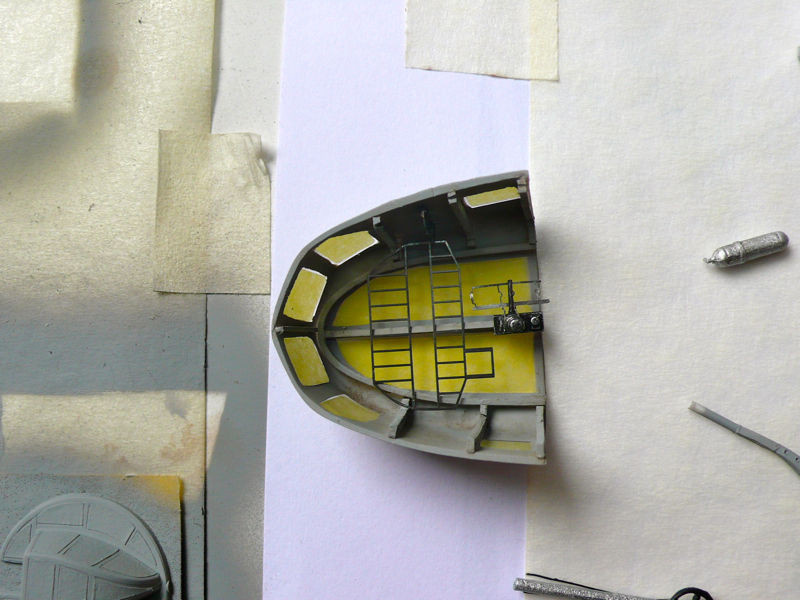
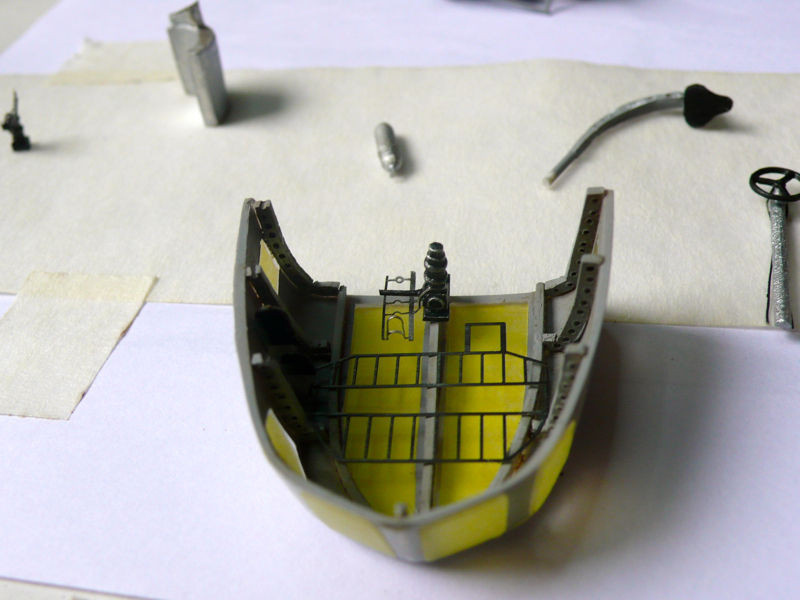
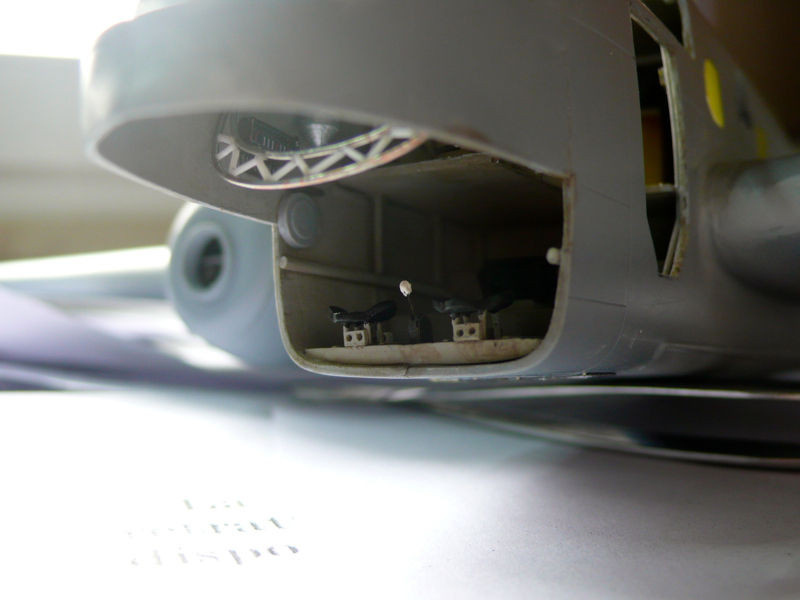
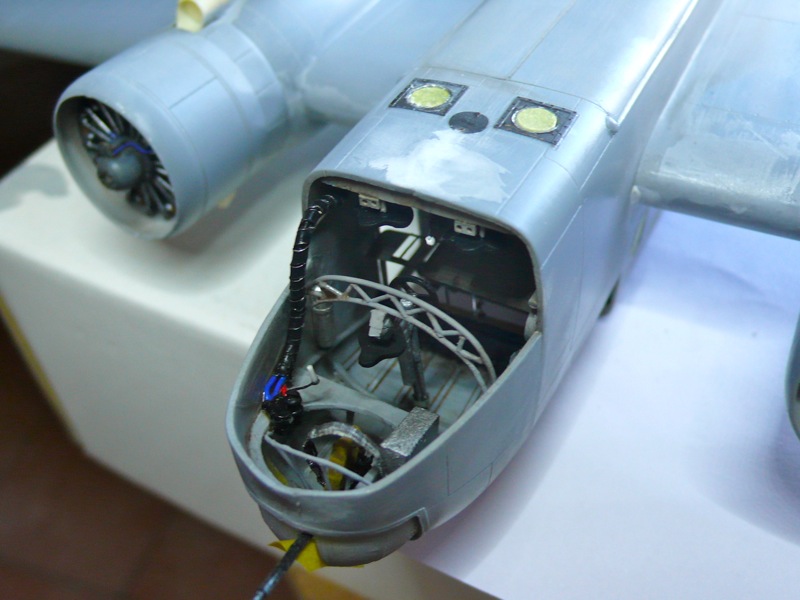
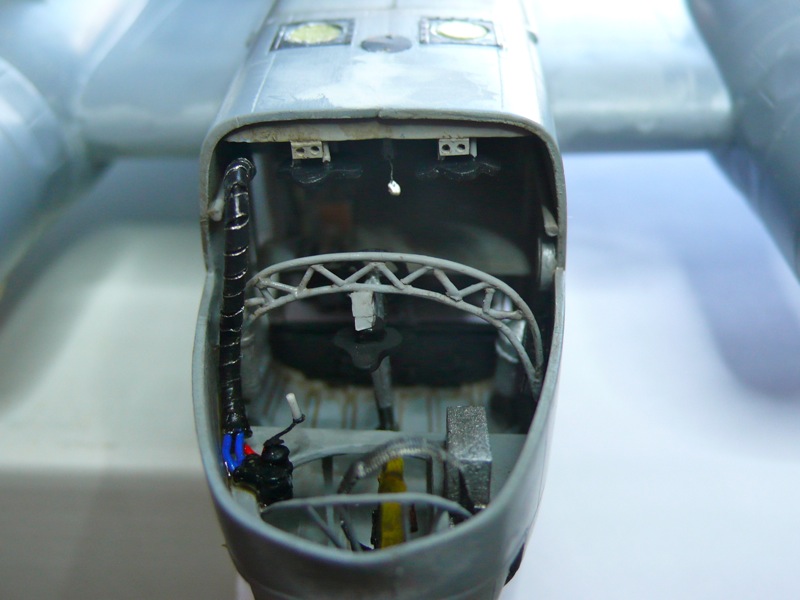
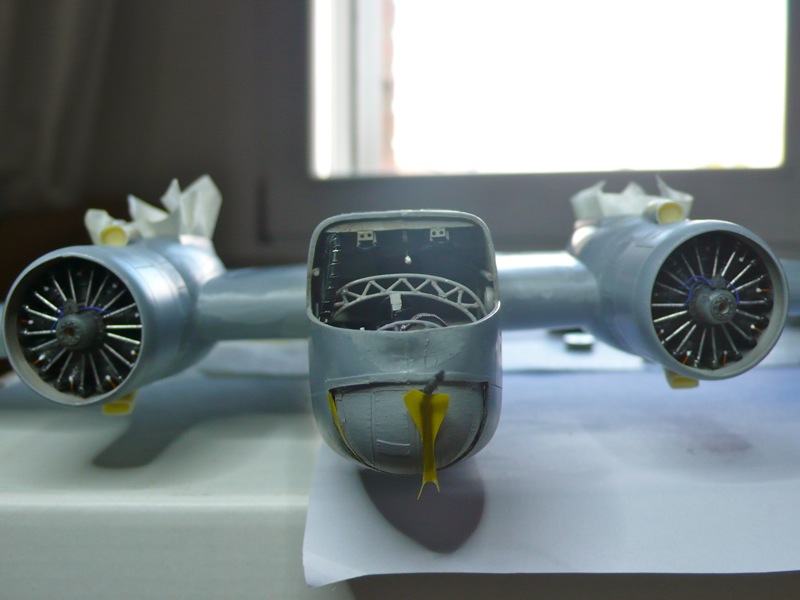
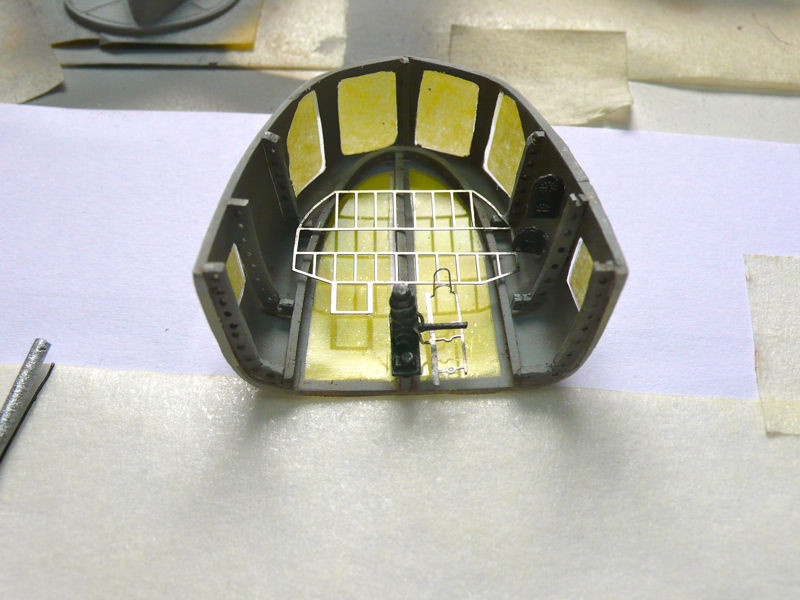
Bomb aimer and the front gunner turret positions:
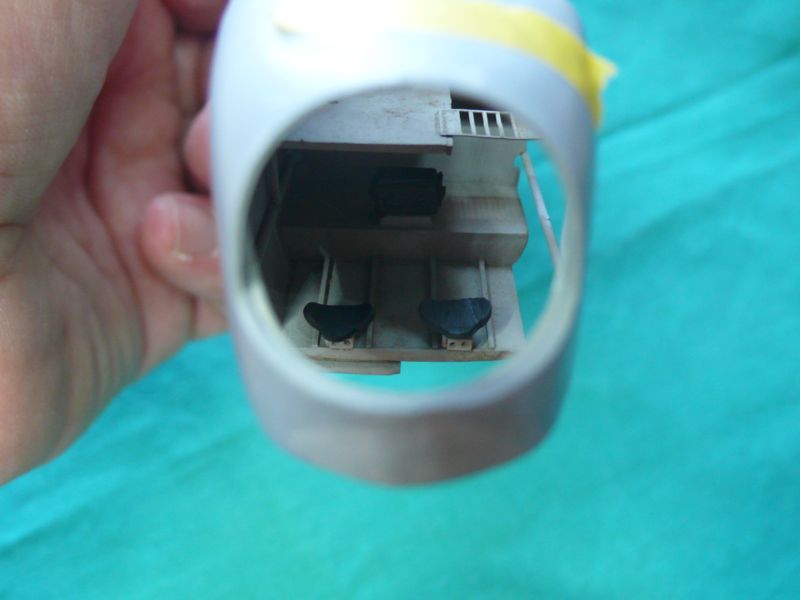

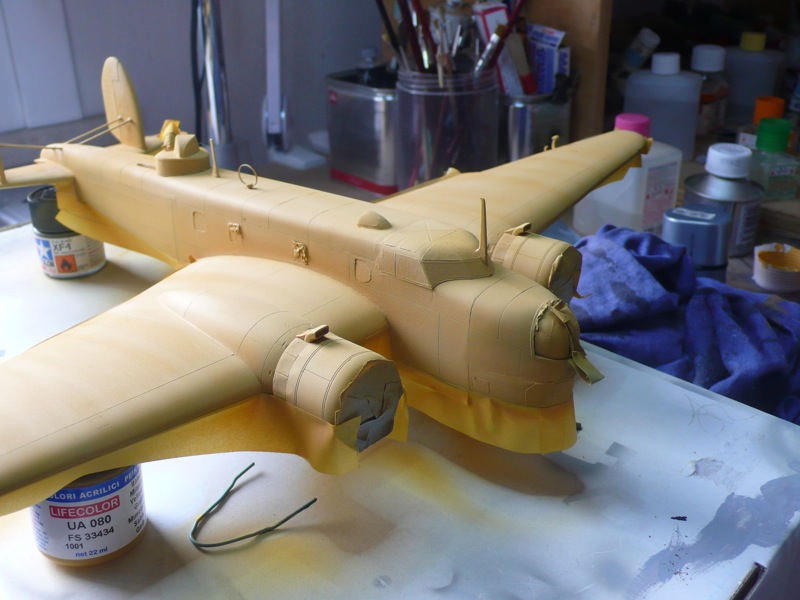
Cement the fuselage and join to wings. I also separated the moving surfaces to give some movement:
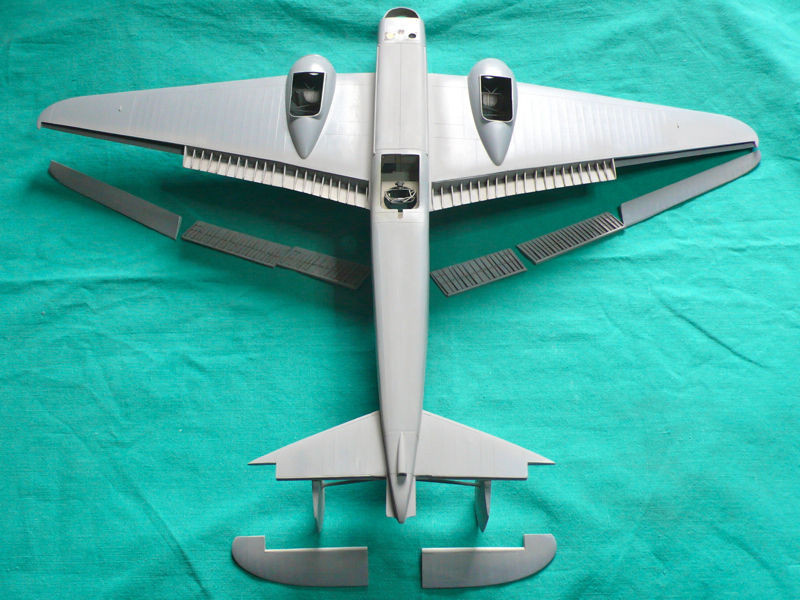

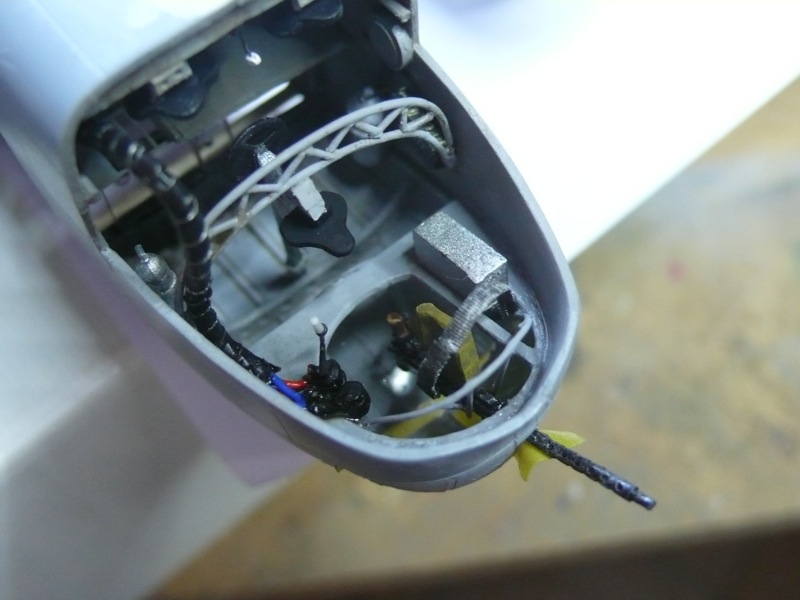
Preparation of the forward positions of the bomb aimer and front gunner:
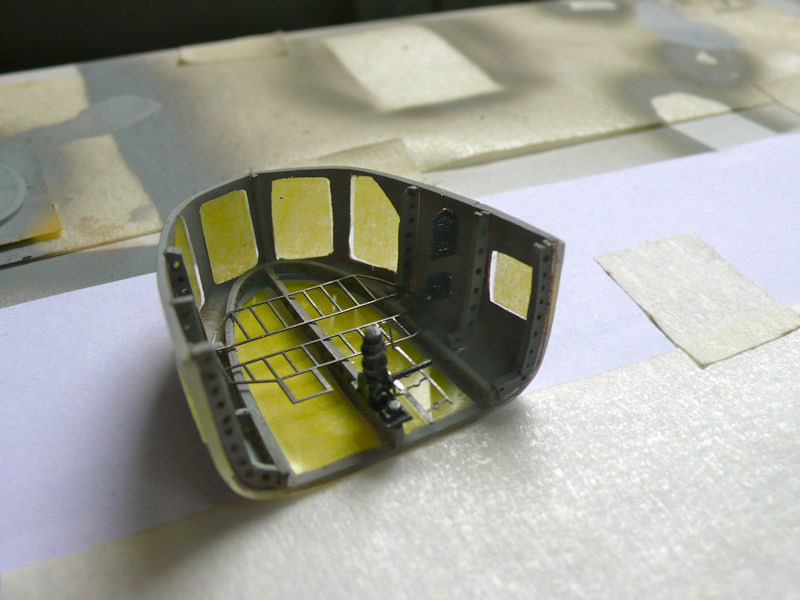
×


Detail and modification of the front turret:
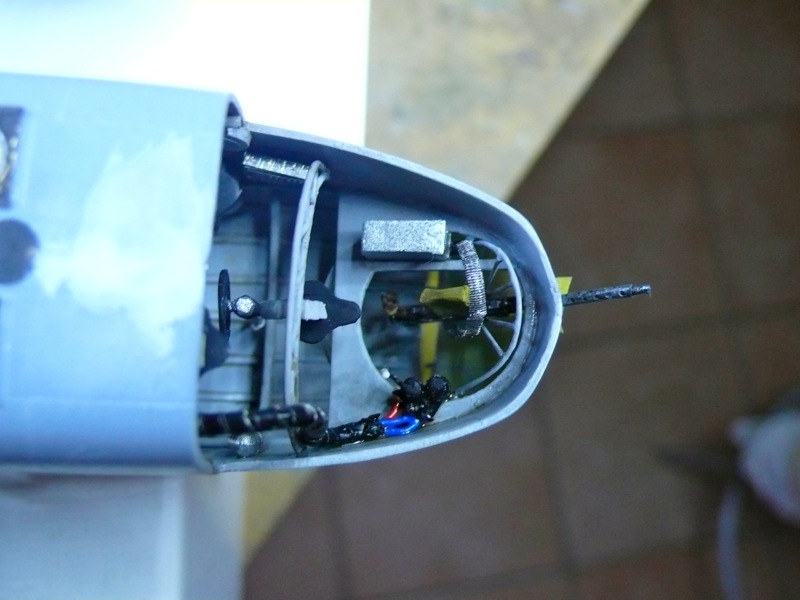

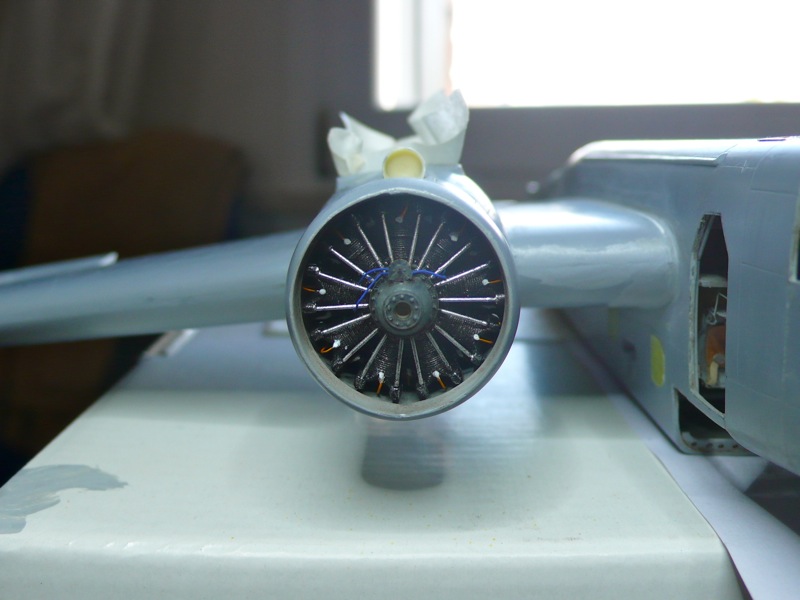
Unfortunately I have no photos of the engine being worked on, but the classic operations have been carried out: positioning of the wires for the spark plugs, adding the piston rods etc.

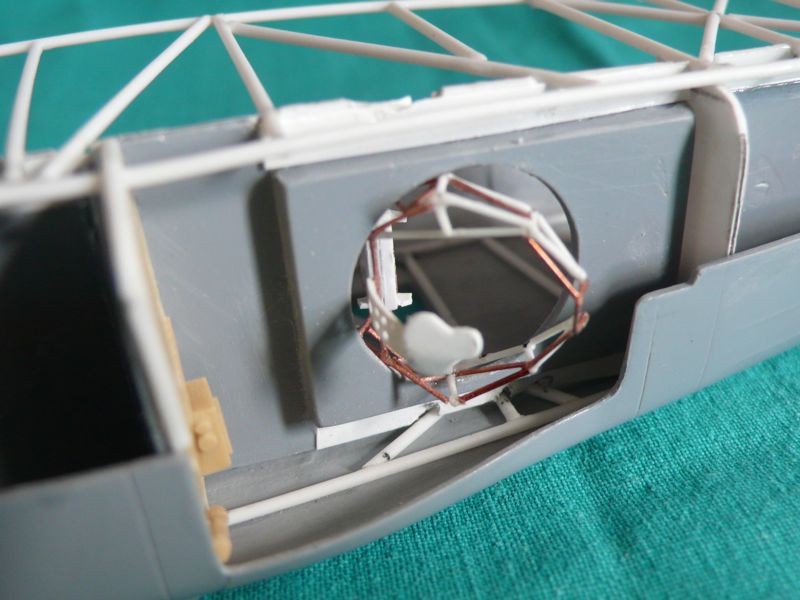
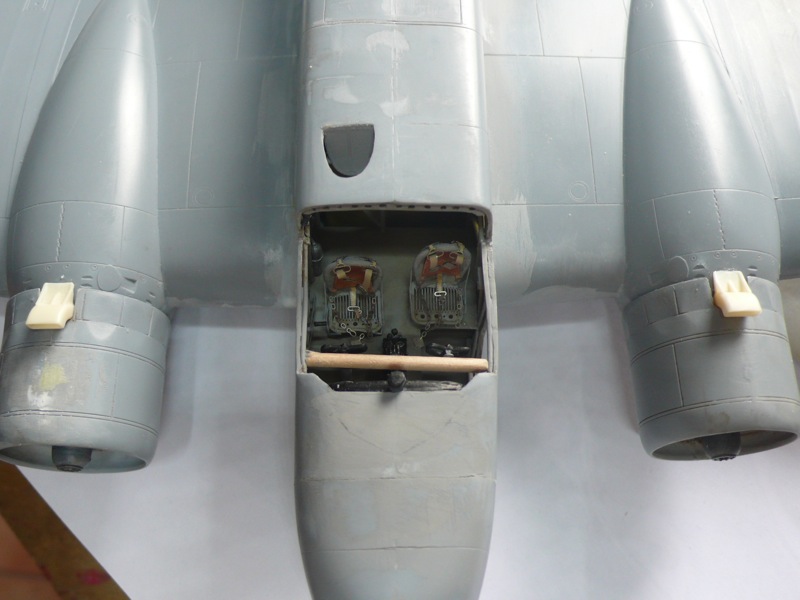
With this photo I would like to highlight that the fuselage section is too narrow to accommodate the glazed canopy. To solve this problem I had to open the side fuselage door next to the cockpit and added a 'beam' using a toothpick and then glue the canopy in the correct position. From the opening I then proceeded to remove the support 'beam':


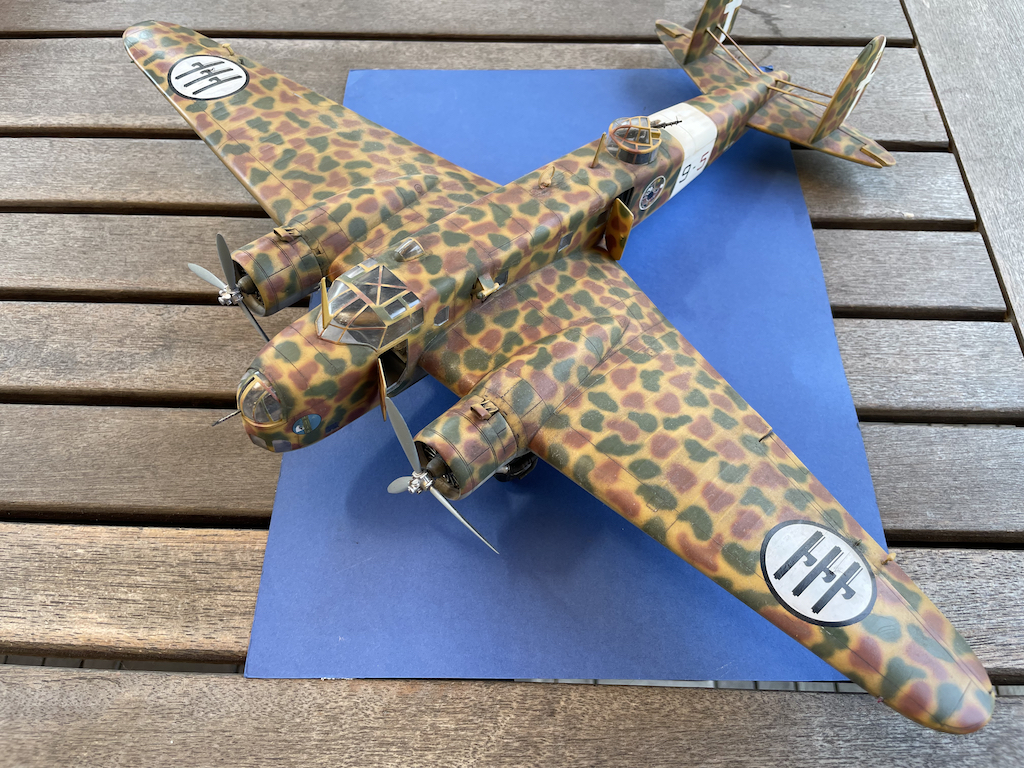
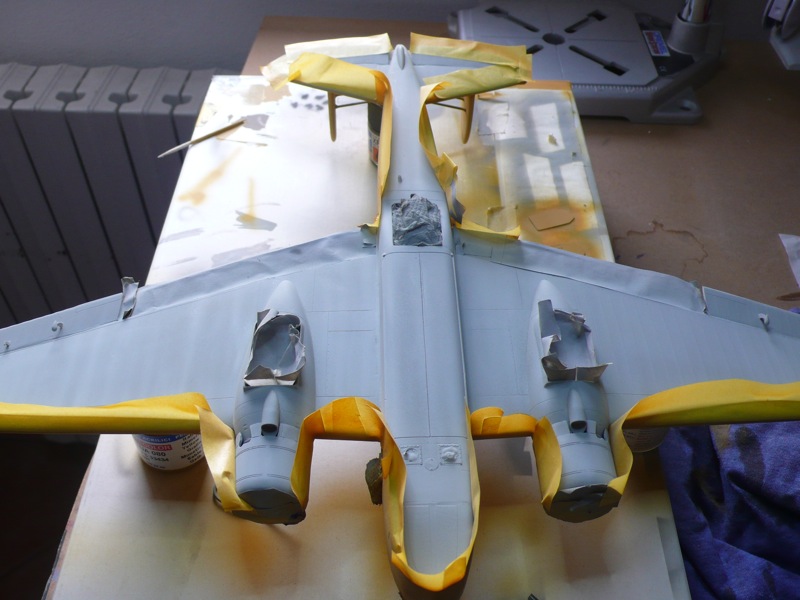
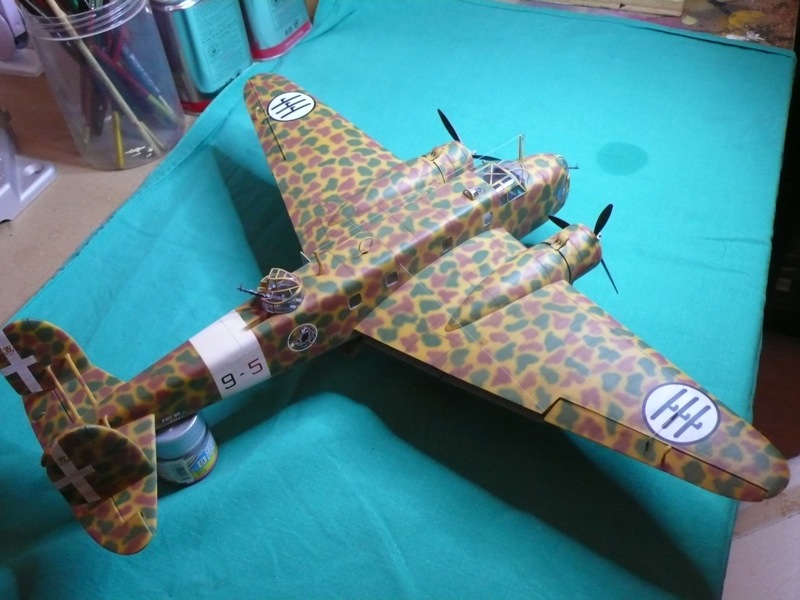
Please note the shape of the mottles should be irregular in size and density instead of rounded (please refer to the reference photo provided in this article).

The colors used are:

Grigio Azzurro Chiaro 1: Gunze H332
Verde Mimetico 1: MRP 328
Marrone Mimetico 2: Mig 0079
Giallo Mimetico 3: MRP 323
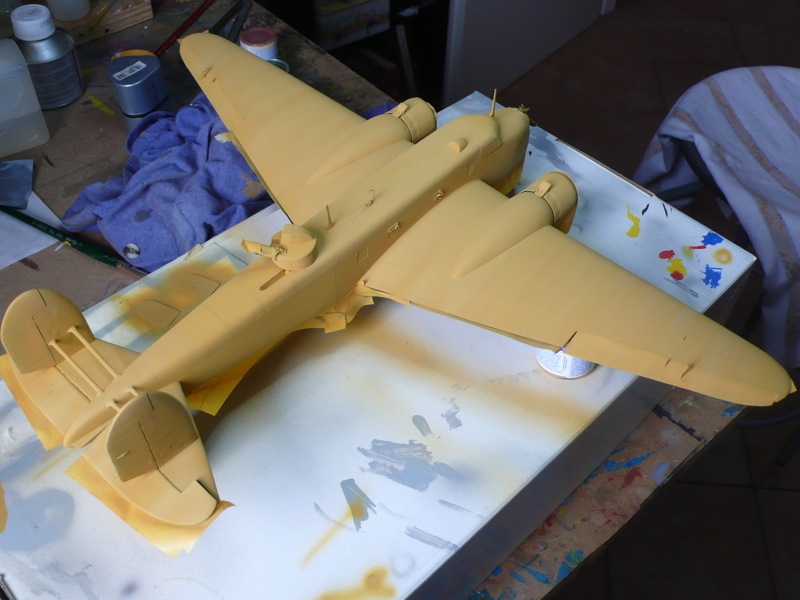

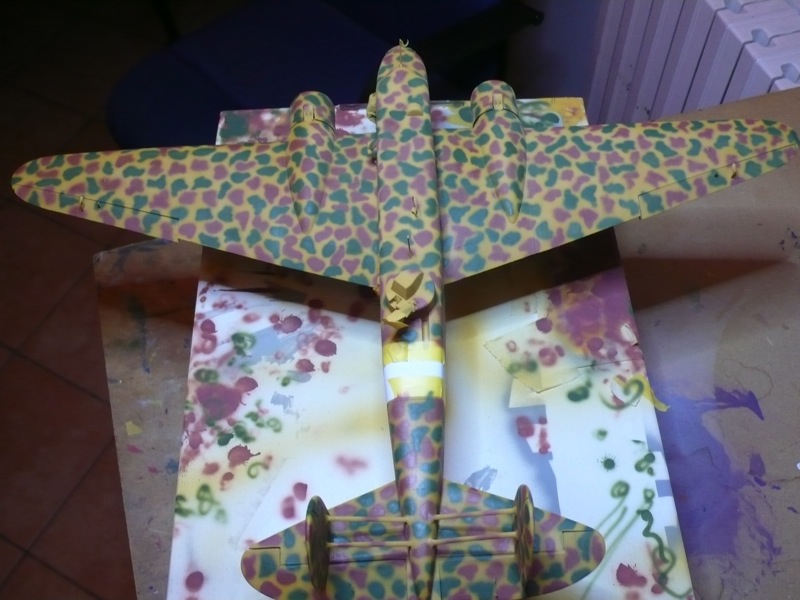
Applying the mottles ...

×

Apply the few decals:


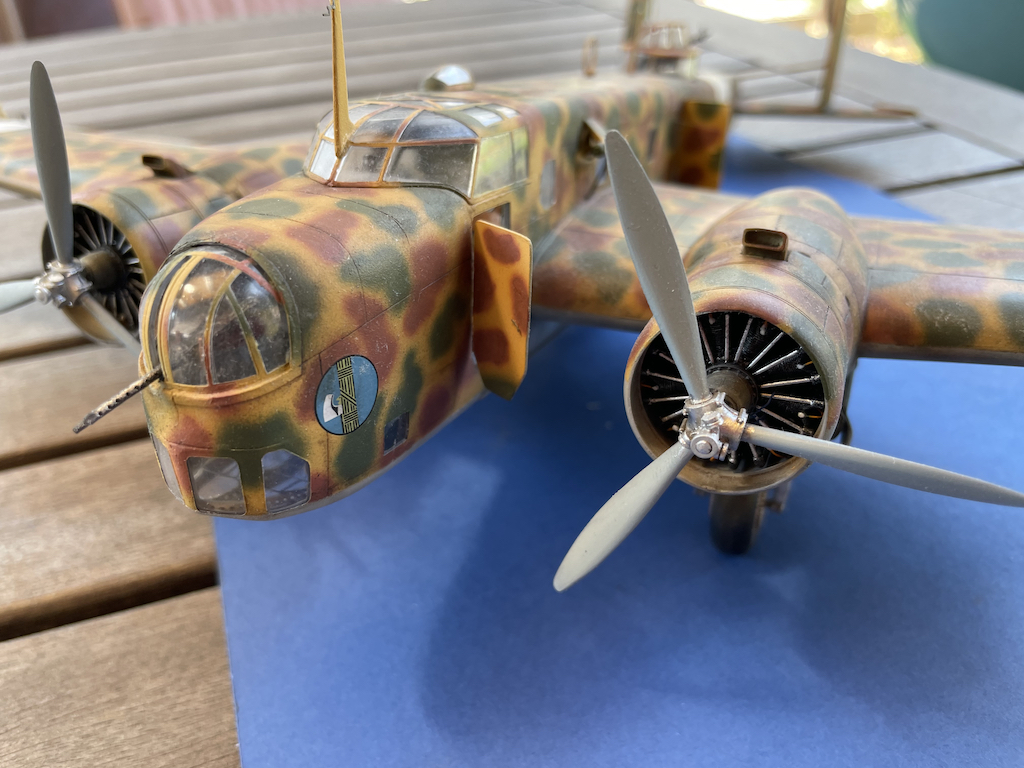
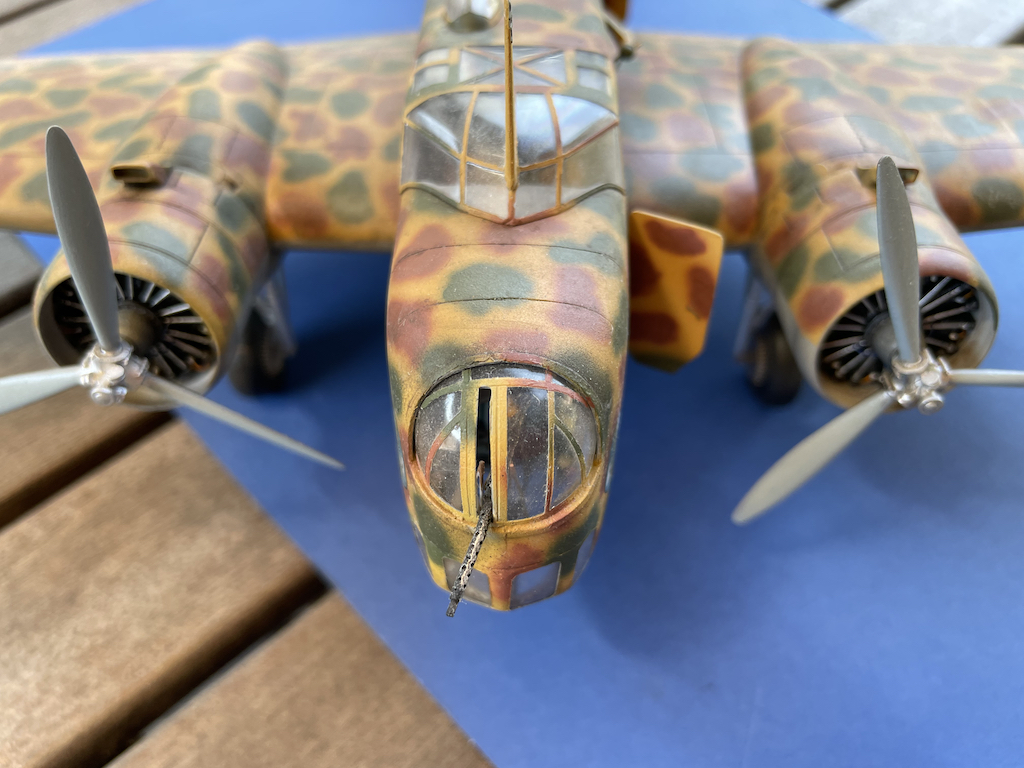
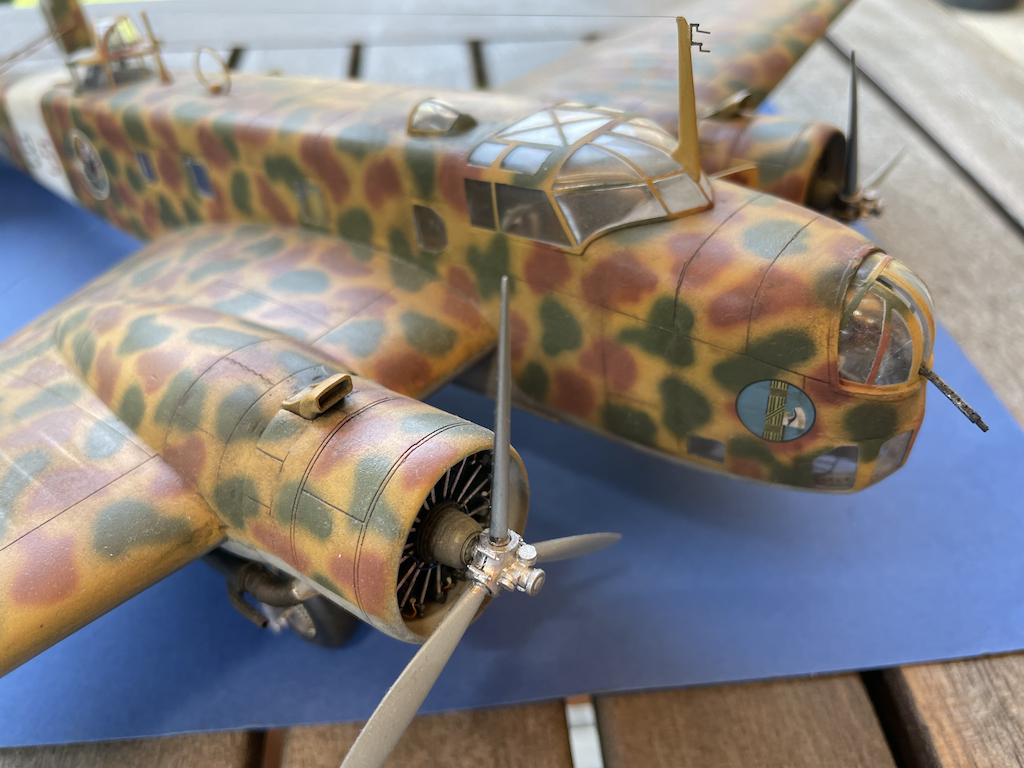
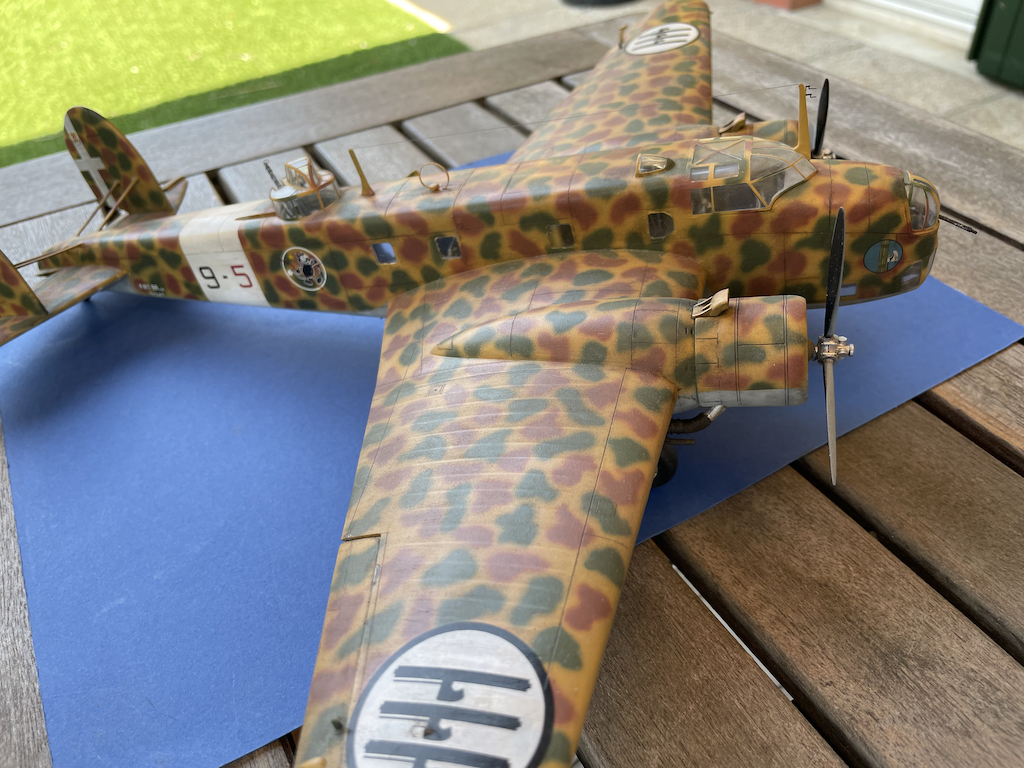
And these are the final photos taken in the light of day:

×


Technical Data

Aircraft: Fiat BR.20
Manufacturer: Fiat S.A.
Type: Bomber
Year: 1937
Engine: Two Fiat A.80 R6 41, 18-cylinder radial, air-cooled, 1,000 hp each
Wingspan: 70 ft 8 in (21.53 m)
Length: 52 ft 10 in (16.10 m)
Height: 14 ft 1 in (4.30 m)
Weight: 21,850 lb (9,900 kg) (Loaded)
Maximum Speed: 286 mph (460 km/h) at 16.400 ft (5,000 m)
Ceiling: 29,500 ft (9,000 m)
Range: 1,860 miles (3,000 km)
Armament: 3 machine guns; 3,527 Ib (1,600 kg) of bombs
Crew: 5

Additional Images


STORMO! Products


September, 2022
STORMO! © 2022