|
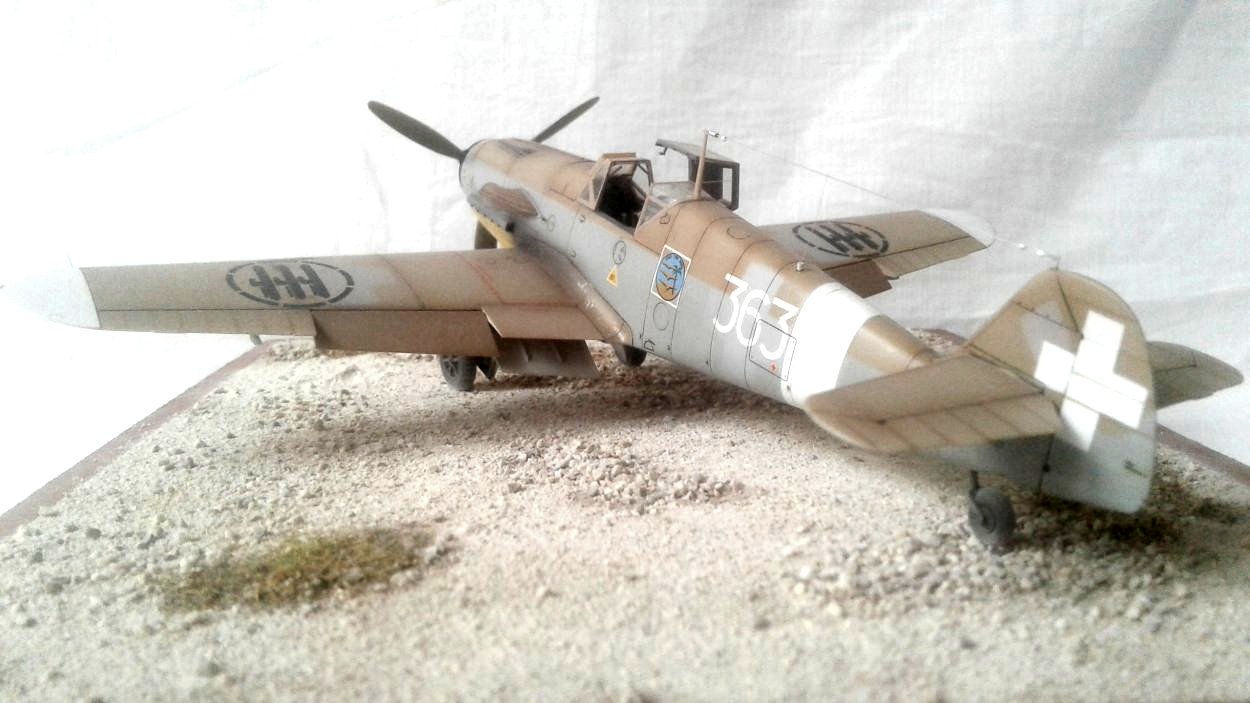
Hasegawa 1/48 Messerschmitt Bf.109G4 Italian Gustav by Angelo Battistelli |
|

Click the STORMO! Eagle to return to the Gallery |
|
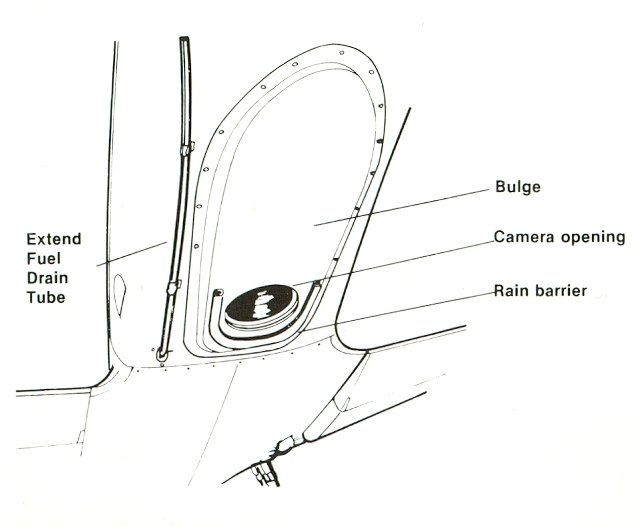
The G-4 preceeded the G-3 on the production line. The Bf 109G-4 was identical to the G-3 except that it lacked pressurization. The G-4/R-3, the standard fighter, equipped with a 300 litre drop tank for extended range, was a large scale production model. The G-4 also was one of the two reconnaissance models of the Gustav series. Under the designation G-4/R-2 the engine mounted MG 151/20 was deleted and a Rb 50130 camera was installed in the fuselage behind the rear wing root. A 300 litre drop tank was normally carried. (F) 123 was known to have operated this version. The G-4/R-6 was the first extensively produced Gustav to use the 20mm MG 151/20 cannon in under wing gondolas. Units known to have been issued aircraft carrying this armament are JG 3, JG 27 and JG 53, all of which operated against USAAF Bomber formations. The extra punch that the pair of underwing 20mm cannons provided was vital if fatal damage was to be done to these "heavies".[1] Rustsatze At least eight rustsatze (some numbers were used twice) were planned for the G-4 although few saw service: R-1 Fighter Bomber limited production R-2 Fighter Bomber limited production R-3 Reconnaissance-not produced R-4 Reconnaissance-not produced R-7 Limited fitting of OF equipment R-2 Reconnaissance Fighter R-3 Fighter R-6 Heavy Fighter
[1] Beaman, J. R. Jr. "Messerschmitt Bf.109 in action, Part 2", Aircraft Number 57, Squadron/Signal Publications, Carrollton Texas, 1983. |

|
|
|
|
|
|
|
|
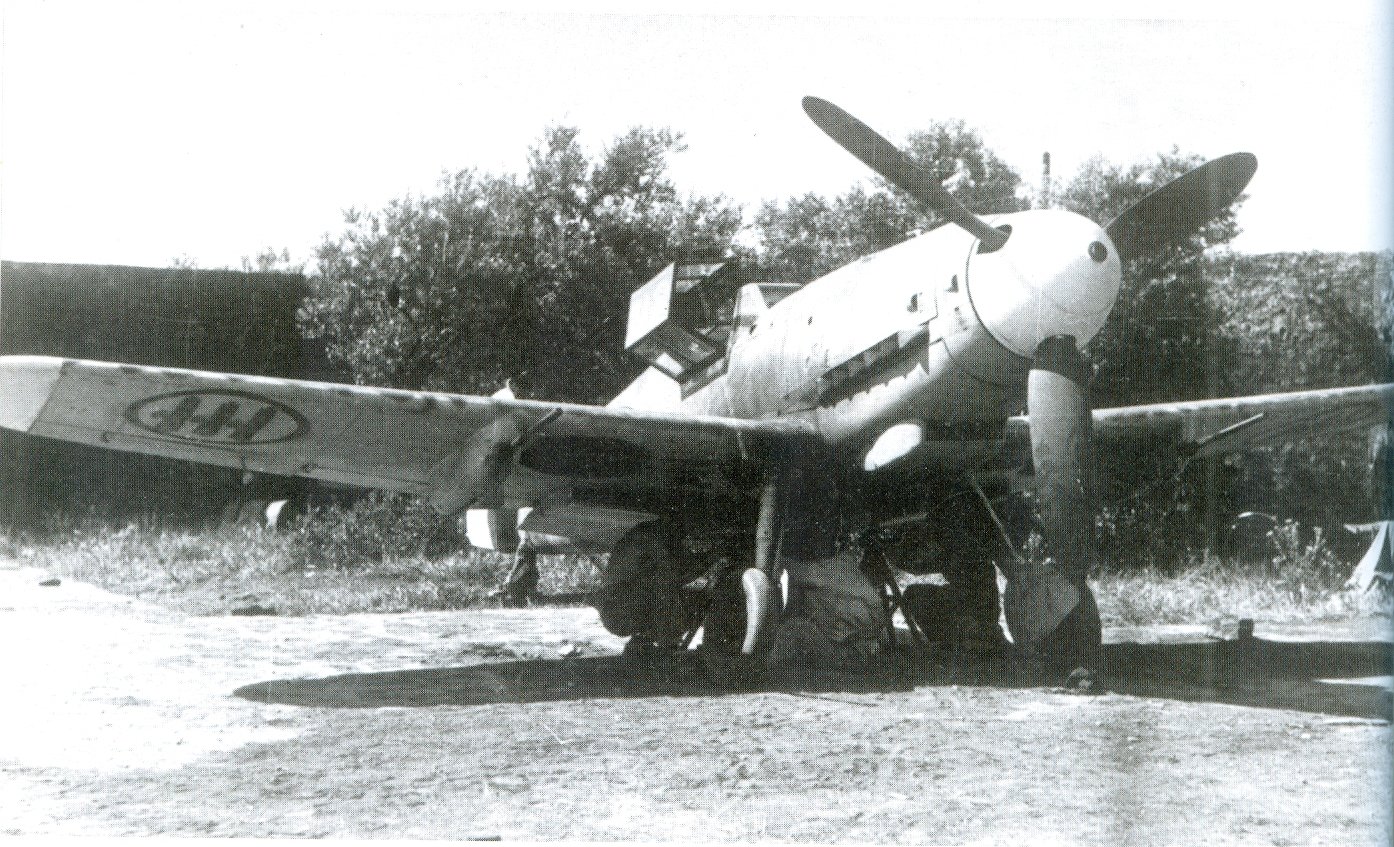
The Bf.109G-4 with the Regia Aeronautica The Regia Aeronautica received 10 G-4. The Gustavs were mostly recent builds from February-March 1943 by Erla, MTT and WNF factories. Almost all Italian Bf.109s were delivered through the Bari Luftpark (air depot). The G-4 was concentrated in 150o Gruppo (363a, 364a and 365a Squadriglie) except for W.Nr.19758 which was on charge with the ANR 3a Sq., 1o Gr. C. at Aviano 23.1.45. Of note Bf.109G-4 W.Nr.19359 was flown by ten. U. Drago and shot down 9.7.43. Drago would survive the crash and go onto a distinguished career in the RA, ANR and post-war Alitalia airlines flying 747s. The 10 ten G-4s are as follows:
Source: [2] Alegi G. and Gueli M., "Ali Straniere in Italia, Messerschmitt Bf.109 Italiani", La Bancarella Aeronautica, Torino, 2002. |

|
|
|
|
|
|
|
|
|

|
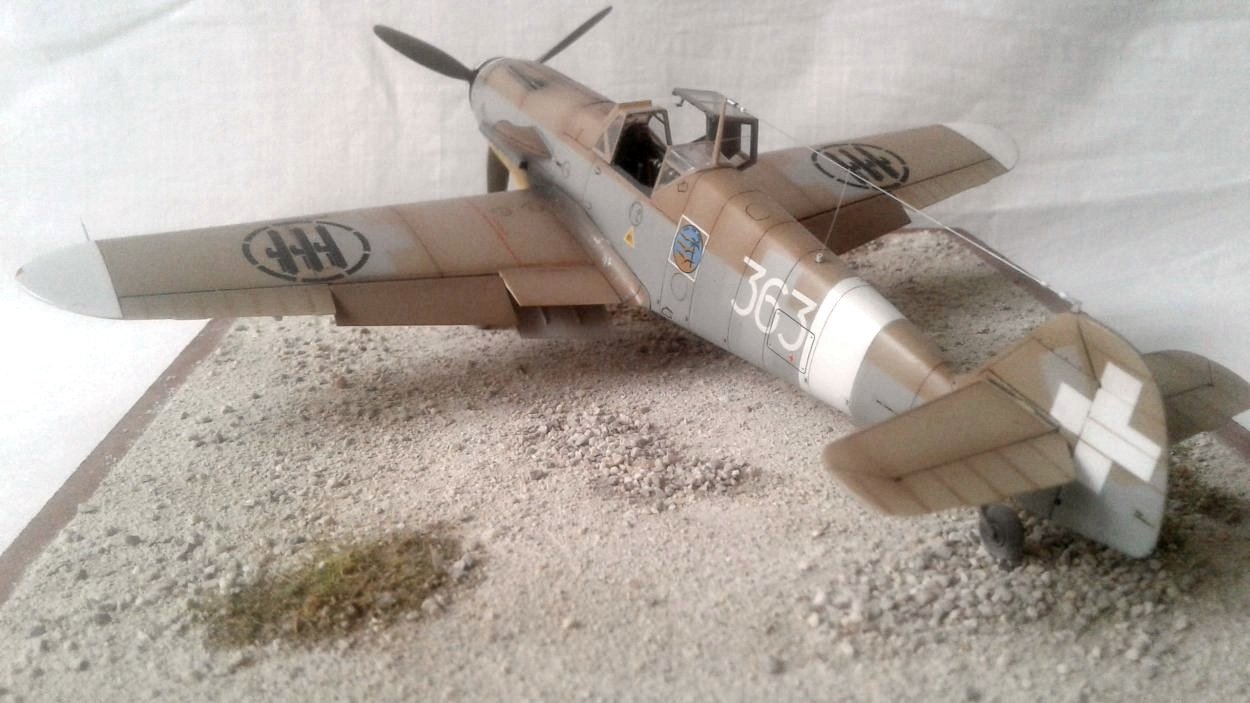
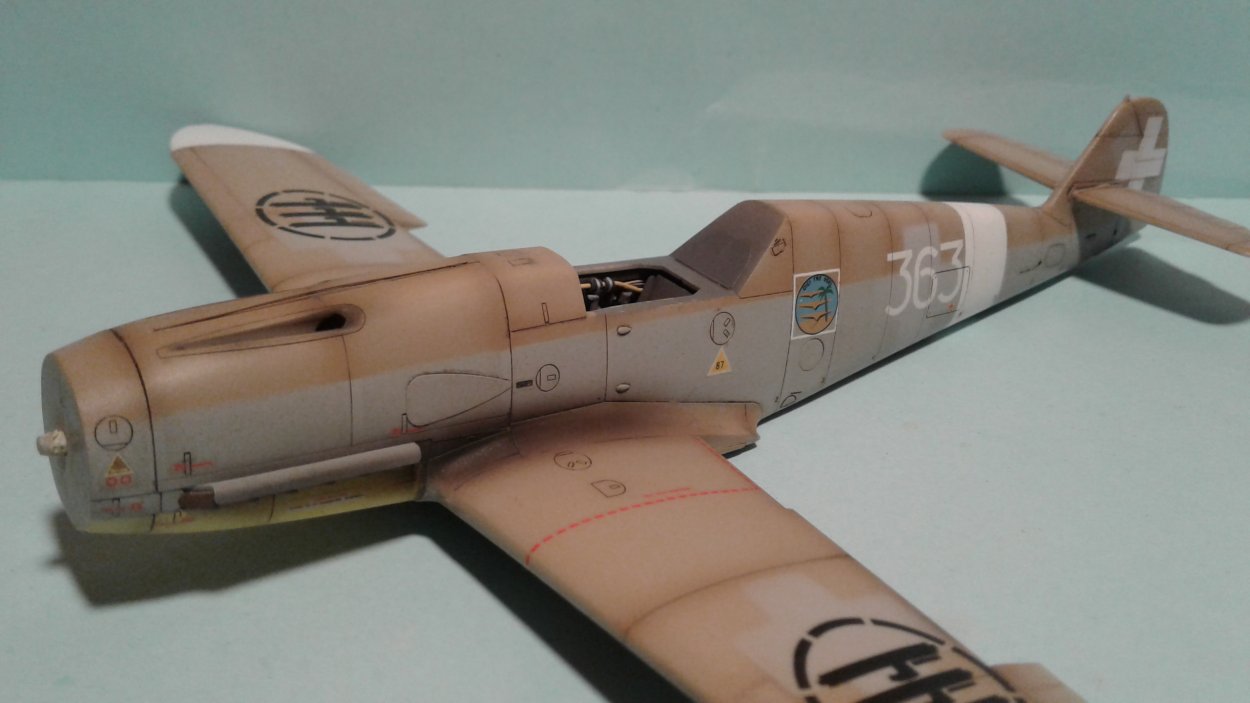
This is the 1/48 Hasegawa Messerschmitt Bf.109G-4 363a Squadriglia, 150o Gruppo, Sicilia, 1943. Built out of the box, with only Eduard seatbelts added and after the typical paint scheme on RLM 78 RLM 79 with airbrush. I sprayed light gray to delete German insignias on all airplane surfaces and then applied Italian decals. Spinner cowling white spiral. Cockpit Details:
|

|
|
Aircraft: Messerschmitt Bf.109G4 Manufacturer: Messerschmitt A. G. Type: Fighter Year: 1942 Engine: Damiler Benz DB 605A-1, 12-cylinder V, liquid-cooled 1,475hp Wingspan: 32 ft 6 1/4 in (9.90m) Length: 29ft 7 1/8 (8.84m) Height: 8ft 2 ½ in (2.49m) Weight: 6,834lb (3,095 kg) (Loaded) Maximum Speed: 406mph (653 km/h) at 28,540ft (8,700m) Ceiling: 39,370ft (12,000m) Range: 528miles (850km) Armament: 2 x MG 131 13mm machine guns, 1 x MG 151 20mm cannon Crew: 1 |
|
|
|
|
|


|


|
|
|
|
August, 2023 STORMO! © 2023 |